
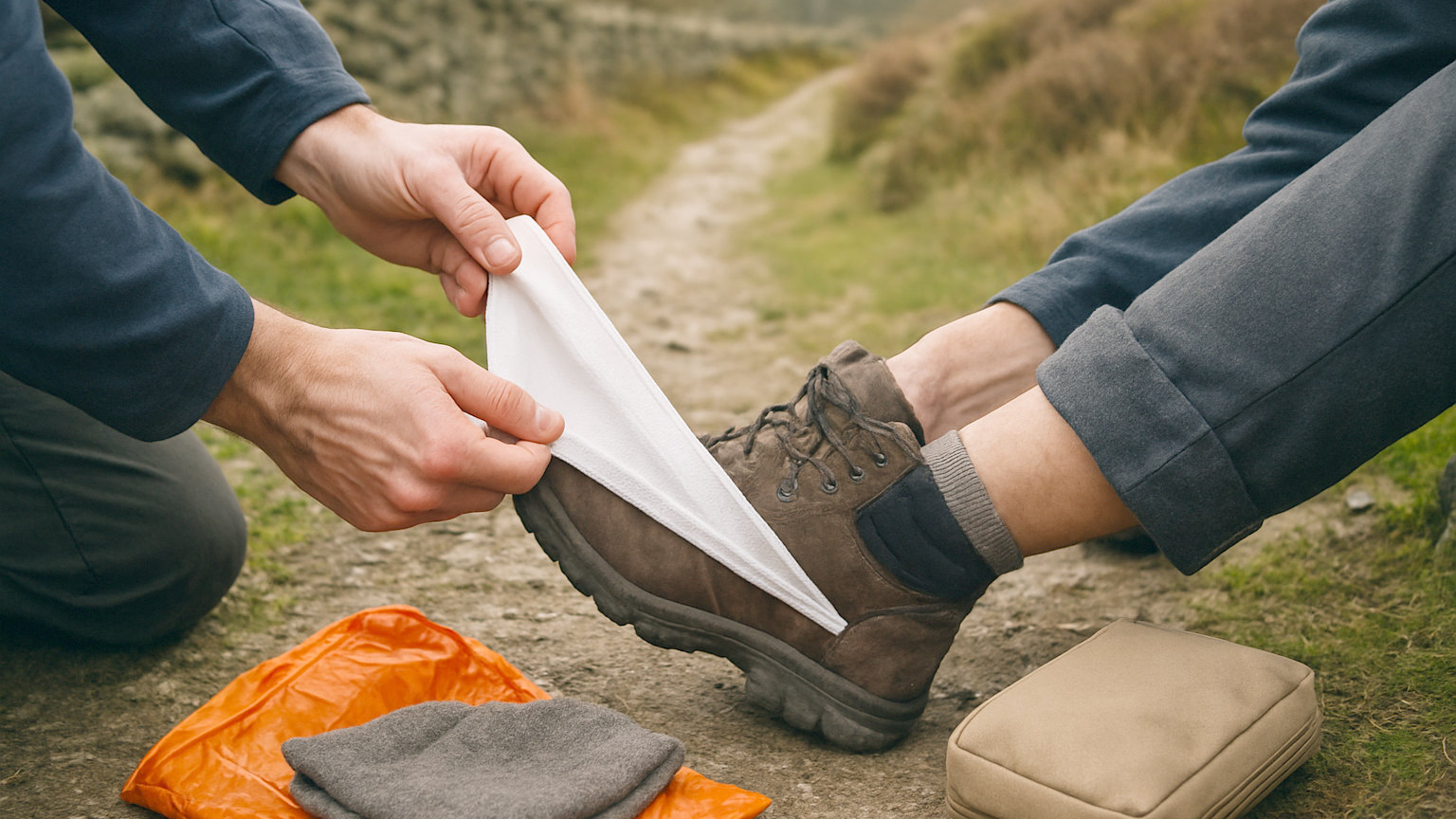
An injury in remote ground changes the situation completely. The instinct is to get the person out, and that is almost always the wrong instinct.
What comes first?
Safety of the scene, then the casualty. Do not add yourself to the casualty list by descending unstable ground or entering water. Then check the immediate life threats: responsiveness, breathing and catastrophic bleeding, in that order, and deal with anything found before moving on to the injury that is obvious.
Should you move them?
Only if they are in immediate danger where they lie, such as rockfall, water or a position that cannot be protected. Otherwise leave them where they are. Moving someone with a suspected spinal, pelvic or leg injury over rough ground causes further damage and enormous pain, and a mountain rescue team with a stretcher will do it far better and faster than a party dragging someone downhill.
- Check the scene is safe before approaching
- Deal with breathing and severe bleeding first
- Do not move them unless they are in immediate danger
- Insulate from the ground, which is where heat is lost
- Call 999, ask for police then mountain rescue
- Give a grid reference or what3words location
Why does insulation matter so much?
Because an injured person cools fast and hypothermia frequently becomes the more serious problem. They are immobile, may be in shock, and are losing heat into the ground continuously. Get everything you have underneath them, not just over them: rucksacks, mats, spare clothing, rope. Then a group shelter or survival bag over the top.
How do you call for help?
Dial 999, ask for the police and then for mountain rescue, which is the route in England, Wales and Scotland. Give the location as a grid reference or what3words address, describe the injuries, the number in the party, the conditions and whether anyone else is at risk. Stay reachable, since the team will call back.
What if there is no signal?
Try anyway, since 999 calls can use any network with coverage. Register for emergency SMS in advance by texting the word register to 999, since a text needs far less signal than a call. Move to higher ground if it is safe and does not mean leaving the casualty alone. As a last resort send two people for help with the details written down.
What should you do while waiting?
Keep them warm, keep them still, keep them talking and monitor them. Record what you observe: level of response, breathing, any change, and the times. That is exactly what the team will ask for and it is difficult to recall accurately. Reassure them, since fear worsens shock, and manage the rest of the group so they are warm and occupied.
Should you give food or drink?
Generally not, if there is any possibility of surgery or a head injury, and sips of water are usually acceptable for a conscious casualty with a straightforward limb injury and no other concerns. If in doubt, ask when you call, since the operator can advise. Do not give alcohol, which impairs temperature regulation.
How do you help the helicopter?
Secure everything loose before it arrives, since downwash is extremely strong and will scatter equipment dangerously. Stay low, keep together, do not approach until signalled, and never approach from behind. Mark your position with something bright or a torch. Follow the crew instructions exactly, as they are working in a difficult environment.
What should you record?
Times and observations, written down. What happened and when, level of response, breathing, any change in condition, what you have given them and when. Memory is unreliable under stress and this is exactly what the rescue team and the hospital will ask for. A note on a phone or a scrap of paper takes seconds and is genuinely valuable.
Make the scene safe, treat life threats, insulate underneath them, call 999 for mountain rescue with a grid reference, and wait with them.


