Travelling at night in hot climates is traditional practice with good reason, and it trades one set of problems for another. Doing it well requires planning rather than simply setting off after dark.
What is the advantage?
Water, principally. Walking in the cool of the night rather than the heat of the day can reduce fluid loss dramatically, since sweat rate is driven by heat load and exertion. In a situation where water is the limiting factor, moving at night and resting in shade by day can extend range substantially.
What are the drawbacks?
Navigation becomes far harder, terrain hazards are invisible, and the animals that avoid the heat come out. Depth perception fails in torchlight, drops and holes are difficult to see, and route finding by landmark stops working. Twisted ankles and falls are considerably more likely, and an injury at night in remote country is a serious matter.
- Night travel dramatically reduces water loss
- Navigation is far harder without visible landmarks
- Terrain hazards and drops become difficult to see
- Snakes and scorpions are more active after dark
- Deserts can be genuinely cold at night
- Use it deliberately with a planned route, not as improvisation
How do you navigate?
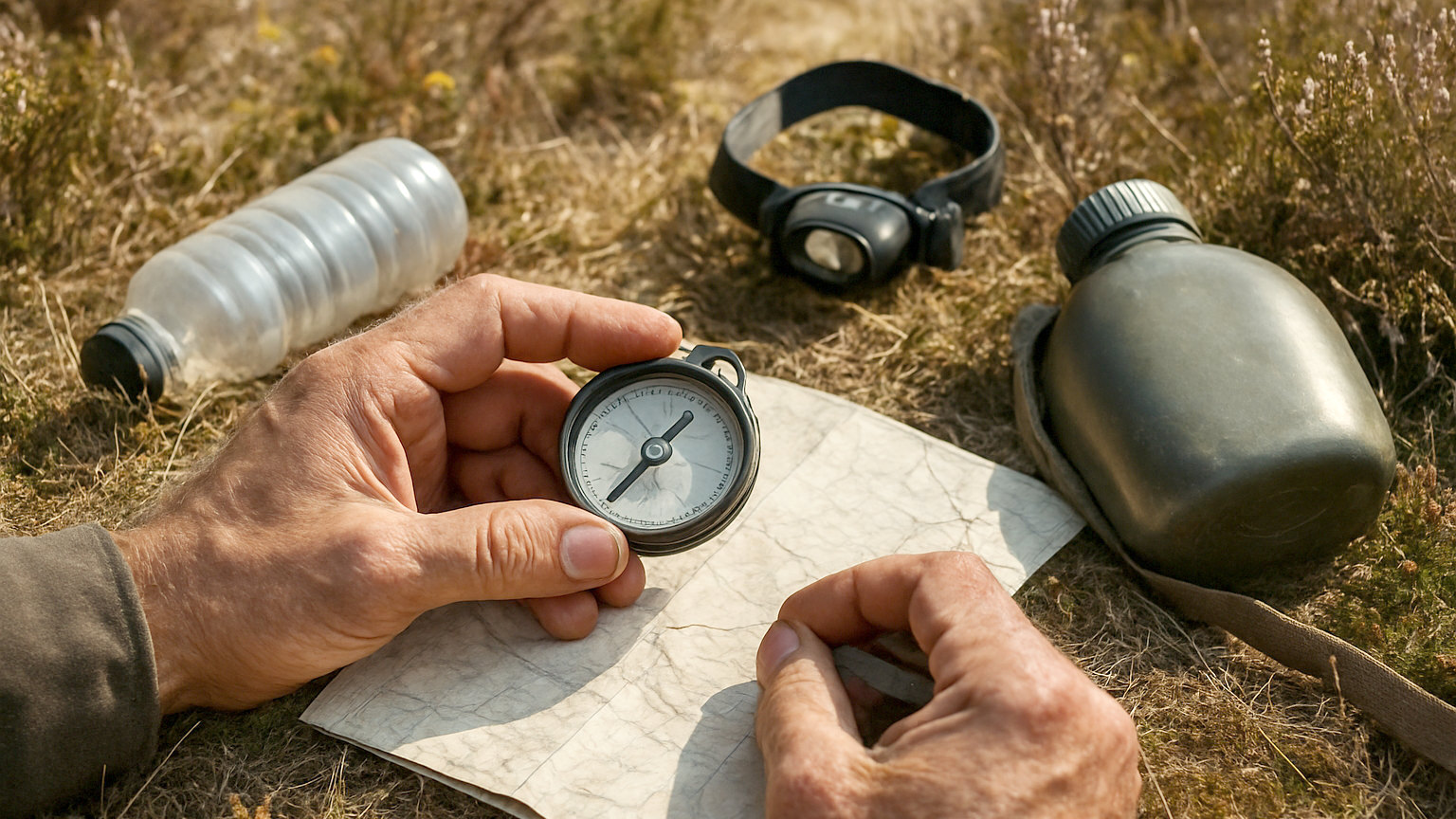
By compass, bearings, pacing and timing rather than by landmark, in the same way as whiteout navigation. Satellite navigation is a considerable help and should not be the only method. Plan the route in daylight, note the bearings and distances, and identify handrails such as ridgelines, watercourses and tracks that can be followed in the dark.
What about animals?
Many desert species are active at night specifically to avoid the heat, including snakes and scorpions. Walk with a torch, watch where you place feet and hands, do not step over rocks and logs without looking beyond them, and shake out boots and clothing before putting them on. Most bites and stings occur when something is stepped on or reached over.
How cold does it get?
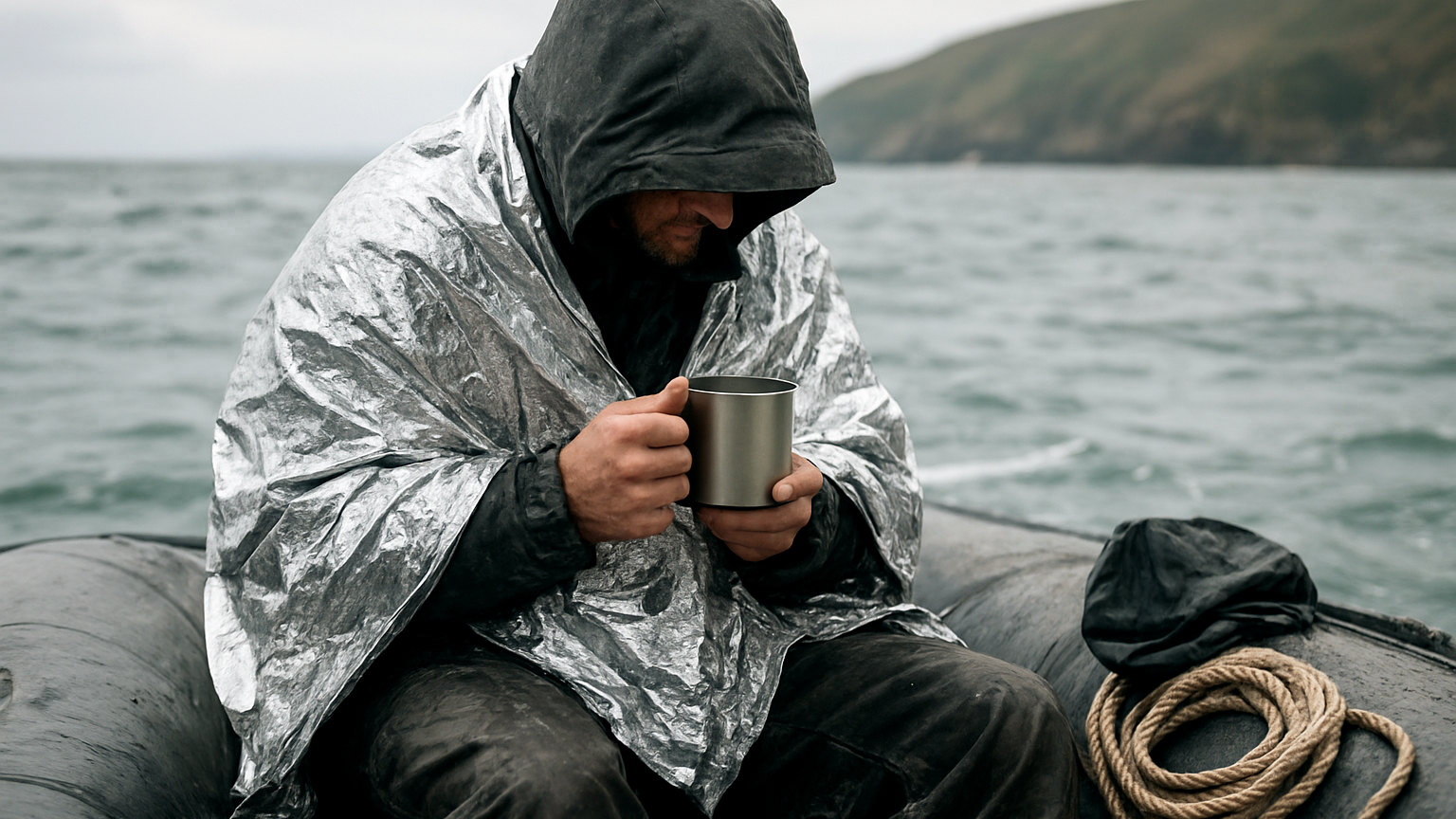
Colder than people expect. Clear dry desert air radiates heat away rapidly after sunset, and temperatures can fall dramatically overnight, in some places to near or below freezing. Anyone planning night travel or a night out needs warm layers, which feels absurd when packing for a hot country and is genuinely necessary.
What is the practical pattern?
Move in the cool hours around dawn and dusk and into the night, rest through the middle of the day in shade, and sleep in split periods. Many people find travelling in the very early morning gives most of the benefit with far better visibility than the middle of the night, which is a reasonable compromise.
When is it clearly right?
When water is limited, when the route is known and straightforward, when the terrain is not hazardous, and when the group is capable of navigating in the dark. In a survival situation with limited water and a known direction to safety, night movement is a well established technique and it is the standard advice.
When is it clearly wrong?
On broken or unknown ground, with an inexperienced group, without adequate navigation, or when nobody knows where you are. Moving at night into unknown terrain when you are already in difficulty adds injury risk to an existing problem. Staying put in shade and signalling is frequently the better answer.
How do you sleep instead?
In split periods, through the hottest hours and again before dawn. It takes a day or two to adjust and it works well once established, and it is how people have travelled in hot countries for a very long time. Shade during the day matters more than comfort, and sleeping on a raised surface with airflow beneath is considerably cooler than on the ground.
What about the light?
Preserve your night vision and use as little as you can. A dim torch setting or a red mode lets you see the ground while keeping some adaptation to the dark, and a bright beam creates a tunnel with nothing visible beyond it. Moonlight is genuinely usable on open desert ground, and planning night travel around a bright moon is a long established practice.
Use night travel to save water on known straightforward ground, navigate by bearing and pacing, watch for snakes, carry warm layers, and plan it in daylight.