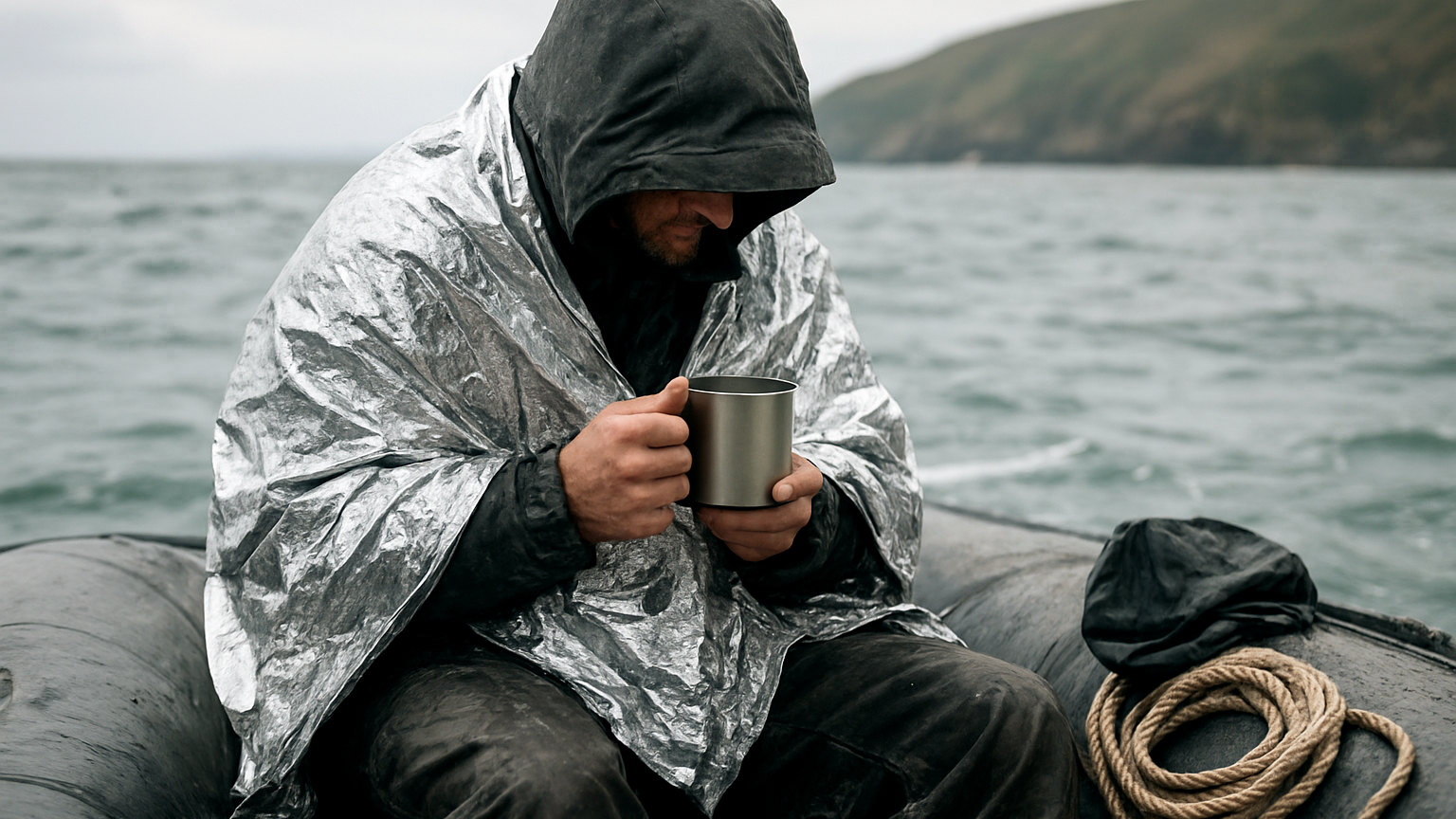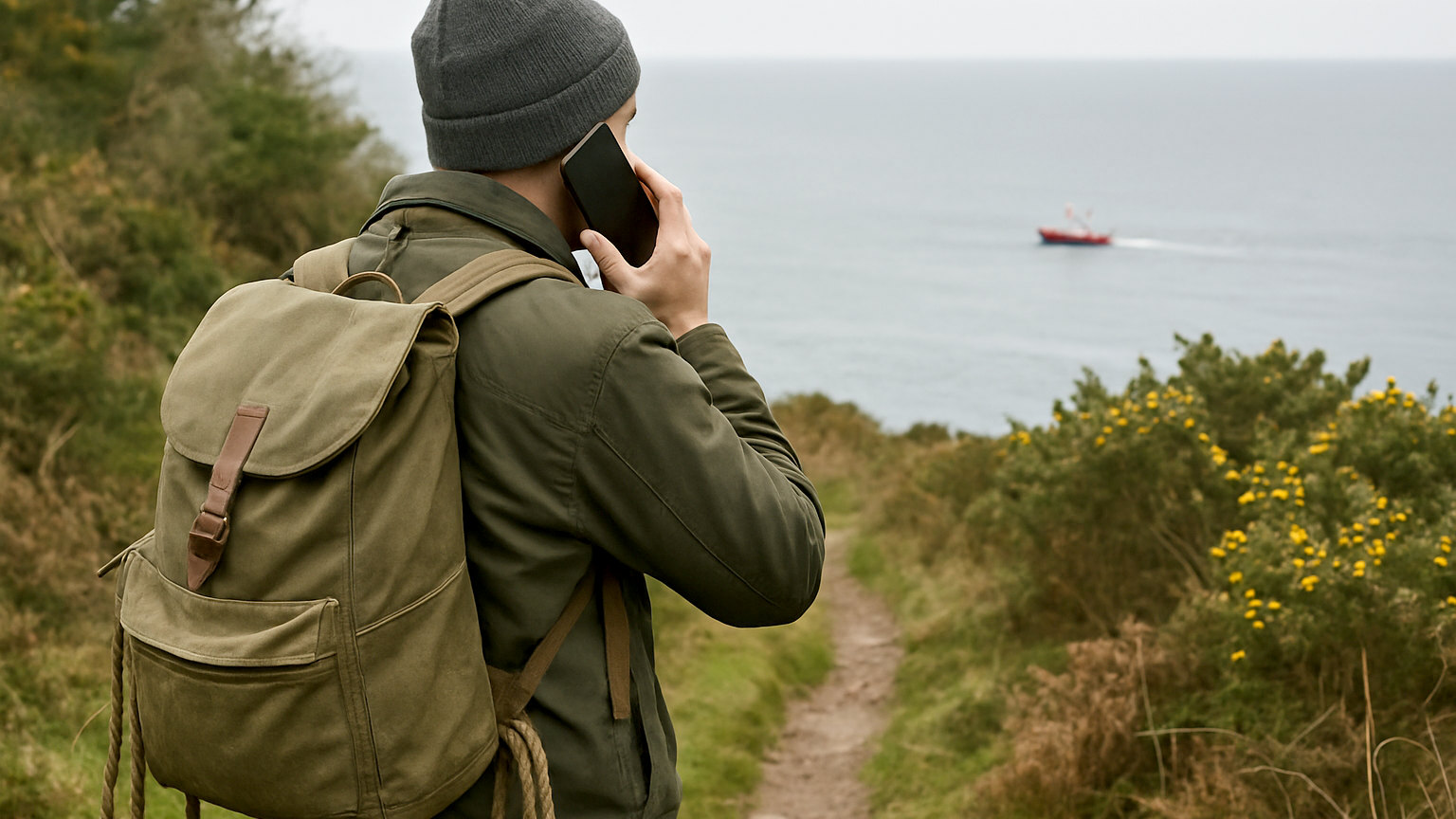
Every maritime and coastal incident in Britain is coordinated by the coastguard, and knowing what they do and how to reach them removes most of the hesitation about calling.
What do they do?
Coordinate search and rescue around the coast and at sea. They receive distress calls, decide what response is required, and task lifeboats, coastguard rescue teams, helicopters and other vessels. They also provide radio medical advice, issue safety broadcasts and maritime safety information, and manage a great deal of routine assistance that never becomes an emergency.
How do you contact them?
By dialling 999 and asking for the coastguard, or by VHF on channel sixteen, or by a digital distress alert. Use the coastguard for anything on the coast, in the water or at sea, including cliff incidents, people cut off by tide, people in the water and vessels in difficulty. It is the coastguard rather than mountain rescue on the coast.
- Call 999 and ask for the coastguard for any coastal incident
- Or use VHF channel sixteen or a DSC distress alert
- They task lifeboats, rescue teams and helicopters
- They provide radio medical advice at sea
- Calling early is free and far better than calling late
- Tell them if the situation resolves itself
When should you call?
Sooner than feels justified. Machinery failure, taking on water, uncertainty about position, someone unwell, a person in the water, someone missing on the coast, or simply a situation deteriorating beyond your capability. The coastguard would far rather be told early about a situation that resolves than late about one that has become serious.
What will they ask?
Position first, then the nature of the problem, the number of people involved, the vessel or party description, whether anyone is injured, and a means of contacting you. Have that ready if you can. They will keep you on the line or on the radio and will call back, so stay reachable.
Who actually comes?
Whoever is appropriate. Lifeboats are operated by the RNLI, a charity crewed largely by volunteers. Coastguard rescue teams are also largely volunteers and deal with cliffs, shorelines and mud rescues. Search and rescue helicopters cover longer range and difficult access. Nearby vessels are frequently tasked as the closest available help.
Does it cost anything?
No. Search and rescue in the United Kingdom is provided without charge to the person in difficulty, and the RNLI is funded by donations rather than by charging for rescues. The belief that a rescue will result in a bill causes people to delay calling, and it is wrong.
What if the situation resolves?
Tell them immediately. A vessel that sorts itself out and does not report back leaves a lifeboat searching for people who are safely ashore, which wastes volunteer effort and occasionally puts crews at risk. Call back and stand the incident down. Nobody will be irritated, and they would be considerably more irritated if you did not.
What else do they provide?
Radio medical advice, which allows a skipper to consult a doctor by radio about an unwell crew member, and safety broadcasts warning of hazards, weather and navigational information. They also run a service for logging passage plans so that a failure to report in triggers a response, which is worth using.
What about routine assistance?
They handle a great deal of it, and much of what lifeboats do is not dramatic rescue. Tows following machinery failure, escorting vessels safely into harbour, checking on overdue boats and assisting people cut off by the tide all form a substantial part of the work. There is no threshold of drama below which an incident is not worth reporting to them, and a routine call handled early frequently prevents a genuine emergency later on.
Call 999 and ask for the coastguard for anything coastal, call early rather than late, have your position ready, remember it is free, and stand it down if resolved.