Midges are the single most effective deterrent to camping in western Scotland and they are entirely manageable once you understand when and where they appear.
When are they worst?
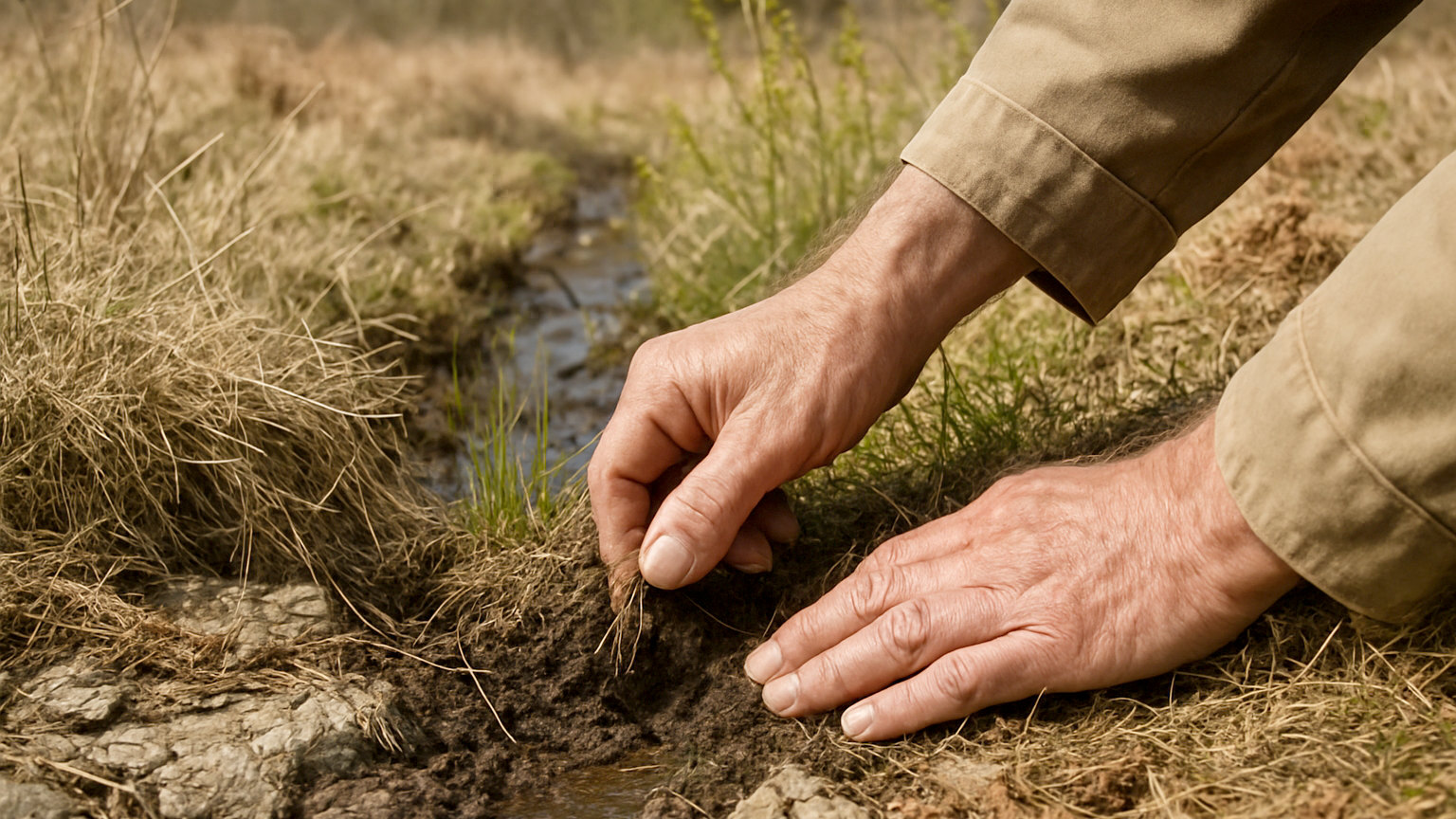
From late spring through to early autumn, roughly May to September, with the peak in high summer. They are worst at dawn and dusk, in still humid conditions, near boggy ground and standing water, and on overcast days. They are largely absent in wind, in bright sunshine and in cold conditions, which is the key to avoiding them.
What actually works?
Wind, more than anything. Midges cannot fly effectively in a breeze, so a pitch on a slight rise, on a headland or anywhere with air movement is transformative compared with a sheltered hollow beside a bog. That single choice does more than all the products combined, and it is worth accepting a less comfortable pitch for.
- Pitch where there is a breeze rather than in a sheltered hollow
- Avoid boggy ground, standing water and dense vegetation
- A head net is the most effective single item
- Cover skin with long sleeves and trousers
- Repellents help, and none are complete
- Keep the inner tent zipped at all times
Is a head net worth it?
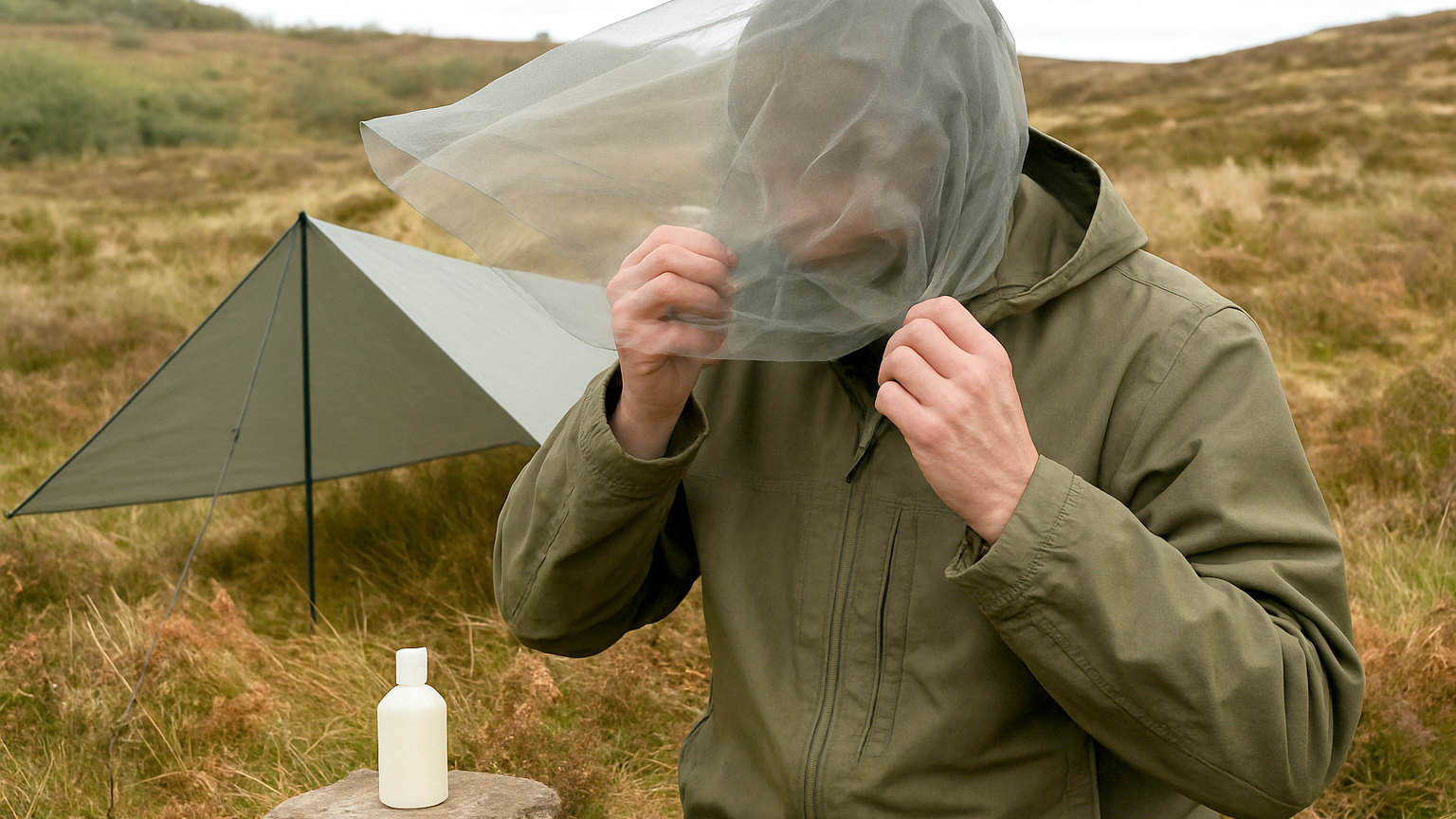
Enormously, and it costs very little and weighs almost nothing. Midges concentrate around the head and face, and a fine mesh net makes the difference between an evening outside and retreating into the tent at seven. Wear it over a cap so the mesh is held away from the skin, since they bite through anything touching you.
Do repellents work?
Reasonably, and none are complete. Products based on DEET are effective and some people dislike using them, and alternatives such as those based on the compound sold widely for Scottish use are popular and reported effective. Apply to all exposed skin and reapply as directed. Avoid getting DEET on synthetic fabrics and equipment, which it can damage.
What about clothing?
Cover up, with tightly woven fabric. Midges bite through loose or thin material pressed against skin, so a close weave shirt and trousers work better than thin loose ones. Light colours are frequently recommended over dark. Tuck trousers into socks, which also helps against ticks, and keep cuffs closed.
How do you keep them out of the tent?
Zip it immediately and completely, every time. Midges get in through the smallest gap and a tent full of them is a miserable night. Enter and leave quickly, close the inner behind you, and if a swarm has got in, wait for full darkness when they settle and clear them with a torch and a damp cloth.
What about other insects?
Ticks are the more serious concern and warrant a check at the end of each day, particularly in bracken and long grass. Horseflies bite painfully in summer. Wasps become aggressive around food in late summer, so keep food covered and check drink containers. Mosquitoes exist in Britain and are a minor problem compared with midges.
Can you plan around them?
Yes, and many people do. Camping in April, May or late September in the west largely avoids the worst, as does camping on the east coast, on high exposed ground or during a breezy spell. Forecasts predicting midge activity exist for Scotland and are worth checking alongside the weather.
What about bites afterwards?
They itch for days and scratching is what causes problems. Antihistamine cream or tablets reduce the reaction, and keeping the area clean prevents the secondary infection that follows scratching broken skin. Bites that become hot, spreading, swollen or unusually painful, or any bite with a spreading circular rash, warrant a conversation with a GP.
Does anything else deter them?
Smoke helps a little, which is why people sit close to fires in the Highlands, and it is not a reason to light one. Some campers use midge coils or portable devices with mixed results. The evidence for most folk remedies is poor. Wind, covering up and a head net remain the reliable answers.
Pitch in a breeze away from boggy ground, carry a head net, cover skin, use a repellent, keep the tent zipped, and plan trips around the season.