How Do You Prepare Without Panic Buying
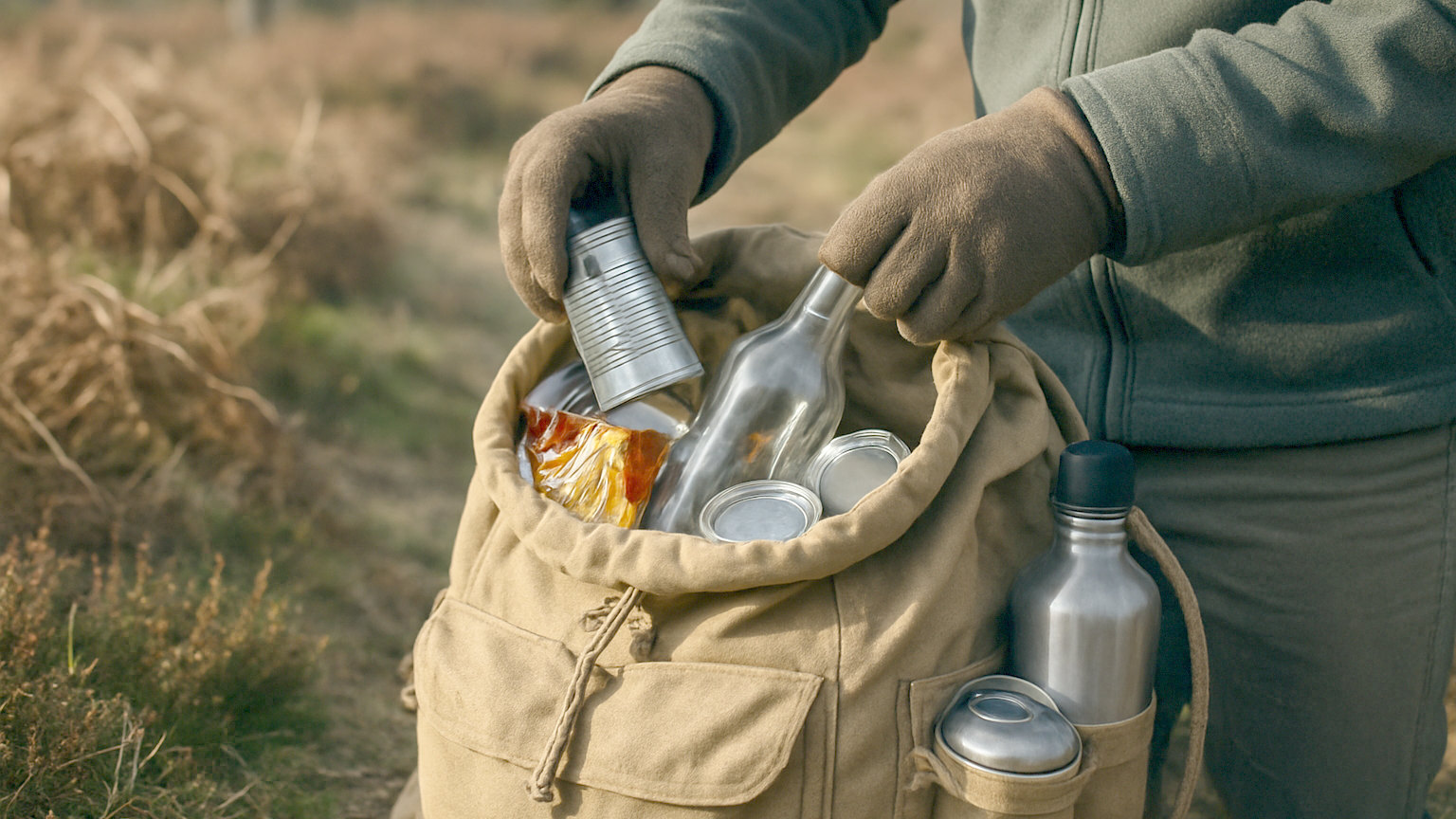
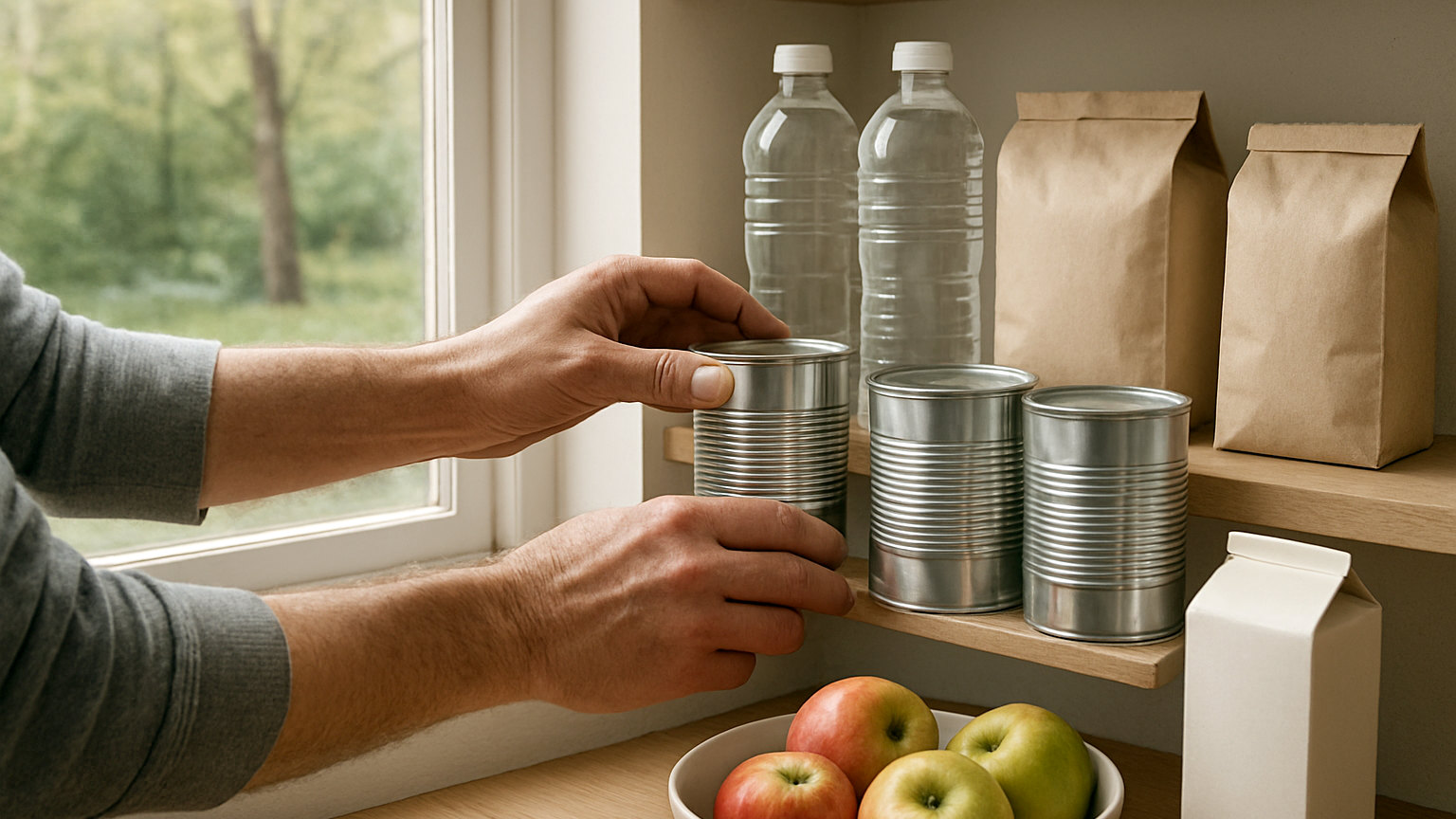
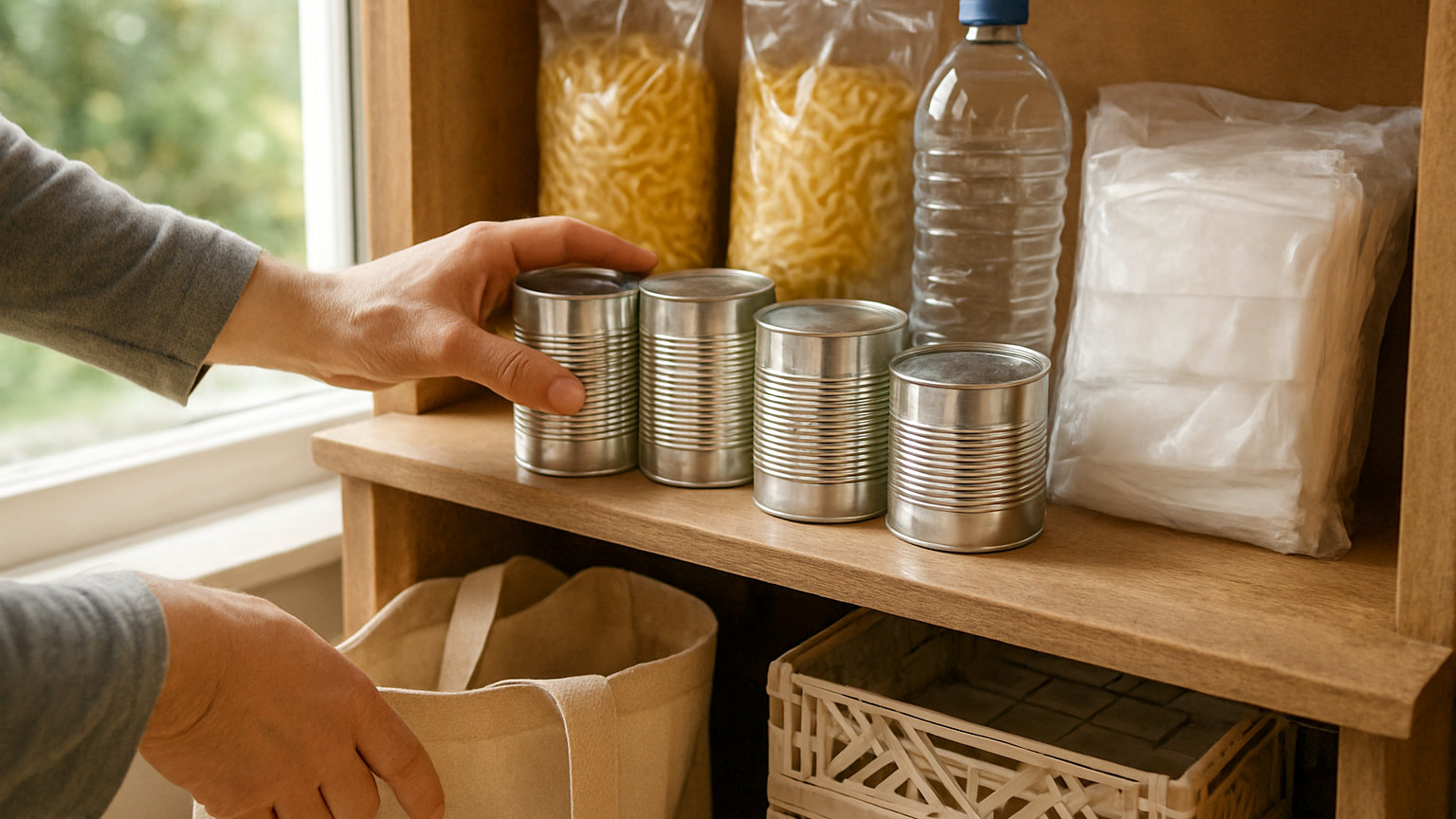
Add a few items each shop over a couple of months. Empty shelves are usually a distribution problem caused by sudden demand rather than an actual shortage.
Disasters are survivable far more often than the coverage suggests, and the difference is usually made in the hours before one arrives rather than the moment it does. These guides follow official guidance from agencies that plan for this professionally, the Environment Agency, the Met Office, the coastguard and local resilience forums, and set out what to do at each stage. They deal in what is known and what is advised, not in worst-case speculation, because a household that is frightened into doing nothing is no better prepared than one that never read anything.
Add a few items each shop over a couple of months. Empty shelves are usually a distribution problem caused by sudden demand rather than an actual shortage.
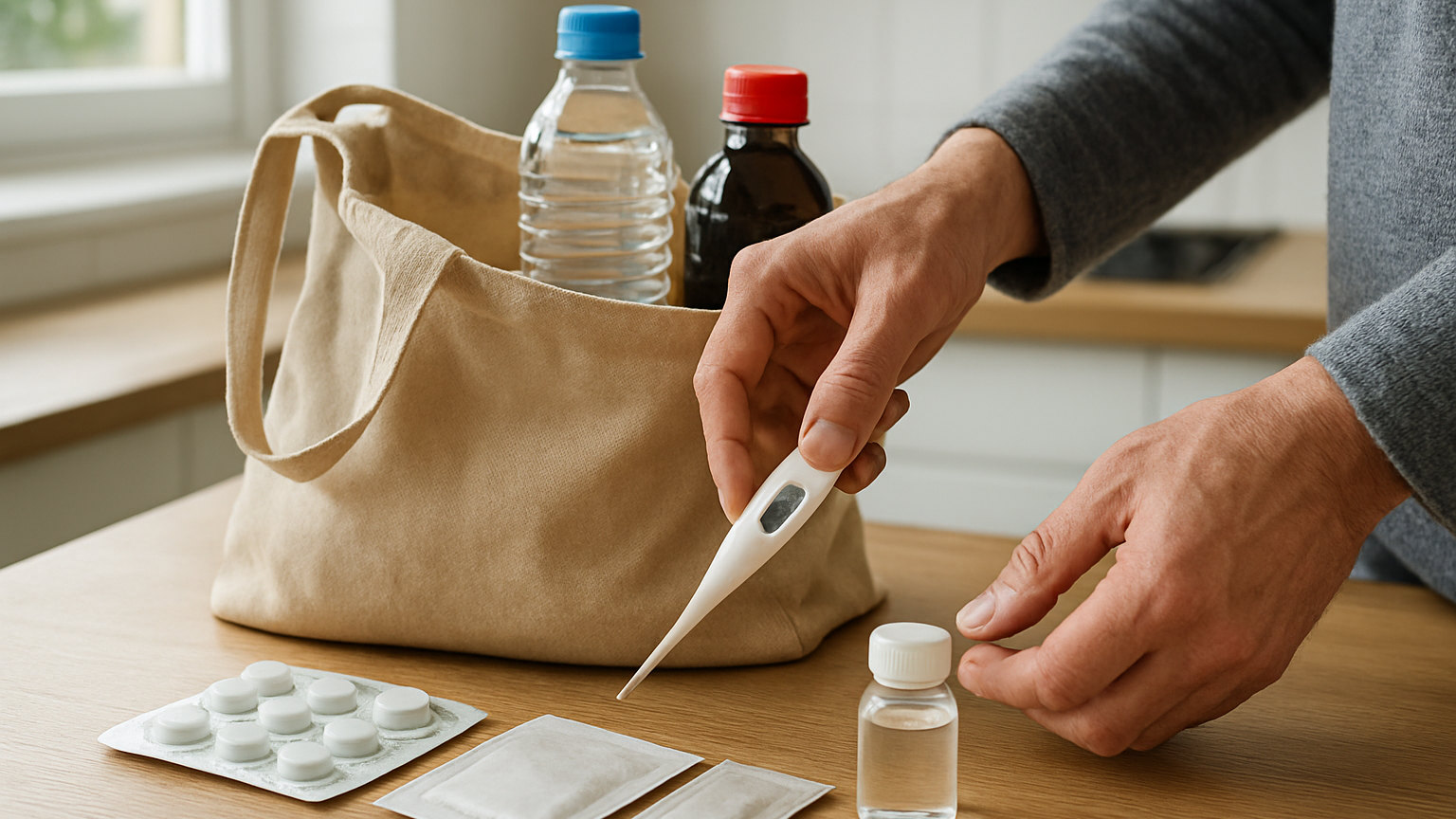
Paracetamol, a thermometer, rehydration sachets and fluids people will drink. The list is short and almost nobody has all of it when needed.
Turn back rather than pressing through smoke. Visibility drops to nothing without warning and vehicles collide with each other and with fire appliances.
Do not light anything on open land, take litter home, and observe restrictions during high risk periods. Prevention is almost entirely about individual behaviour.
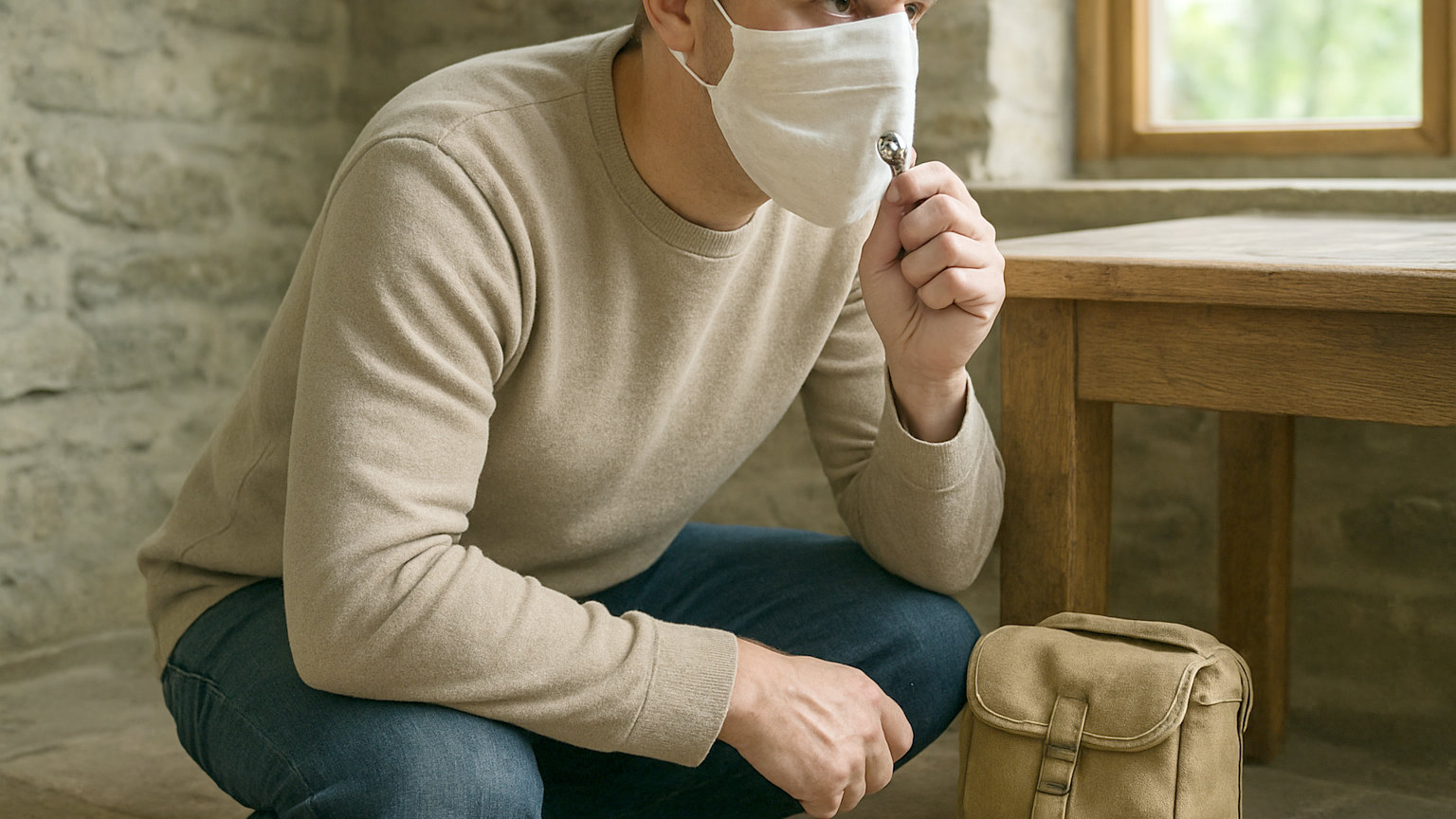
Protect your airway, conserve energy, and signal with sound rather than shouting. Rescue teams listen, and a whistle carries where a voice cannot.
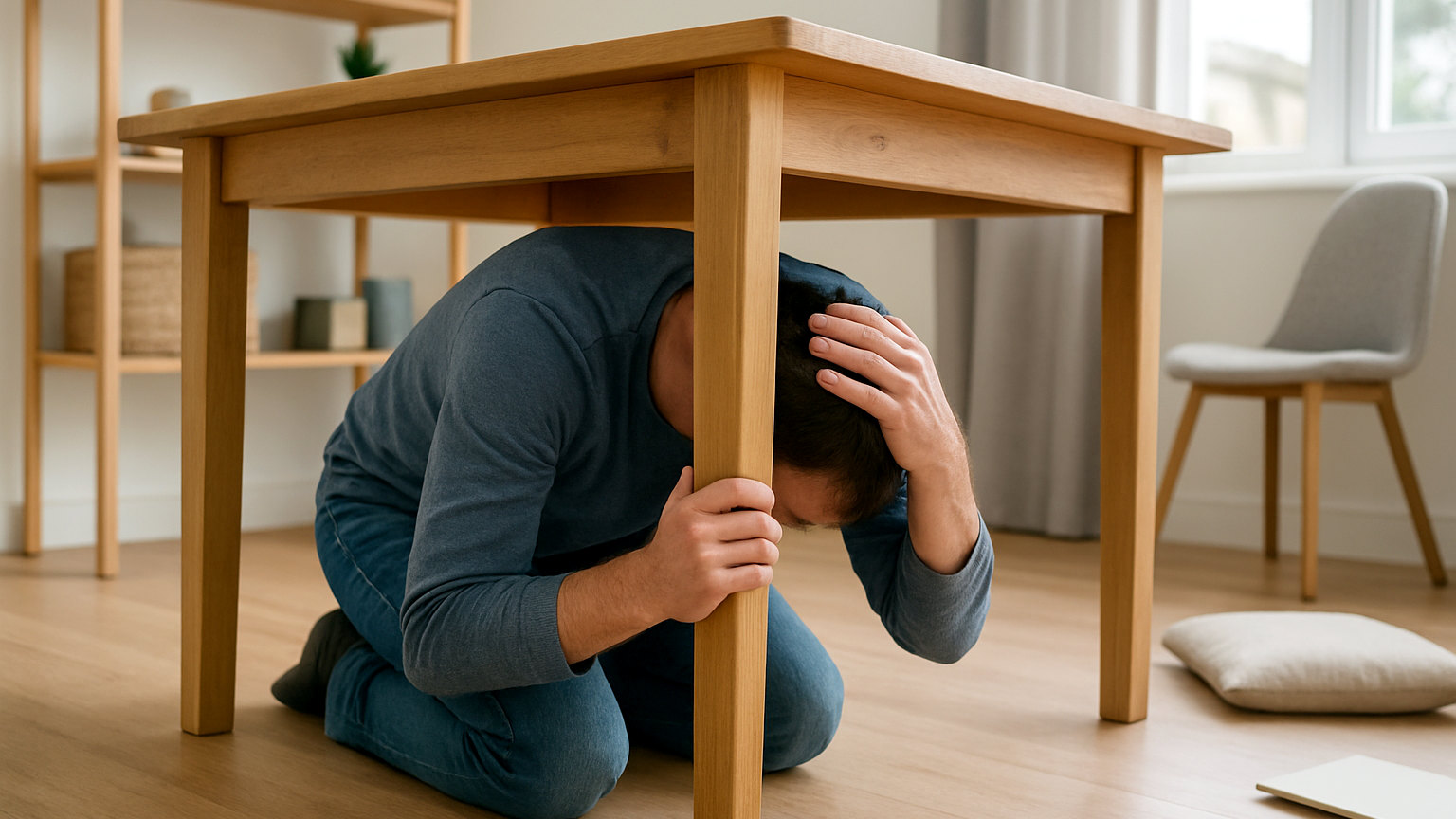
Because the main hazard in an engineered building is things falling on you, not the building falling down. The advice follows directly from the injury data.
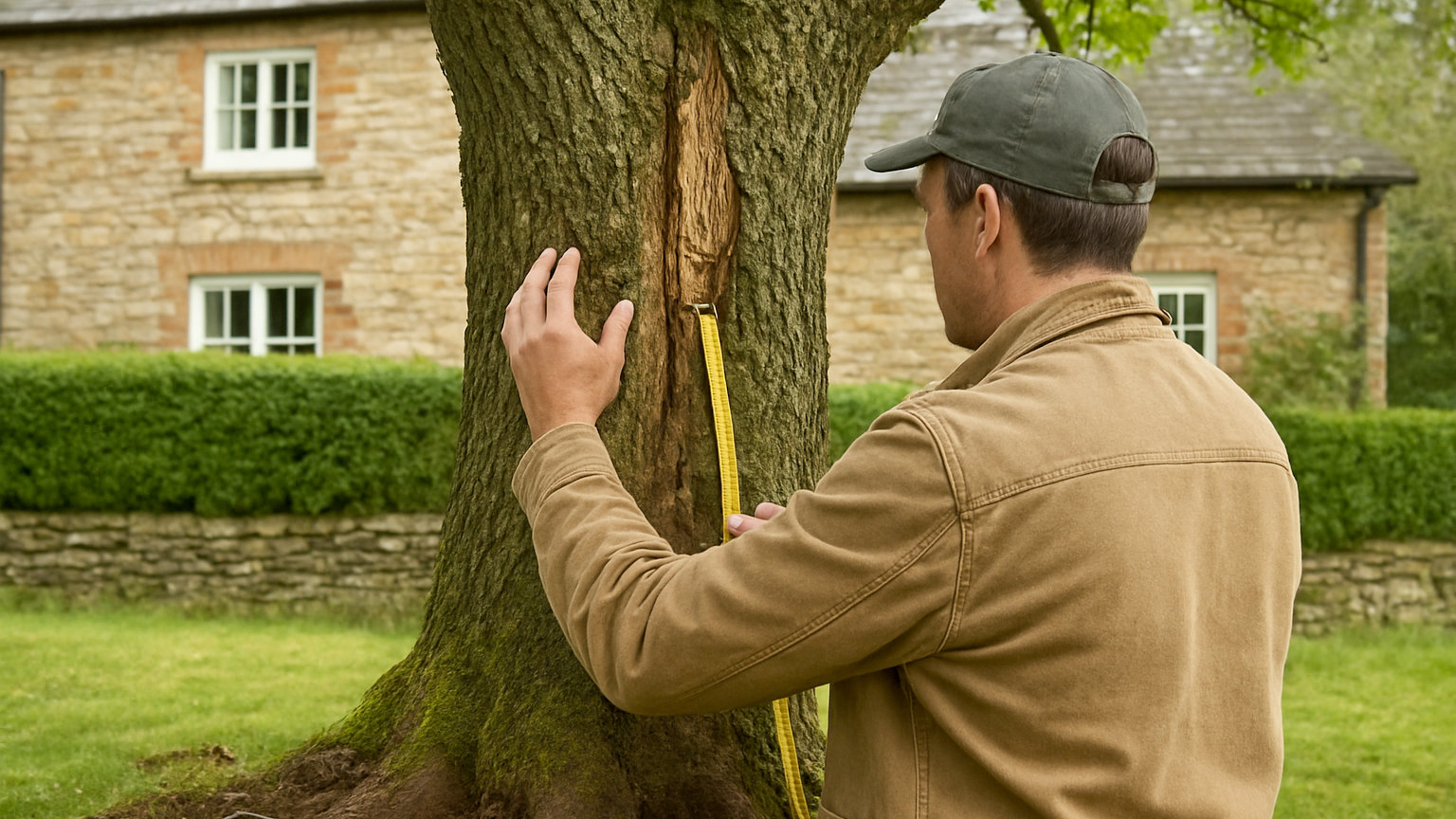
Owners have a duty to keep trees safe, and most trees are fine. Knowing the warning signs and the permission rules prevents both accidents and enforcement.
Stay inside, away from windows, and resist the urge to go out and fix something. Most storm injuries happen to people who went outside during the peak.
The longest part begins. Structural checks, utilities, contamination and the insurance claim all need handling before any cleaning starts.
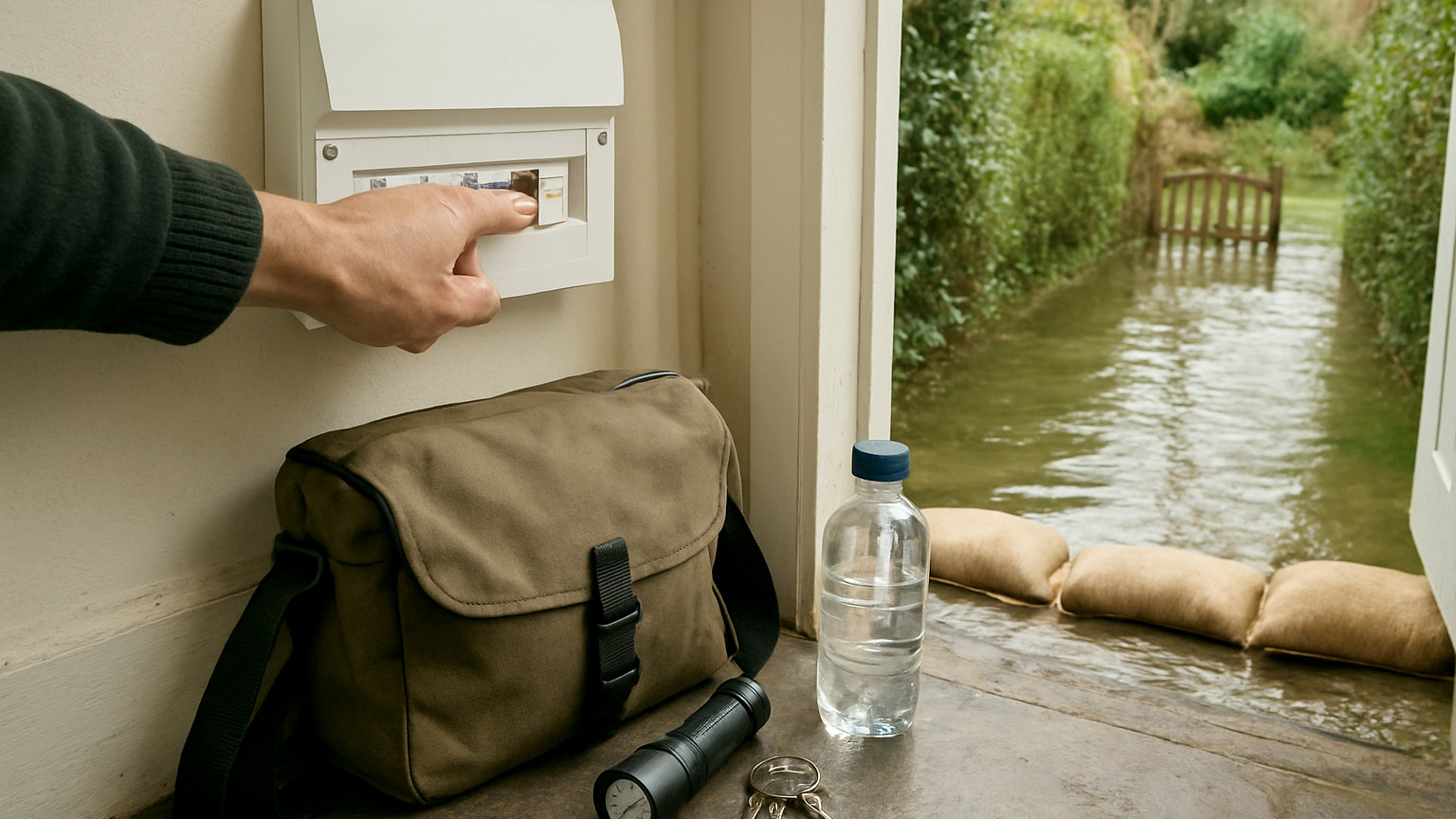
Move upward, turn off the utilities, and decide early whether you are leaving. The window between warning and water is usually shorter than people expect.
Food indoors and in packaging is generally fine, and restrictions apply to local produce and milk. Follow the specific advice rather than guessing.
Go in, stay in, tune in. Three words covering the response to any release of radioactive or chemical material, and the opposite of the instinct to leave.