What Should You Do If You See a Fire Starting
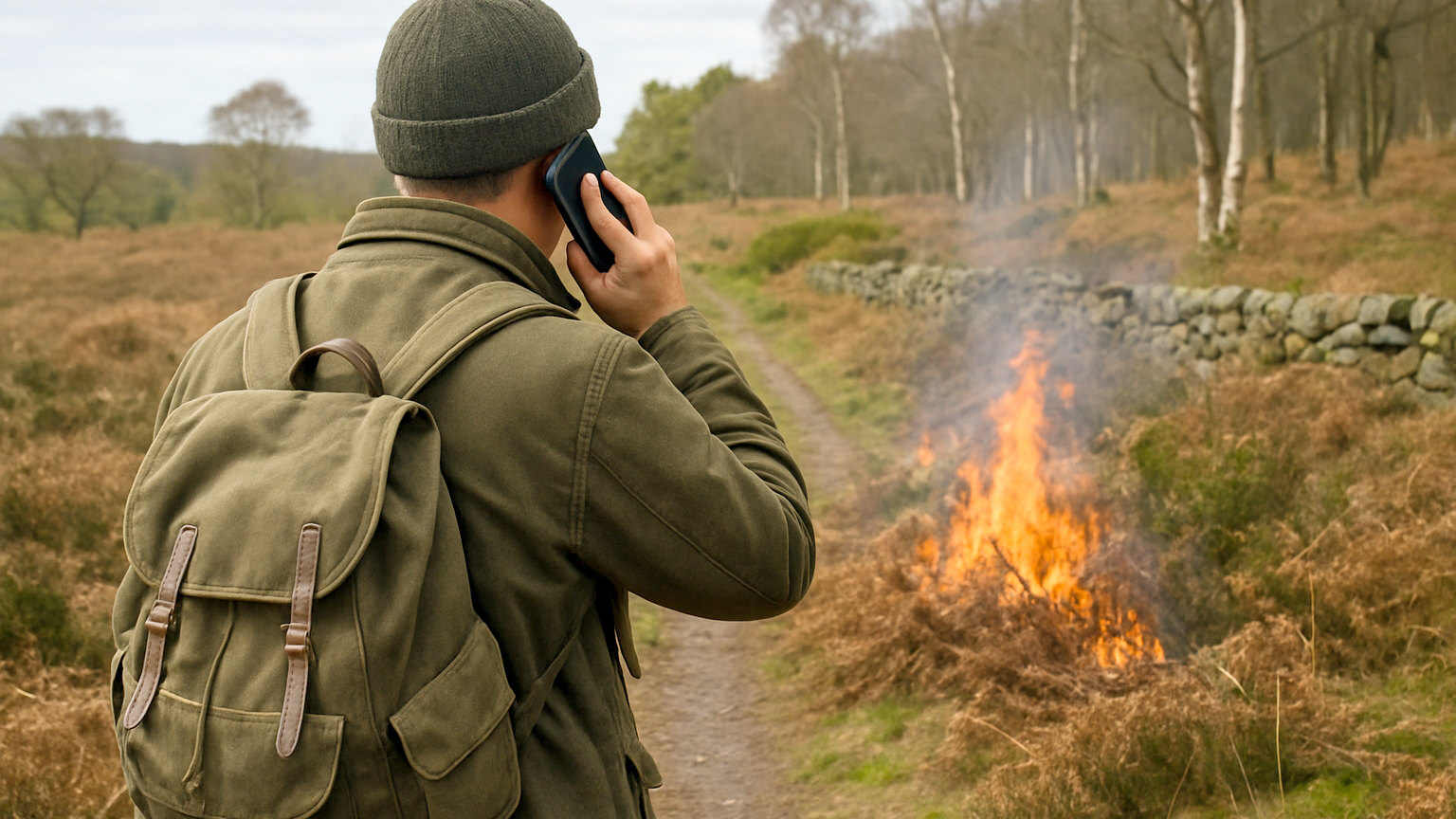
Call 999 with a precise location and get away from it. Small vegetation fires become large ones within minutes, and amateur firefighting kills people.
Disasters are survivable far more often than the coverage suggests, and the difference is usually made in the hours before one arrives rather than the moment it does. These guides follow official guidance from agencies that plan for this professionally, the Environment Agency, the Met Office, the coastguard and local resilience forums, and set out what to do at each stage. They deal in what is known and what is advised, not in worst-case speculation, because a household that is frightened into doing nothing is no better prepared than one that never read anything.
Call 999 with a precise location and get away from it. Small vegetation fires become large ones within minutes, and amateur firefighting kills people.
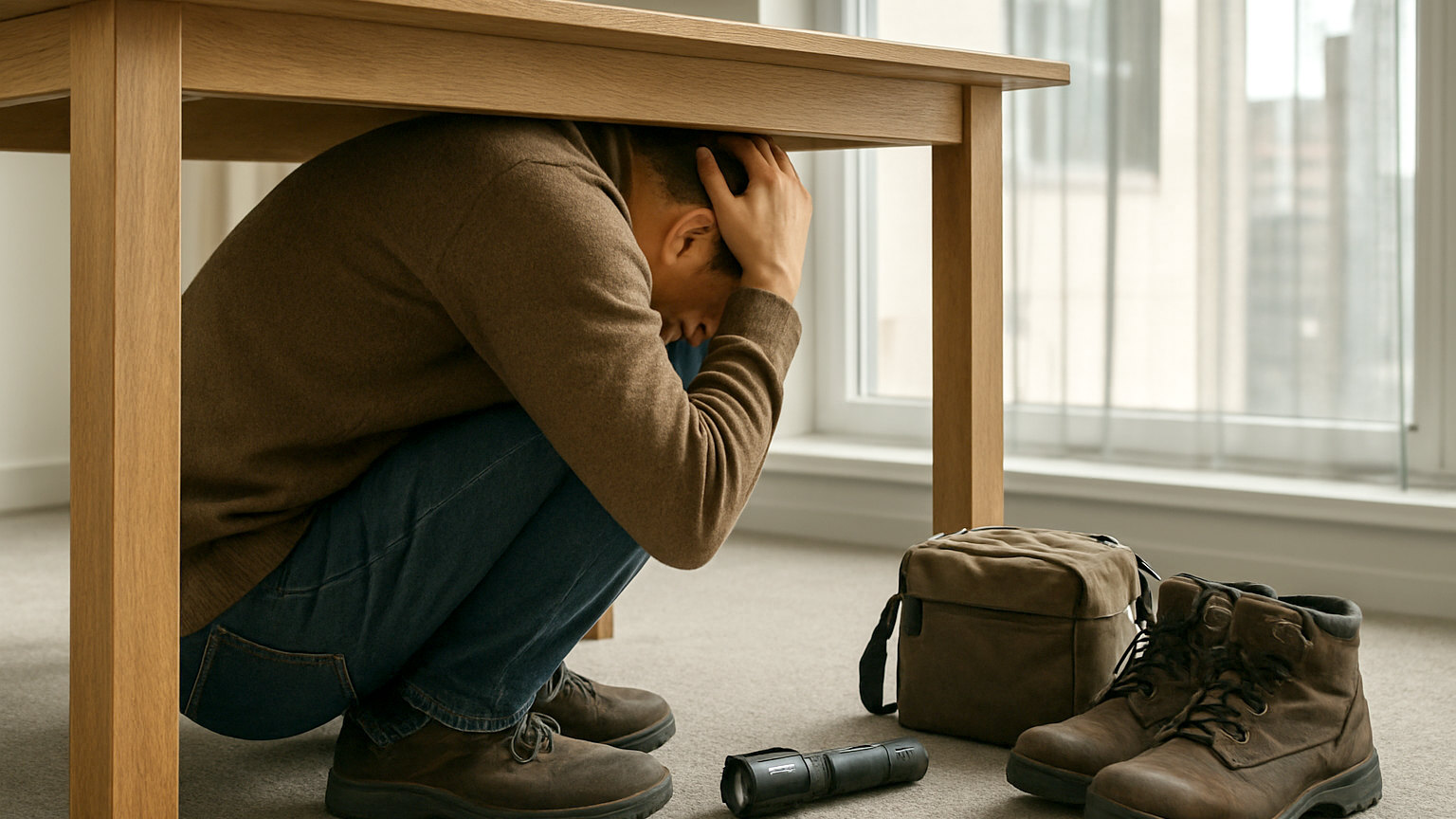
Stay where you are during shaking, never use the lift, and expect the building to move a great deal. Modern towers are designed to sway rather than resist.
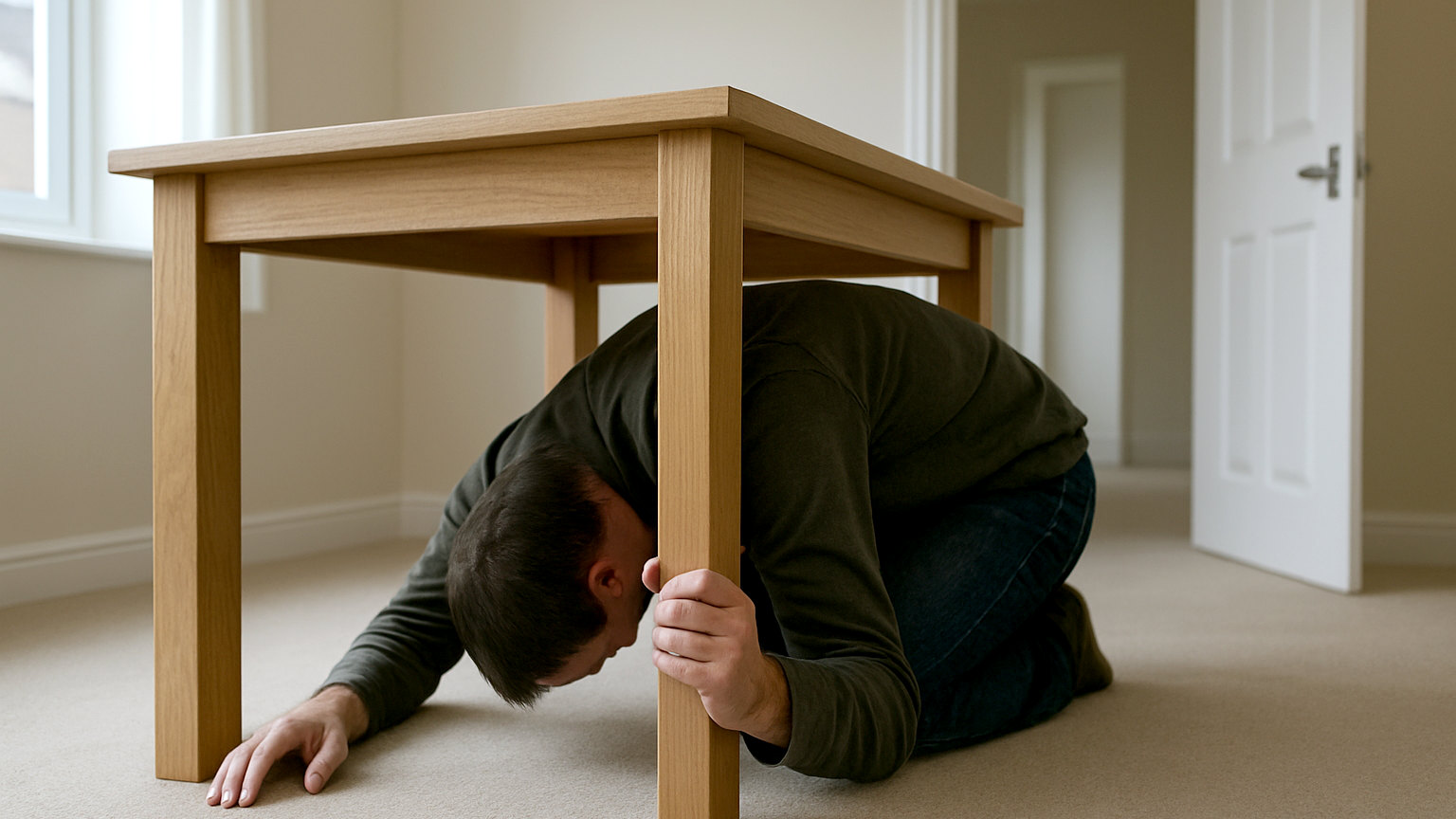
The advice comes from adobe buildings where the doorframe was the only thing left standing. In a modern building a doorway offers no protection at all.
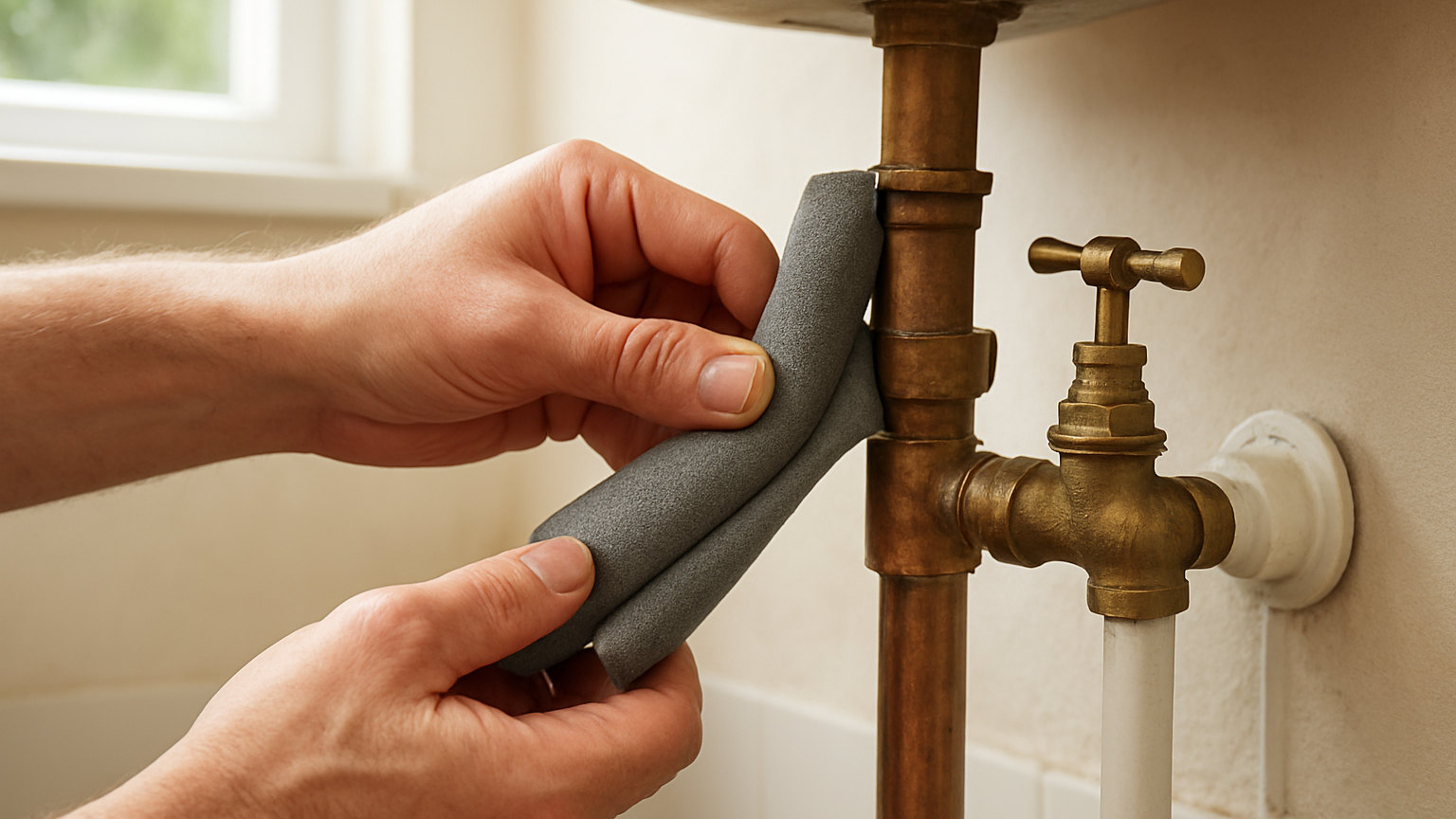
Lag the pipes, know where the stopcock is, and keep a low background heat. Burst pipes cause more household damage in a freeze than anything else.
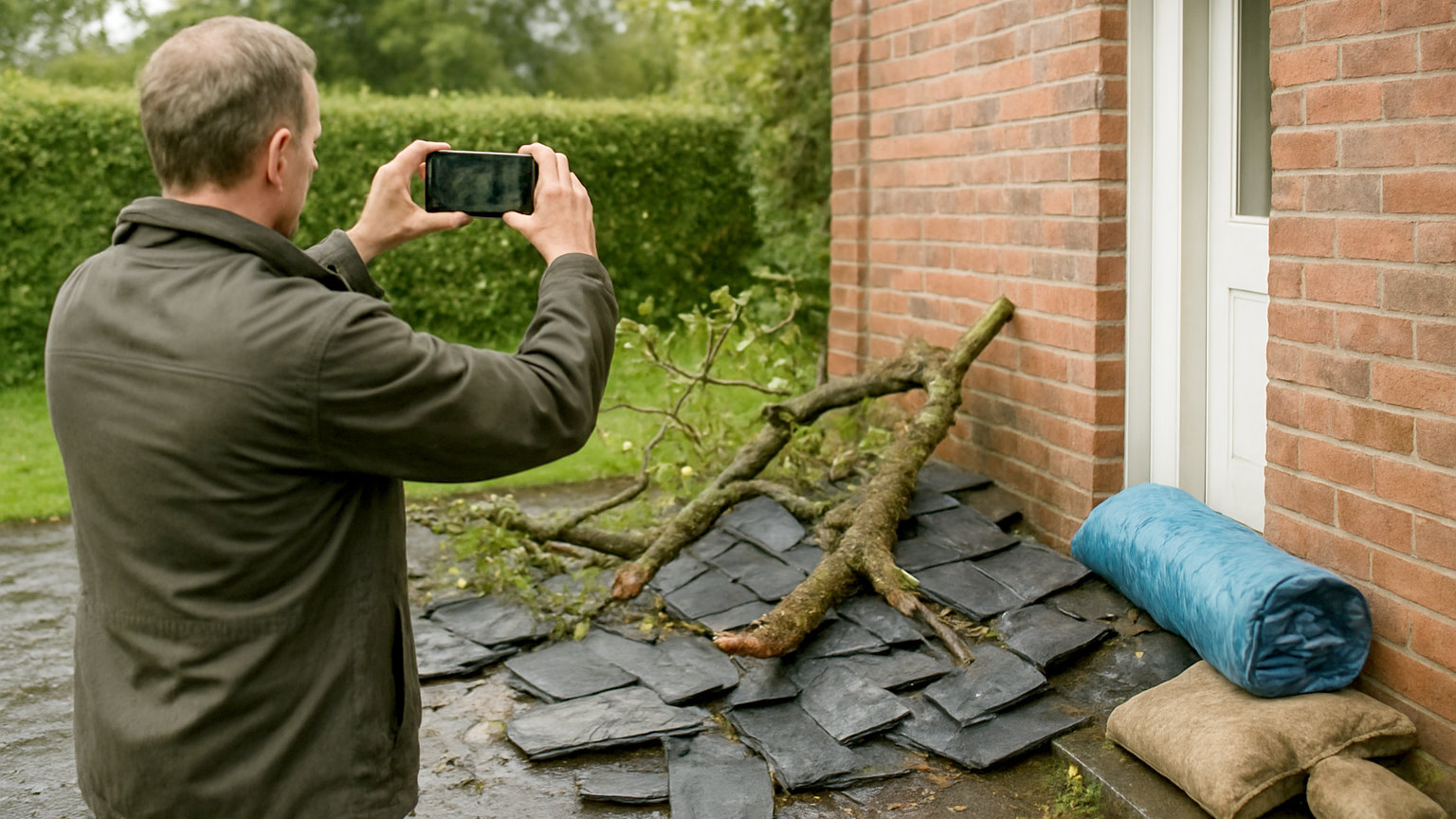
Photograph before touching, prevent further damage, and stay off the roof. Most storm claims are straightforward and most roof injuries are avoidable.
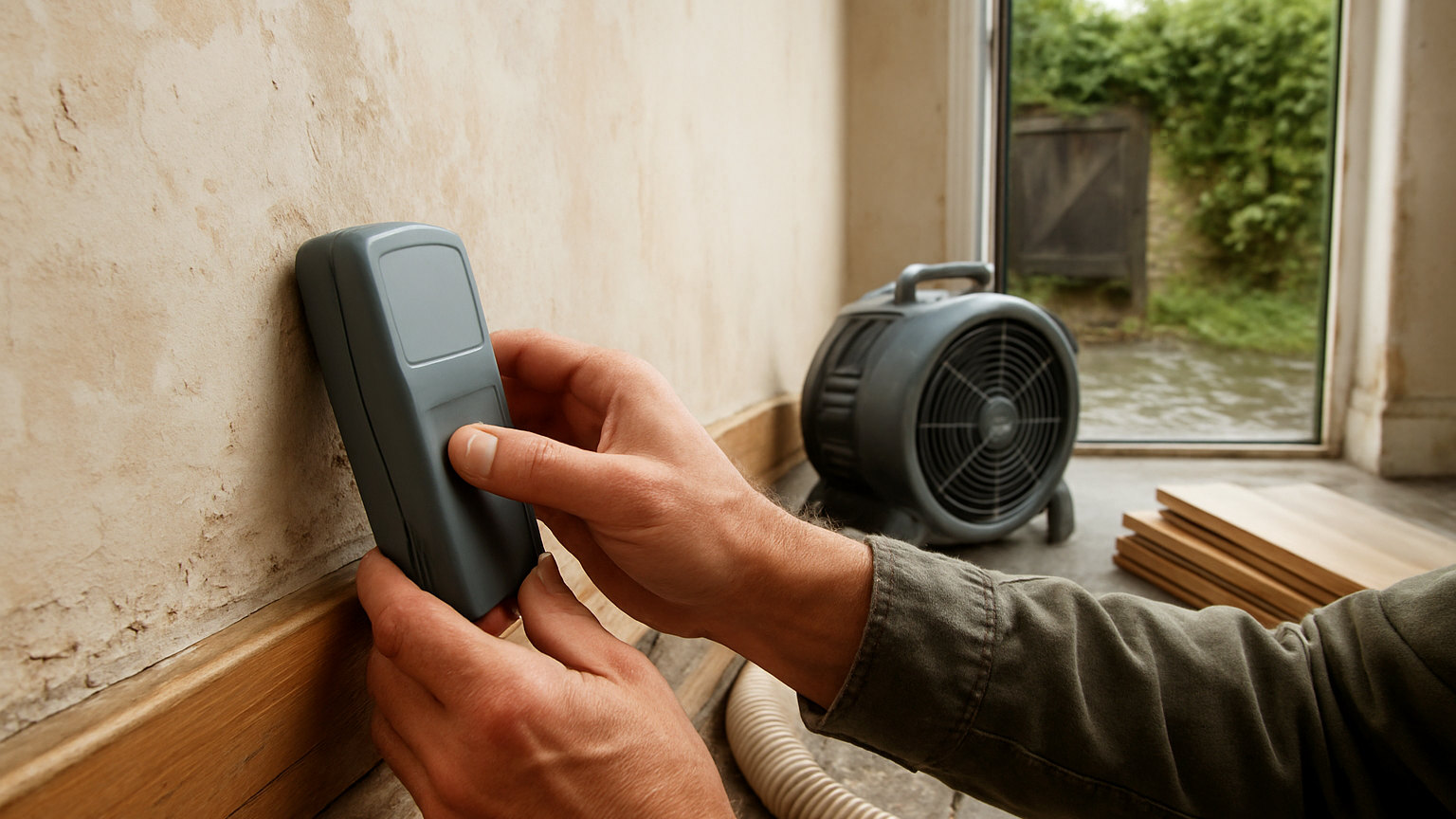
Months rather than weeks, and redecorating early causes a second round of damage. Moisture readings rather than appearance decide when it is done.
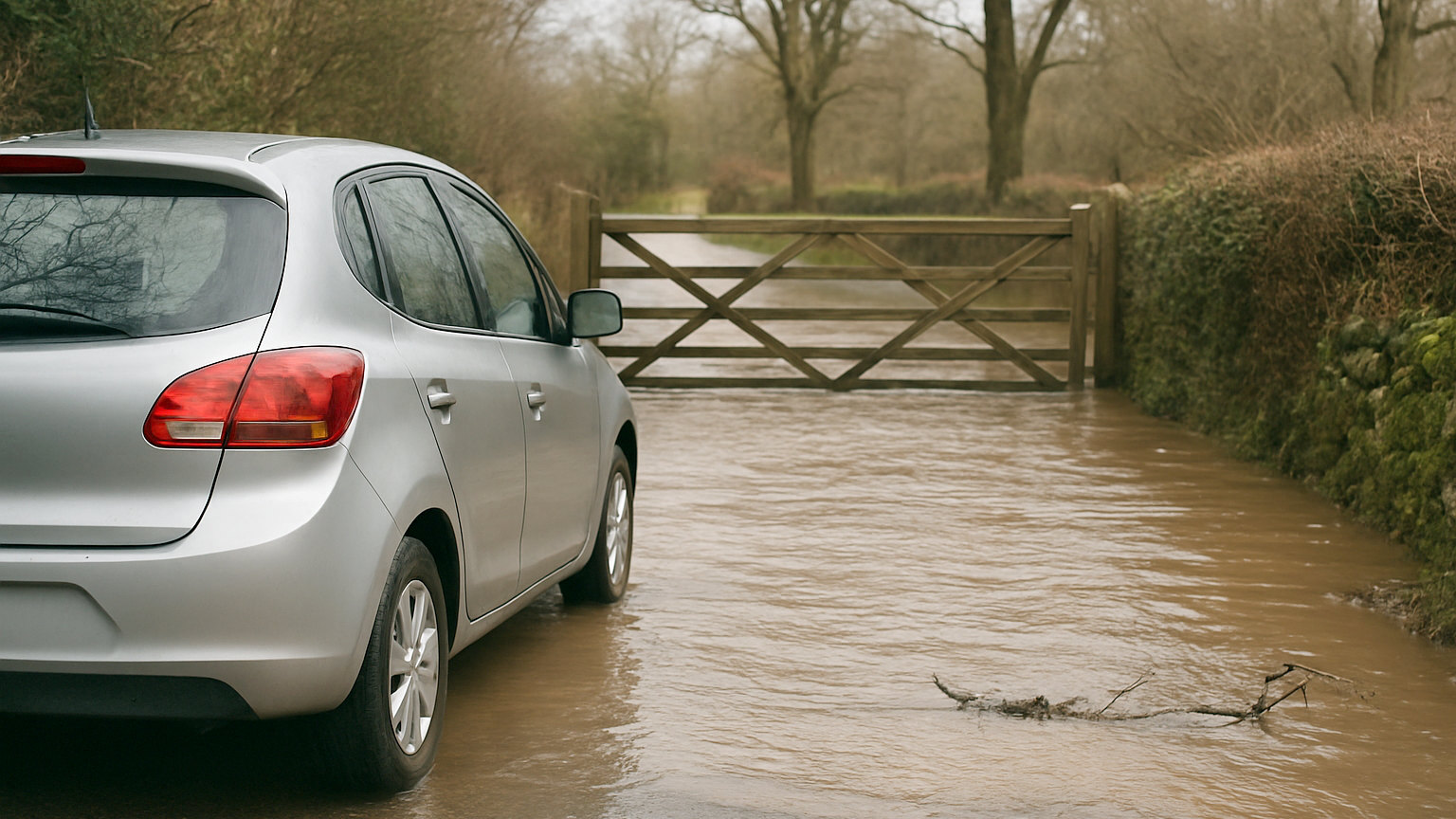
Thirty centimetres of moving water floats most cars, the road beneath may have gone, and vehicles are involved in a large share of flood deaths.
Monitoring, restrictions and a long recovery phase. The immediate emergency is short and the arrangements that follow can run for months.
Energy released by unstable atoms, present everywhere at low levels. The distinction between contamination and exposure is what most advice depends on.
Patchy shortages of specific items rather than empty shops. Recent British experience suggests demand behaviour causes more disruption than supply failure does.
Leave the area, do not engage, and do not stop to film. Almost everyone hurt in public disorder was closer to it than they needed to be.
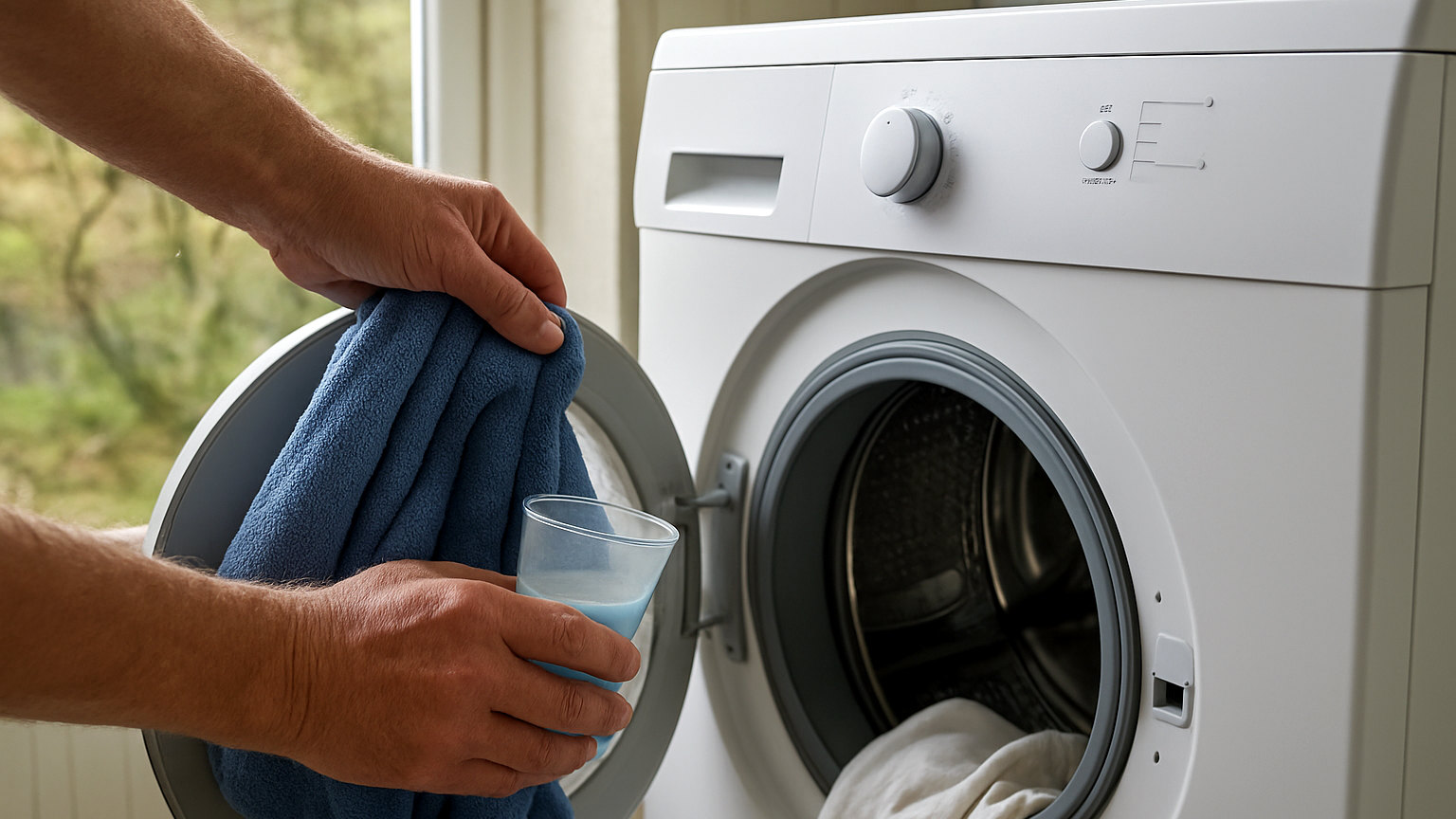
Normal detergent on high touch surfaces and the hottest suitable wash for laundry. Elaborate disinfection regimes do far less than people assume.