Roads near a wildfire become dangerous in a way that is difficult to anticipate, because the hazard is not the fire but what it does to visibility and to other drivers.
What is the main danger?
Smoke reducing visibility to almost nothing, suddenly. A road that is clear can be in dense smoke within a few hundred metres as the wind shifts, and drivers brake, stop or turn in the middle of the carriageway. Collisions in smoke, including with stationary vehicles and fire appliances, are a well documented cause of wildfire casualties.
What should you do if you meet smoke?
Slow down immediately, put on headlights and hazard lights, and turn back if you can do so safely. Do not press on hoping it will clear. If you must continue, drive at walking pace, keep to your side, and be aware that vehicles ahead may be stopped. Close windows and set ventilation to recirculate to keep smoke out of the cabin.
- Turn back rather than driving into thick smoke
- Headlights and hazard lights on, windows closed, recirculate
- Expect stationary vehicles and emergency appliances
- Obey road closures rather than looking for a way around
- Never drive toward a fire for a better view
- If trapped, stay in the vehicle rather than running
Why obey closures?
Because roads are closed for reasons that are not visible from where you are, and because emergency access matters. A road open at one end may be cut at the other, and a driver looking for a way around a closure can end up between two fire fronts. Closures also keep routes clear for appliances and for people evacuating.
What if you become trapped?
Stay in the vehicle. Park in the clearest area available away from vegetation, ideally on bare ground, a road surface or a large car park. Close all windows and vents, turn off the ventilation, keep the engine running so you can move if needed, and put on hazard lights. Get below the window line and cover yourself with a wool blanket or natural fibre clothing.
Do cars explode?
No, despite the impression films give. Fuel tanks in modern vehicles do not explode as a fire front passes, and the vehicle body provides substantial protection from radiant heat, which is what causes burns. Occupants who stayed in vehicles have survived fire fronts, while those who ran into the open have not. Tyres and plastics may burn, and the passenger compartment is the safest place available.
What should you avoid in the car?
Synthetic clothing, which melts against skin under radiant heat. Long sleeves and trousers in cotton or wool are far better. Also avoid parking under trees, beside hedges or in long grass, all of which will burn. Move to the largest clear area you can reach rather than stopping where you first encounter smoke.
What about the fire appliances?
Give them room and do not follow them. Appliances need to move quickly and turn in confined spaces, and rural roads near a fire become congested with vehicles that should not be there. Pull over safely to let them past, do not park where you would block a track or a gateway, and leave the area rather than watching.
What should you do before setting off?
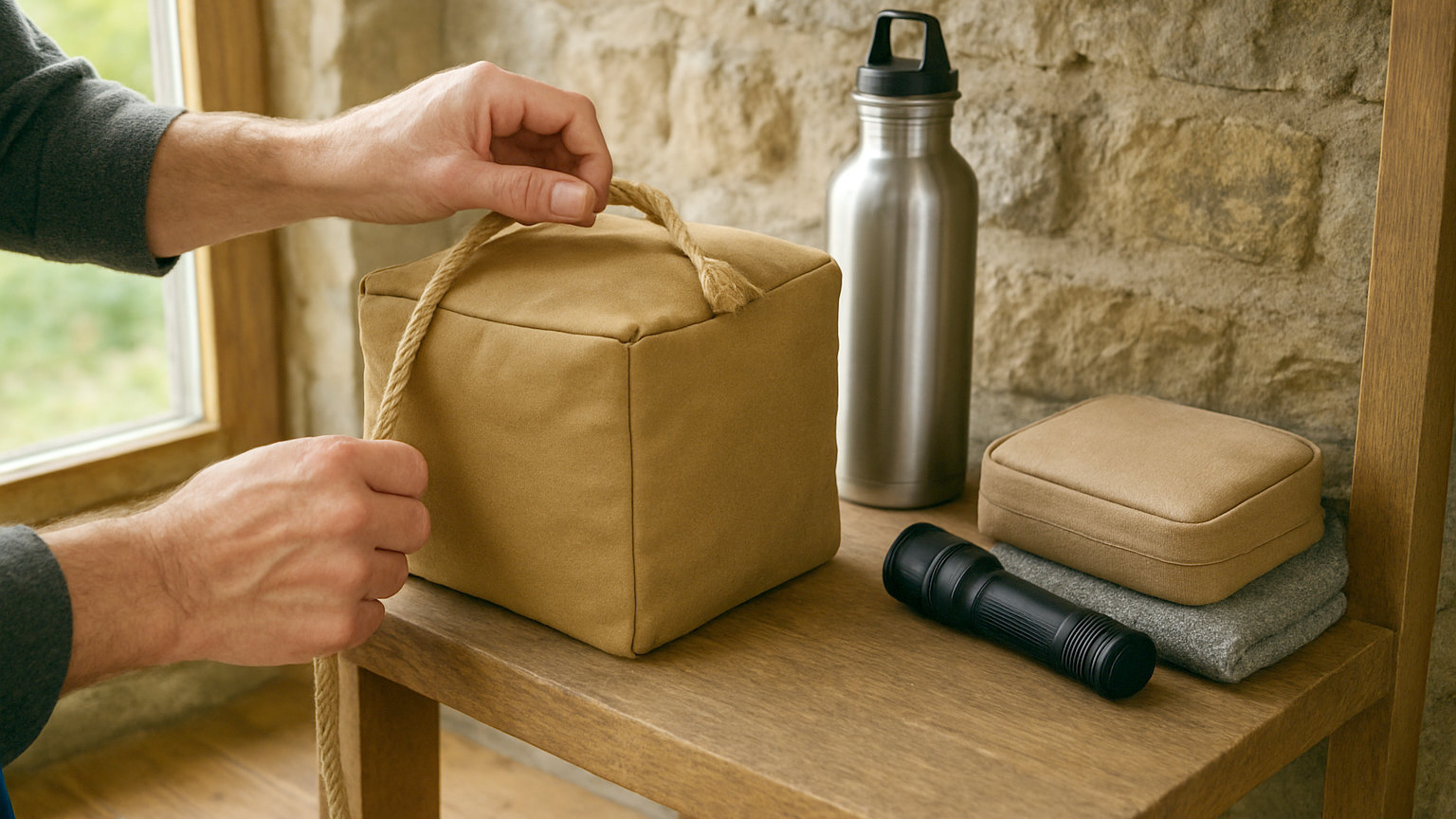
Check for warnings and closures if there is a known fire in the area, and plan a route that avoids it. Keep the fuel tank reasonably full during high risk periods in rural areas, since diversions can be long and stations may be inaccessible. Carry water, a torch and a blanket, which is sensible year round.
What should you do about the ventilation?
Close the vents and set it to recirculate before you reach the smoke rather than after. Modern ventilation draws outside air continuously unless recirculation is selected, so a cabin fills quickly, and the fan pulls smoke in even with the windows shut. Doing it early keeps the cabin considerably clearer, which matters for both breathing and for the concentration you need to drive in poor visibility.
Turn back from smoke rather than pressing through, obey closures, stay in the vehicle if trapped, and give fire appliances room to work.