Because British wildfires are overwhelmingly started by people, prevention is unusually effective. It consists almost entirely of not doing a small number of specific things.
What should you never do on open land?
Light a fire of any kind, use a disposable barbecue, release a sky lantern, or leave a stove unattended. There is no general right to light a fire in England and Wales, and byelaws in national parks, on National Trust land, on nature reserves and on most commons prohibit it explicitly. Scotland permits small fires under the access code with conditions, and those conditions exclude peat and high risk periods.
What about camping stoves?
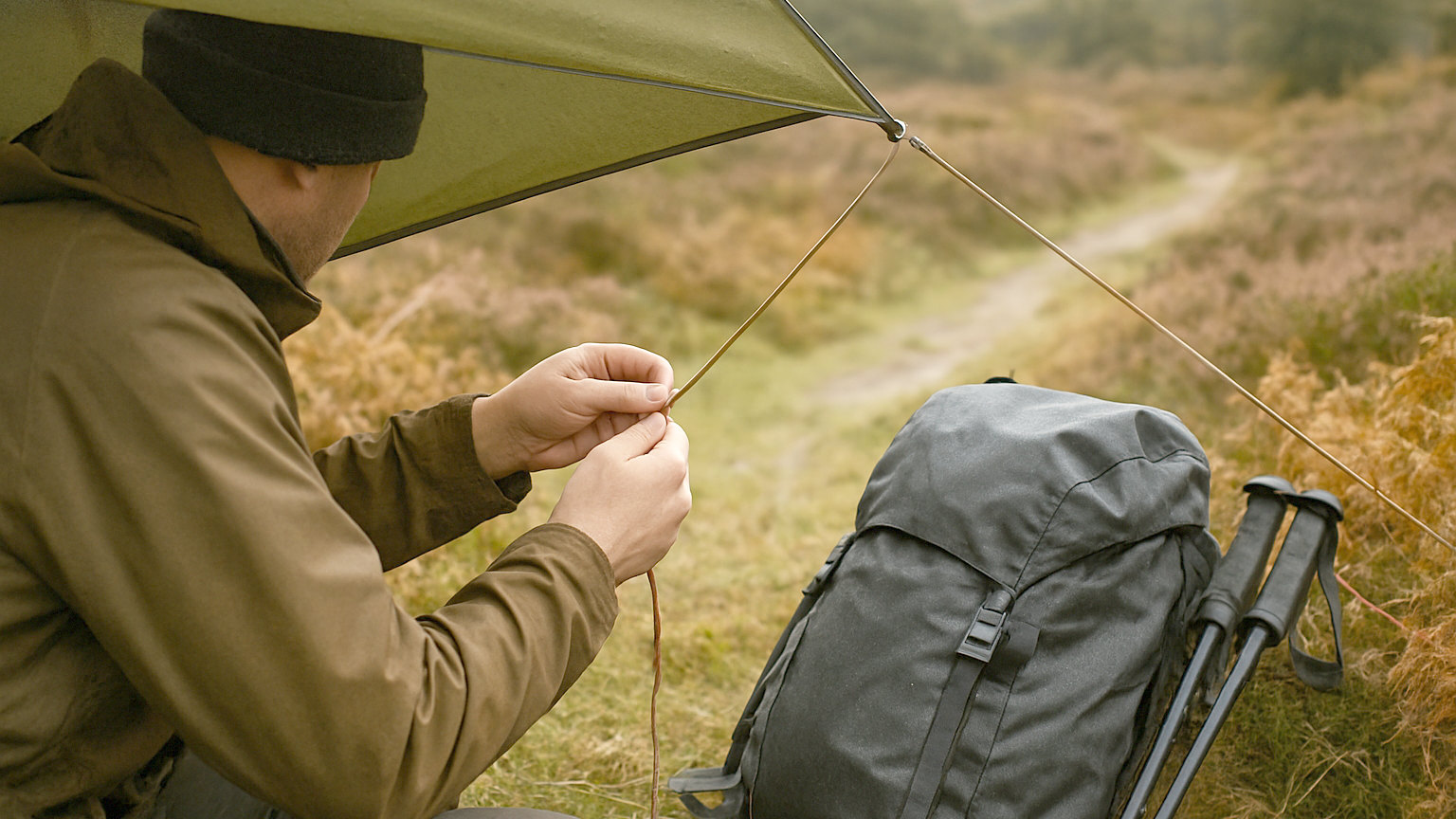
Usable with care and not on peat or in dry vegetation. A stove on a bare rock, a gravel patch or a proper stand is far safer than one sitting in dry grass. Never leave one unattended, keep water to hand, and reconsider entirely during high fire severity periods. Wild camping etiquette in Scotland specifically discourages fires and encourages stoves for exactly this reason.
- Never light a fire or use a disposable barbecue on open land
- Never release sky lanterns
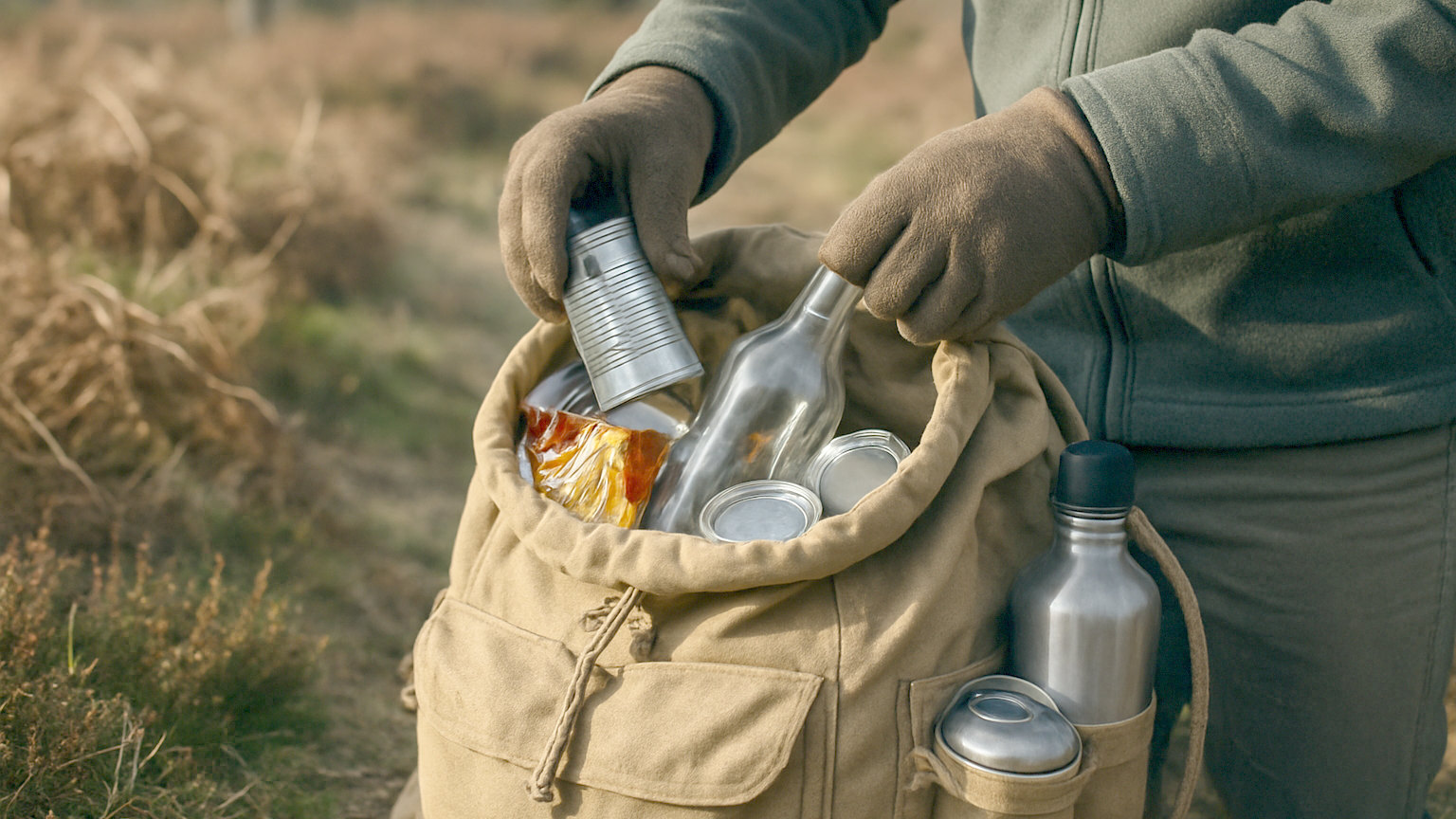
- Take all litter home, including cigarette ends
- Use stoves on bare ground, never on peat or dry vegetation
- Observe access restrictions during high fire severity
- Do not park on dry grass, where hot exhausts ignite it
What about cigarettes?
Take them home. A discarded cigarette in cured grass or heather ignites readily, and grinding one out in dry vegetation does not reliably extinguish it. Portable ashtrays cost almost nothing. Throwing one from a car window is both an offence and a recognised cause of verge and embankment fires, which then spread into adjoining land.
What about vehicles?
Do not park on dry grass. Catalytic converters and exhaust systems reach temperatures well above the ignition point of dry vegetation, and vehicle related ignition of verges and parking areas is a known cause. Park on hard standing, and be aware that this applies to motorcycles and to machinery such as mowers and strimmers used in dry conditions.
What about garden bonfires?
Reconsider them entirely in dry weather, particularly if you adjoin open land. Bonfires escape, embers travel a long way, and a fire that would be harmless in November can run into a neighbouring field in July. Check whether the local authority has issued advice, keep water to hand, never leave one unattended, and do not burn in high wind.
What are fire severity restrictions?
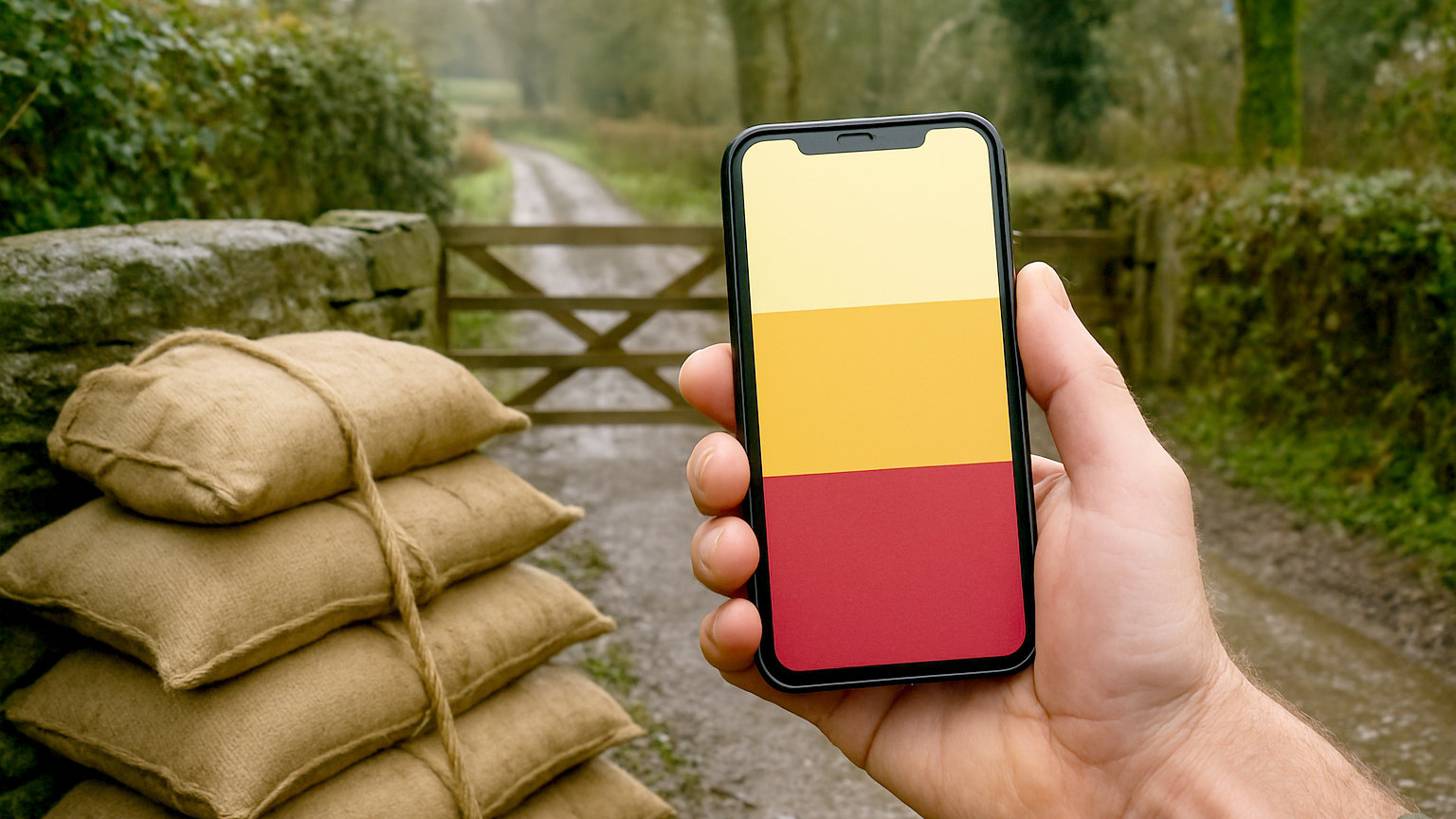
Formal closures of access land triggered by the Fire Severity Index reaching exceptional levels, under countryside access legislation. When they apply, the right of access is suspended for the area concerned. Land managers, national parks and fire services also issue their own advisories and closures. They exist because the presence of people is itself the risk factor.
What should you do if you see something risky?
Say something if it is safe to, and report it if not. A polite word about a barbecue on a hillside is frequently effective, since most people simply do not know. If someone is uncooperative or a fire has already been lit in a dangerous place, call 999 rather than attempting to intervene, and report deliberate fire setting through the police or Crimestoppers.
Does any of this really matter?
Yes, measurably. Fire services attribute the reduction in some categories of wildfire to public messaging and retailer action on disposable barbecues, and closures during high severity periods reduce ignitions. Because the cause is behavioural, behaviour genuinely changes the outcome, which is not true of most natural hazards.
What about photography and drones?
Keep well away from active fires. Drones flown near a wildfire ground firefighting aircraft, since helicopters and fixed wing water bombers cannot operate safely with an unidentified aircraft in the area, and incidents abroad have suspended operations for hours. Flying a drone near an emergency incident is also an offence. Photographing from a distance is fine and approaching for a better view is not.
Light nothing on open land, take cigarette ends home, keep vehicles off dry grass, and observe closures during high fire severity periods.