How Do You Know If You Are at Flood Risk
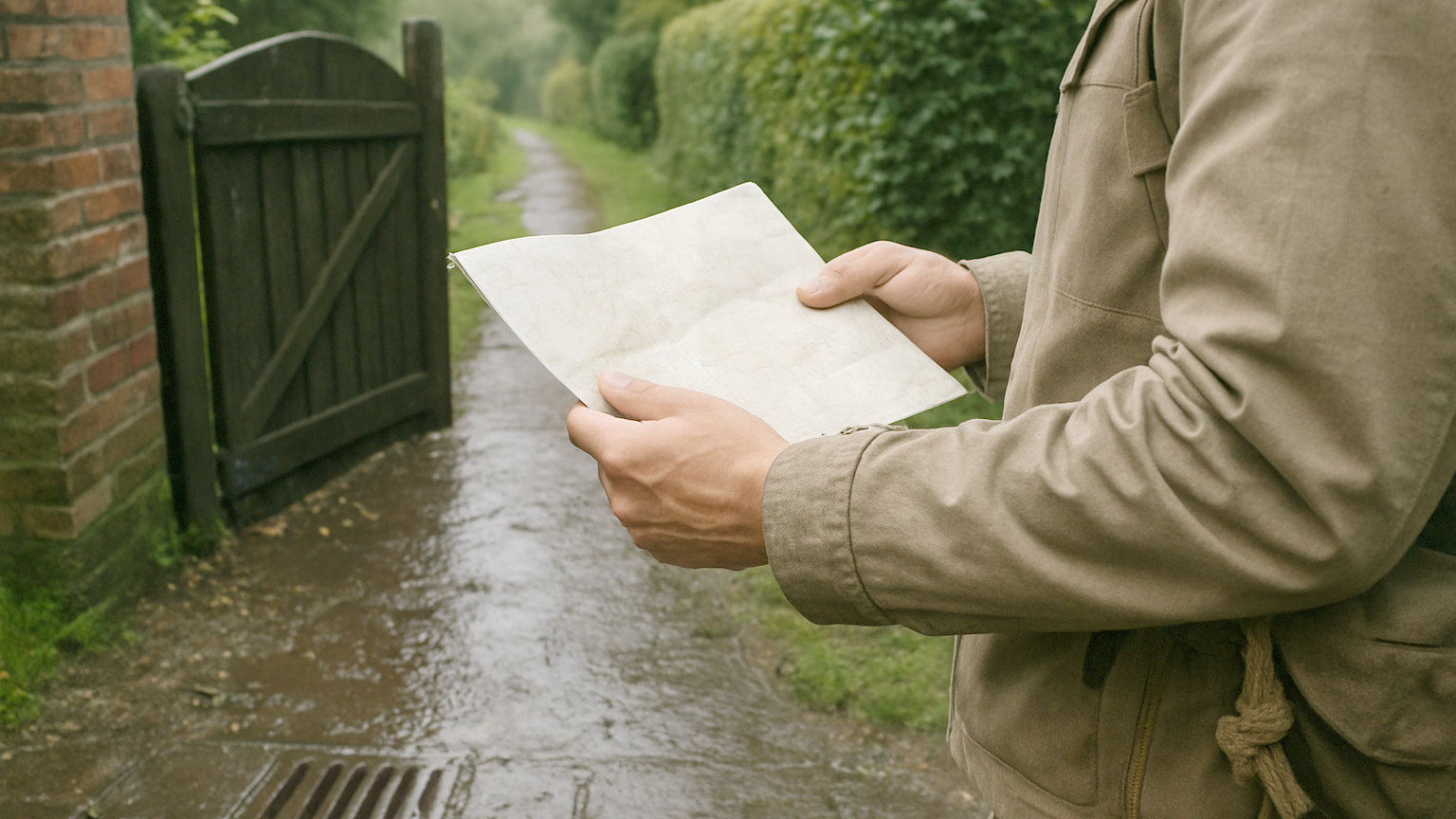
Check the official maps for your postcode, and check all four types. Surface water is the most widespread risk and the one people least expect.
By Survival Basics Team
22 Apr 2026

Disasters are survivable far more often than the coverage suggests, and the difference is usually made in the hours before one arrives rather than the moment it does. These guides follow official guidance from agencies that plan for this professionally, the Environment Agency, the Met Office, the coastguard and local resilience forums, and set out what to do at each stage. They deal in what is known and what is advised, not in worst-case speculation, because a household that is frightened into doing nothing is no better prepared than one that never read anything.
Check the official maps for your postcode, and check all four types. Surface water is the most widespread risk and the one people least expect.
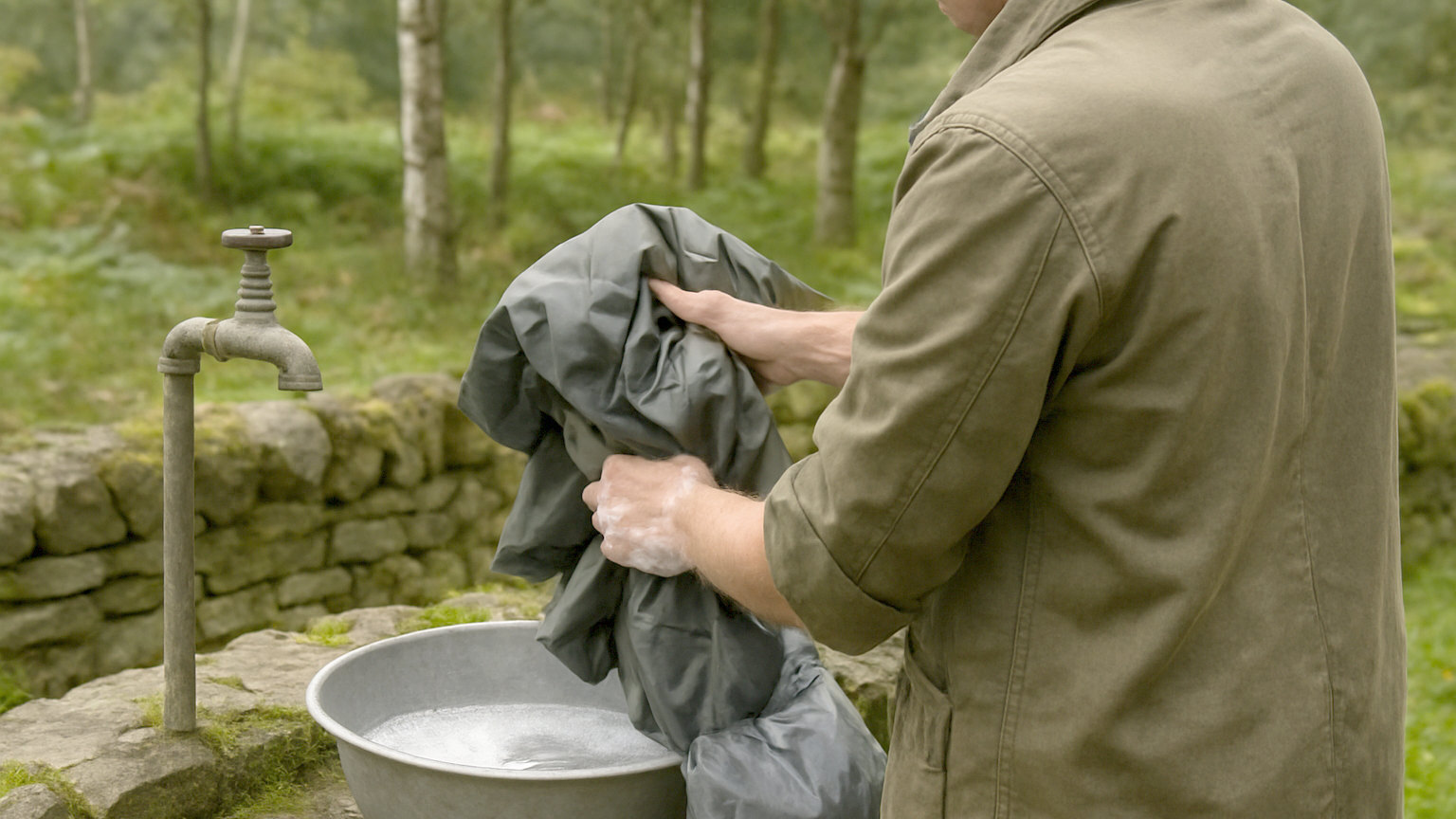
Remove outer clothing and wash. Taking off what you were wearing removes the great majority of any contamination, and it takes seconds.
Honest simple answers, limited news exposure and unchanged routines. Children take their cue from the adults around them more than from the event itself.
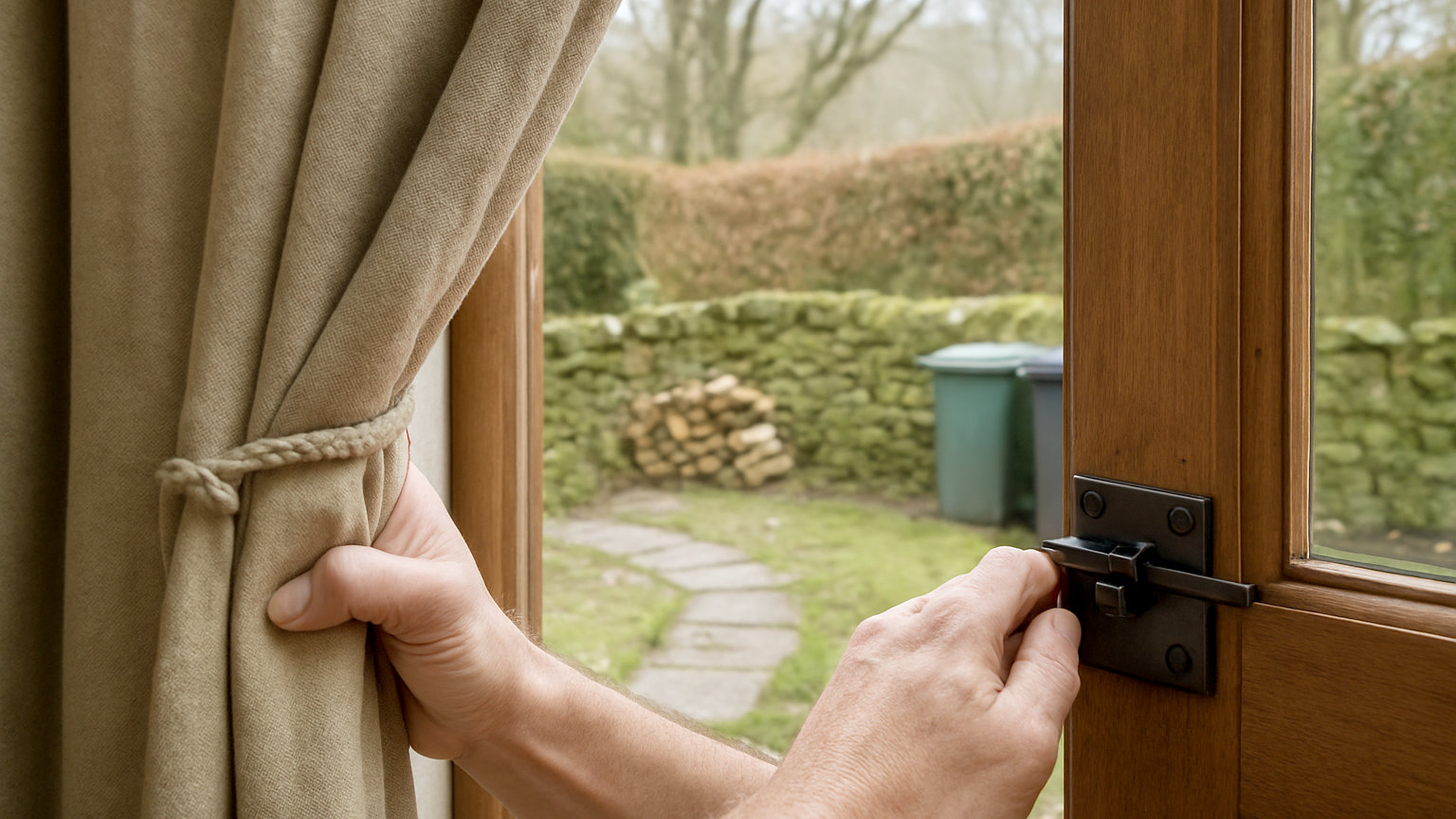
Lock up, close curtains, remove anything burnable from outside, and stay in. Property is insured and confrontation is not survivable in the same way.
Routine, a defined space and a clear end to the day. The technology is rarely the problem and the boundaries almost always are.
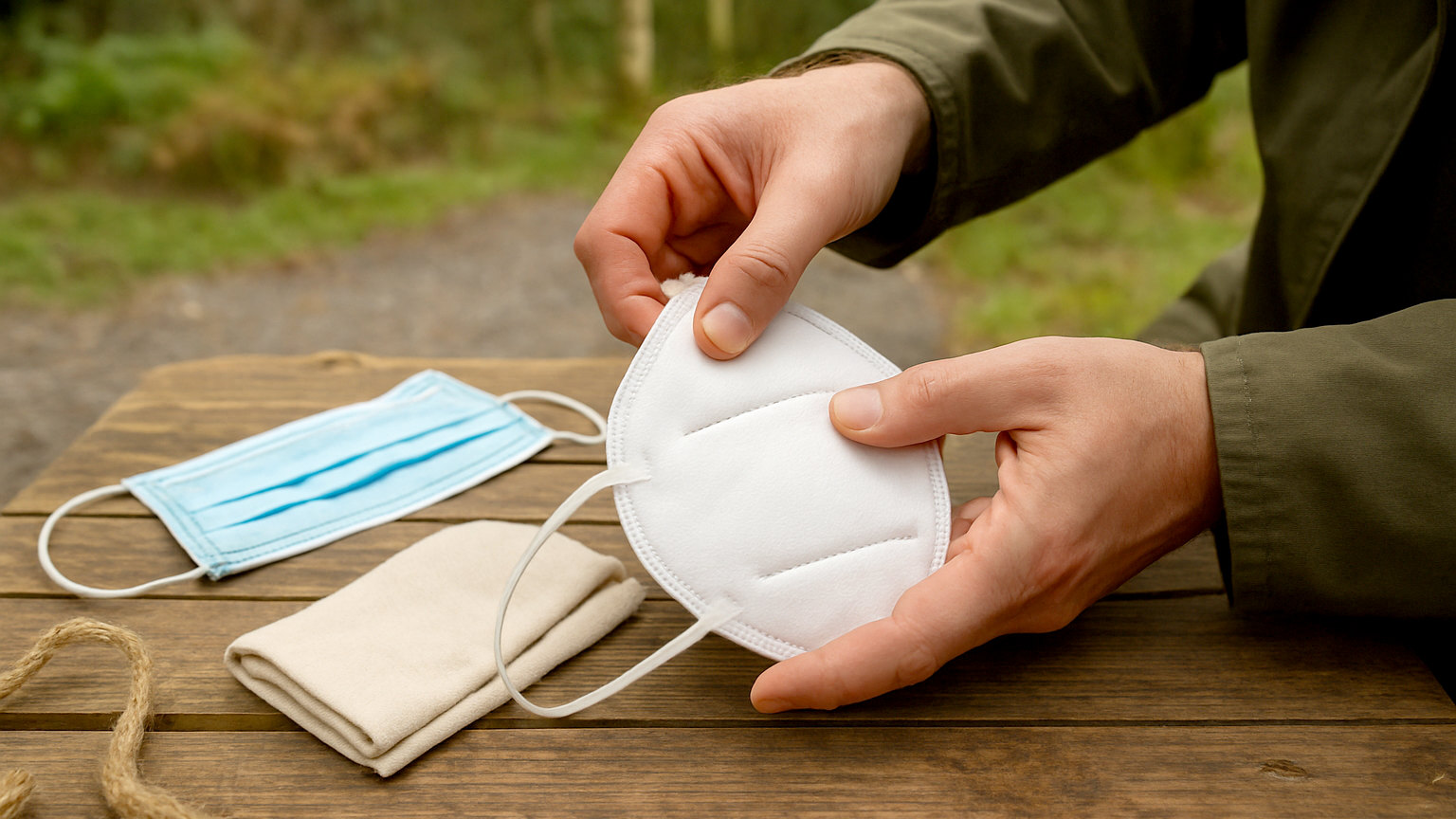
Respirators filter considerably better than surgical masks, and fit matters as much as the rating. A well fitted FFP2 is a different product from a loose cloth covering.
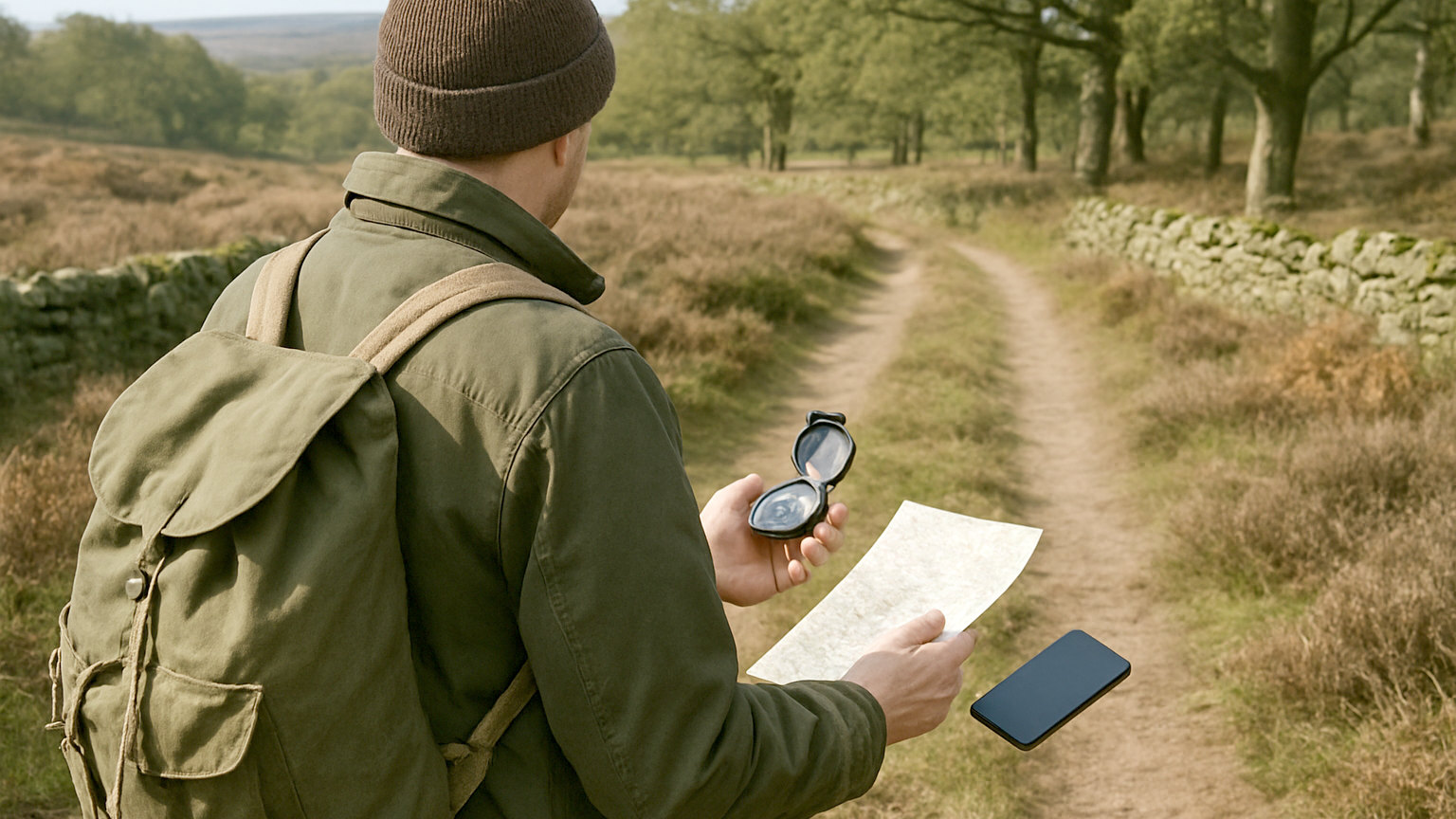
Check for closures, know your escape routes, and be able to report your position accurately. Fire moves fastest exactly where walkers like to be.
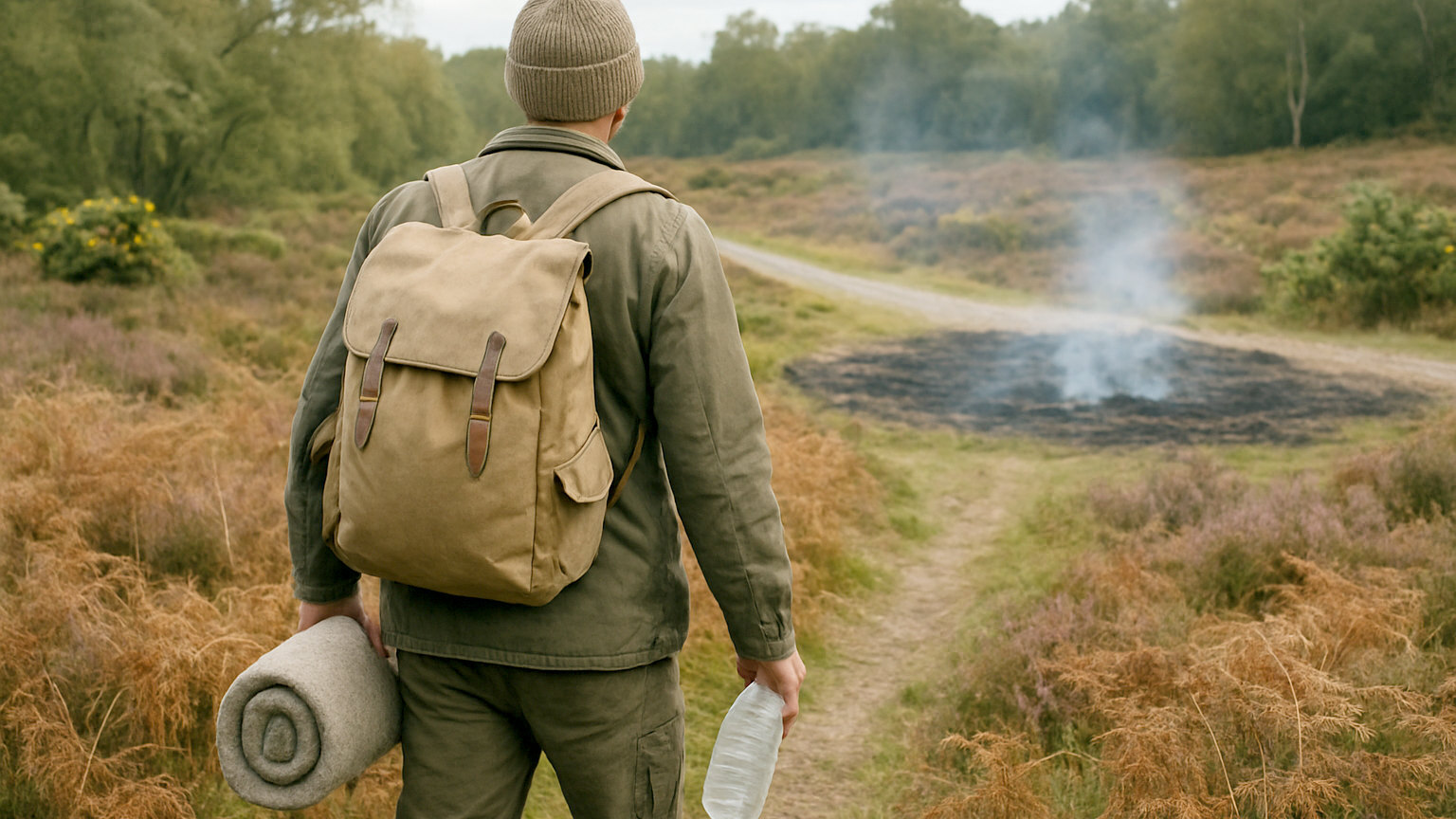
Never run uphill ahead of it. Move across the wind toward burnt ground, a road or water, and get low if the fire front reaches you.
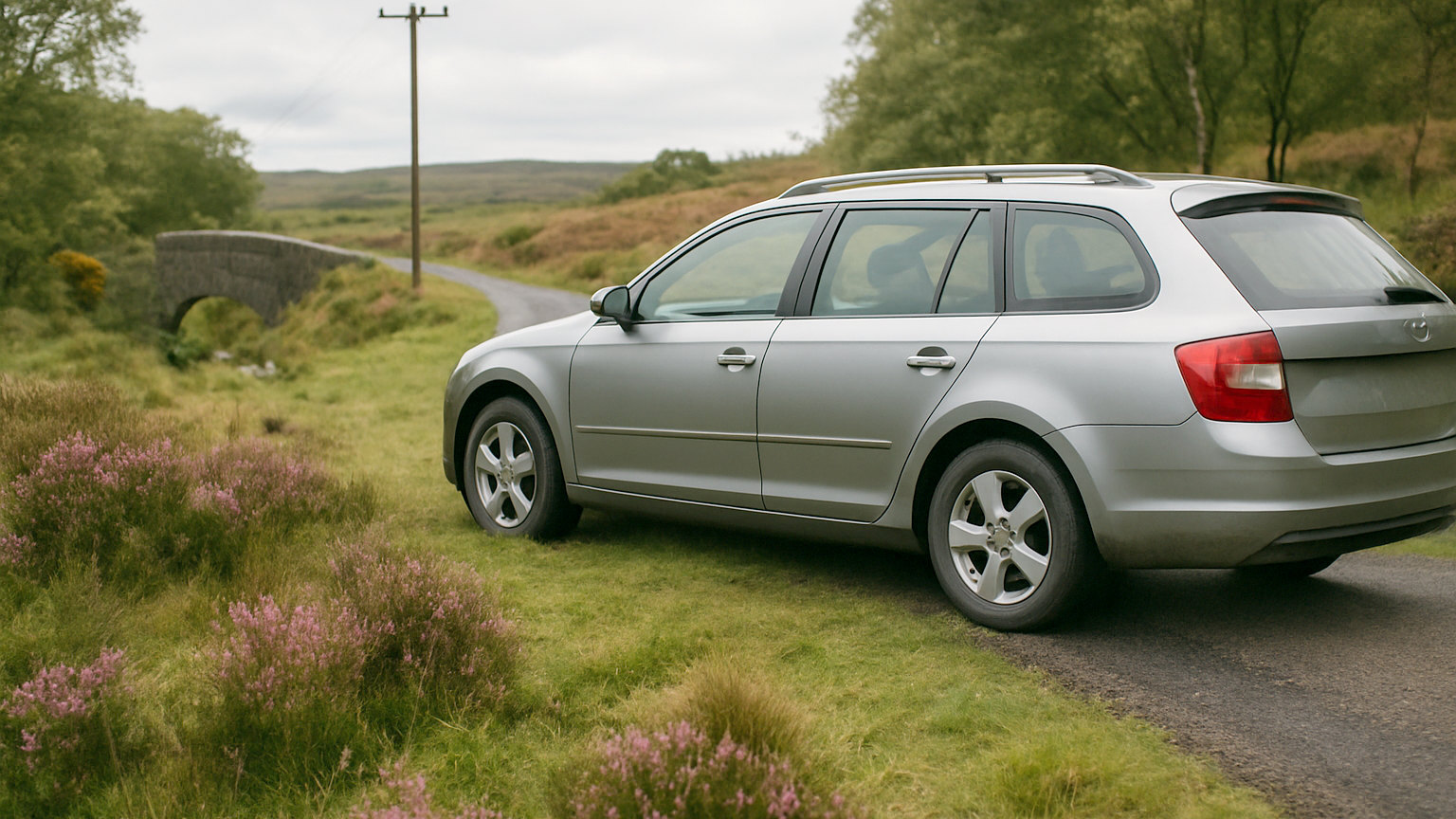
Get into the open away from buildings, or pull over clear of bridges and wires and stay in the vehicle. The danger is what is above you.
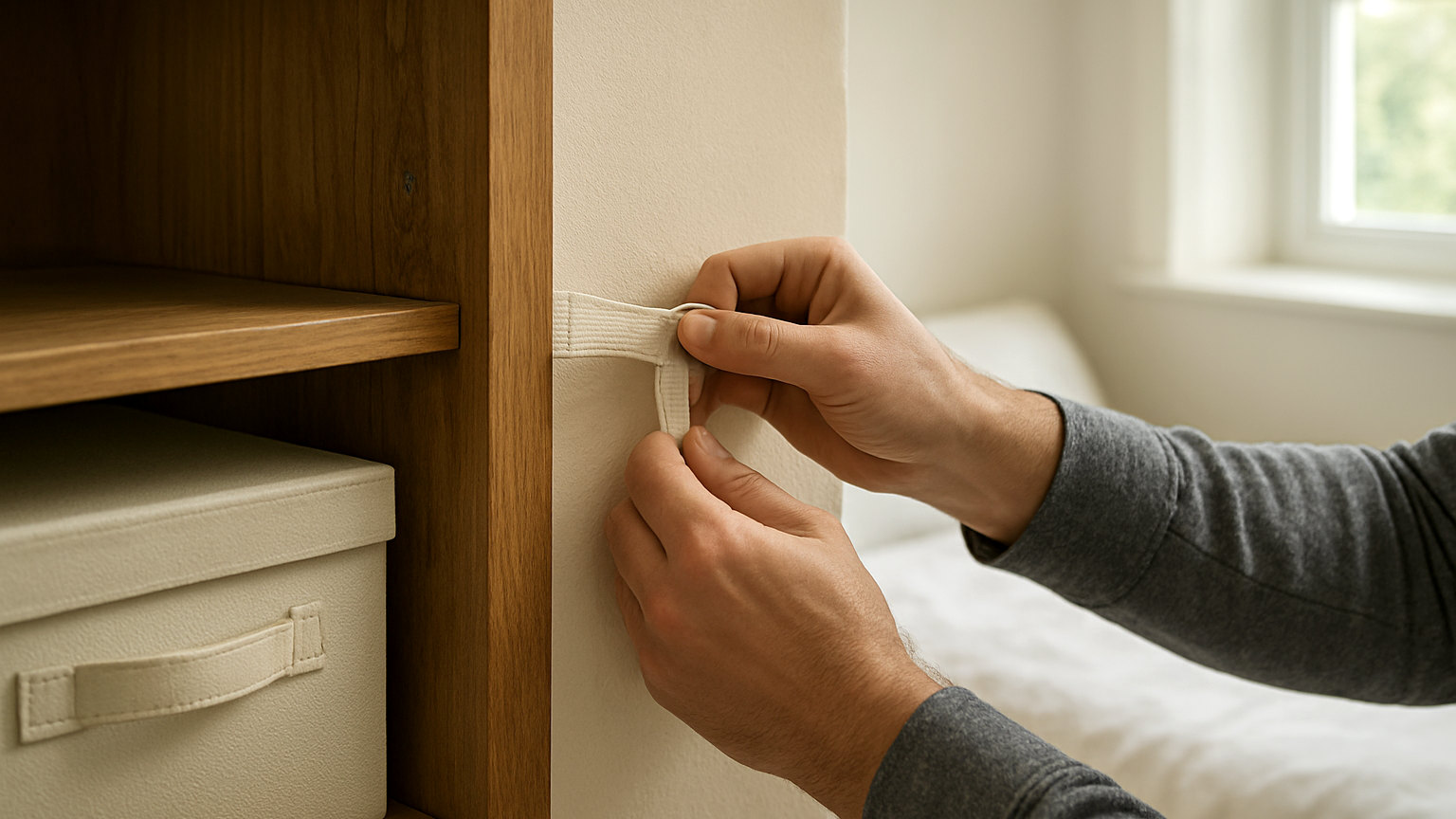
Strap tall furniture to the wall, keep heavy things low, and hang nothing substantial above a bed. It is the cheapest earthquake preparation there is.
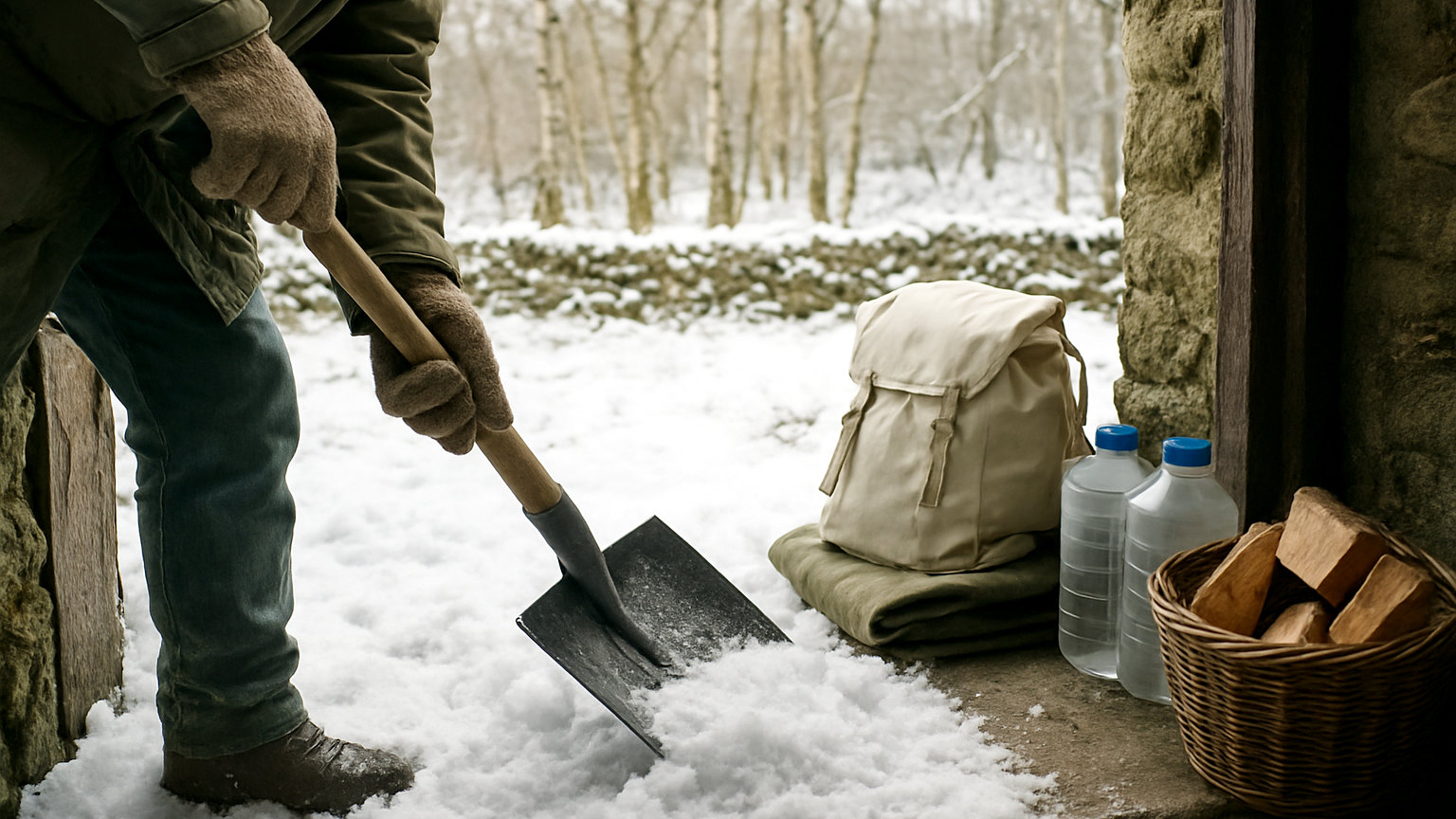
Stay put, ration the heating rather than the food, and clear a path before the snow compacts. Attempting to drive out is what turns it into a rescue.
Heat kills more people in Britain than most weather events and does it quietly. Keeping the house cool and checking on others matters more than anything else.