Flood warnings typically give somewhere between half an hour and a few hours. Using that window in the right order makes a substantial difference to both safety and eventual loss.
What comes first?
People and animals, then decide whether you are leaving. If anyone in the household would need help to evacuate, or you have pets or livestock, start that immediately rather than after moving furniture. The decision to leave should follow a trigger you agreed in advance rather than a judgement made while watching the water, since that judgement is consistently made too late.
What should you move?
Upward, in order of value and irreplaceability. Documents, photographs, medication and electronics first. Then anything of sentimental value. Then furniture that can be lifted onto blocks or carried up. Roll up rugs and take them with you. Move the car to higher ground while roads are still passable, since a flooded vehicle is usually a total loss and blocks access for responders.
- Sort people, pets and livestock first
- Move documents, photographs, medication and electronics upstairs
- Lift furniture onto blocks or move it up
- Move the car to higher ground early
- Turn off gas, electricity and water at the mains if safe
- Photograph or film each room before water arrives
Should you turn off the utilities?
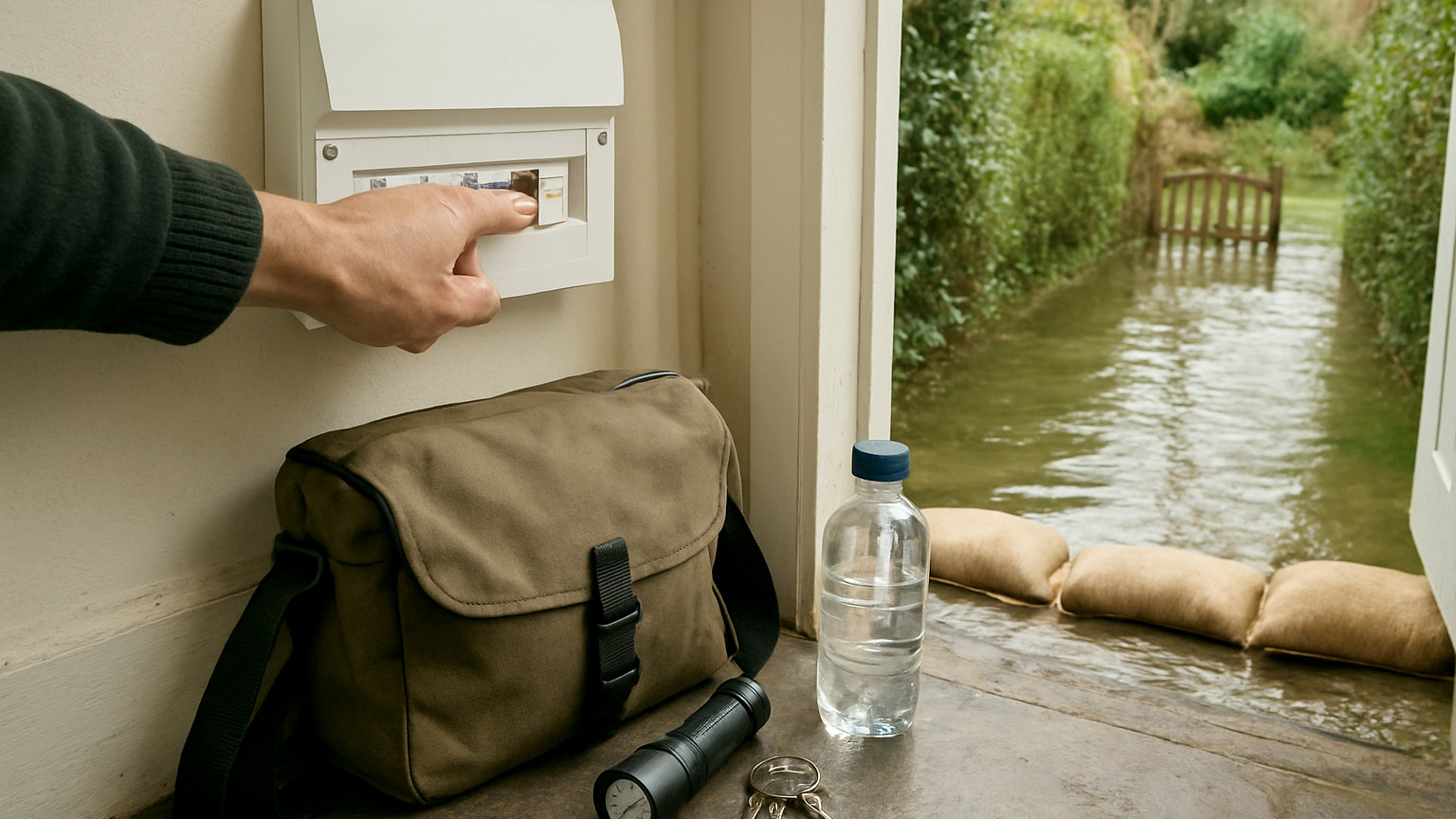
Yes, if you know how and can do it safely. Electricity at the consumer unit, water at the stopcock and gas at the emergency control valve by the meter. This prevents electrical faults when water arrives, stops burst pipes adding damage and removes a gas hazard. Never touch electrical switches or the consumer unit if you are standing in water, and never enter a flooded room to reach them.
Why photograph the rooms?
Because the insurance claim will be settled on evidence and nobody can accurately describe their possessions afterwards. Thirty seconds per room with a phone, opening cupboards and capturing serial numbers, takes a few minutes and transforms a difficult claim into an administrative one. Do it while moving things rather than as a separate task, and make sure the images are backed up off site.
What about flood barriers?
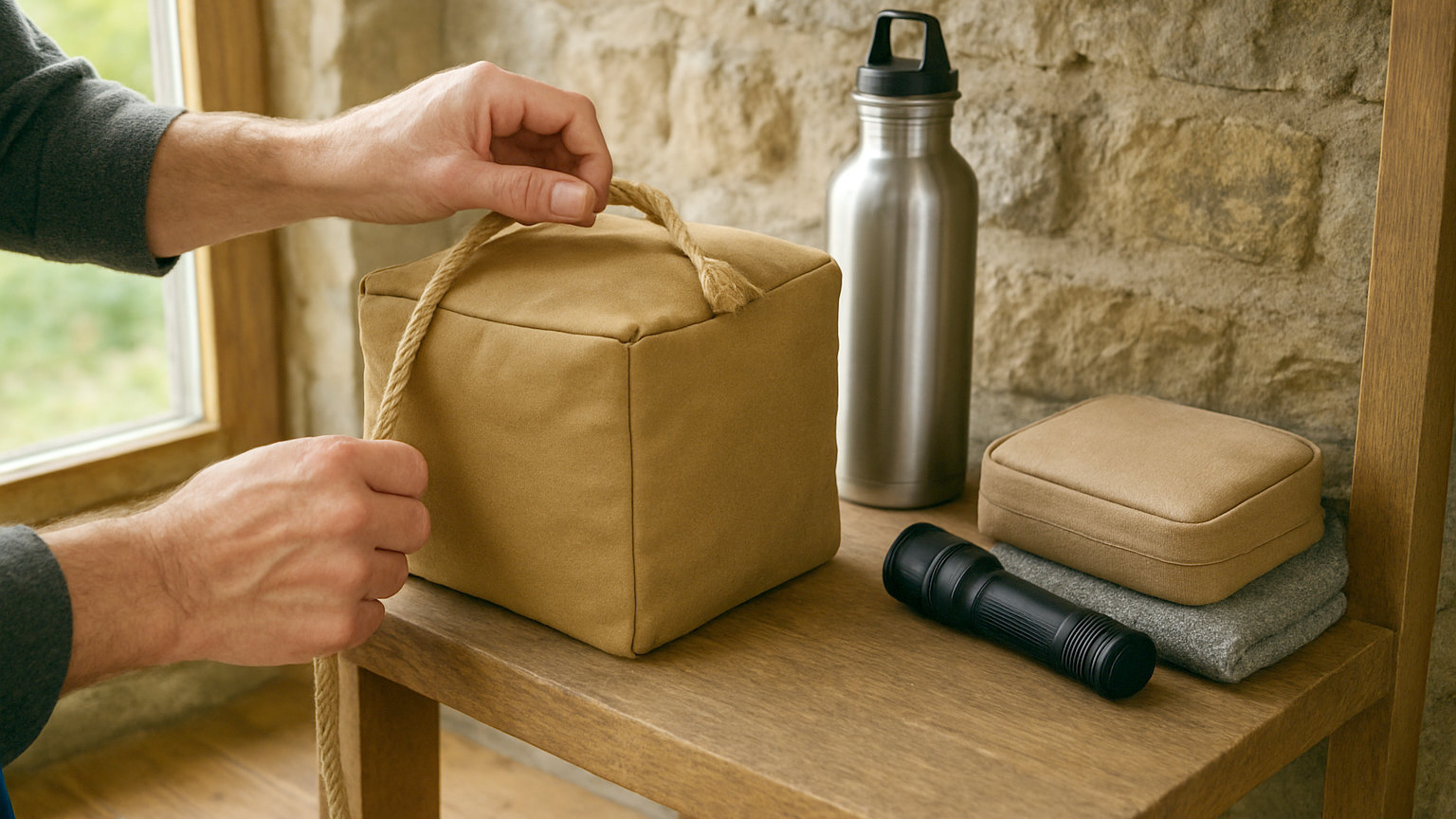
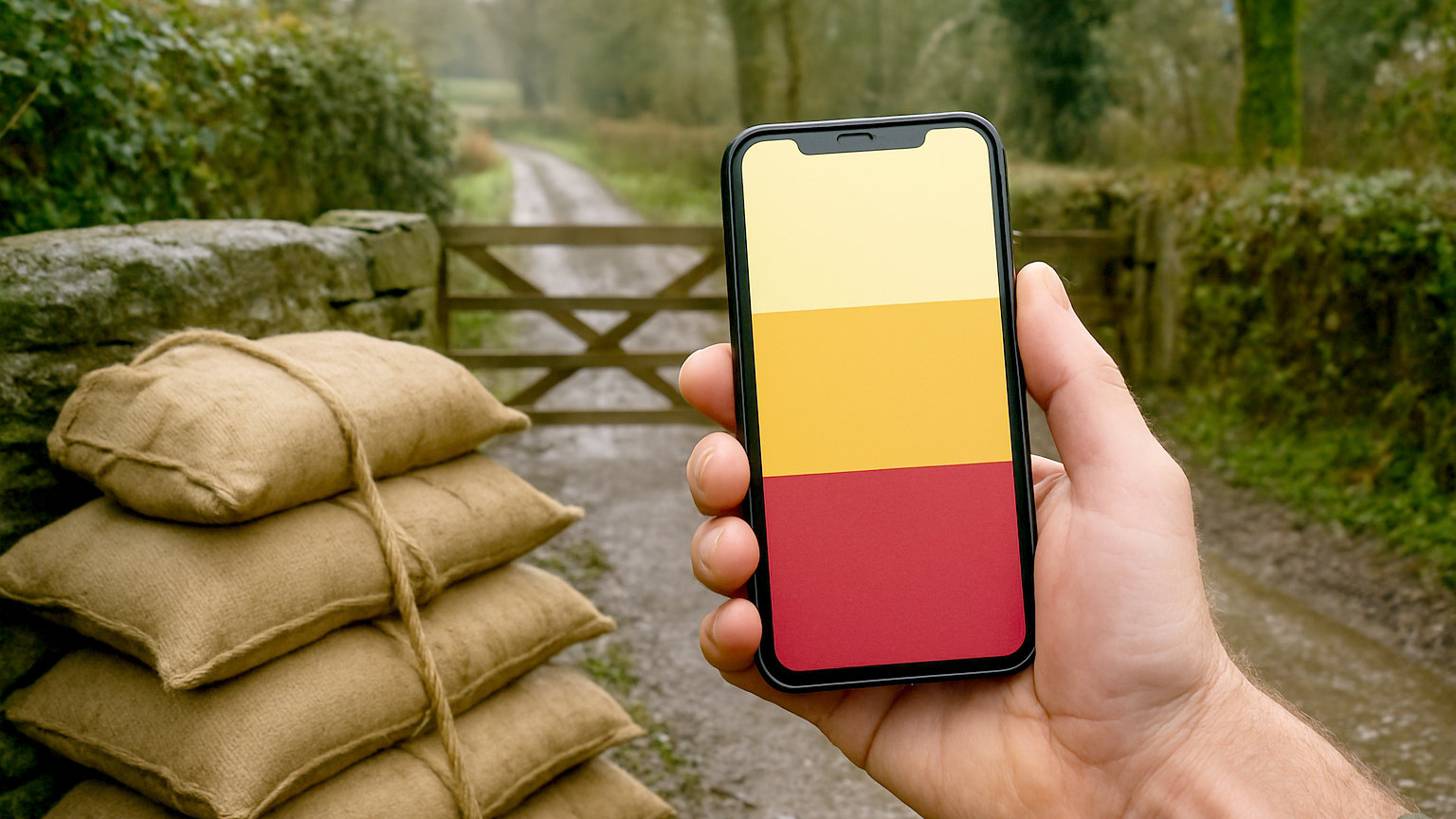
Deploy them if you have them and only while it is safe. Door barriers, airbrick covers and non return valves take minutes to fit and should be part of a written plan so nobody is reading instructions in the rain. Sandbags are slow, heavy and only partially effective, and stacking them once water is already flowing is not a good use of the remaining time.
What should you take if you leave?
The grab bag, medication, documents, phones and chargers, cash, and warm dry clothing. Wellingtons and waterproofs. Anything for children and pets. Leave a note saying who has gone where and when, and tell your out of area contact. Do not go back for anything once you have left.
Should you stay upstairs instead?
Only if leaving is not possible or advised against, and tell someone if you do. Take water, food, medication, a charged phone, a torch, warm clothing and a means of signalling upstairs with you. Recognise that once water surrounds the property, help may be slow to reach you and the situation can deteriorate. Emergency services would generally rather you left early.
What should you not do?
Walk or drive through floodwater, in any depth. Touch electrical equipment in or near water. Go back for possessions. Let children play in floodwater. Wait for further confirmation once your trigger has been reached. Each of these is a common decision and each has caused deaths in British floods.
How do you make it quicker?
By writing it down and rehearsing it once. A card listing the order of actions, who does what, where the stopcock and consumer unit are and which items go upstairs turns half an hour of improvisation into fifteen minutes of execution. Households in flood risk areas that have practised consistently report getting far more done in the window than those working it out on the night.
Sort people first, move valuables up, turn off the utilities, film the rooms, deploy barriers early, and leave when your trigger is reached.