The water going down feels like the end and is the start of the longest phase. Doing things in the wrong order costs money and occasionally causes injury.
When can you go back in?
When the authorities say it is safe, not when the water has gone. Structural damage, contamination, gas and electrical hazards all need assessing, and returning early risks both injury and complications with your insurance. Wait for the official position, however frustrating, and check the building from outside for cracks, sagging or anything out of alignment before entering.
What comes first?
Safety, then evidence, then cleaning. Leave gas and electricity off until they have been professionally checked, since flood damaged wiring and appliances are dangerous. Then photograph and film everything, room by room, before anything is moved. Only then begin removing water, silt and damaged items. Cleaning before documenting destroys the evidence a claim depends on.
- Wait for the official all clear before returning
- Leave gas and electricity off until professionally checked
- Photograph and film everything before moving anything
- Contact the insurer before starting repairs or disposal
- Keep receipts for everything, including cleaning materials
- Wear gloves, boots and a mask throughout
What does the insurer need?
Prompt notification, a description of what happened, and evidence. Most policies specify a period for reporting. They will usually appoint a loss adjuster and may arrange emergency drying, alternative accommodation and a contractor. Ask before disposing of damaged items, since they may want to inspect them, and photograph anything that must go for hygiene reasons before it does.
What should you throw away?
Anything porous that absorbed floodwater, and all affected food and medicines. Carpets, underlay, mattresses, upholstered furniture and soft toys generally cannot be adequately cleaned. Chipboard furniture swells and collapses. Insulation in walls and floors holds contaminated water and usually has to come out. Photograph it all before disposal.
What can be saved?
Hard non porous items, generally, after thorough cleaning and disinfection. Solid wood furniture often recovers if dried slowly. Crockery, glass and metal clean up. Photographs and documents can sometimes be salvaged by rinsing gently in clean water and air drying flat, or by freezing them to buy time before proper conservation. Do not discard sentimental items in the first days without trying.
How do you handle the utilities?
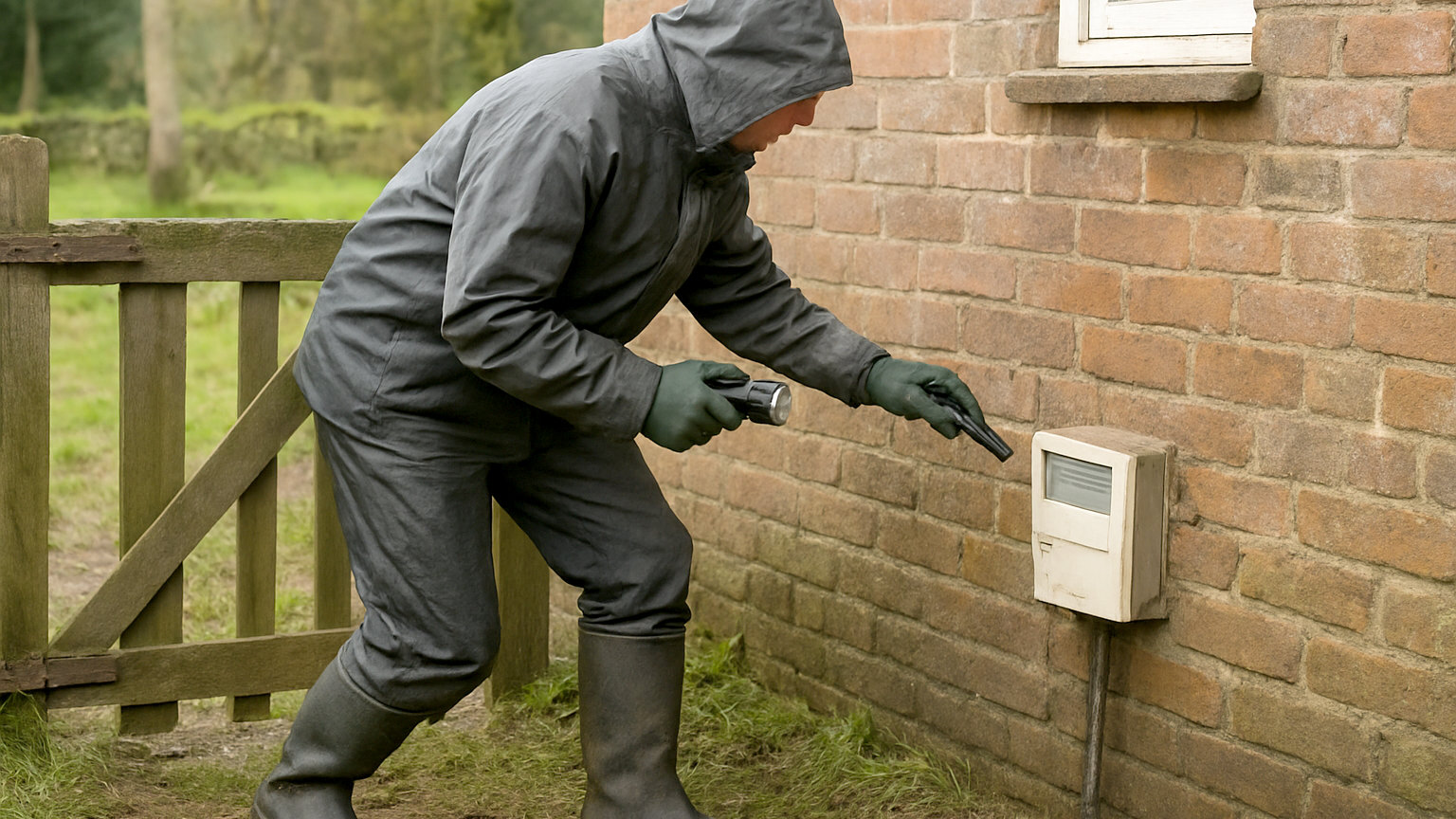
Through professionals. An electrician must inspect and test the installation before it is re energised, since flooded circuits and appliances present shock and fire risks. A Gas Safe registered engineer should check the gas system and any boiler. Do not attempt either yourself, and do not use appliances that have been submerged even if they appear to work.
What about the water supply?
Check before drinking. A boil water notice may be in force, and private supplies such as wells and boreholes should be treated as contaminated until professionally tested, since floodwater reaches them readily. Contact your water company, or the local authority environmental health team for a private supply. Run taps for several minutes once cleared and discard the first ice made.
Who else can help?
More than most people find. Local authorities coordinate recovery and can advise on grants, council tax relief and housing. Government schemes have been activated after major flooding. The British Red Cross and the National Flood Forum provide practical and emotional support. Ask rather than assuming you must manage it alone, since a great deal of help goes unclaimed.
How do you decide what to tackle first?
Water out, contamination out, materials out, then dry. Pump or bail standing water once it is safe. Shovel out silt while it is still wet, since it sets hard and becomes far harder to remove. Strip out saturated carpets, plaster, insulation and units, which both removes contamination and exposes the structure to dry. Only then start on cleaning and disinfecting surfaces.
Wait for the all clear, keep the utilities off until checked, photograph before cleaning, tell the insurer early, and take up the help available.