How Do You Prepare for a National Emergency
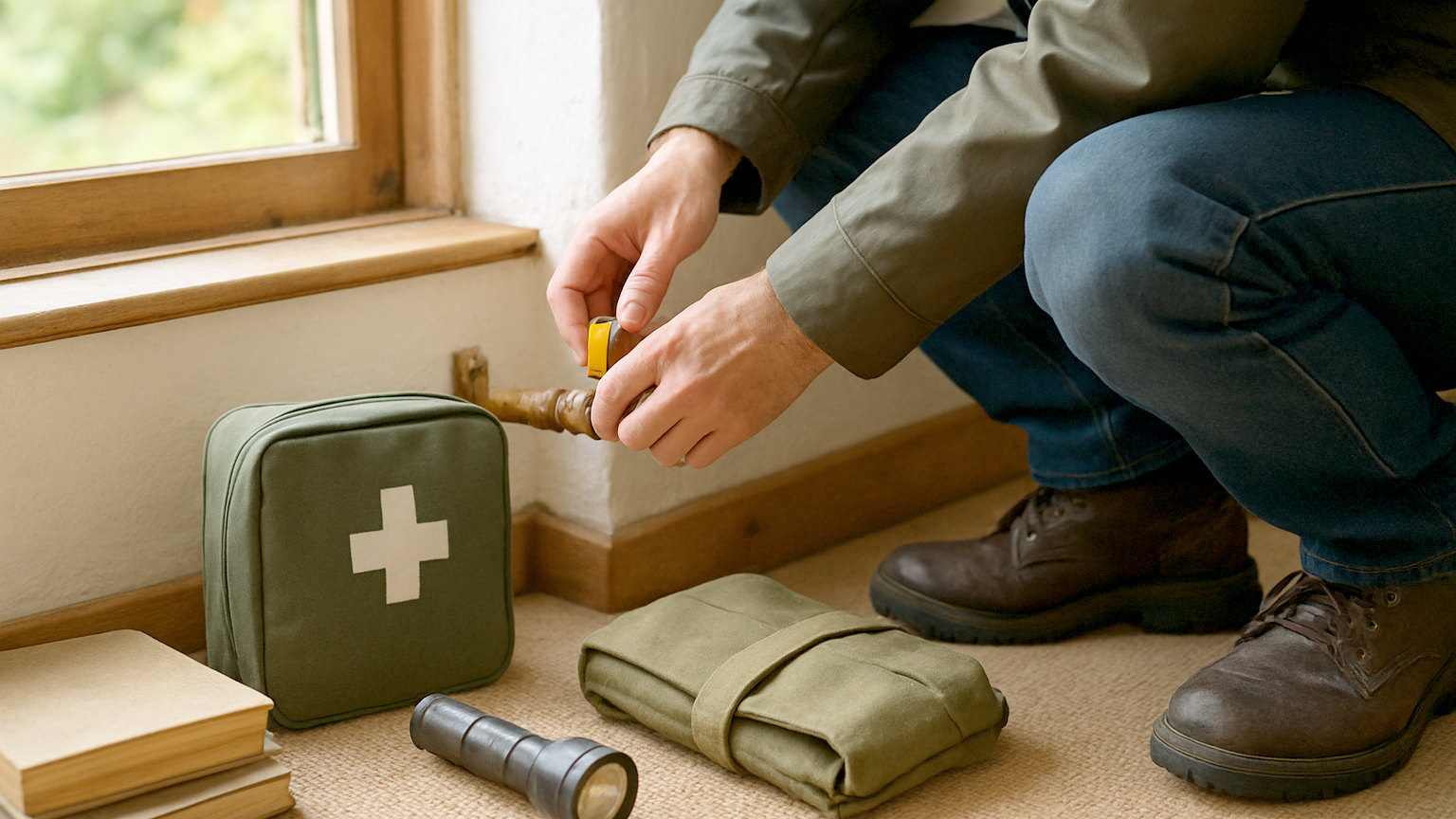
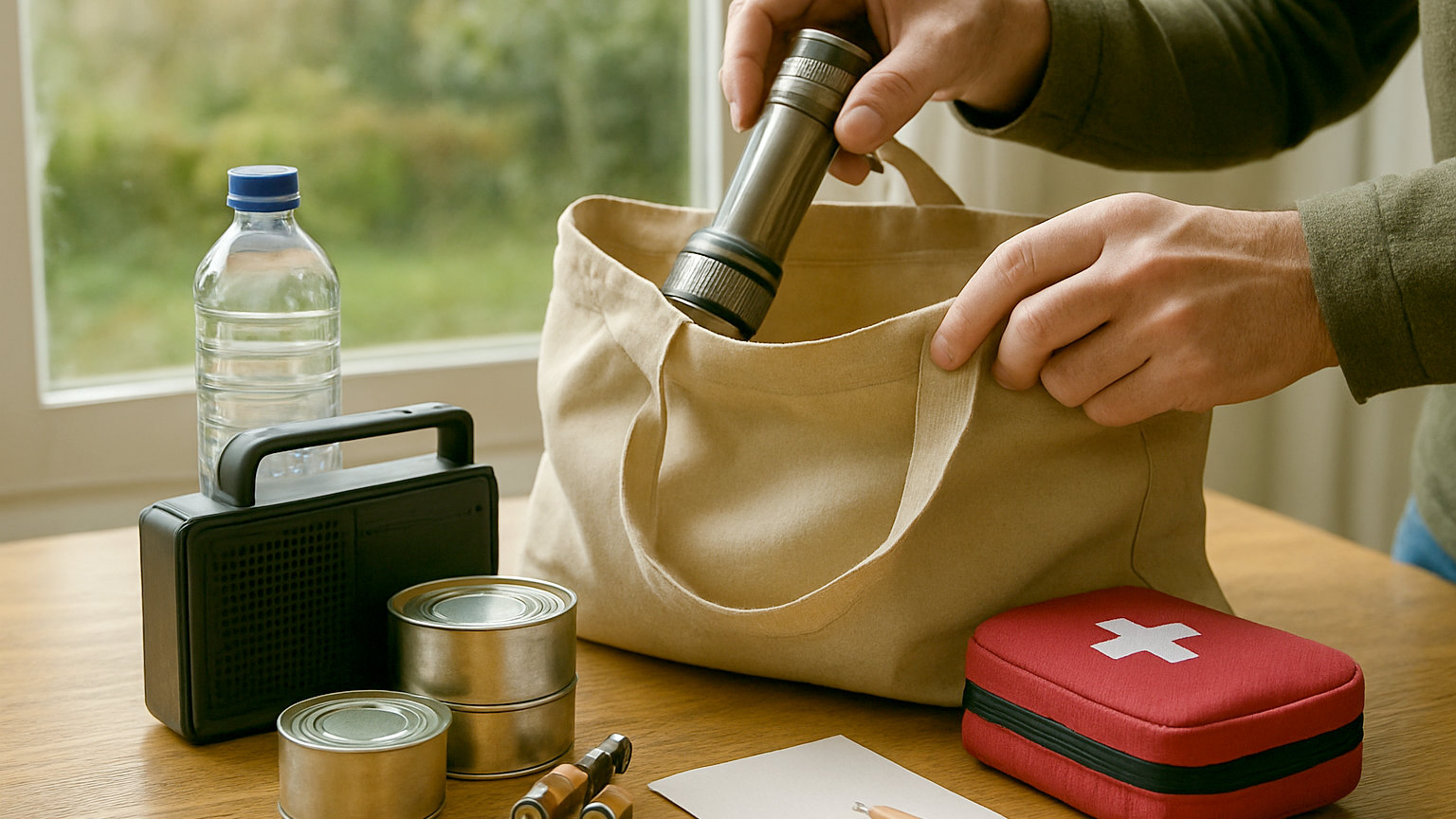
The same preparations that cover a storm or a power cut. Government advice is a few days of supplies, a torch, a radio and a written plan.
By Survival Basics Team
26 May 2026

Disasters are survivable far more often than the coverage suggests, and the difference is usually made in the hours before one arrives rather than the moment it does. These guides follow official guidance from agencies that plan for this professionally, the Environment Agency, the Met Office, the coastguard and local resilience forums, and set out what to do at each stage. They deal in what is known and what is advised, not in worst-case speculation, because a household that is frightened into doing nothing is no better prepared than one that never read anything.
The same preparations that cover a storm or a power cut. Government advice is a few days of supplies, a torch, a radio and a written plan.
Routine, daylight, movement and contact. The things that help are unglamorous and they are supported by evidence and by the experience of recent years.
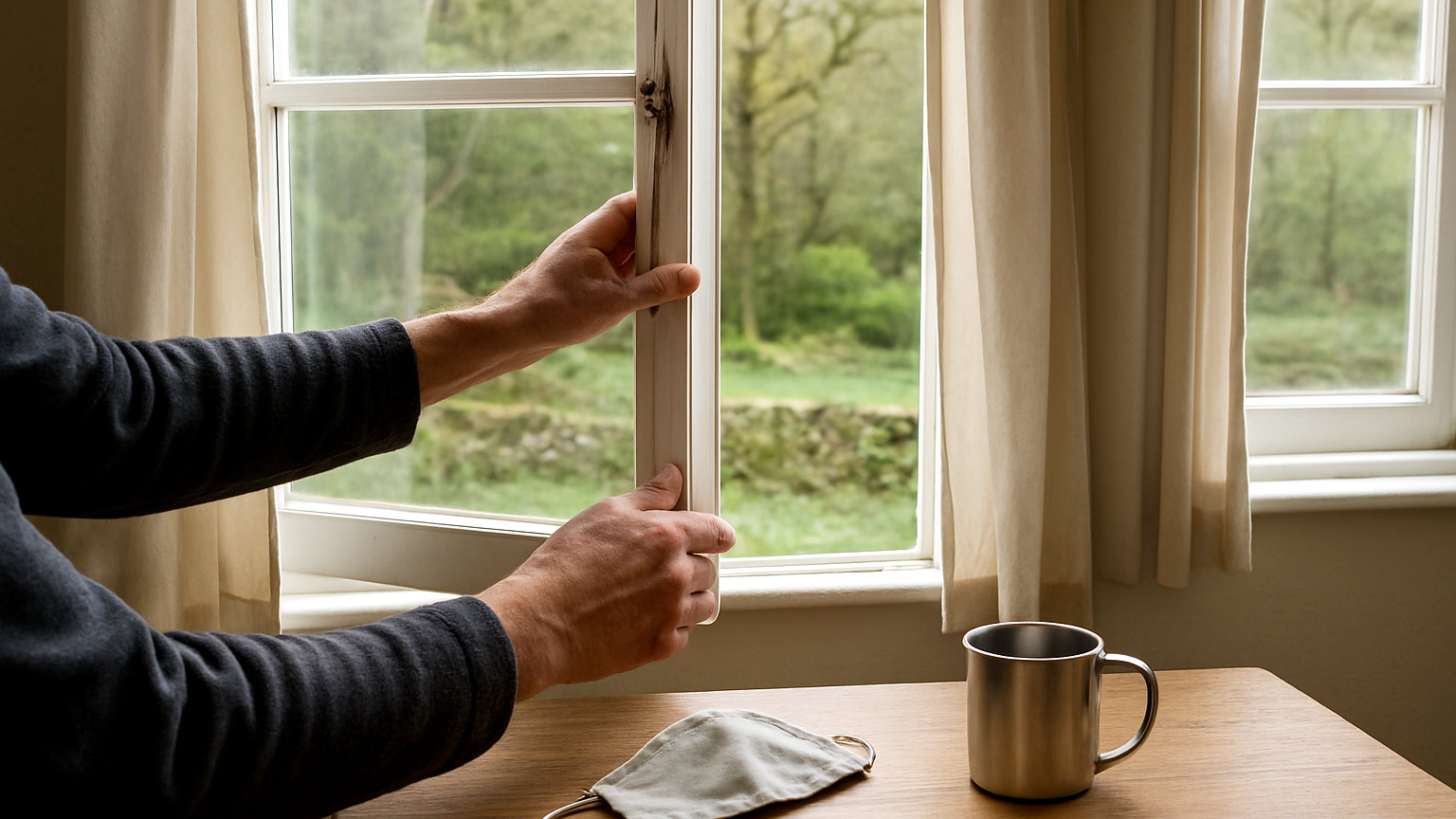
It dilutes and removes what is in the air, which is the main route for respiratory infection. Opening a window for ten minutes an hour does more than most cleaning.
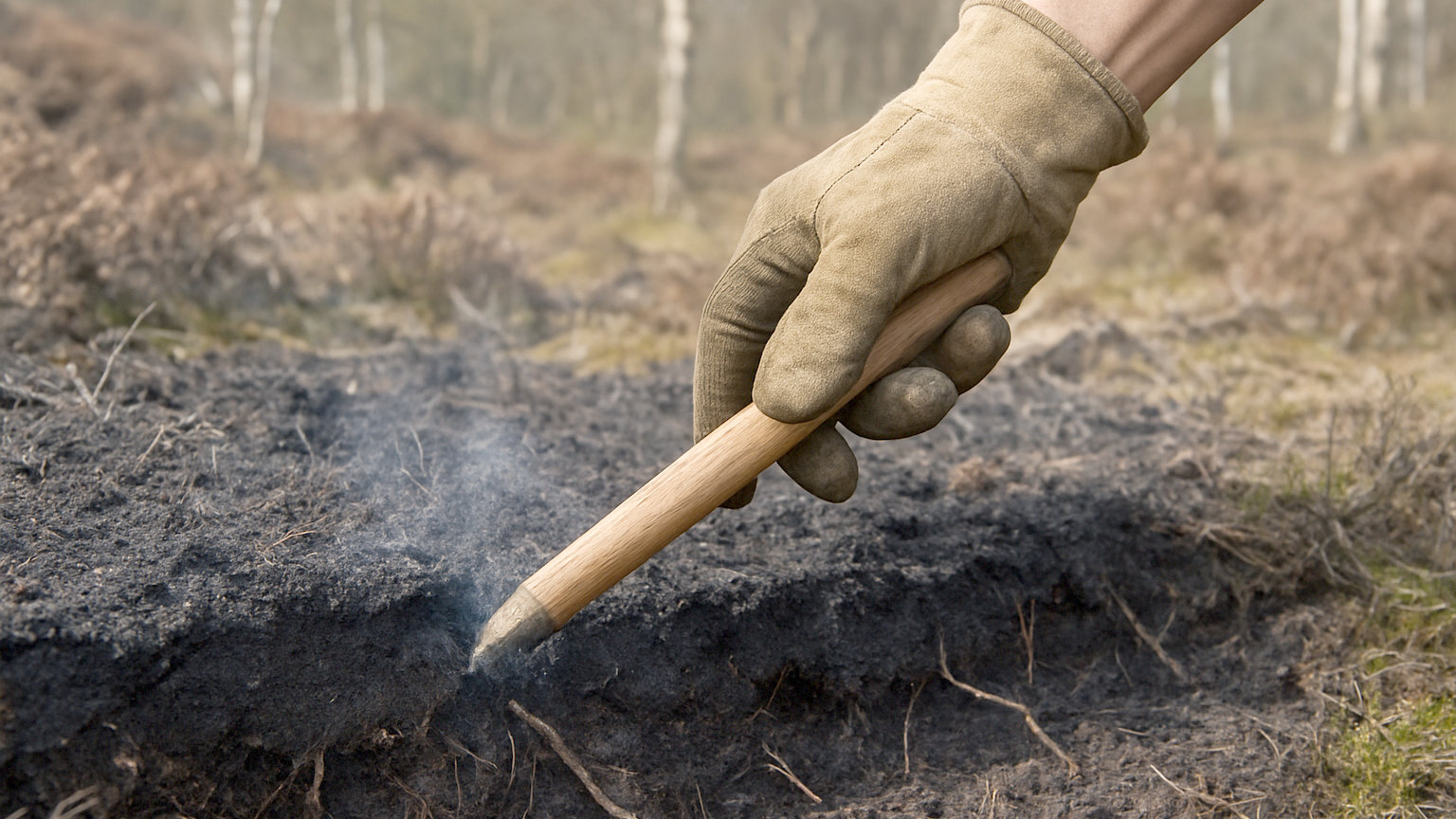
Reignition, unstable ground and peat smouldering underground for months. Burnt land stays hazardous long after the visible fire has gone out.
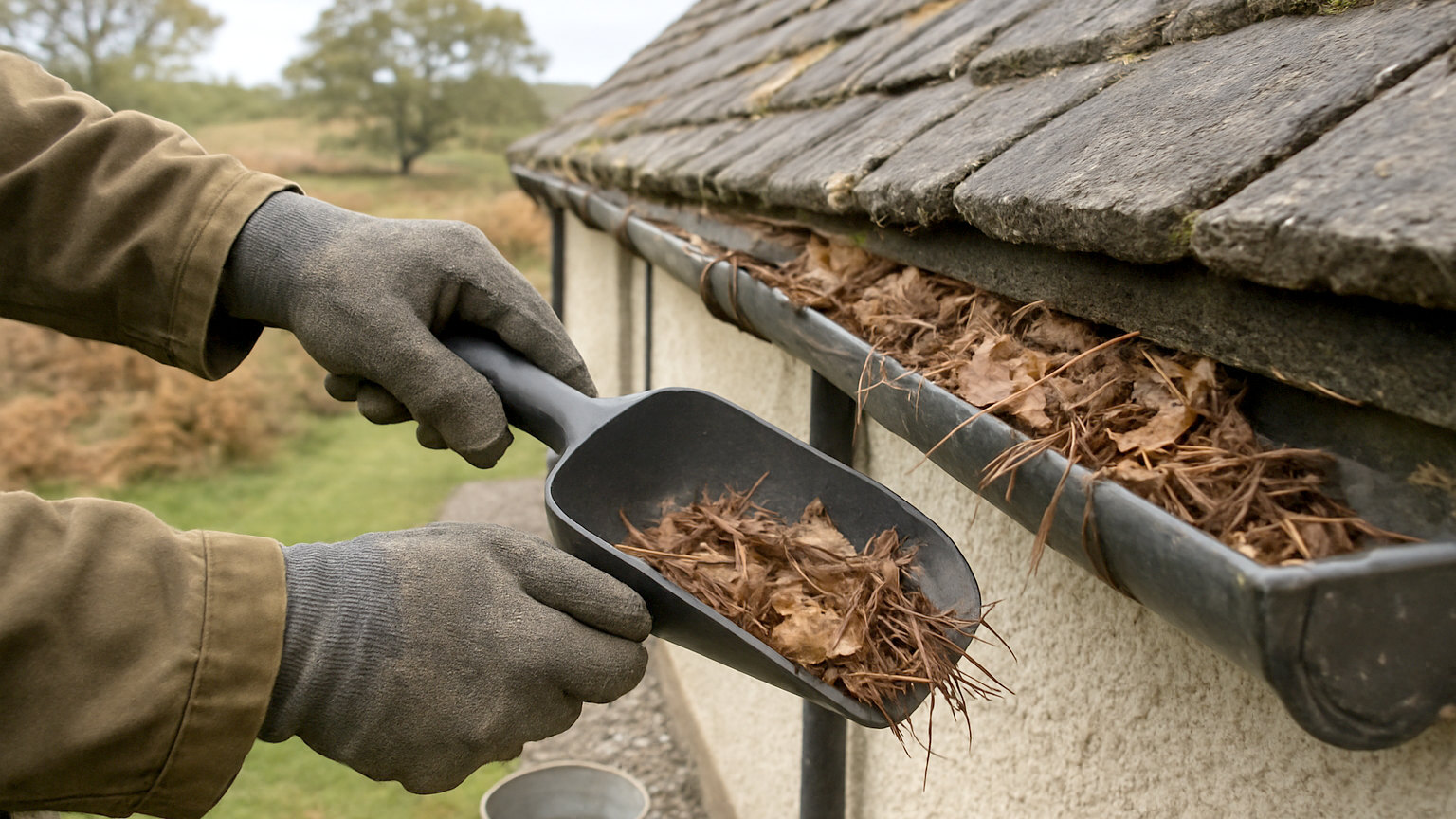
Embers ignite most houses, not the flame front. Clearing gutters and keeping fuel away from the walls matters more than anything dramatic.
The most reliable warning is the earthquake itself and the sea withdrawing. If you wait for an official alert near the source, you may already be too late.
Shoes on, check for injuries and gas, expect aftershocks. The period immediately afterwards produces a great many avoidable injuries.
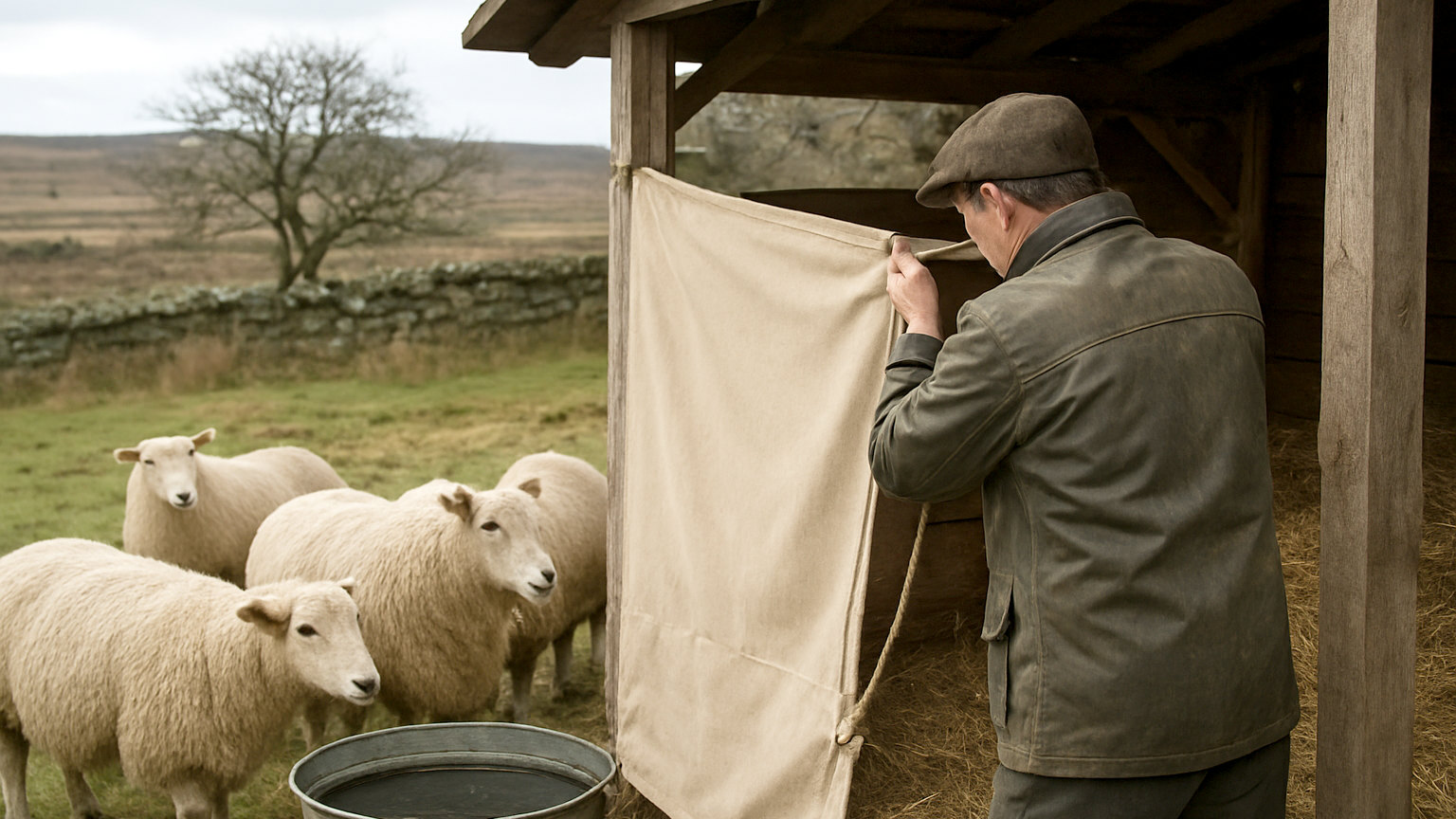
Shelter, unfrozen water and moving stock off exposed ground. Animals are affected by weather that people can simply go indoors from.
Falls cause far more injuries than anything else. Grit, footwear and slowing down prevent almost all of them, and none of it costs much.
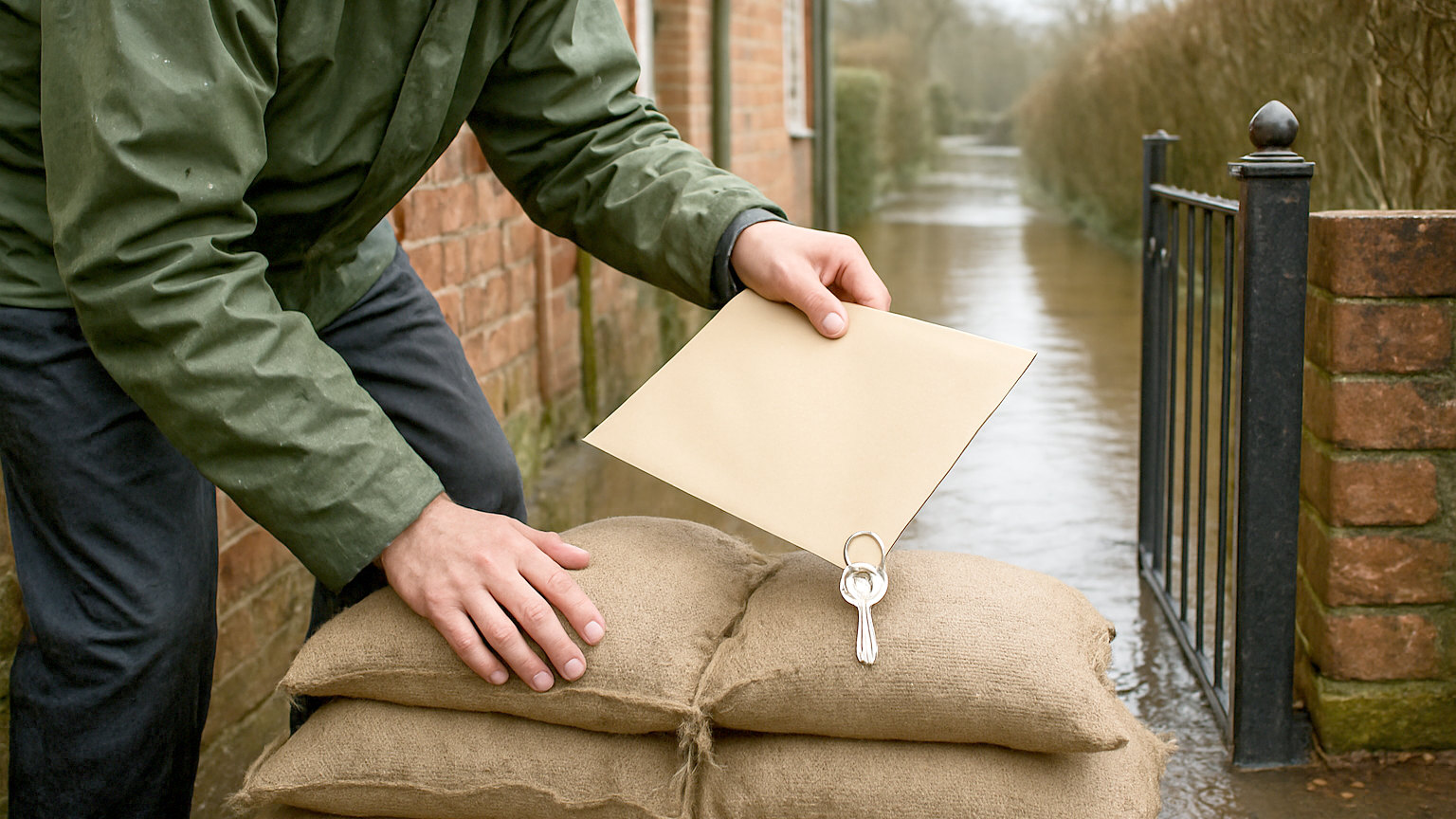
A reinsurance scheme making home insurance affordable in high flood risk areas. It covers most houses built before 2009 and excludes several categories people expect it to cover.
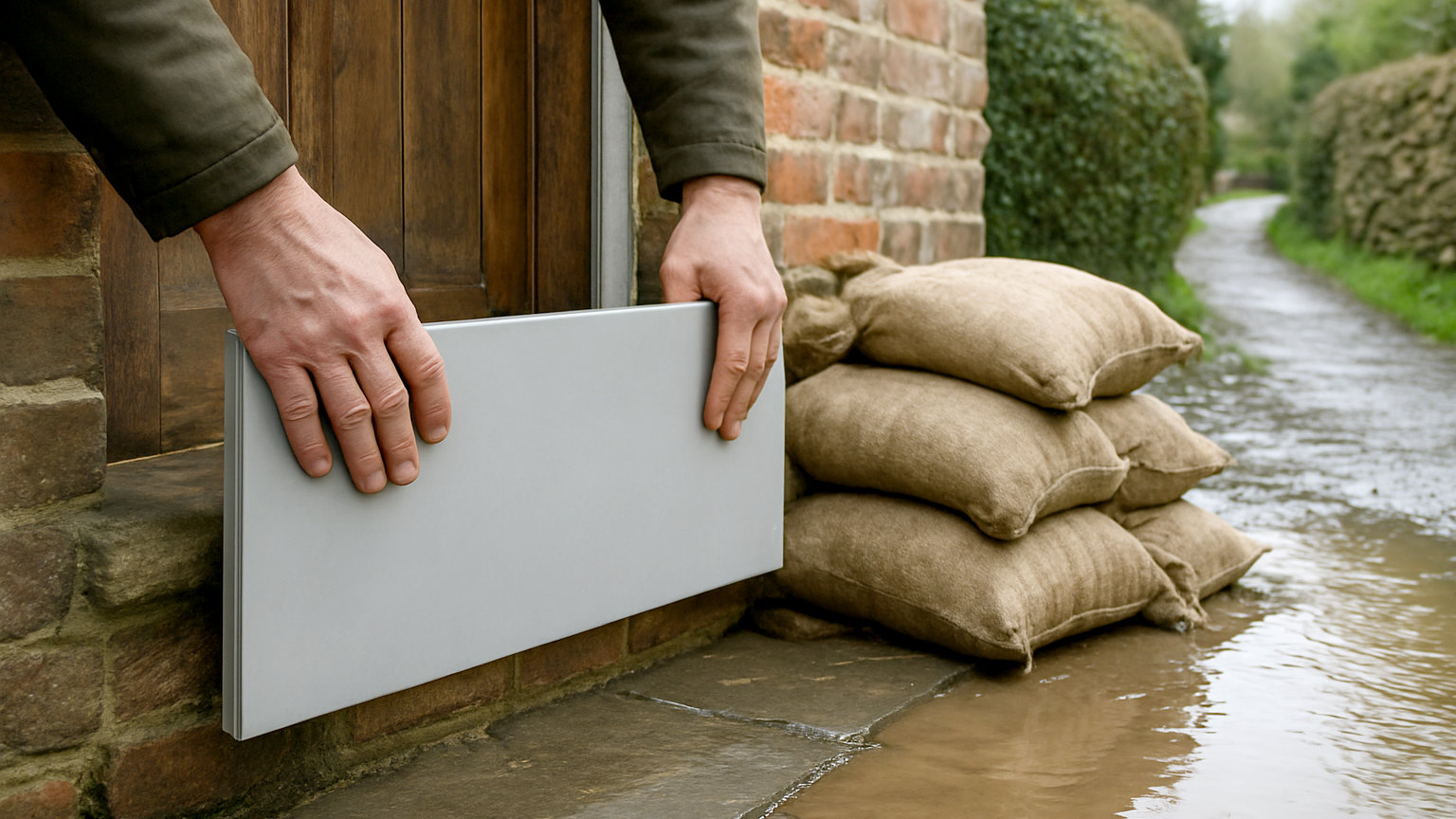
Door barriers and airbrick covers work well for modest depths and short durations. They need fitting in advance, deploying early, and a realistic view of their limits.
They are the main artificial exposure most people receive, they are tightly regulated, and the benefit of a justified scan outweighs the small risk.