Most people check a forecast and check the wrong one. A town forecast tells you almost nothing about conditions on the hill above it.
Why is a mountain forecast different?
Because temperature falls with altitude, wind increases substantially with exposure, and cloud sits on high ground while the valley is clear. Specialist mountain forecasts give conditions at summit level, including wind speed at height, cloud base, freezing level and visibility, which are the factors that actually determine whether a route is sensible.
What matters most?
Wind, by a wide margin. Wind determines whether you can stand up on a ridge, how fast you cool, and how unpleasant everything else becomes. Speeds that are unremarkable in a town make exposed ground genuinely dangerous, particularly in gusts, and wind is consistently the factor people underestimate most.
- Use a mountain forecast rather than a town one
- Wind speed and gusts matter more than anything else
- Cloud base tells you whether you will be navigating blind
- Wind chill can be far below the air temperature
- Check the freezing level in winter
- Look at the trend across the day, not one snapshot
What does cloud base tell you?
Whether you will see anything. A cloud base at four hundred metres on a six hundred metre hill means the top half of the walk is in fog, which changes navigation from following features to careful compass work. It also means no view, which affects whether the day is worth doing at all, and it strongly affects the risk of getting lost.
What is wind chill?
The effective temperature accounting for the cooling effect of moving air, which can be many degrees below the actual reading. An air temperature of two degrees with a strong wind produces conditions that will make an inadequately dressed person hypothermic quickly. Forecasts give both figures, and the chill figure is the one that determines how you dress.
What about the freezing level?
Critical in winter and useful year round. It tells you the altitude above which precipitation falls as snow and water freezes, which determines whether paths are icy, whether snow is consolidating or thawing, and whether you need winter equipment. A freezing level below your route in winter means axe and crampon conditions rather than a walk.
Where do you get one?
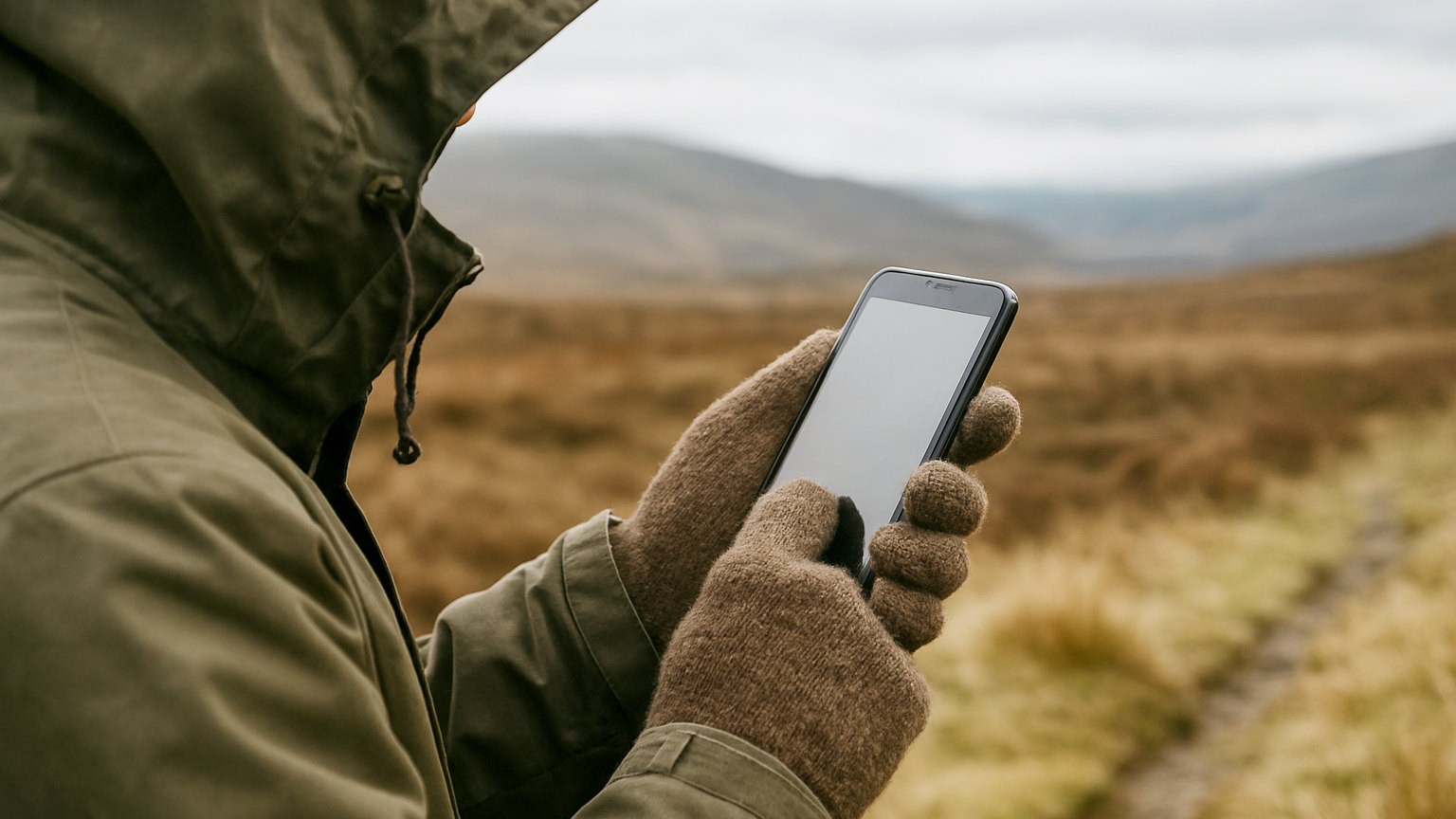
Specialist services publish mountain forecasts for British upland areas, updated daily and free, alongside the Met Office mountain forecasts. They give a written summary as well as numbers, which frequently includes an assessment of how the day will feel and how confident the forecast is. Reading the text rather than just the icons is worth doing.
How should you use it?
To decide, not to confirm. The point of checking is to be genuinely willing to change the route, choose lower ground or postpone. People who check a forecast and go anyway regardless have not really checked it. Look at the trend through the day too, since a fine morning turning to strong wind and rain by three affects the timing.
What if it is wrong?
Assume it might be and carry accordingly. Forecasts are considerably better than they were and mountain weather remains locally variable and changes fast. Carry layers, waterproofs, a torch and shelter regardless of what the forecast says, and treat a good forecast as a reason to go rather than a reason to leave equipment behind.
What about checking on the day?
Look again in the morning, since mountain forecasts are updated and can change substantially overnight. Then keep watching the sky as you walk, because the forecast is a prediction and the weather in front of you is a fact. Cloud building, wind picking up or the temperature dropping faster than expected are all reasons to reconsider before you are committed.
How far ahead is it reliable?
A day or two with reasonable confidence, and progressively less beyond that. Mountain forecasts usually state their own confidence level, which is genuinely useful and widely ignored. A low confidence forecast three days out is a reason to plan flexibly rather than to commit to a demanding route, and to check again closer to the day.
Use a mountain forecast, prioritise wind and cloud base, note the chill figure and freezing level, read the text, and be willing to change the plan.