
Stomach upsets are the most common camping illness and almost all of it is preventable. The measures are unglamorous and take very little effort.
What prevents most illness?
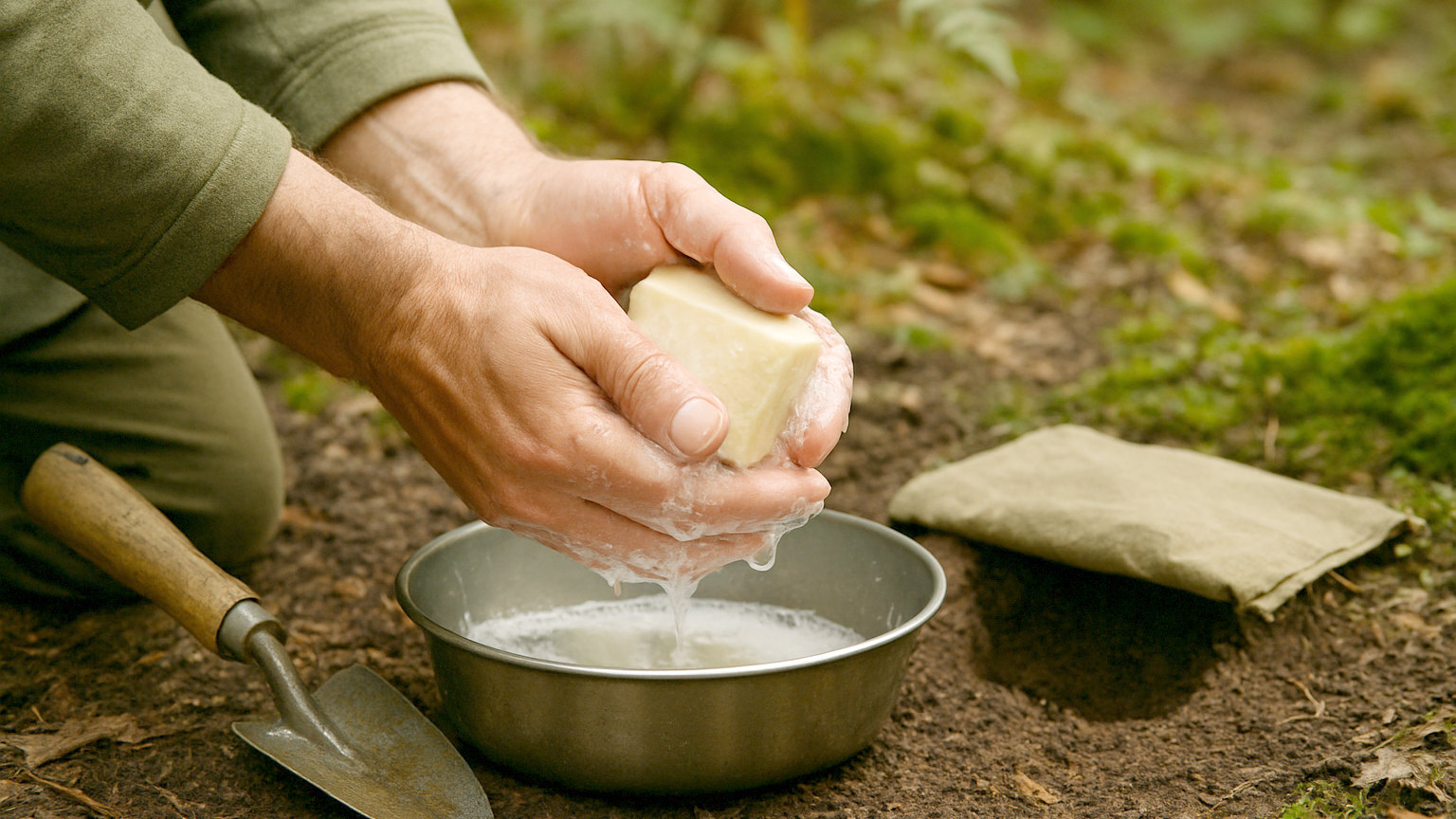
Hand washing with soap and water, particularly before handling food and after using the toilet. Camping conditions make it easy to skip, and hands contaminated from the ground, from animals or from waste are the main route for the stomach bugs that ruin trips. Carry soap and a small towel and make it routine.
Is hand sanitiser enough?
Usually and not always. Alcohol gel is a good substitute when hands are not visibly dirty, and it is poorly effective against some organisms including norovirus, which is a common cause of outbreaks in shared accommodation and campsites. Soap and water is better where the situation allows, and gel is a sensible backup.
- Wash hands with soap before food and after the toilet
- Bury waste well away from water, paths and camps
- Dig around fifteen to twenty centimetres into the soil layer
- Carry out paper, or bury it fully rather than under a stone
- Wash yourself and dishes at least thirty metres from water
- Use very little soap, or none, near watercourses
How do you deal with human waste?
Choose a spot at least thirty metres from any water, path or camp, dig a hole around fifteen to twenty centimetres deep into the biologically active soil layer where it will break down, use it, and fill and disguise the hole. Carry a lightweight trowel, which makes the whole thing quick and is worth the negligible weight.
What about paper?
Carry it out in a bag, or bury it fully in the hole. Paper left under a stone is the single most common failure and it does not decompose quickly, which is why popular wild camping spots become unpleasant. Sealable bags weigh nothing and the whole thing is far less objectionable than it sounds.
Where can you not bury it?
On rock, on thin upland soil, on peat, near water and in heavily used places. In those situations carrying it out is the only acceptable option, and purpose made bags with gelling agents exist and work well. This applies to popular summits and lochsides, where burial simply does not work and the accumulated result is obvious.
How do you wash?
Well away from water, using very little soap or none at all. Carry water to a spot at least thirty metres from a stream or loch, wash there, and scatter the waste water widely rather than pouring it in one place. Detergents harm aquatic life, and biodegradable soap still needs soil to break down in rather than water.
What about washing up?
Minimise it and do it away from water. Scrape and wipe pans with paper before washing, use a small amount of hot water, and strain out food particles to carry away with the rubbish. One pot meals leave one pan. Never wash dishes directly in a stream, however clean it seems.
What about rubbish?
All of it comes out, including food scraps, tea bags and fruit peel. Buried food waste is dug up by animals, changes their behaviour and attracts them to camps. Do not burn rubbish, which rarely burns completely. Carry a dedicated bag and accept that it comes home with you.
What about washing clothes?
Rinse in water carried away from the source, wring out and dry rather than using detergent. On a short trip, changing into the dry set at night and rewearing the same walking clothes is normal and entirely acceptable. Socks and underwear are the items worth rinsing, and body heat inside a sleeping bag will dry them overnight.
What about keeping food clean?
Store it sealed and off the ground, wash hands before preparing it, and do not leave cooked food standing warm for hours. Animals will investigate anything accessible and chew through packs to reach it. On longer trips, keeping raw and cooked food separate matters as much outdoors as at home.
Wash hands with soap, bury waste properly thirty metres from water, carry paper out, wash away from watercourses, and take all rubbish home.


