This is the single most consequential decision in most outdoor incidents, and it is frequently made by drift rather than by choice. It deserves a deliberate answer.
When should you stay?
If someone knows your route and expected return time, since a search will begin. If anyone is injured or exhausted. If visibility is poor or darkness is close. If you are genuinely unsure where you are. If the terrain ahead is unknown or hazardous. If you have shelter, warmth and a means of signalling where you are. Any two of these together make staying the clear answer.
When should you move?
If nobody knows where you are and no search will begin. If you know with confidence where you are and where safety lies. If your current position is dangerous, such as exposed to rockfall, rising water or extreme wind. If conditions where you are will deteriorate faster than you can cope. Moving needs a destination and a route, not just a direction.
- Stay if someone knows your route and return time
- Stay if anyone is injured or badly tired
- Stay if visibility is poor or night is coming
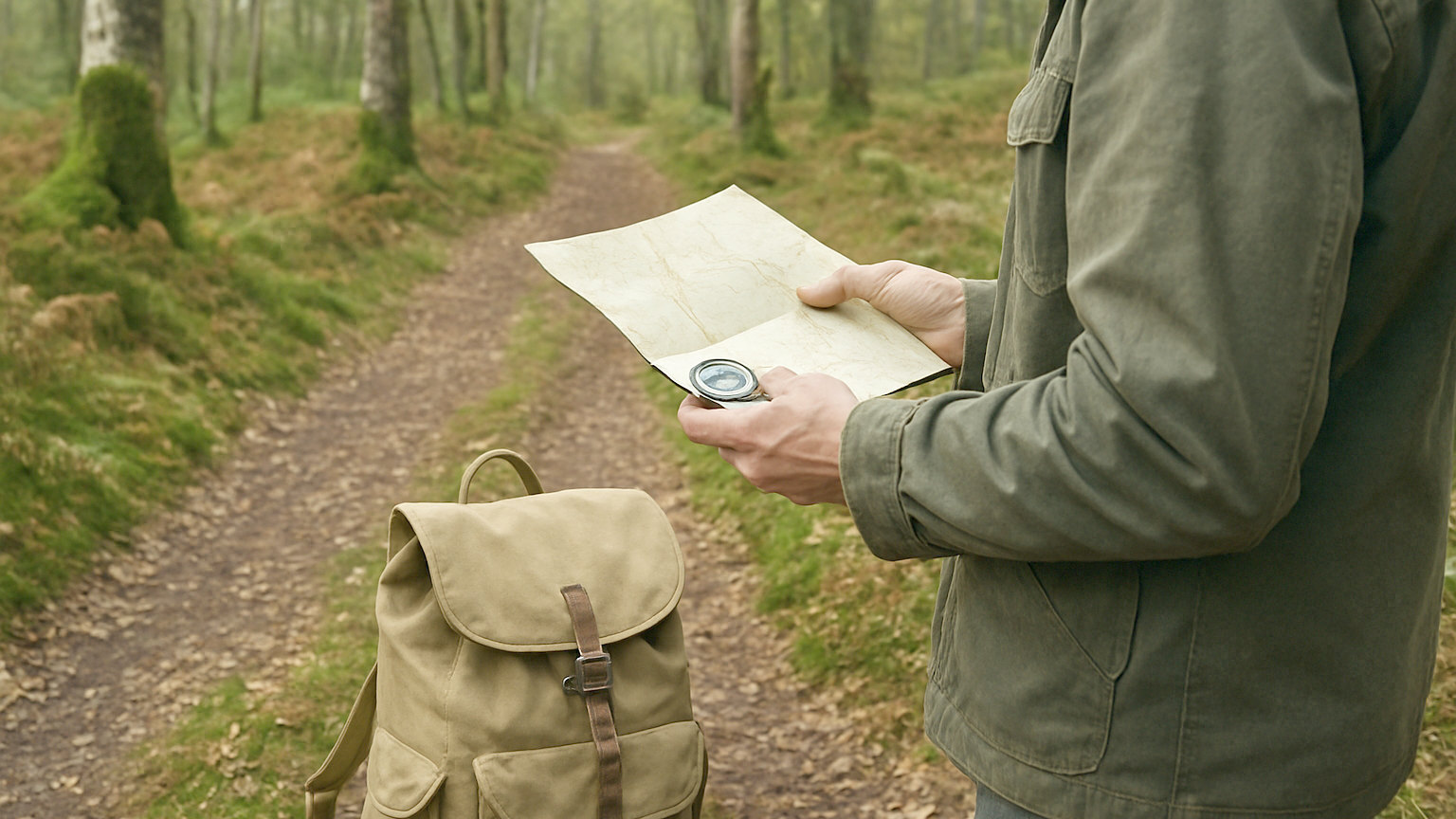
- Move only if you know where you are and where you are going
- Move if your position is actively dangerous
- A moving casualty is far harder to find than a stationary one
Why is staying usually right?
Because you are far easier to find. Search teams work from a last known position and a likely route, and a party that keeps moving spreads the search area enormously. Moving also consumes energy, risks injury in poor light, and in poor visibility frequently takes people further from safety rather than closer.
What if nobody knows you are out?
Then the calculation changes, because no search will begin. That is the situation in which self extraction becomes necessary, and it is precisely the situation you can eliminate entirely by telling someone your route and return time before you go. This is why that habit matters so much: it determines which of these two decisions applies.
How do you decide about the injured?
Stay, and get help to them. Moving an injured person over rough ground causes further harm, exhausts everyone, and is far slower than a rescue team with proper equipment. Insulate them from the ground, keep them warm, call for help and wait. This applies even where the casualty insists they can walk, since adrenaline masks injury.
Should you split the group?
Only as a last resort. Sending people for help splits resources, and a person moving fast alone over rough ground in poor conditions is likely to become a second casualty. If it is genuinely unavoidable, send two people, write down the location and the details of the casualty so nothing is forgotten, and make sure those staying can shelter and signal.
What if you decide to move and it goes wrong?
Stop again and reassess, rather than committing further. People who have started walking out tend to keep going because turning back feels like wasted effort, which is the sunk cost fallacy applied to a hillside. If the route is not working, conditions have deteriorated or you are no longer certain of your position, stop and revert to staying put.
What makes staying survivable?
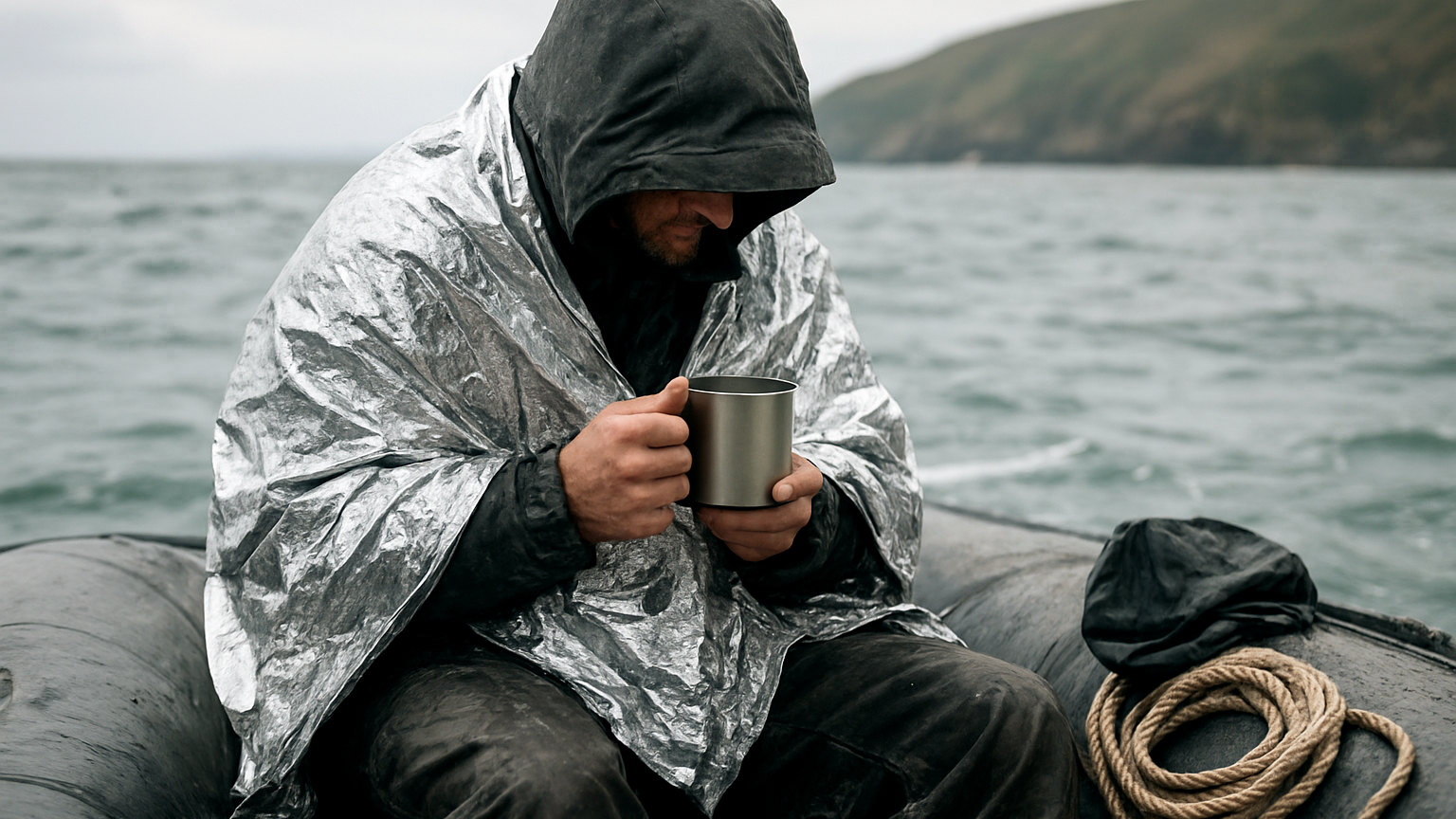
Shelter and insulation, which is why a group shelter and a survival bag are the highest value items in a day pack. Being able to sit out a night in reasonable comfort turns a serious situation into an uncomfortable one, and it removes the pressure to move that causes most bad decisions.
How far can a search area grow?
Very quickly, which is the practical argument for staying. A party moving for two hours in an unknown direction expands the area to be searched enormously, since it grows with the square of the distance travelled. Rescue teams plan from a last known point and a likely route, so remaining near that point transforms the odds of a quick find.
Stay if anyone knows your route, if anyone is hurt, or if you are unsure of your position, and move only with a known destination and a viable route.