A well chosen camp is comfortable and a badly chosen one is a long night. The choice is made on a short list of practical factors that have little to do with how nice a spot looks.
What should you look at first?
Overhead. Dead branches, sometimes called widow makers, kill people and they are entirely avoidable by looking up before pitching. Standing dead trees, hung up branches and heavy limbs over the sleeping area are all reasons to move. Do this before anything else, since it is the only factor that could be fatal.
What about the ground?
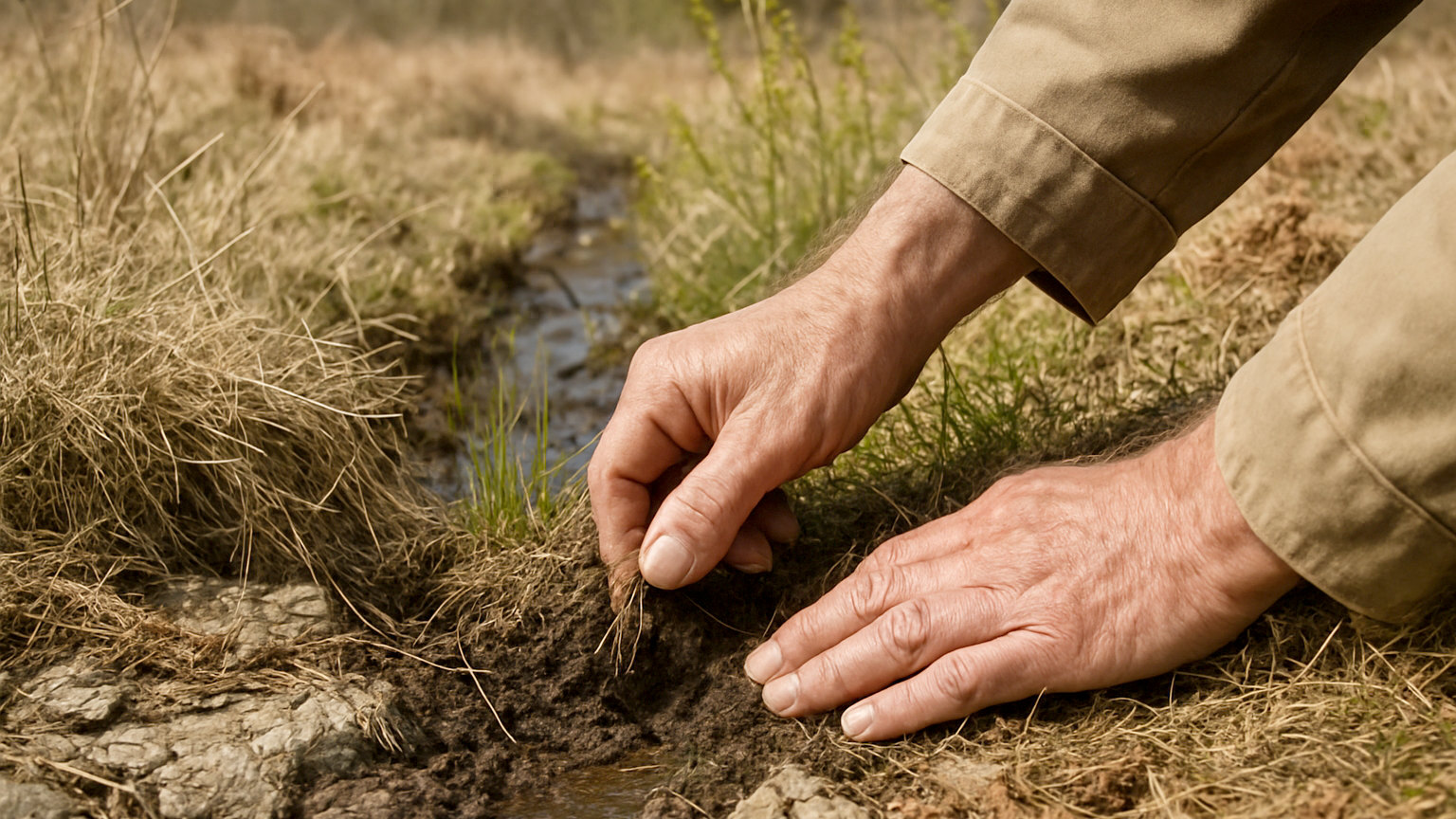
Flat, dry, and not in a hollow. Cold air sinks, so valley bottoms and hollows are noticeably colder overnight than ground slightly higher. Avoid dry watercourses and depressions, which flood in rain. Look for ground that drains, avoid moss and rushes which indicate damp, and clear stones and roots from where you will sleep.
- Check overhead for dead branches before anything else
- Avoid hollows, where cold air collects at night
- Pitch out of the wind but not in a drainage line
- Keep fire well away from shelter, roots and peat
- Have water reasonably close but not on the bank
- Set up before dark, allowing more time than you think
How do you use the wind?
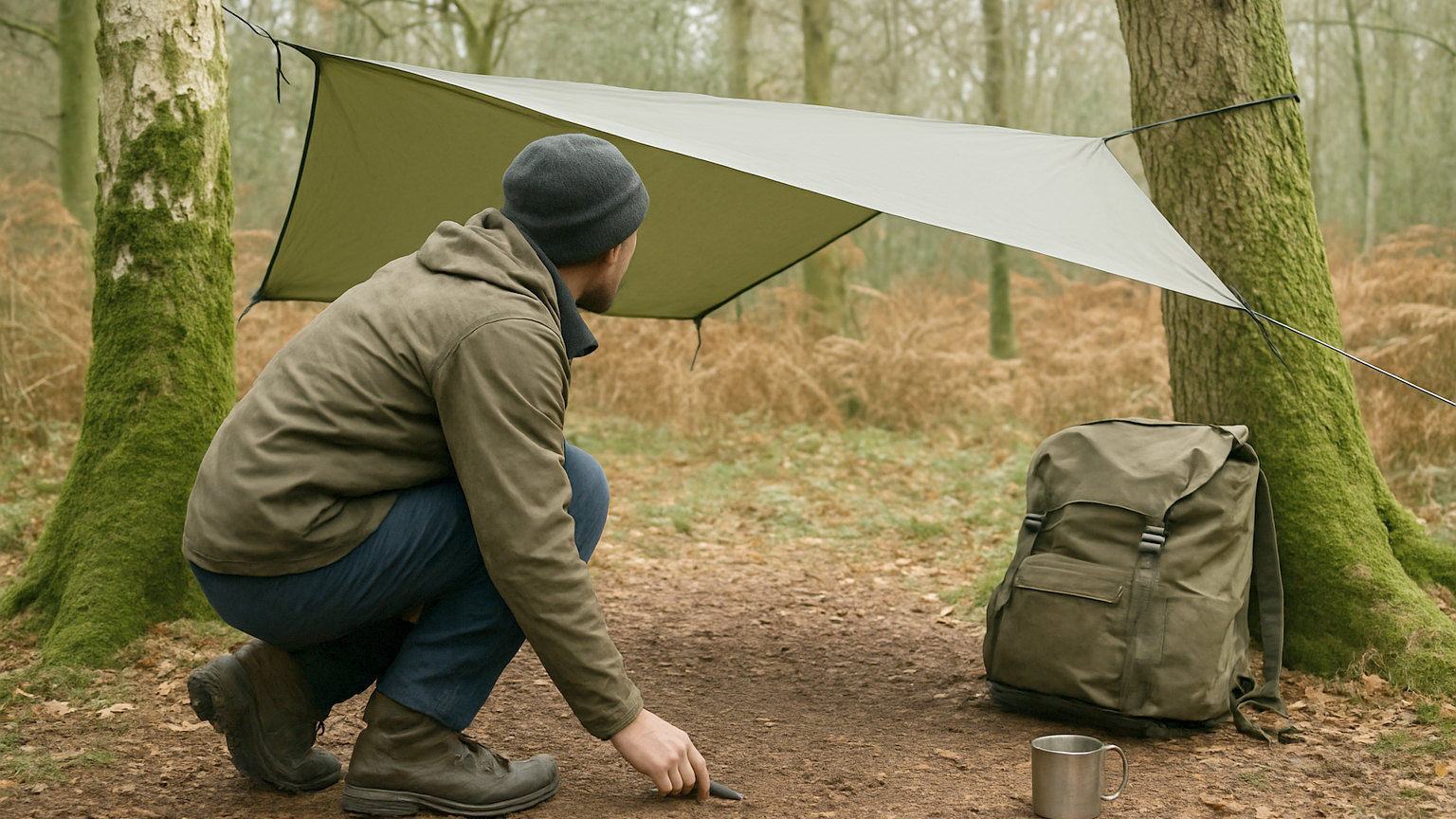
Pitch with the back of the shelter to the prevailing wind and the opening away from it, and site the fire to one side rather than directly upwind or downwind. Wind direction shifts overnight, particularly in valleys where it drains downhill after dark, so a little shelter from terrain or vegetation is worth more than a perfect orientation.
Where should the fire go?
Far enough from the shelter that sparks cannot reach it, which is further than instinct suggests, particularly with a synthetic tarp that melts. On mineral soil, never on peat or over roots, with a cleared area around it. Downwind of the shelter so smoke blows away rather than through. Keep water beside it before lighting.
How close should water be?
Close enough to be convenient, not so close as to be a problem. A few hundred metres is ideal. Camping directly on a bank means damp ground, more insects, disturbance to wildlife and a risk if levels rise. It also concentrates impact on exactly the ground that is most sensitive, which matters if the site is used repeatedly.
How should the camp be organised?
With everything in a known place. A designated spot for the pack, for cooking, for water containers, for the torch and for waste. A camp where things are put back is one where you can find a head torch in the dark. Keep the sleeping area clean and free of food, keep tools sheathed and stored, and keep the fire area clear of clutter.
When should you set up?
Earlier than planned. Pitching in daylight is dramatically easier than in the dark, and everything takes longer than expected in poor weather. Stopping an hour before you have to means a comfortable camp rather than a compromise. Experienced campers consistently stop earlier than beginners for exactly this reason.
What should you do before sleeping?
Secure everything and check the fire. Put tools away sheathed, hang or store food away from animals, stow anything that would blow away, and make sure the fire is out or safely contained. Keep a torch and shoes within reach. Note where you are relative to features, in case you need to move in the dark.
What about animals and insects?
Store food away from the sleeping area and expect visitors. In Britain the concerns are mice, foxes and badgers rather than anything dangerous, and all will investigate food left accessible and chew through a pack to reach it. Hang food or keep it in a sealed container. Midges near standing water in Scotland are a genuine reason to choose a breezier site.
Look up before pitching, avoid hollows and drainage lines, keep fire well clear of shelter and roots, organise the camp, and stop early enough to do it in daylight.