
Children can walk further than people expect and only if the day is arranged around them. A cold, hungry, bored child stops walking entirely, which turns a family day into a carry.
How far can children walk?
Less than adults and more than expected when engaged. A rough guide is around a kilometre per year of age for younger children as a comfortable day, which for a five year old means a few kilometres rather than a hill route. Ability varies enormously and interest matters more than fitness: a bored child manages half what an engaged one does.
Why do they cool faster?
Because they have a larger surface area relative to body mass, less insulating fat, and they stop and start rather than walking steadily. A child in a carrier is generating no heat at all and cools very quickly. Add layers before they complain, put a hat on, and check hands and faces regularly rather than waiting to be told.
- Plan much shorter distances than for adults
- Carry more food than seems necessary and stop often
- Add layers before they get cold, especially in carriers
- Bright clothing so they are easy to see
- Make the walk interesting rather than a distance to cover
- Turn back early and cheerfully rather than pushing on
How often should you stop?
Far more often than for adults, and for food. Children run out of energy quickly and recover quickly, so frequent short stops with snacks work far better than one lunch. Something every half hour or so keeps mood and energy up. Bring food they actually like rather than what is nutritionally ideal, since a child who will not eat gets cold and miserable.
How do you keep them going?
By making the walk the point rather than the destination. Streams, rocks to climb, things to find, games, stories and a snack at the top all matter more than the summit. Children respond well to short achievable targets: get to that tree, then we will stop. Racing to complete a route generally produces the opposite of what you wanted.
What should they carry?
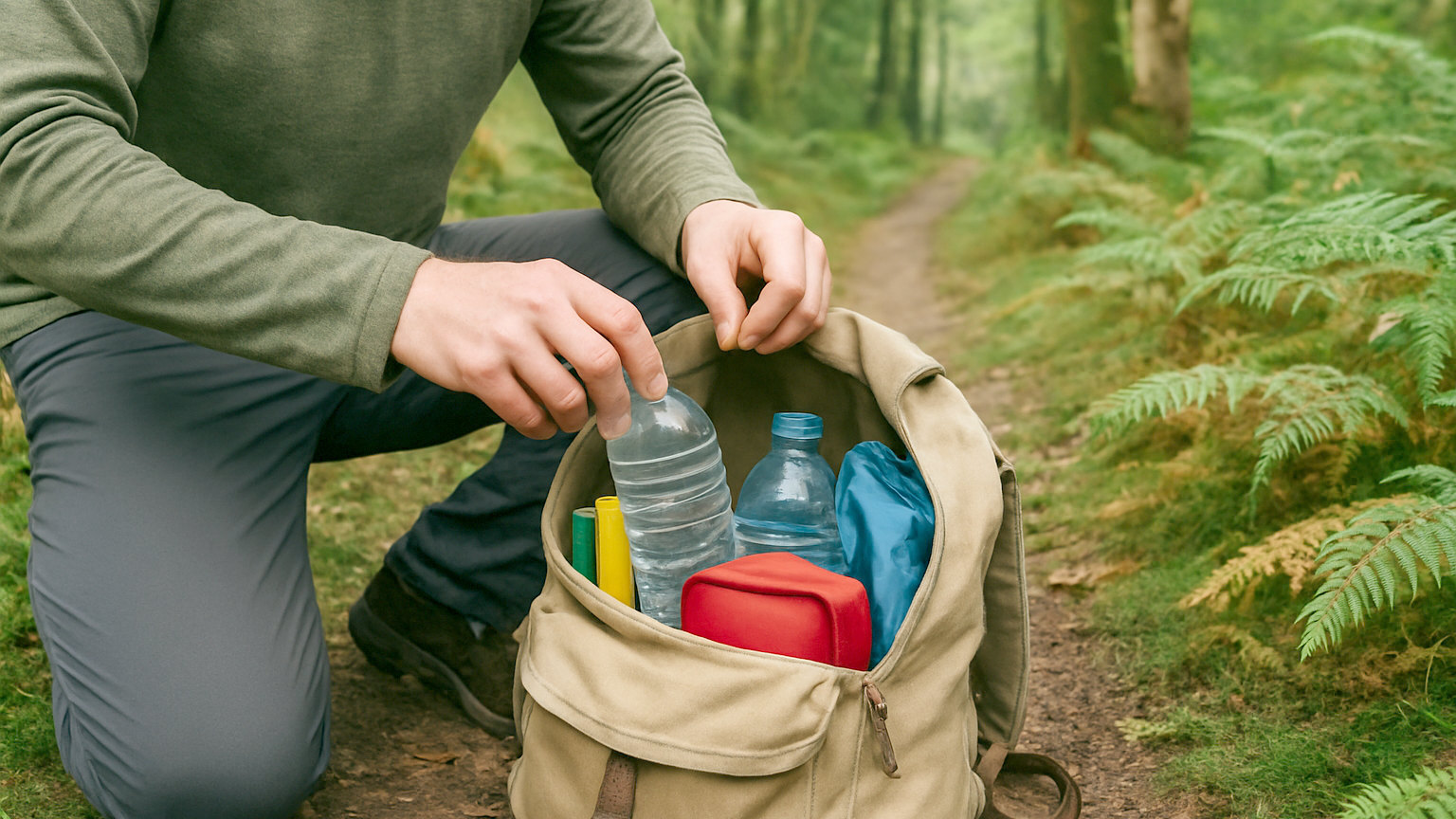
A small pack with their own snack, drink and perhaps a layer, which gives ownership and is genuinely useful. Keep it light, since an overloaded child becomes exhausted quickly and the pack ends up on an adult anyway. Adults should carry all the safety equipment and the spare clothing.
What about safety near hazards?
Hold hands or keep them close near cliff edges, steep ground, water and livestock, and be aware that children are impulsive and do not assess consequences. Establish clear rules about stopping at junctions and not running ahead out of sight. Bright clothing helps enormously if anyone becomes separated.
What if they refuse to move?
Food, a layer, a rest and something interesting, in that order, and then turn back if none of it works. A child who has stopped is frequently cold, hungry or frightened rather than being difficult. Forcing a distressed child up a hill teaches them to dislike walking, which loses far more than a summit gains.
How do you build them up?
Gradually and with successes. Short walks that end well, with the child finishing wanting more, build enthusiasm and stamina together. A single ambitious day that ends in tears sets things back a long way. Let them lead sometimes, let them navigate with a map, and let the walk be theirs.
What about carriers?
A child in a carrier generates no heat and is exposed to wind, so they cool far faster than the adult carrying them, who is working hard and feels warm. Dress them for standing still in the conditions rather than for walking, check hands and faces regularly, and use a hood or a cover against wind and rain. Also watch for overheating in sun, since they cannot move out of it.
Plan shorter routes, stop often with food, layer them before they cool, make it interesting, and turn back cheerfully rather than pressing on.


