Is a Multi Tool Worth Carrying
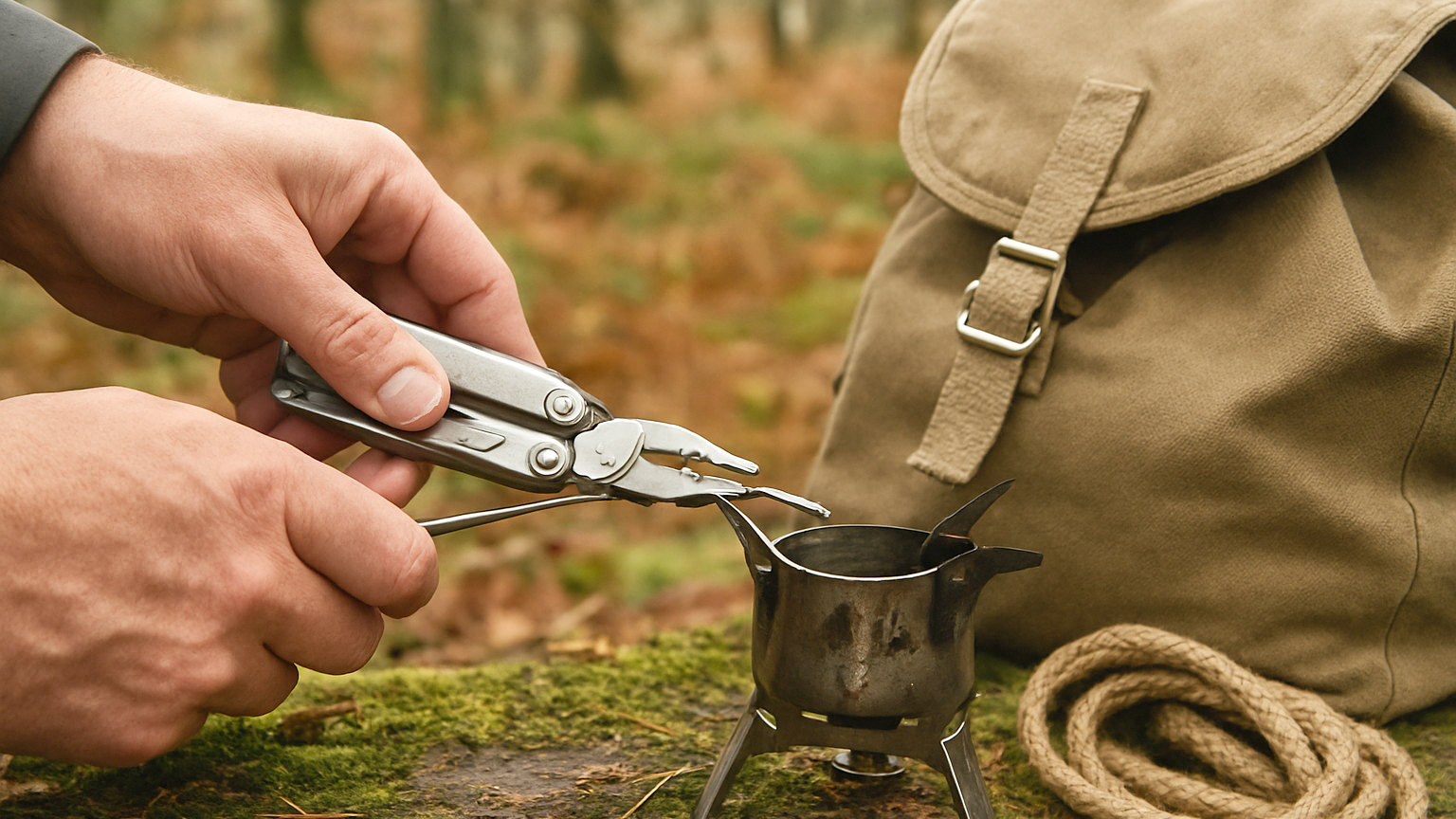
For anyone who fixes things, yes. Pliers are the part that justifies it, and the locking blade on many models creates a legal problem in the UK.
By Survival Basics Team
14 May 2026

The instruction to keep three days of supplies is repeated everywhere and explained almost nowhere. These guides cover how much water a person actually needs per day, what food genuinely lasts and under what conditions, how to store it without giving anyone food poisoning, and how to cook it when the hob is dead. The best emergency store is mostly food you already eat, bought slightly ahead and rotated through the cupboard, rather than a sealed bucket you will open in 2039 and immediately regret.
For anyone who fixes things, yes. Pliers are the part that justifies it, and the locking blade on many models creates a legal problem in the UK.
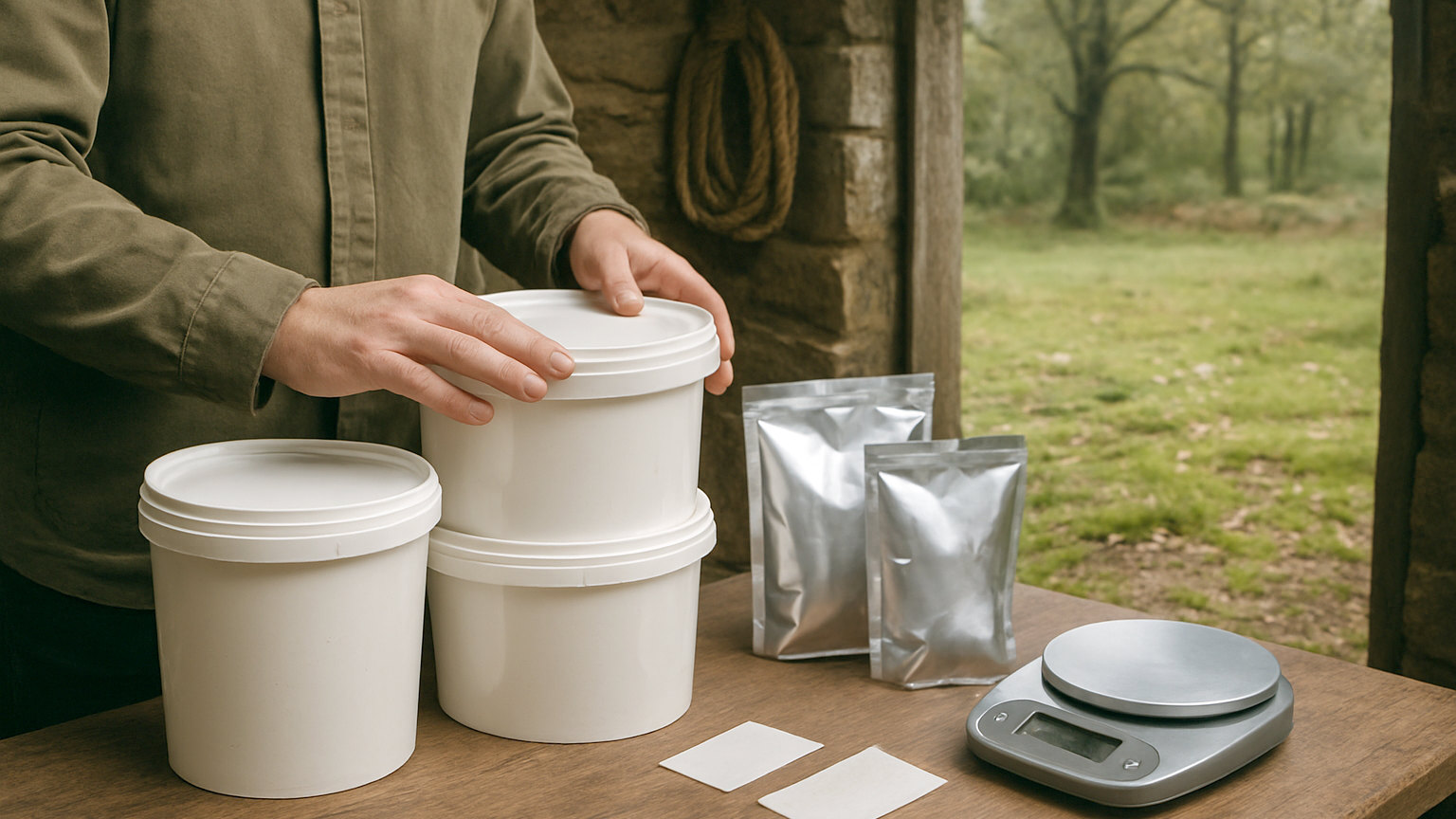
Contents, weight, date packed and absorber size, on the bag and the bucket. A decade later, an unlabelled store is a row of identical mysteries.
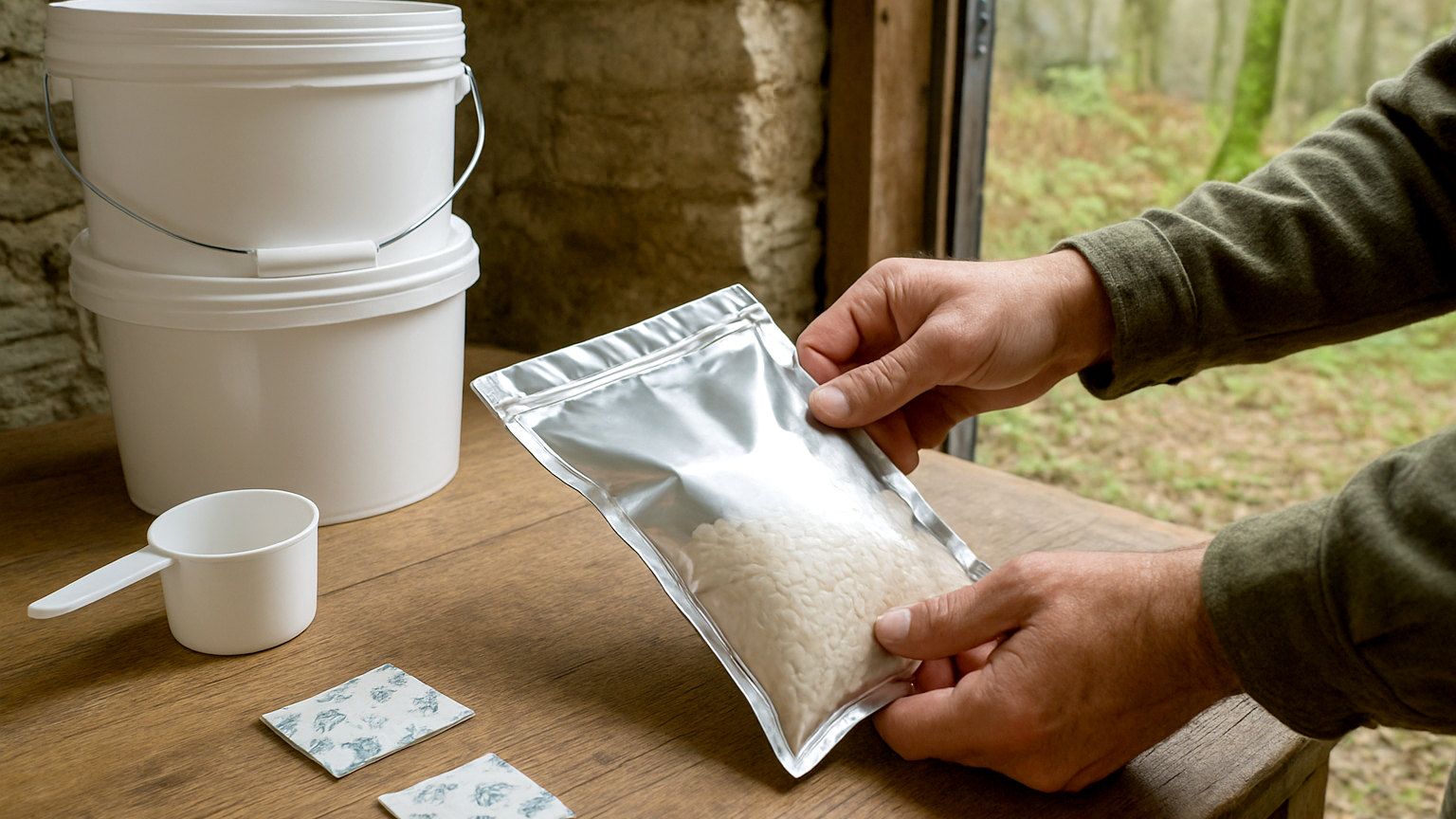
Freeze it first, pack it in mylar with absorbers, seal it in a bucket and keep it cool. The whole process takes an afternoon for a substantial quantity.
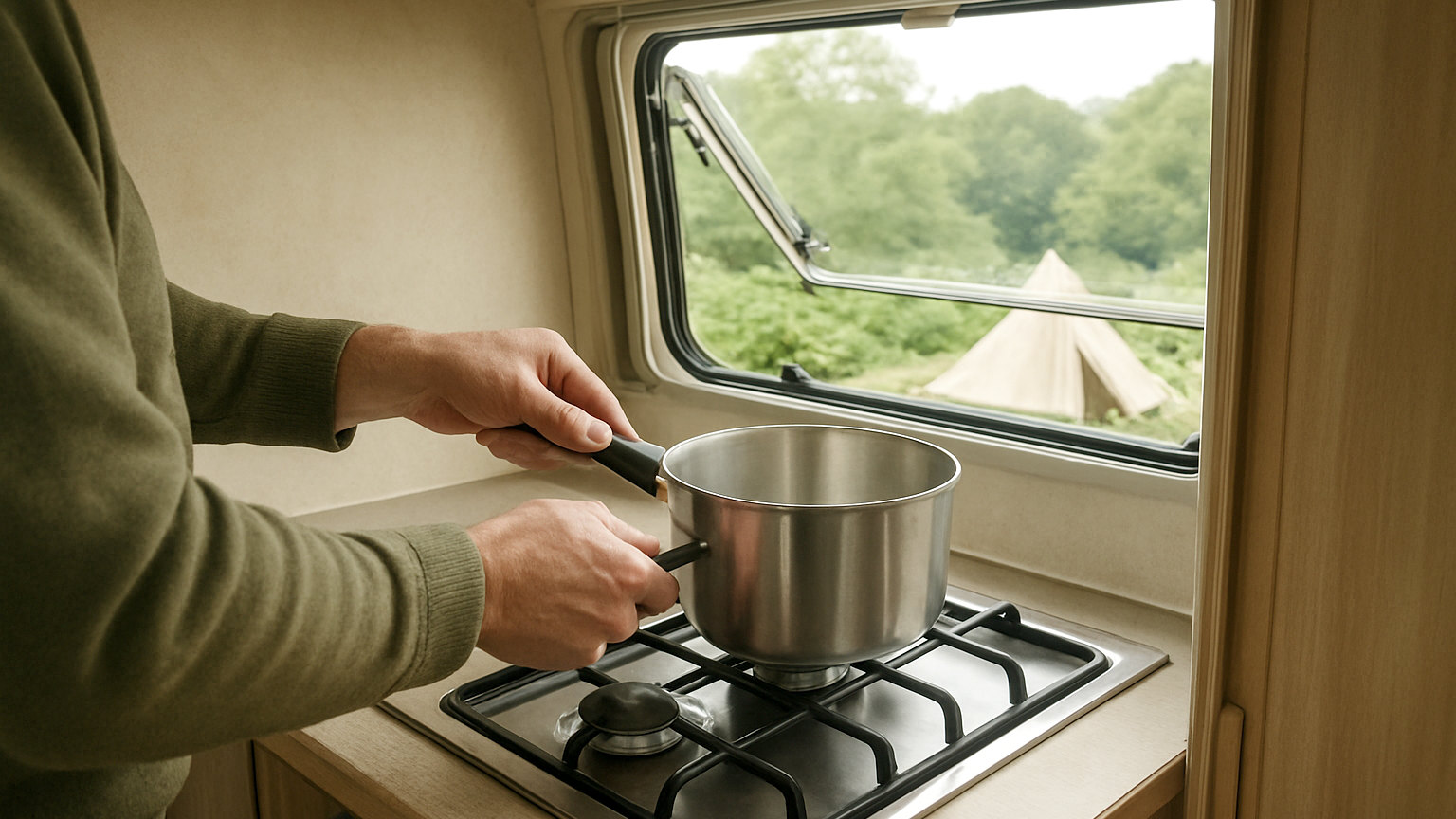
In a tent, you do not. In a caravan, only with the fitted appliance and its ventilation. The distinction is between designed installations and improvised ones.
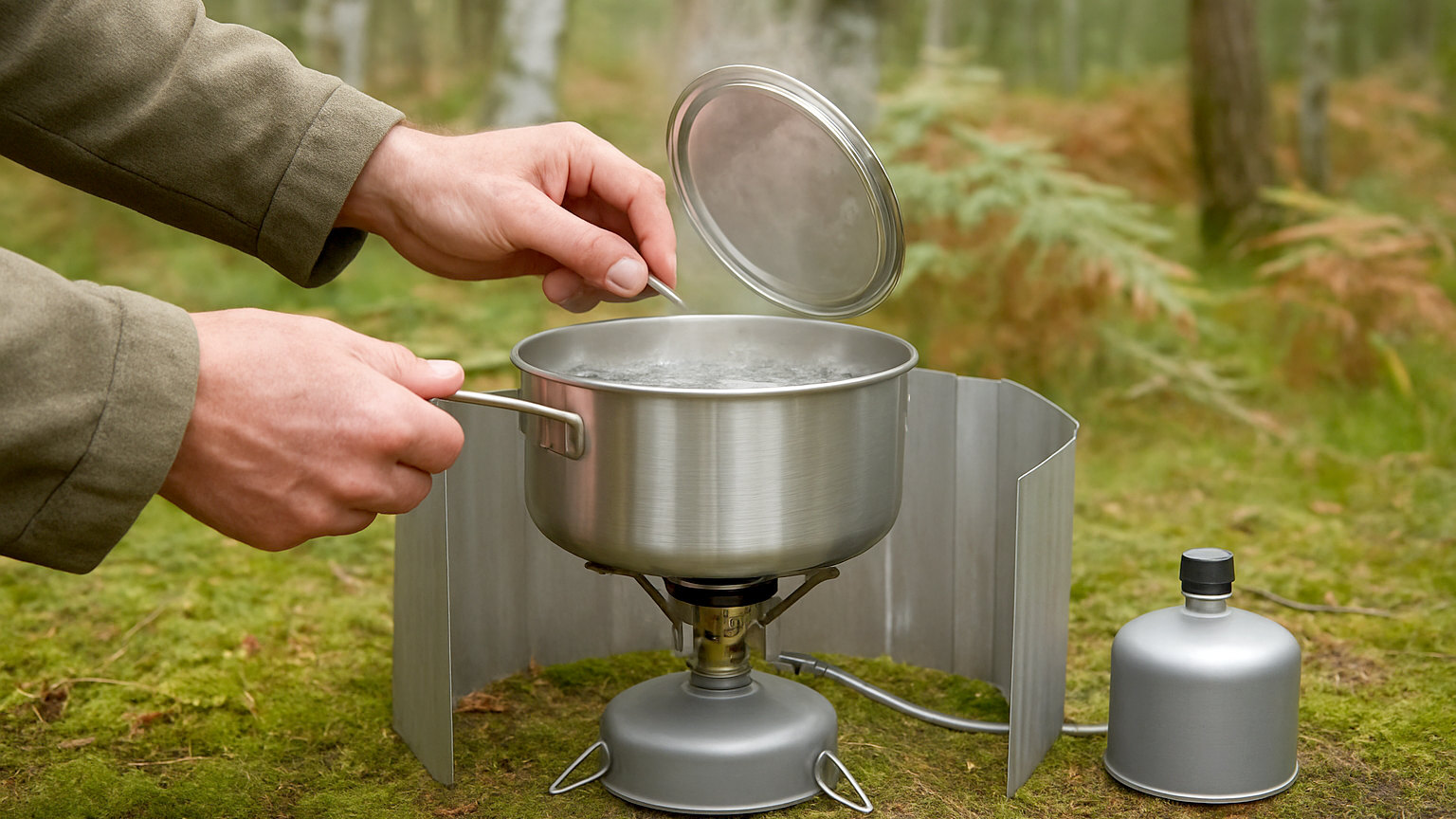
A lid, a windshield and the right amount of water roughly halve fuel use. Boiling is the largest single demand on a stove and the easiest to reduce.
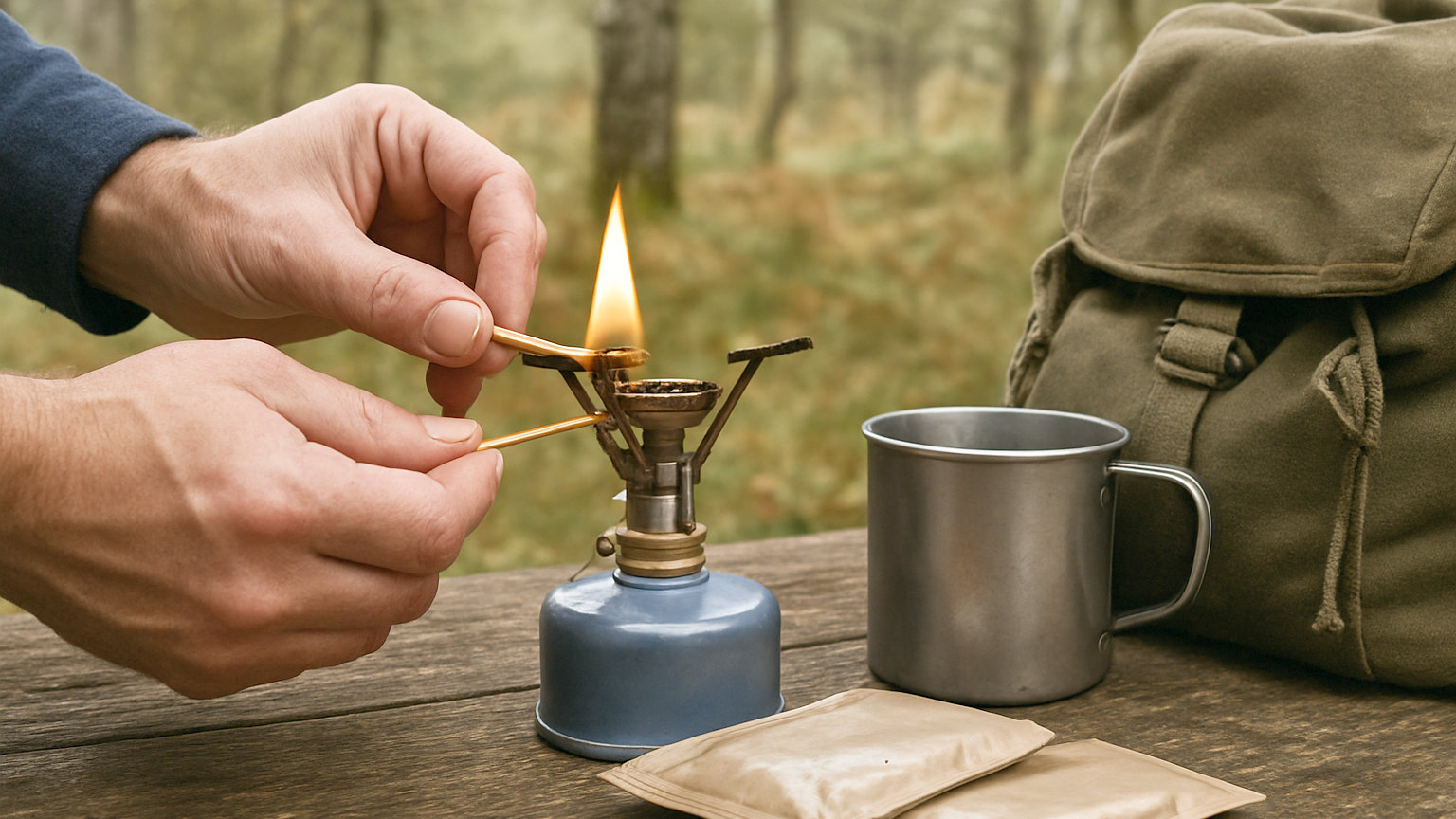
A gas hob may still light with a match, a camping stove works outdoors, and the first day should not need cooking at all. The order matters.
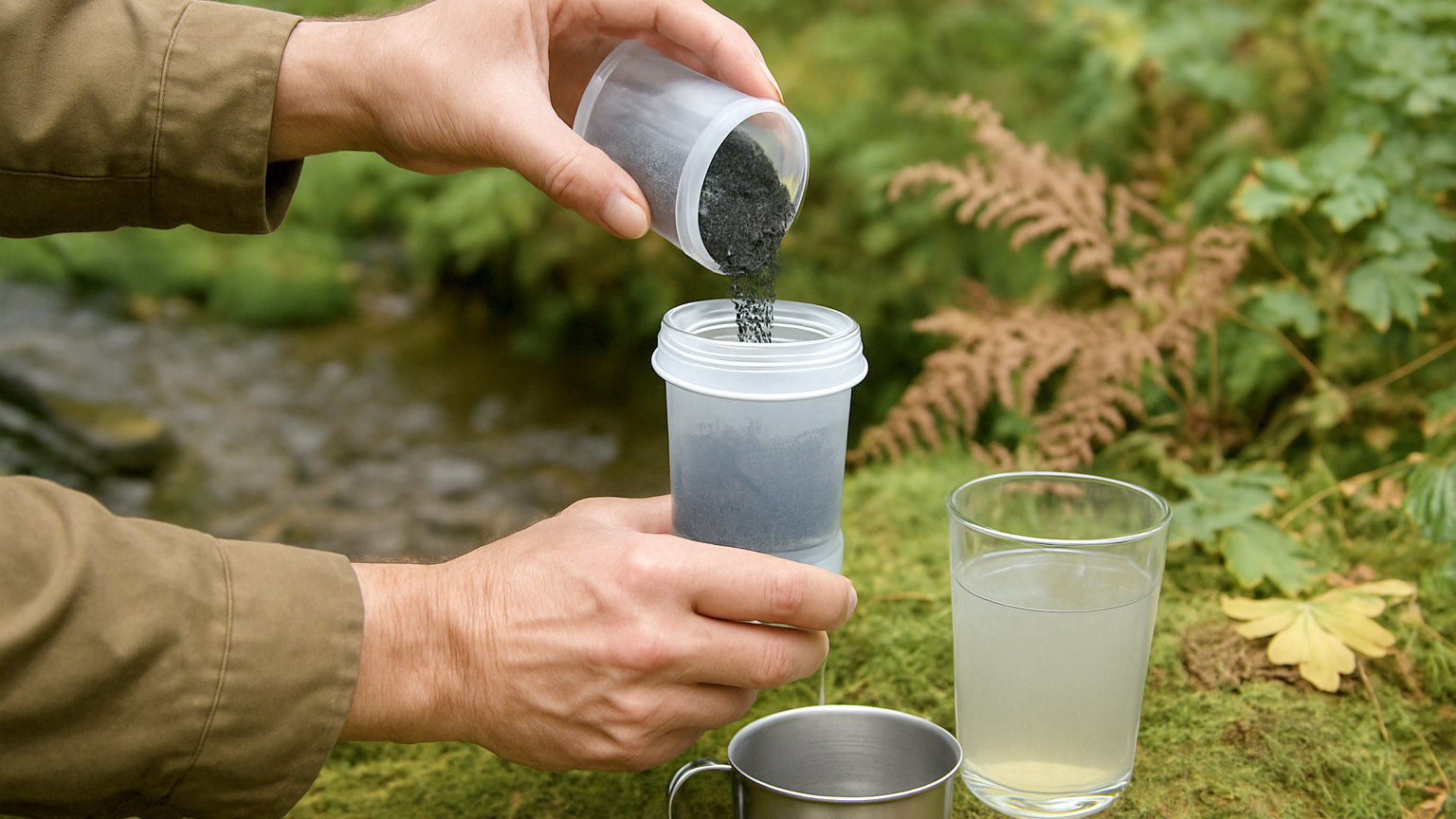
Taste, odour and some chemicals. It kills nothing and removes no organisms, and mistaking it for water treatment is a genuinely dangerous error.
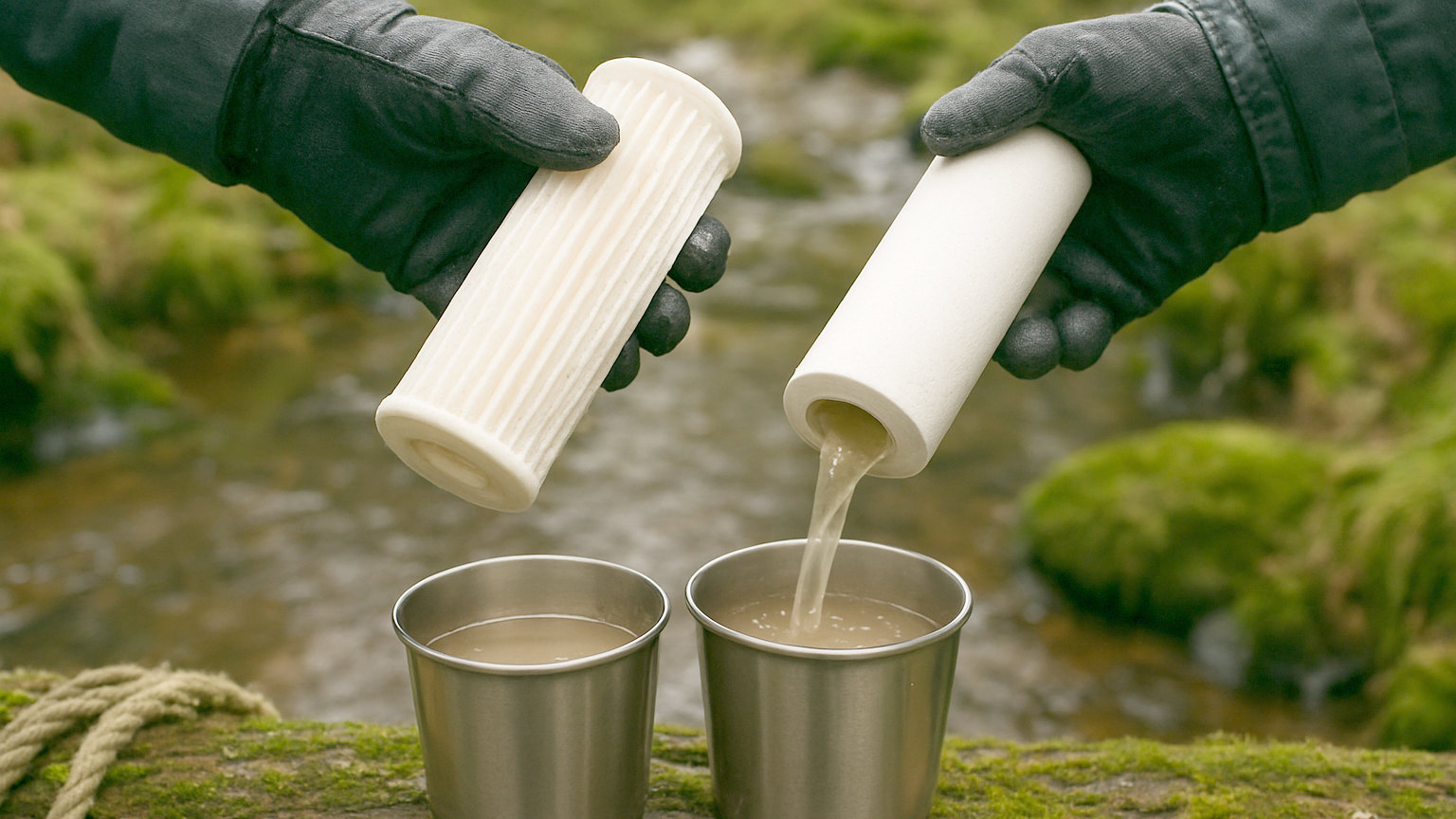
A pore size in millionths of a metre, and the number tells you exactly which organisms get through. Absolute and nominal ratings are not the same thing.
Flushing and washing consume far more than drinking does. Planning only for drinking water leaves a household with a rapidly deteriorating problem.
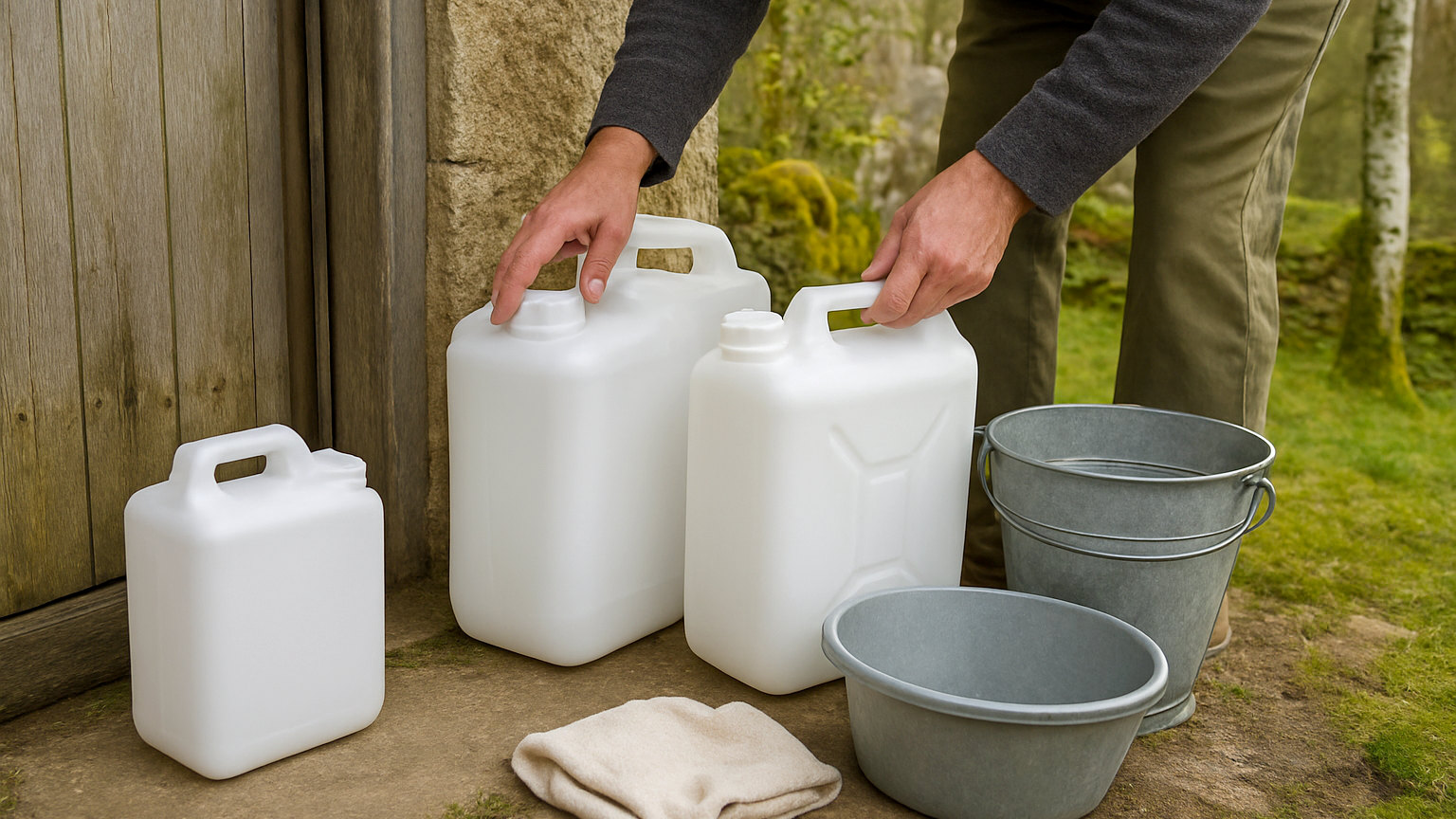
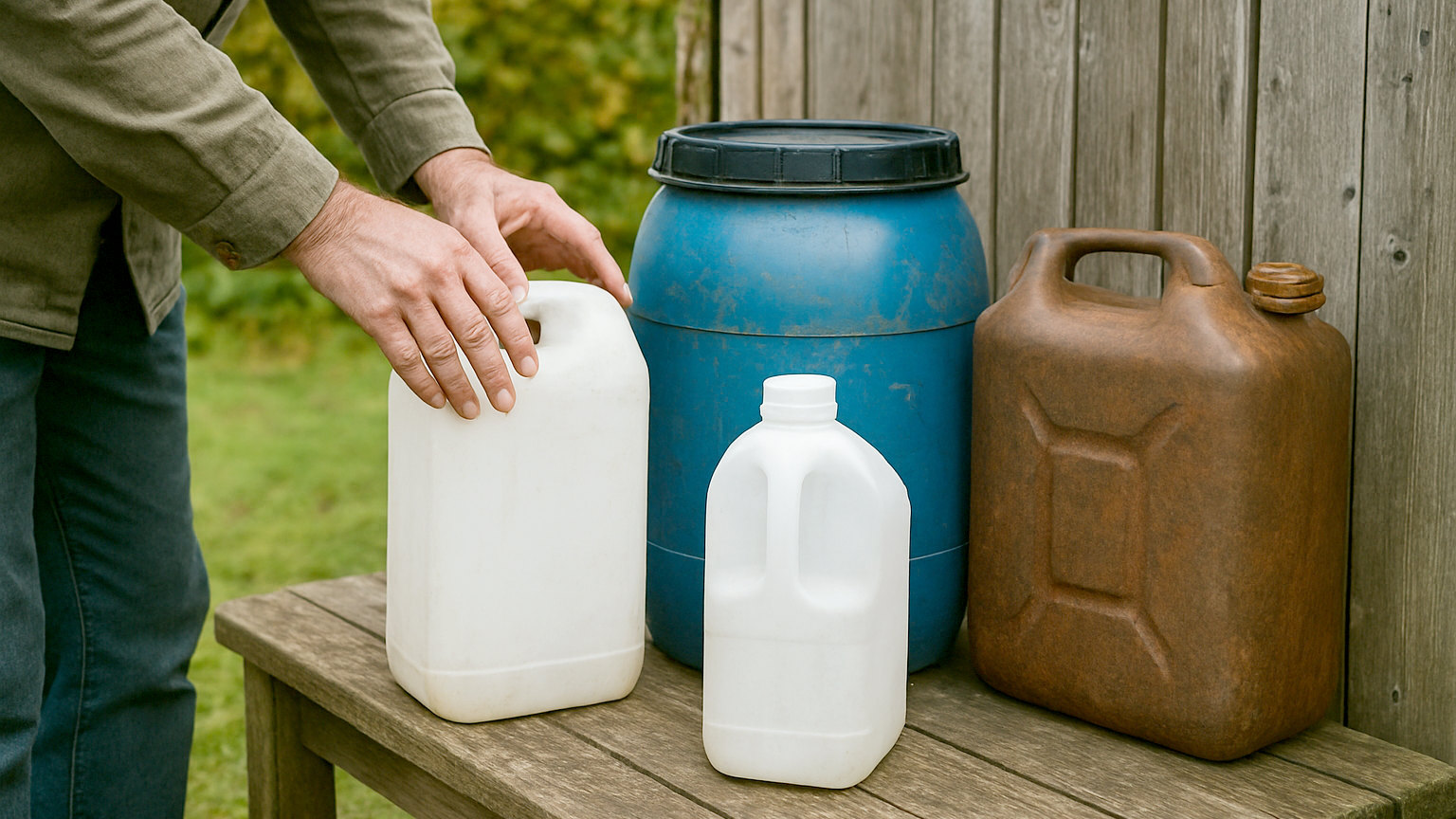
Milk bottles, chemical drums and anything not sold for food. Some of the worst options are the ones most readily to hand and free.
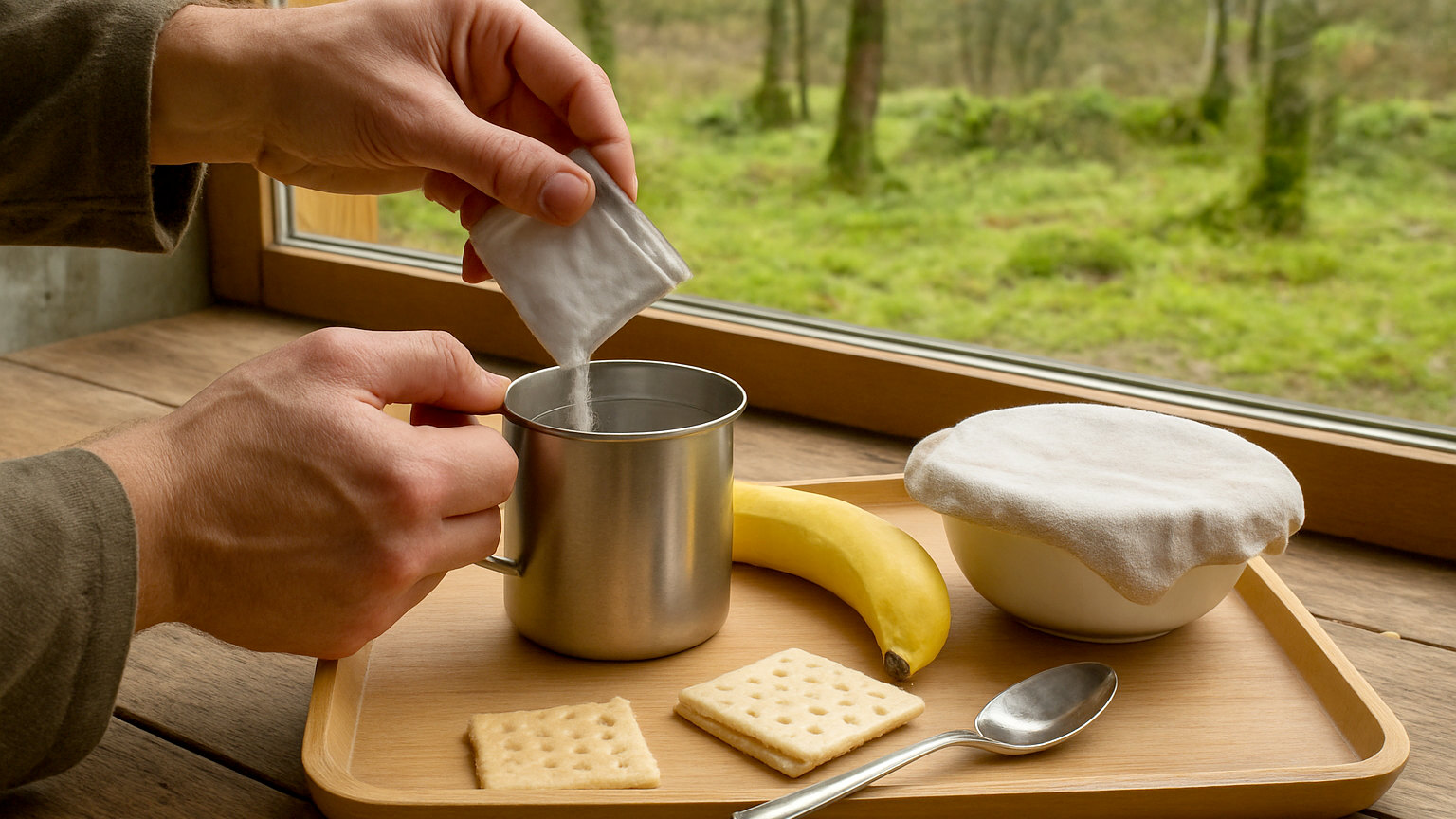
Fluids first, then whatever they will actually take. Rehydration salts are the single most useful thing to have and are almost never in the cupboard.
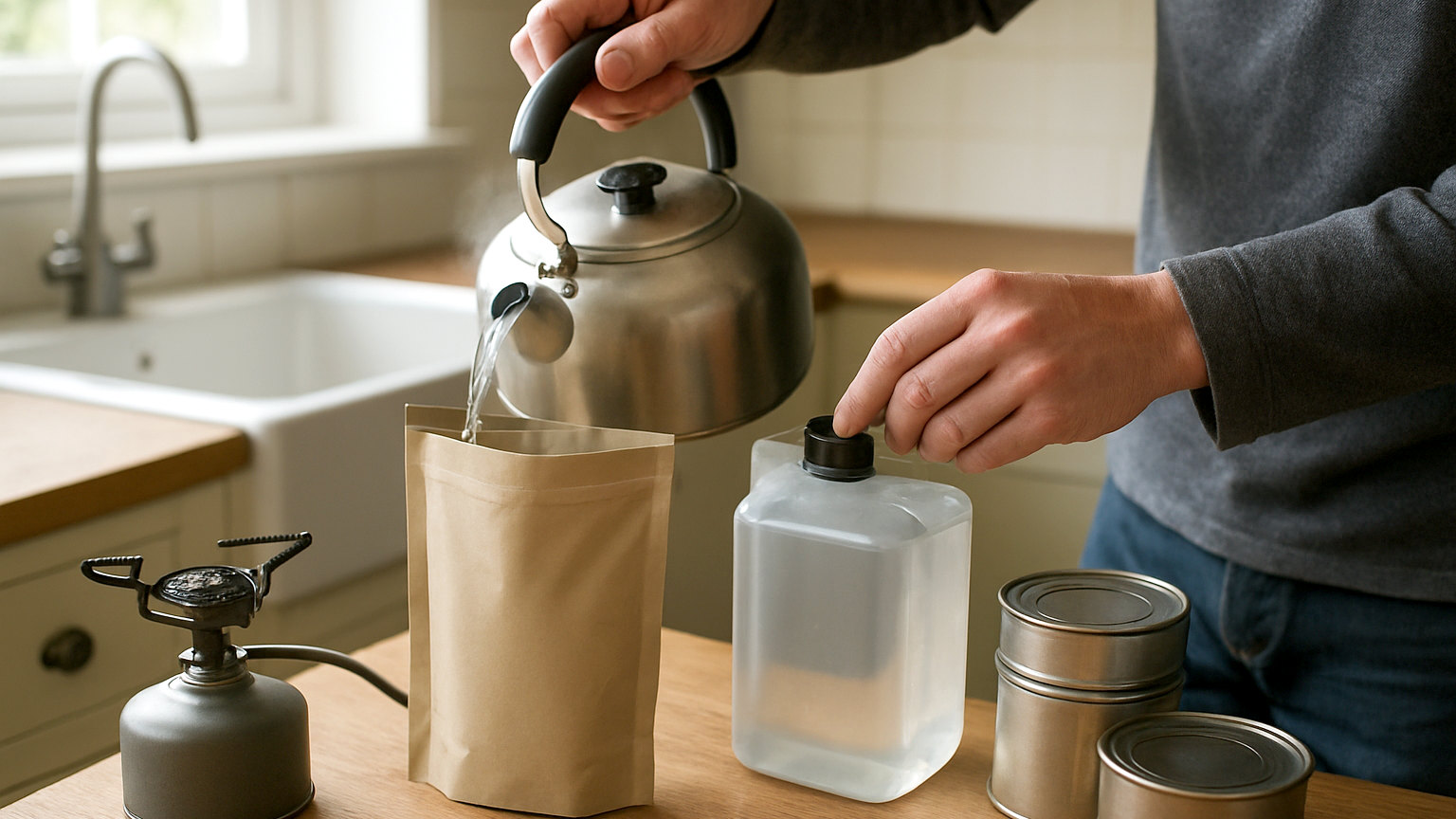
Extremely light, extremely long lasting, and it needs both water and heat. That last point makes it a poor fit for the emergency most households will face.