Which Containers Should You Store Water In
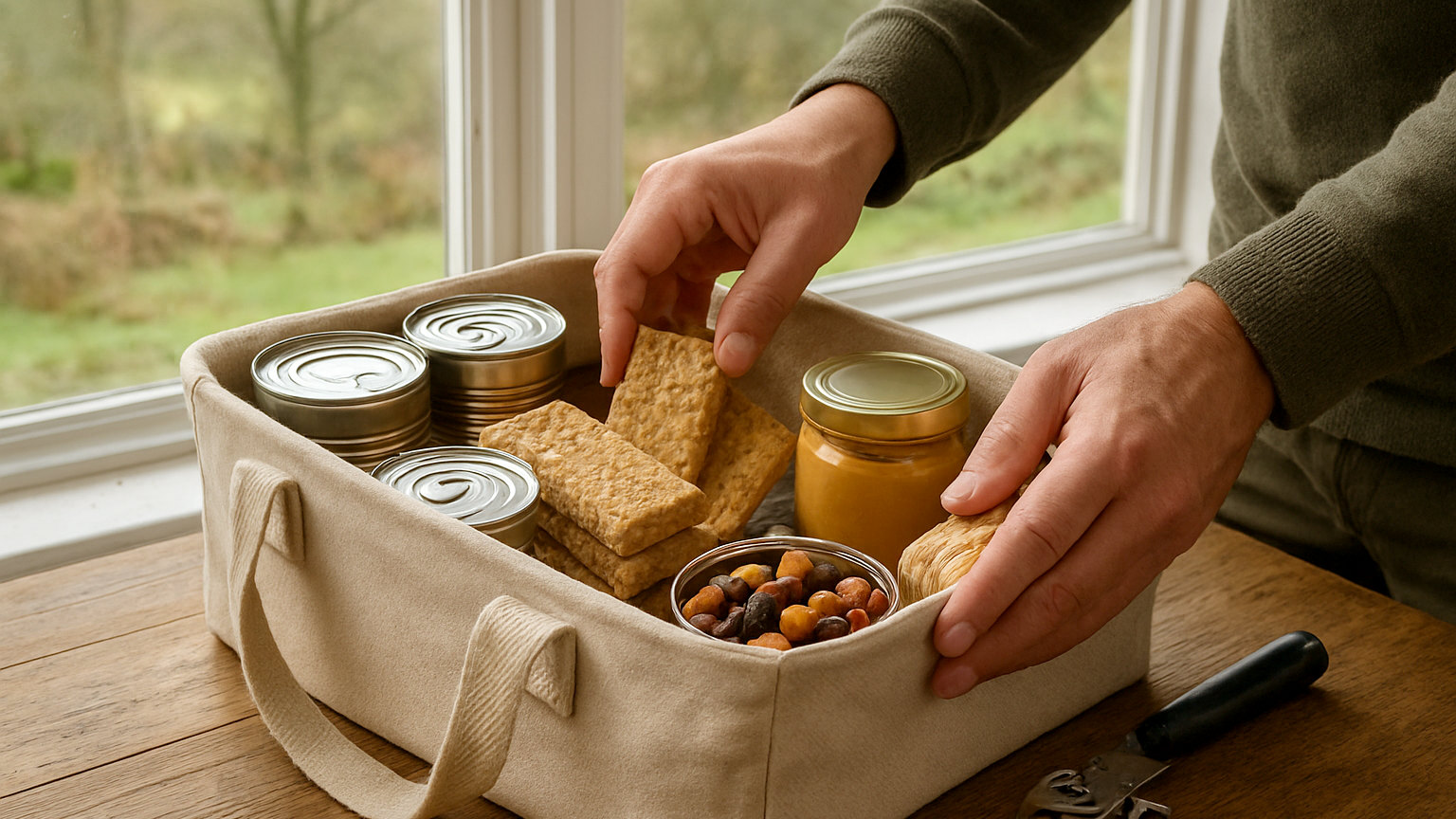
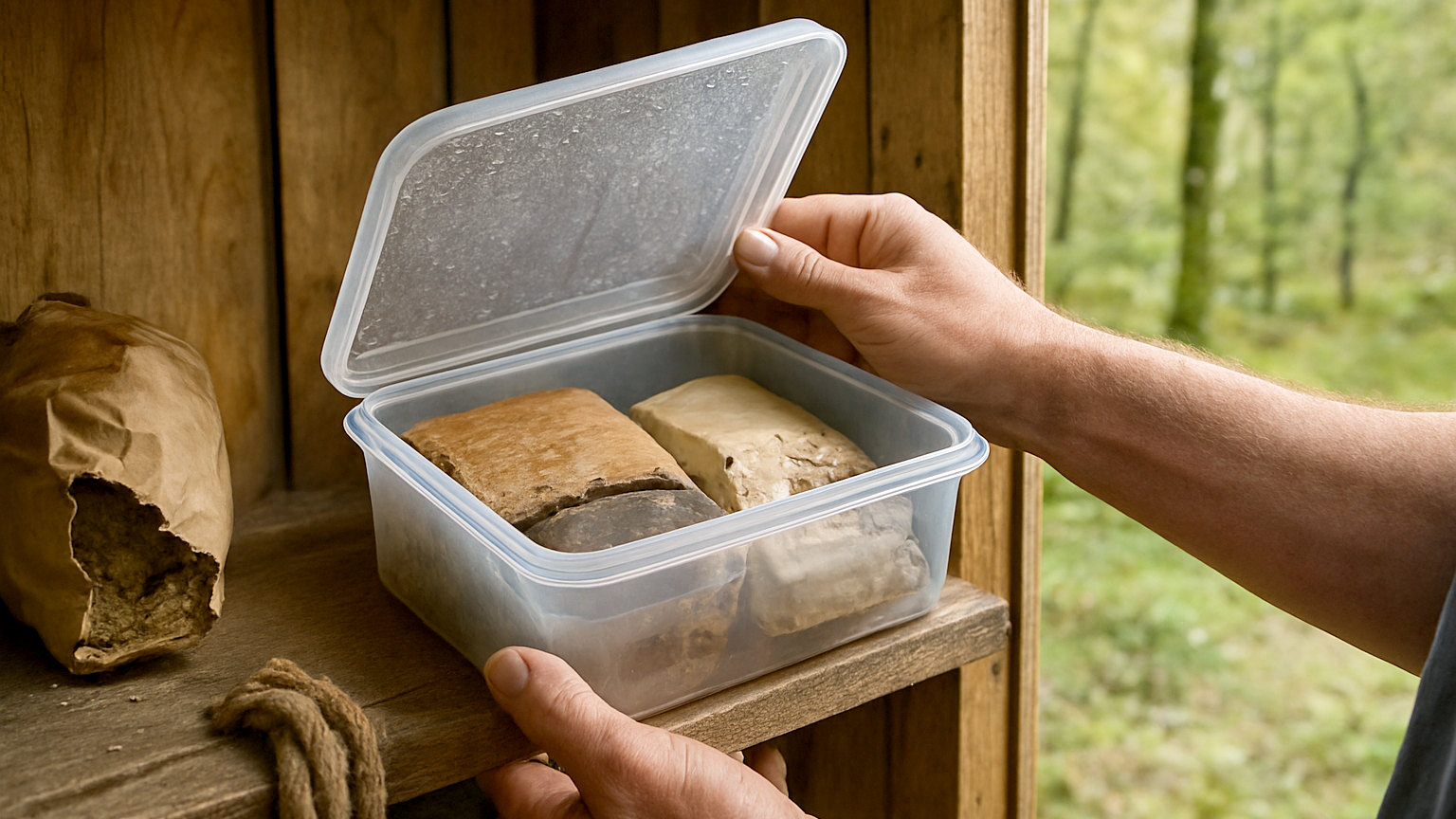
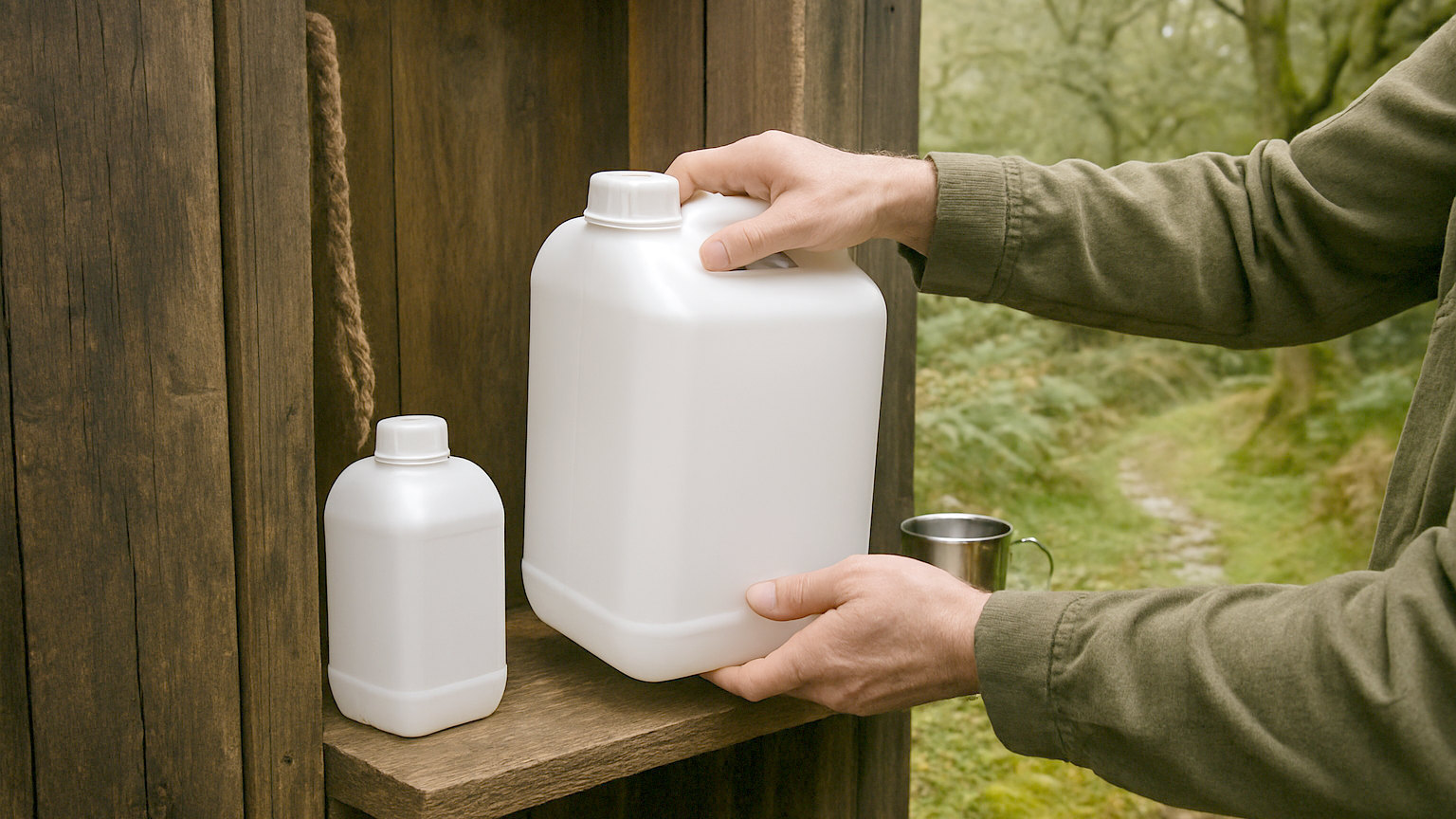
Food grade plastic, sealed, opaque and a size you can actually lift. Container choice determines whether a store is usable or simply present.
By Survival Basics Team
14 Jul 2026

The instruction to keep three days of supplies is repeated everywhere and explained almost nowhere. These guides cover how much water a person actually needs per day, what food genuinely lasts and under what conditions, how to store it without giving anyone food poisoning, and how to cook it when the hob is dead. The best emergency store is mostly food you already eat, bought slightly ahead and rotated through the cupboard, rather than a sealed bucket you will open in 2039 and immediately regret.
Food grade plastic, sealed, opaque and a size you can actually lift. Container choice determines whether a store is usable or simply present.
If the water is off, half the standard store becomes useless. Knowing which items need none is what makes a supply interruption manageable.
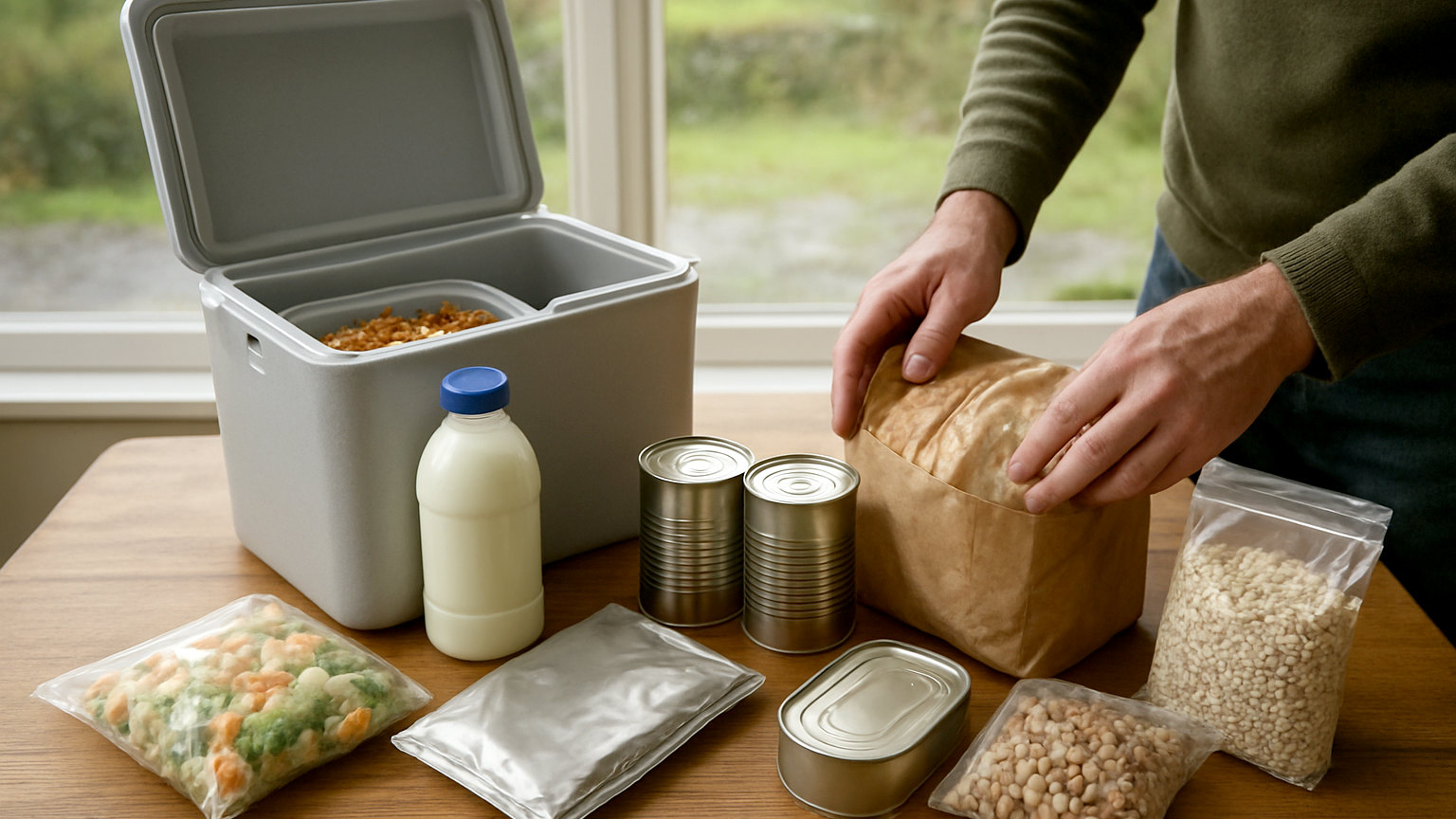
Work outward from the fridge, then the freezer, then the cupboard. Planning the order in advance prevents waste and keeps the best food for when morale needs it.
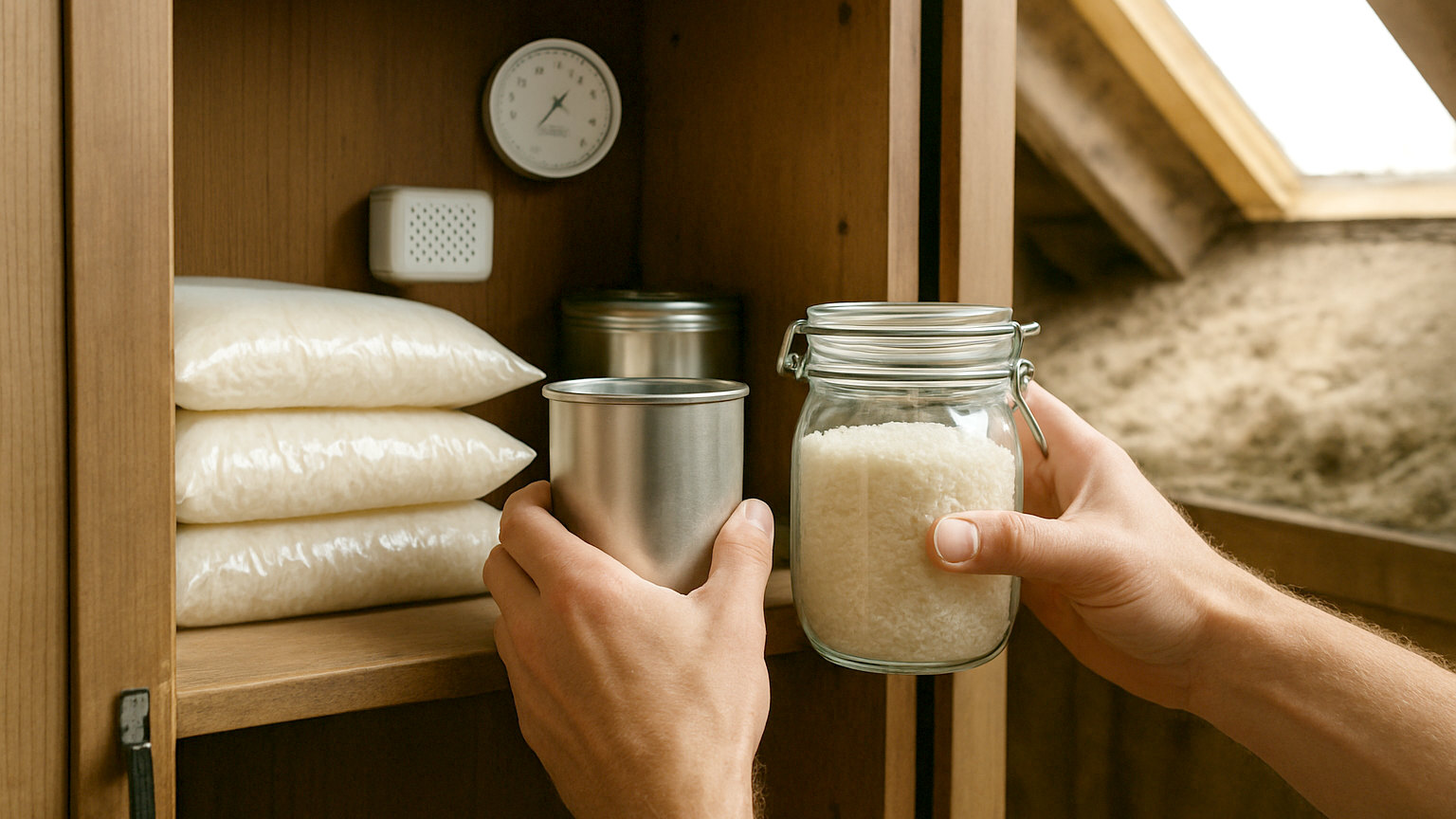
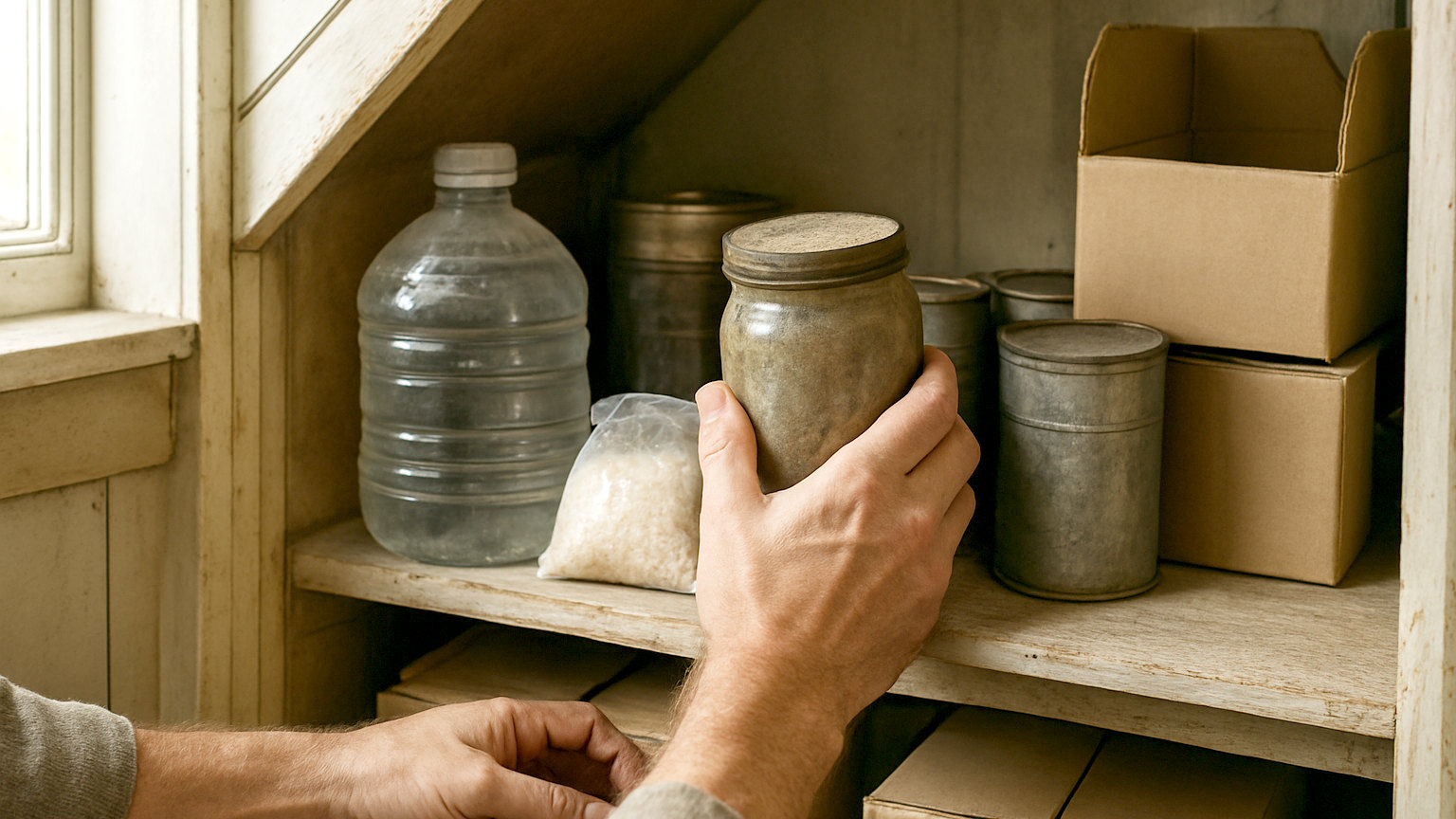
Shelf life roughly halves for every ten degree rise. That single relationship explains why the loft is hopeless and the hall cupboard is excellent.
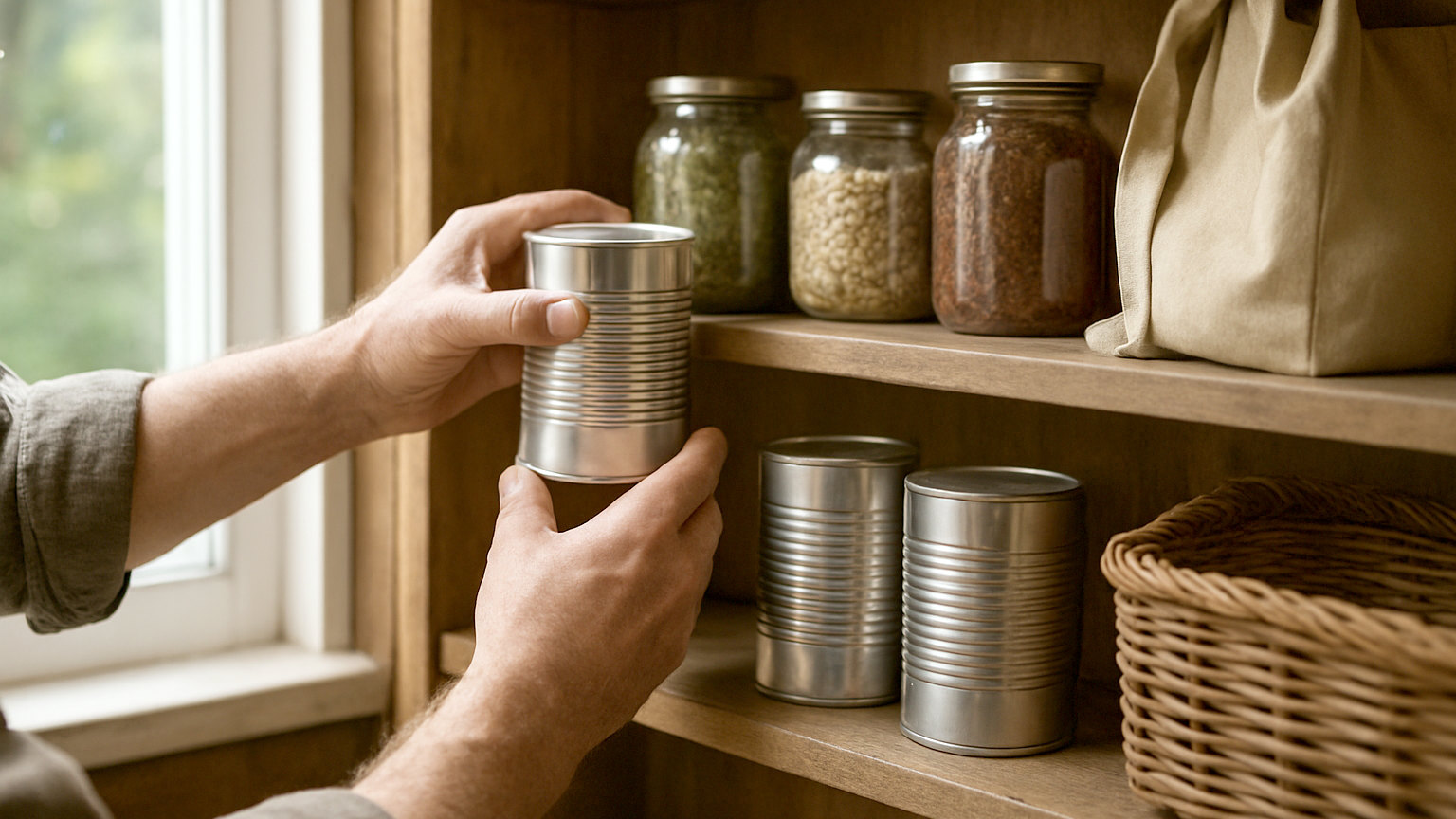
Oldest at the front, newest at the back, and eat from it normally. A store that is never eaten from is a store that quietly expires.
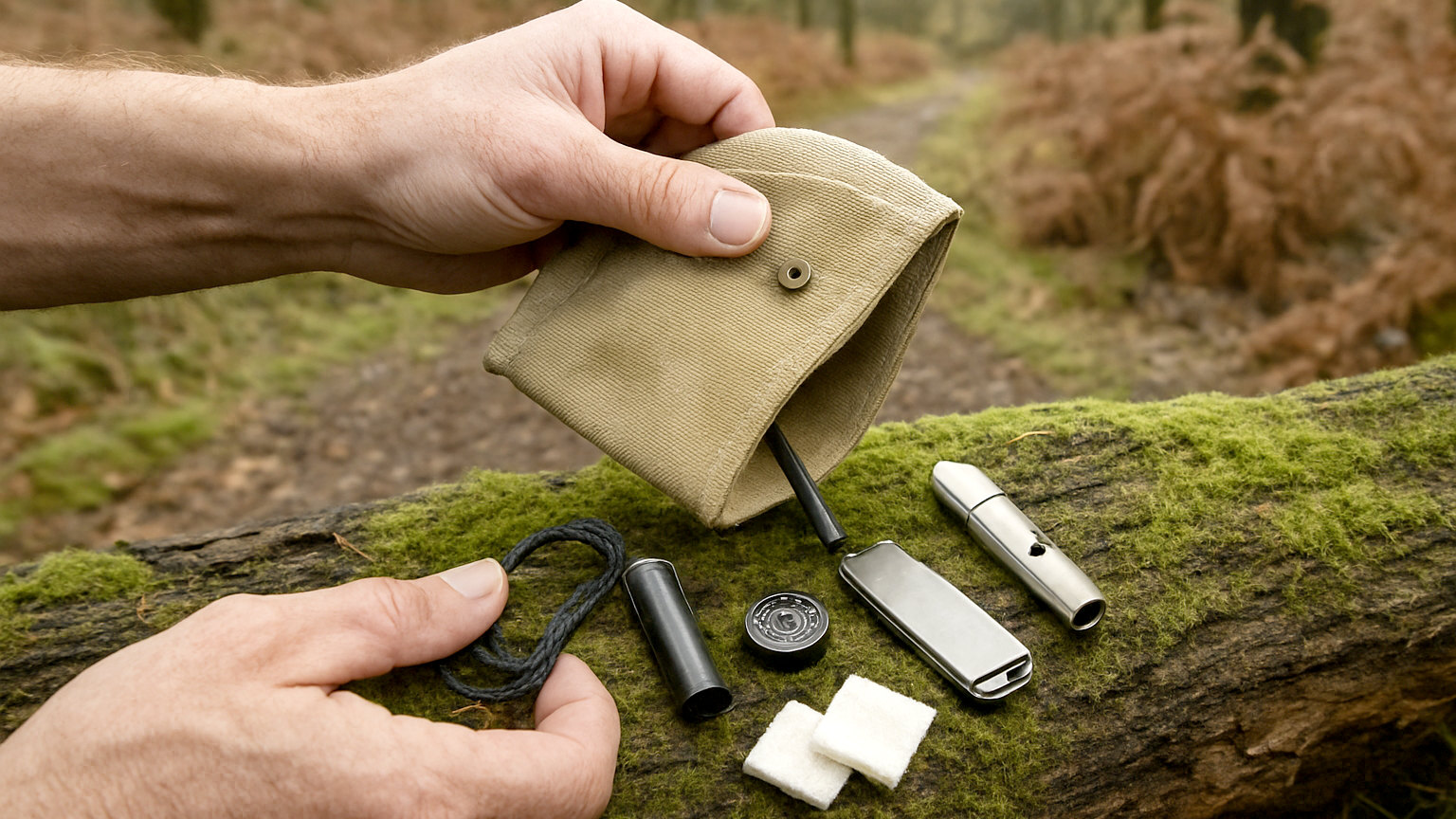
The things you would want if separated from your rucksack. Five items in a pocket cover most of it and weigh almost nothing.
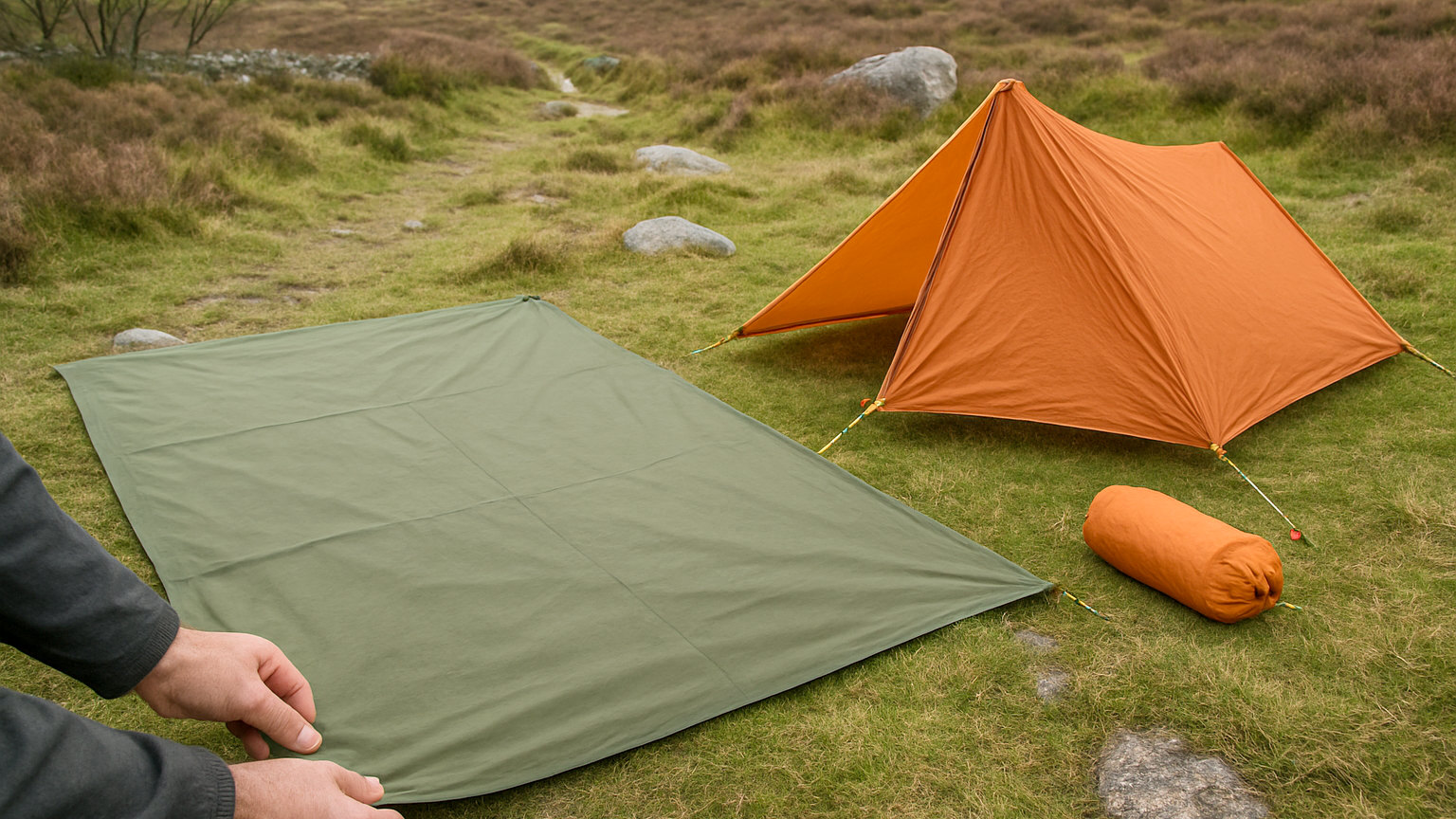
A three metre square in a durable fabric covers almost every pitch. Group shelters do a different job and are the better buy for most walkers.
When the basics are missing, when the space does not exist, and when the food stored is food nobody will ever eat. All three are common.
Heat, moisture, rodents, insufficient absorbers and the wrong food choice. Nearly all failures trace back to one of five things, and all are preventable.
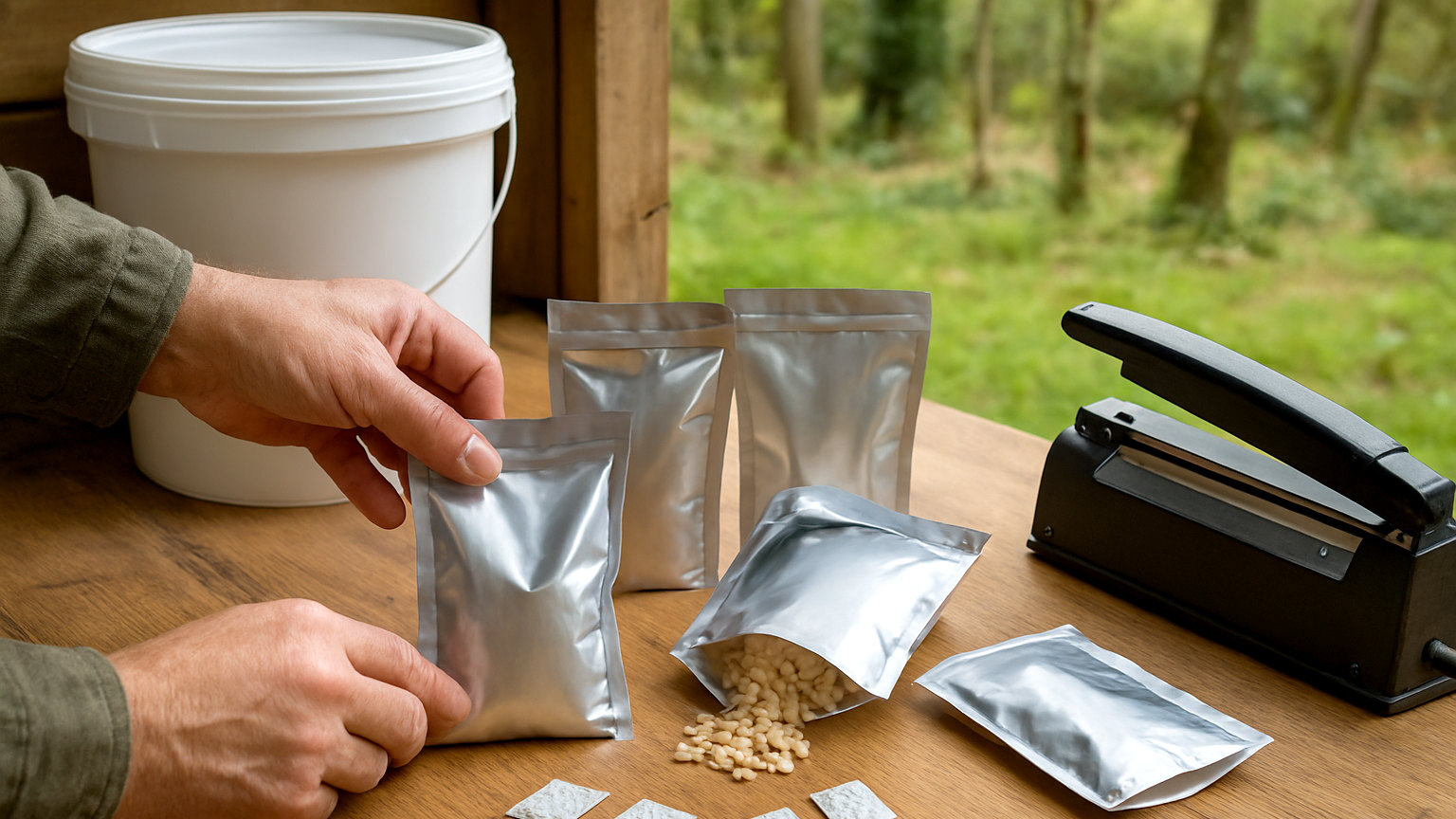
Storing dry staples for decades rather than months, using oxygen barriers rather than cupboards. A different discipline from keeping a deep pantry.
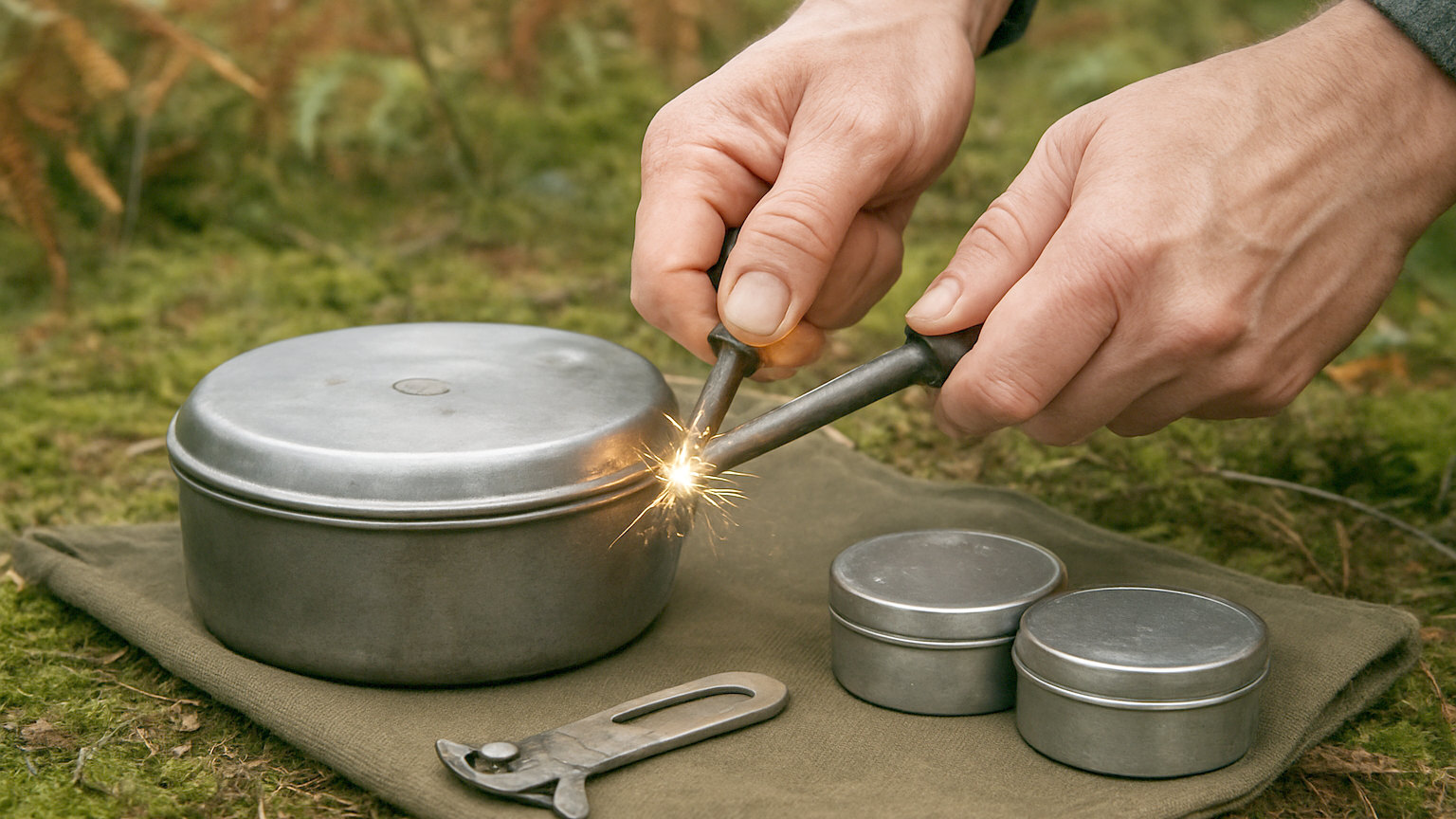
One decent pan with a lid, a means of lighting it and a manual tin opener. Almost everything else in the camping aisle is optional.
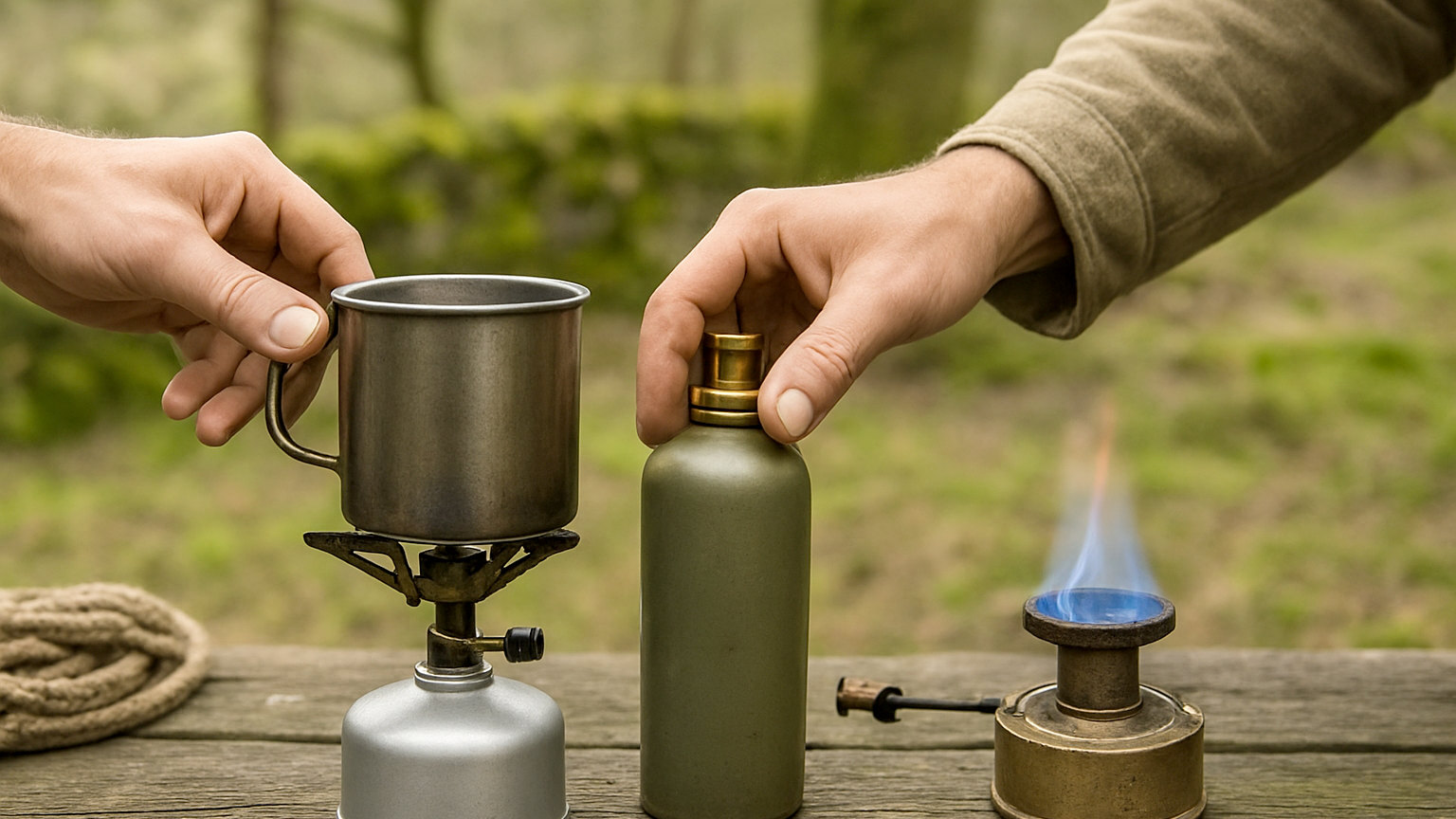
Gas for simplicity, liquid fuel for cold and remote use, meths for reliability. For a household power cut a basic butane stove does everything needed.