How Do You Build a Food Store Cheaply
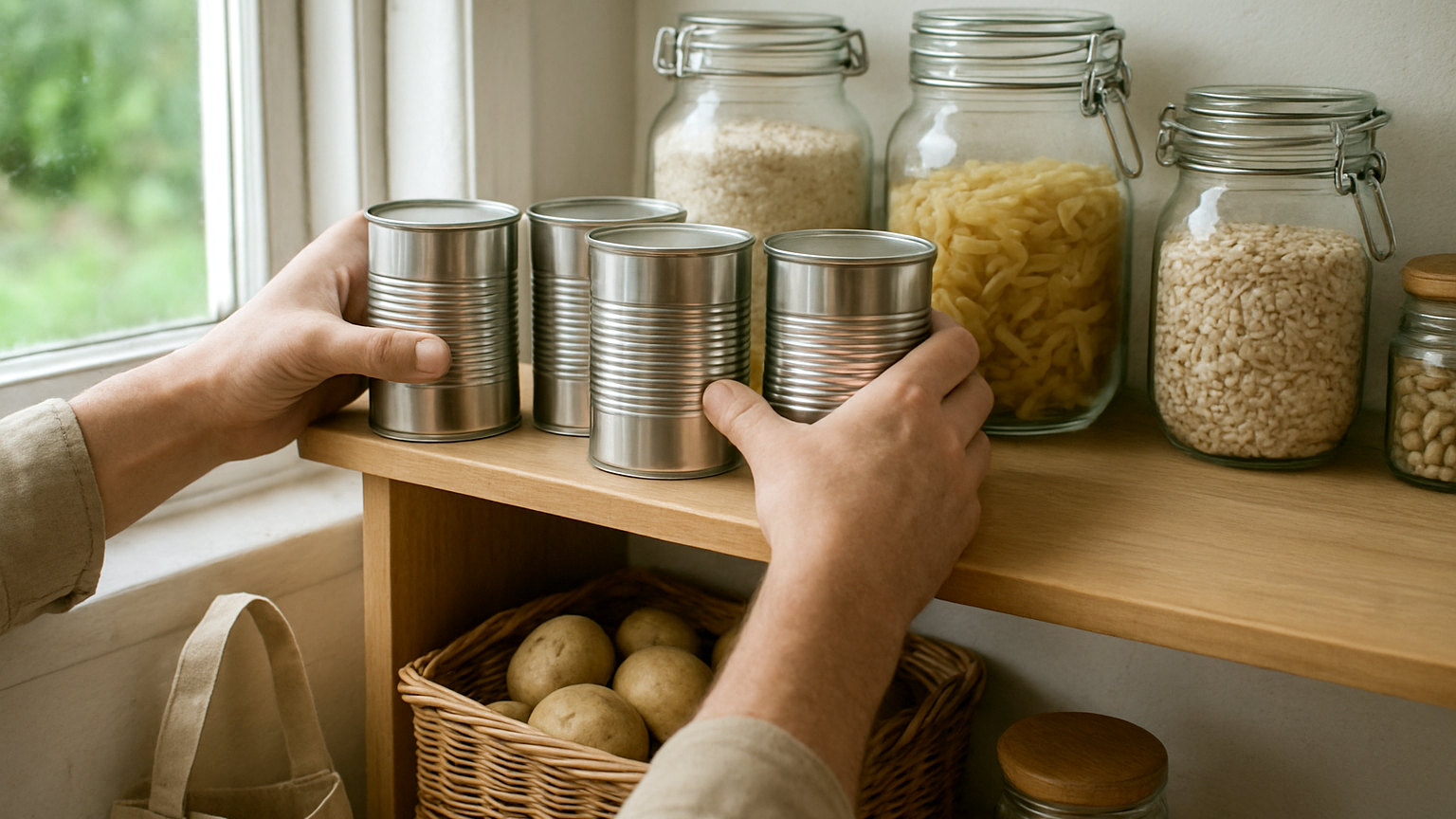
A few extra items on each shop, own brand, bought on offer. Built this way it costs almost nothing extra and none of it is ever wasted.
By Survival Basics Team
4 Aug 2026

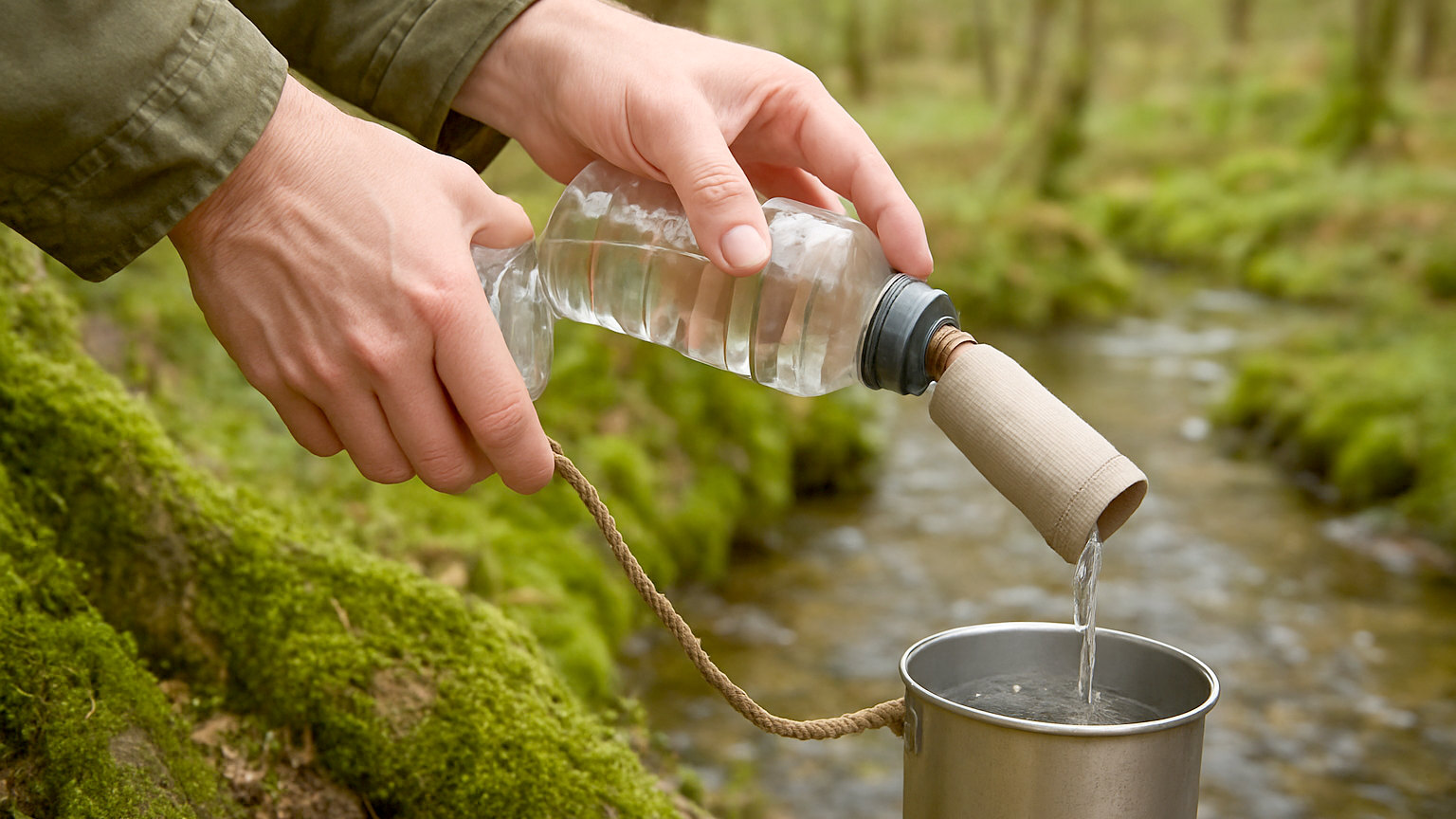
The instruction to keep three days of supplies is repeated everywhere and explained almost nowhere. These guides cover how much water a person actually needs per day, what food genuinely lasts and under what conditions, how to store it without giving anyone food poisoning, and how to cook it when the hob is dead. The best emergency store is mostly food you already eat, bought slightly ahead and rotated through the cupboard, rather than a sealed bucket you will open in 2039 and immediately regret.
A few extra items on each shop, own brand, bought on offer. Built this way it costs almost nothing extra and none of it is ever wasted.
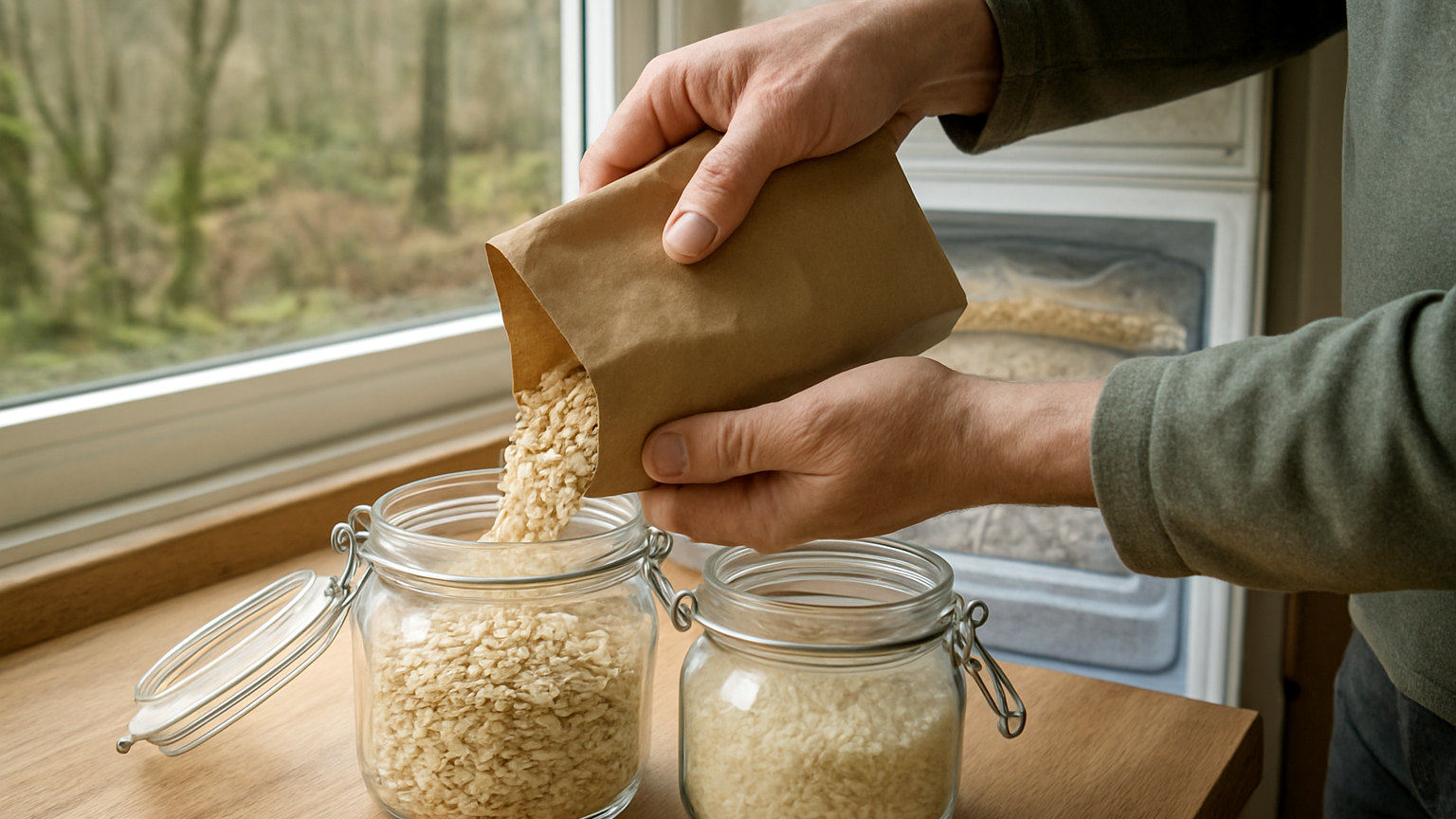
Pantry moths and weevils usually arrive inside the packet rather than finding their way in. Airtight containers and a spell in the freezer deal with both.
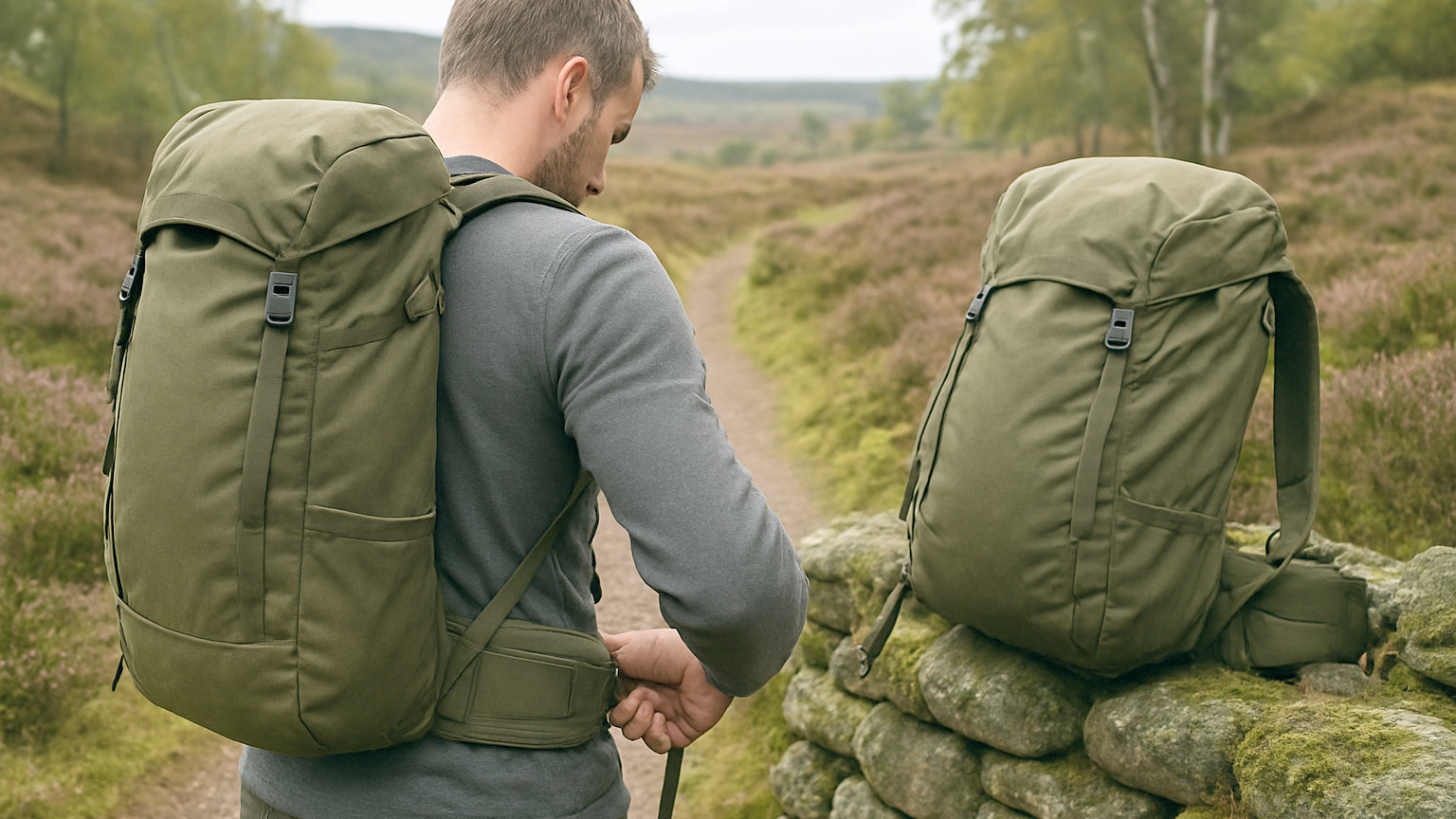
Fit before capacity, and back length before anything else. A well fitted thirty litre pack carries better than a badly fitted sixty litre one.
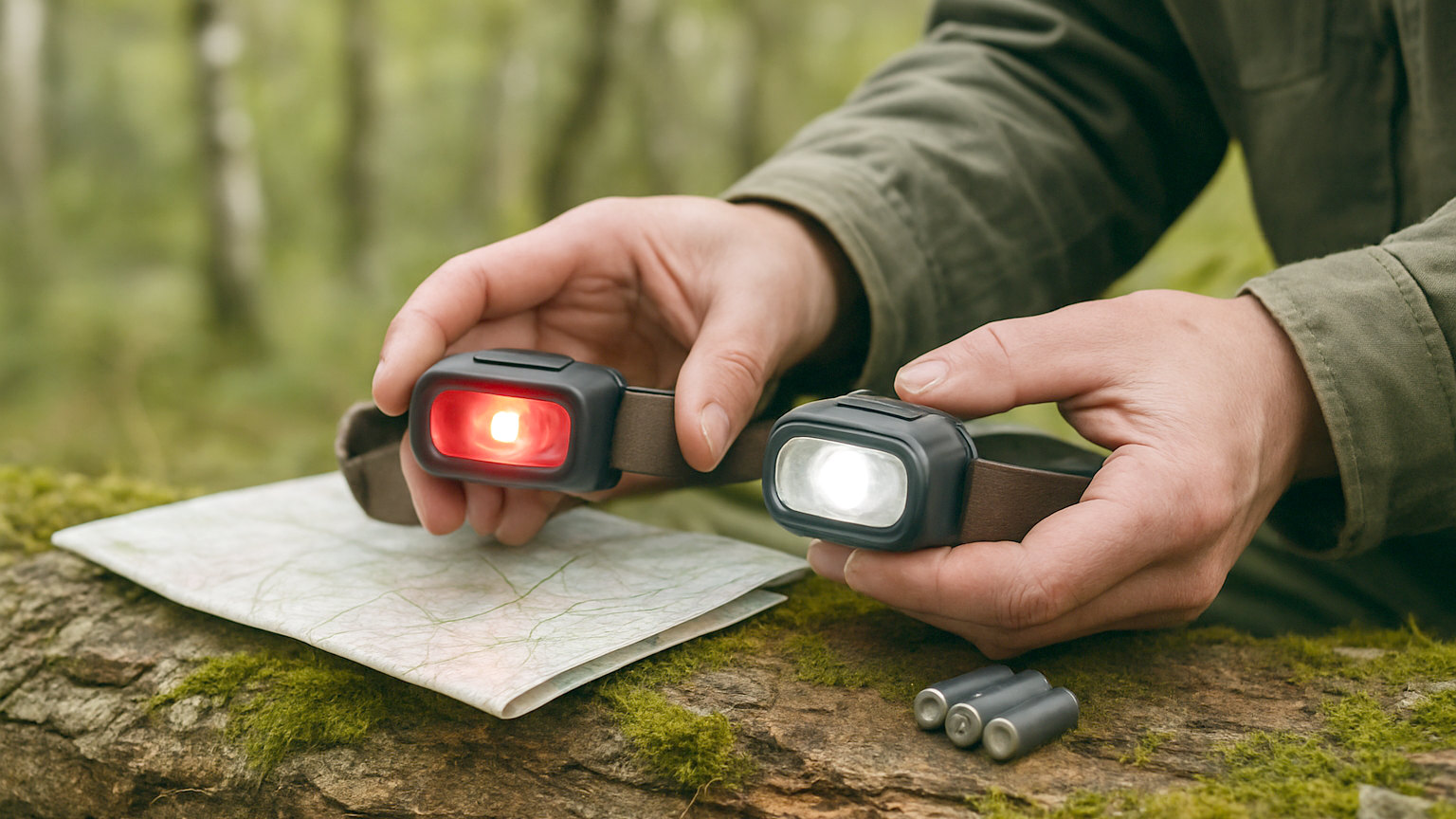
Runtime and a red mode matter more than headline brightness. Most people buy on lumens and then use the lowest setting for ninety percent of the time.
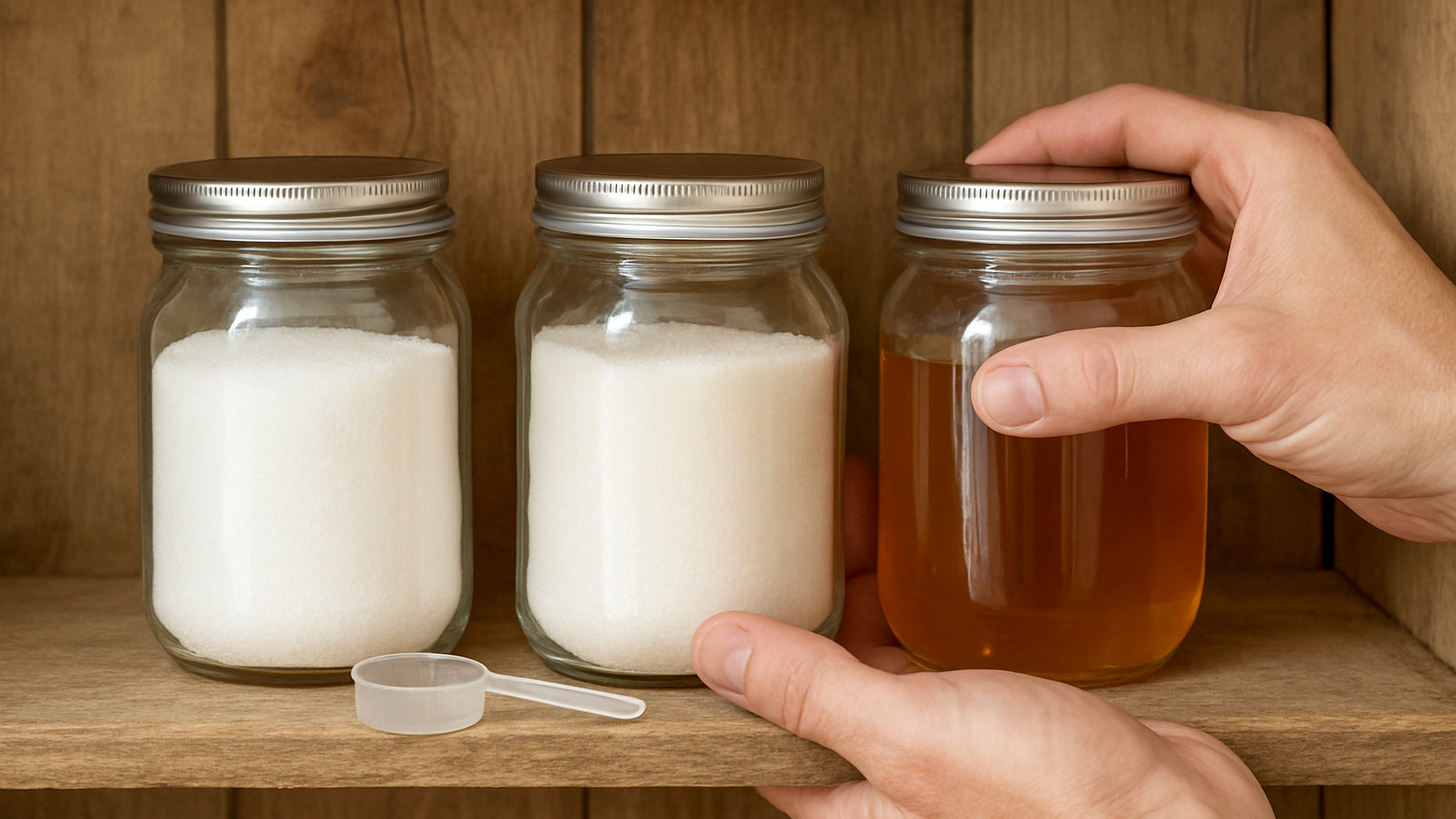
Airtight and dry, with no oxygen absorber. All three keep indefinitely, and an absorber turns sugar into a brick you have to break with a hammer.
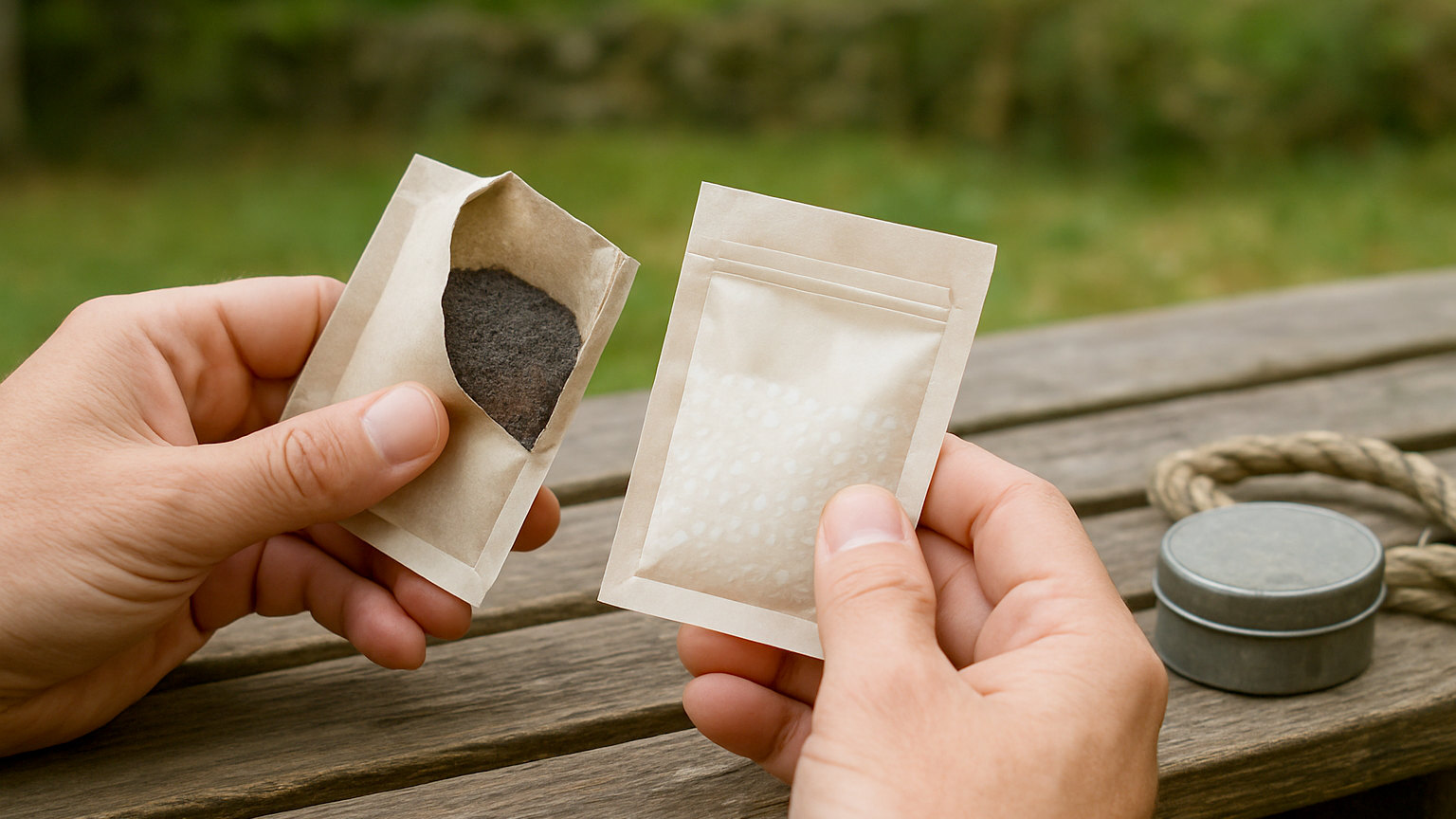
One removes oxygen and one removes moisture, and using the wrong one achieves nothing. They are not interchangeable and are rarely both needed.
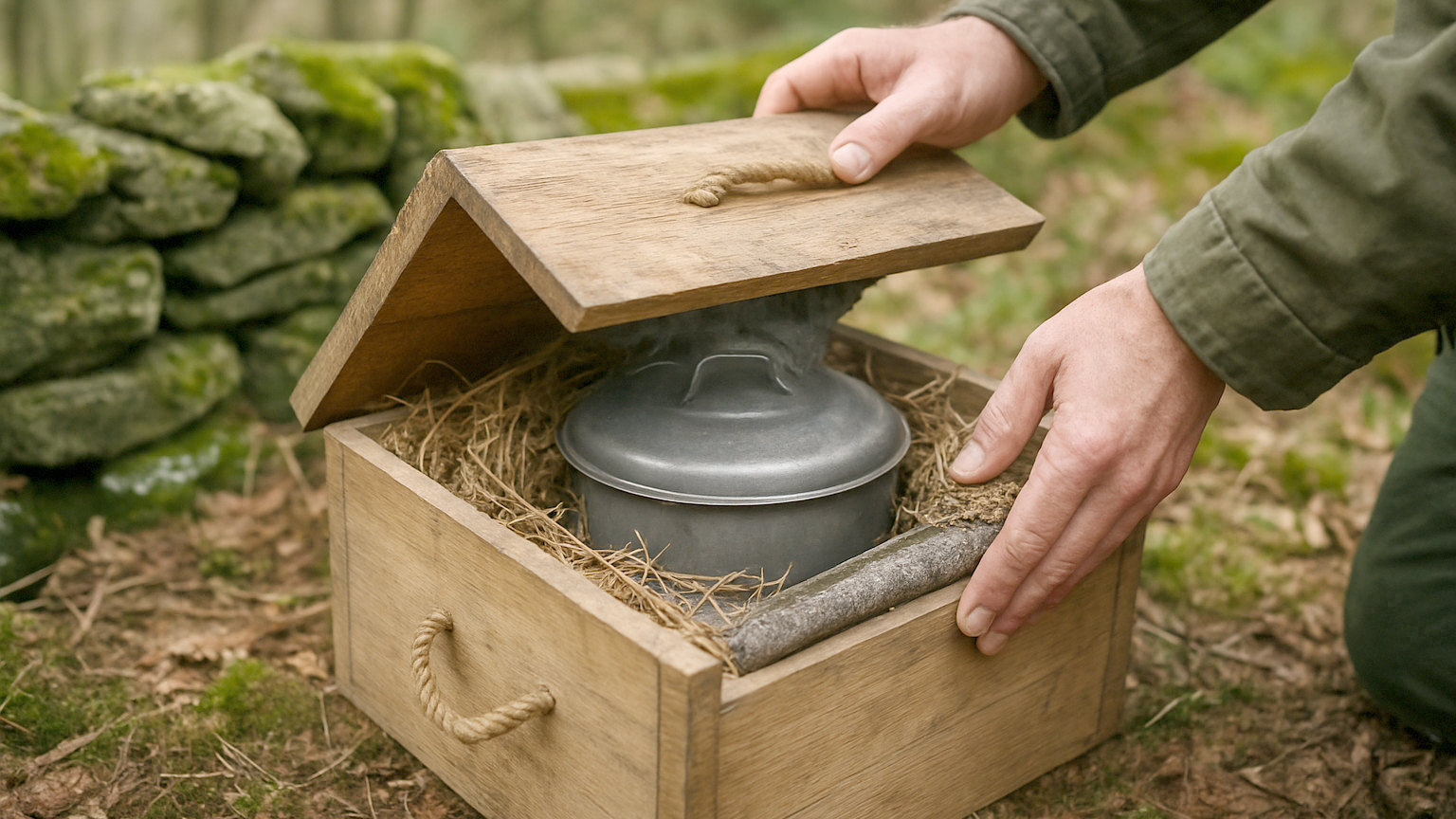
Boil for ten minutes, insulate heavily, and the food finishes cooking on stored heat. It is the most fuel efficient technique available and it costs nothing.
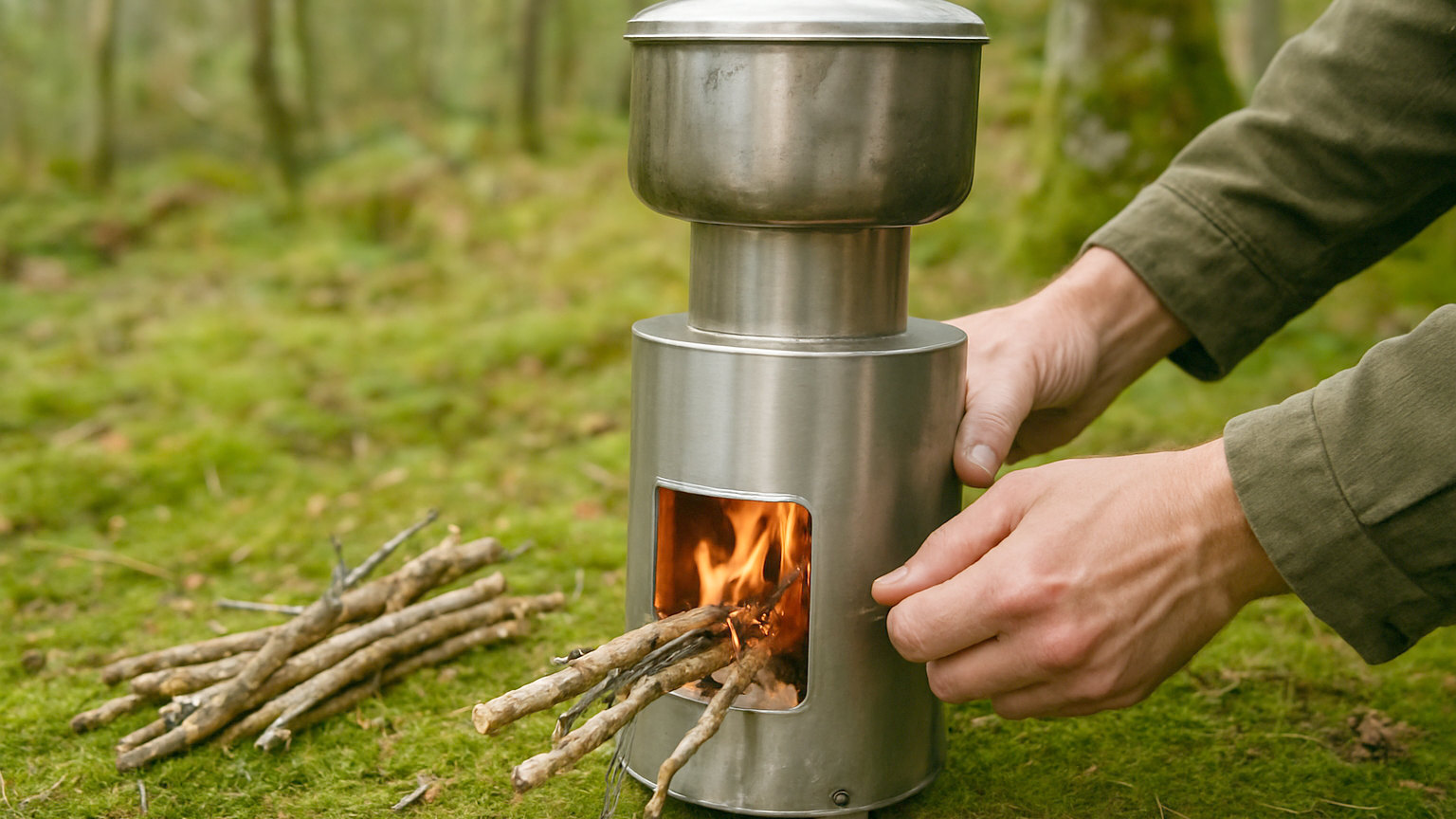
An insulated combustion chamber that burns twigs almost completely. Very efficient, genuinely effective, and it needs constant feeding and outdoor use.
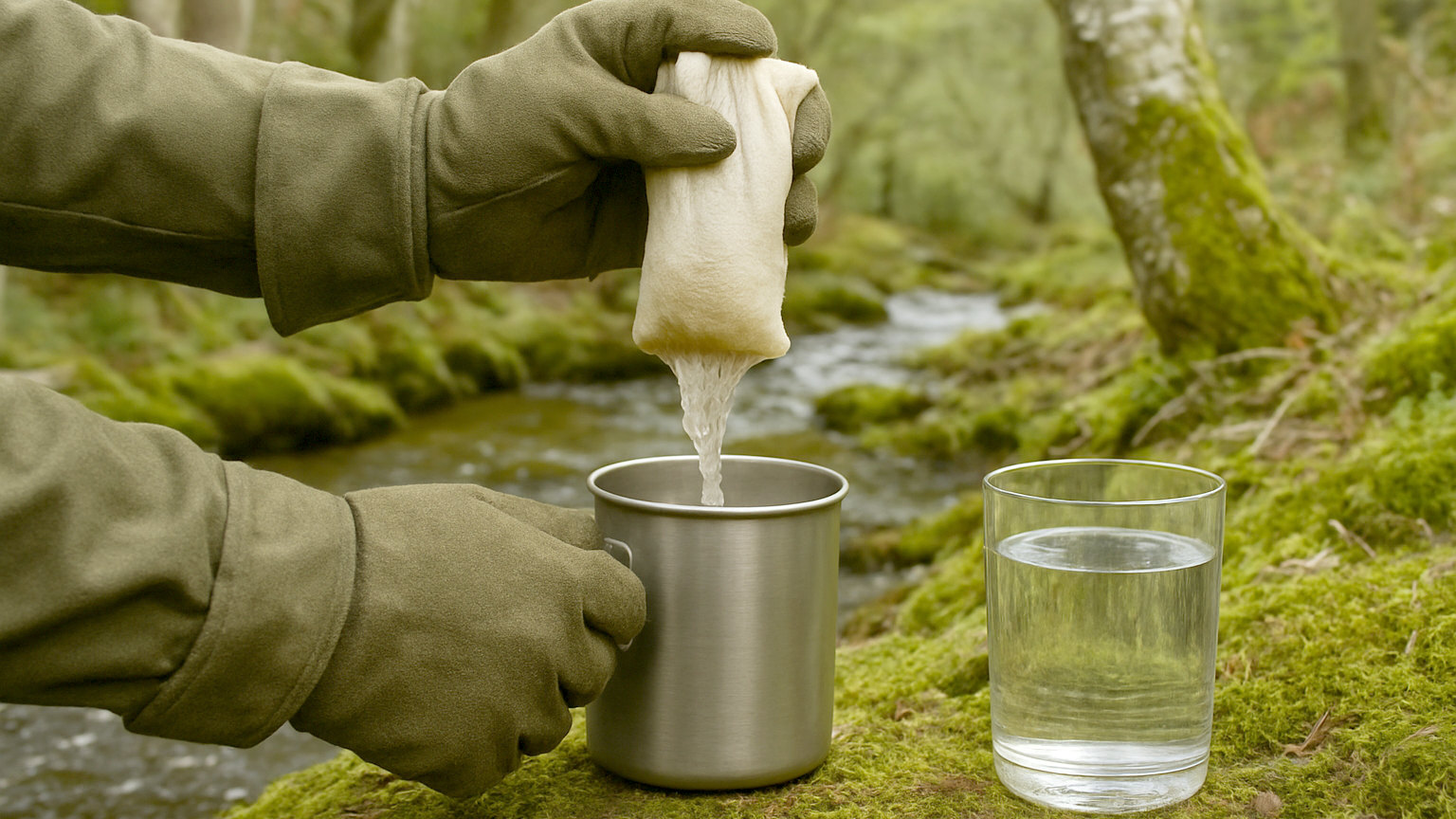
Salt, dissolved metals, nitrates, pesticides and radiological contamination all pass straight through. Filtration is a size problem and dissolved substances have no size.
Reverse the flow before the rate drops noticeably. A filter cleaned regularly lasts for years, and one left until it clogs never fully recovers.
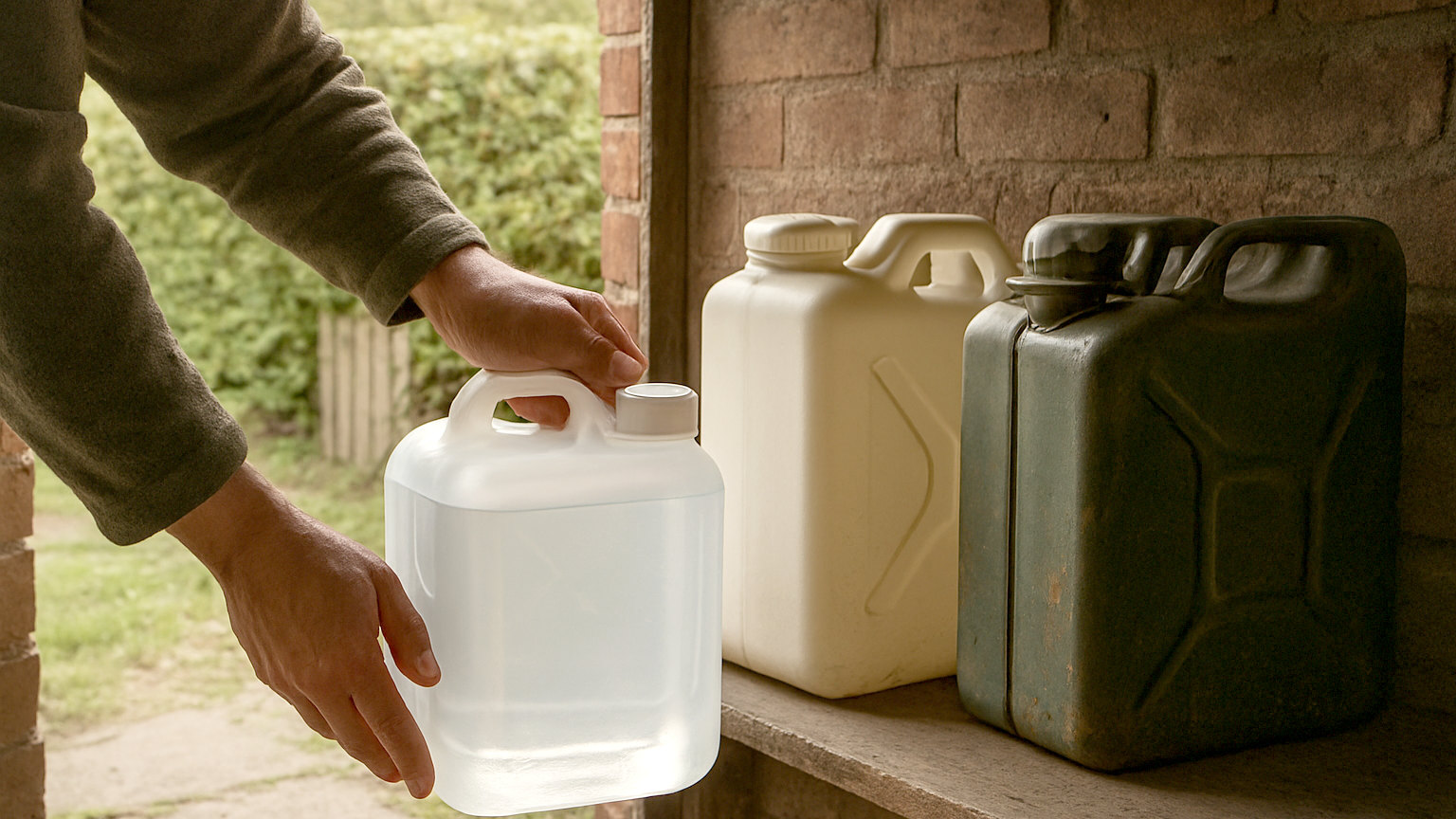
For non drinking water, yes. For drinking water it is the worst common choice, because of freezing, heat, sunlight and the fuel stored alongside it.
Pressure usually degrades before it stops. The first ten minutes after a warning are worth more than any amount of permanent storage.