Multi tools are either indispensable or dead weight depending entirely on whether you use them, and the honest test is what you have actually needed one for in the last year.
What justifies carrying one?
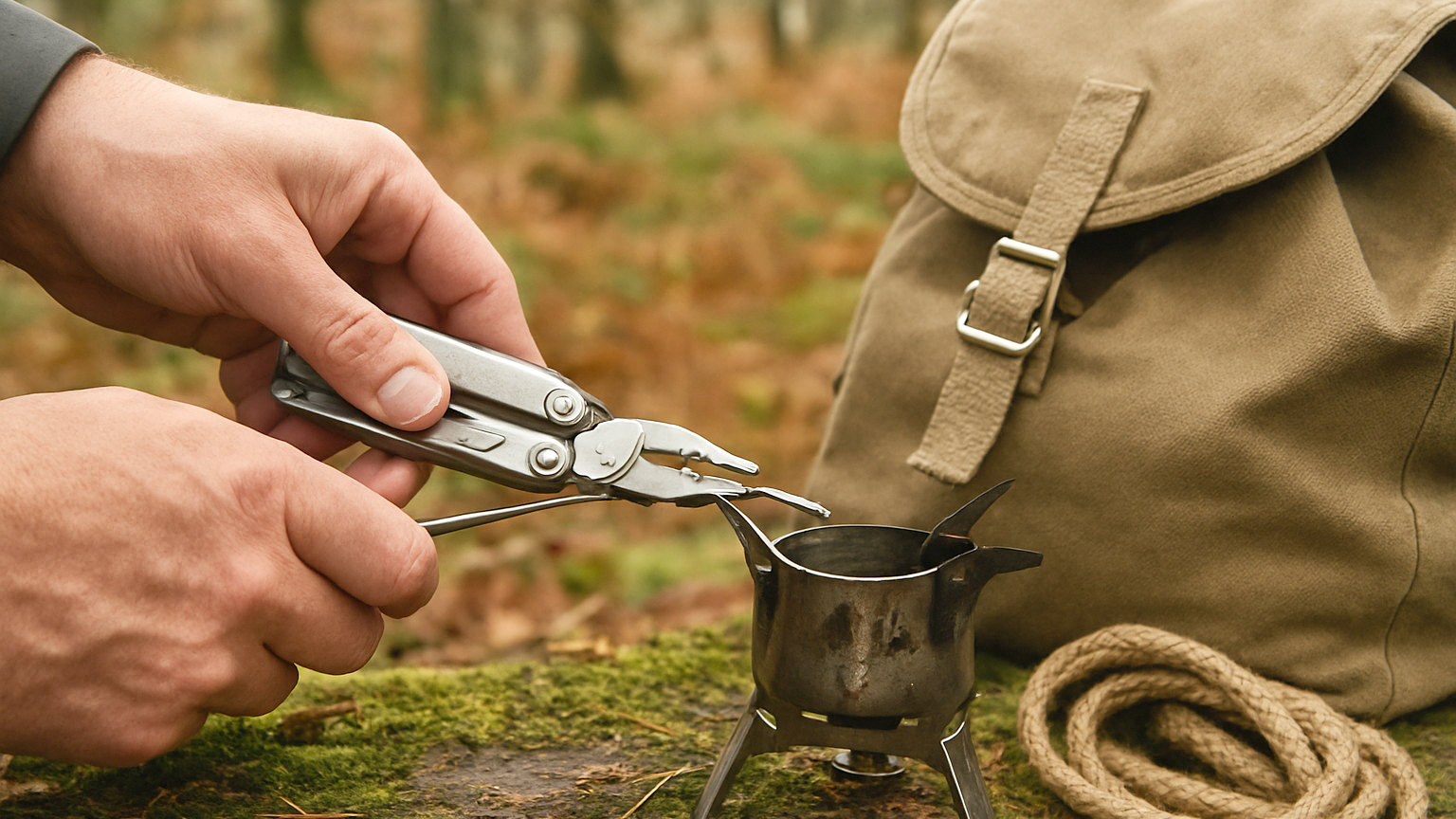
Pliers, in most cases. Gripping, twisting, pulling and cutting wire are things nothing else in a pack does, and they come up in equipment repairs, removing splinters, handling hot pans and dealing with damaged gear. If pliers would be useful to you, a pliers based multi tool earns its weight. If not, a small knife and a screwdriver probably cover everything.
Which functions actually get used?
Pliers, the knife, scissors, a screwdriver or two and occasionally a file or saw. The rest of a twenty function tool is rarely touched. Models with fewer, better implements are generally more useful than ones maximising the count, and they are lighter. Look at what you would genuinely use rather than what is listed.
- Pliers are the function that justifies the weight
- Scissors are used more than most people expect
- Check whether the blade locks, which affects legality
- Fewer better tools beat a high function count
- Weight ranges from under a hundred to over three hundred grams
- Some manufacturers offer UK legal non locking versions
What is the legal problem?
Many multi tools have a locking main blade, and a locking knife falls outside the folding pocketknife exemption in UK law. That means carrying one in a public place requires a good reason in the same way a fixed blade does. It is the most common way otherwise careful people fall foul of knife law, because a multi tool feels like a domestic item rather than a weapon.
Is there a solution?
Several. Some manufacturers produce versions with a non locking blade specifically for the United Kingdom, and some produce bladeless models intended for aviation and workplaces. A tool with no blade at all, carried alongside a separate non locking folder under three inches, keeps you clearly within the exemption while retaining the pliers.
Pliers based or knife based?
Pliers based for repairs, knife based for everyday use. A pliers based tool of the familiar folding design is bulkier and heavier and does jobs nothing else does. A Swiss Army style knife with scissors, screwdrivers and a bottle opener weighs far less, sits comfortably in a pocket and covers most daily tasks. Many people carry the small one daily and the large one when working on something.
How much should you spend?
Enough to get one that does not fail under load. Cheap multi tools have soft metal that rounds off, pivots that loosen, and pliers that twist. Established manufacturers cost more, carry long warranties and last decades. This is one of the few categories where the price difference reflects genuine durability, since the tool is used under real force.
What about weight?
It is the main argument against. A full sized pliers tool is a meaningful addition to a day pack for something that may not be used. Anyone counting grams will leave it behind, and anyone maintaining equipment will not. A sensible compromise is a lightweight keyring sized tool for daily carry and the larger one for trips where repairs are plausible.
How do you look after it?
Dry it, oil the pivots occasionally and keep the blade sharp. Multi tools live in pockets and packs where they get damp, and the joints seize and rust if neglected. A drop of light oil on each pivot once or twice a year keeps it working smoothly for decades.
What is the alternative?
A small selection of separate items, which frequently works out lighter and better. A Swiss Army style pocket knife with scissors and screwdrivers, a small roll of tape and a few cable ties covers most field repairs at a fraction of the weight of a full multi tool. Anyone who genuinely needs pliers will know it, and everyone else is carrying three hundred grams for the reassurance rather than for the function.
Carry one if you would use the pliers, choose fewer better tools, check whether the blade locks, and buy a brand that will not fail under load.