Losing power removes the hob, the oven, the microwave and the kettle at once, and the instinct is to find a replacement immediately. The better sequence is to avoid cooking for the first day and then arrange something safe.
Will a gas hob still work?
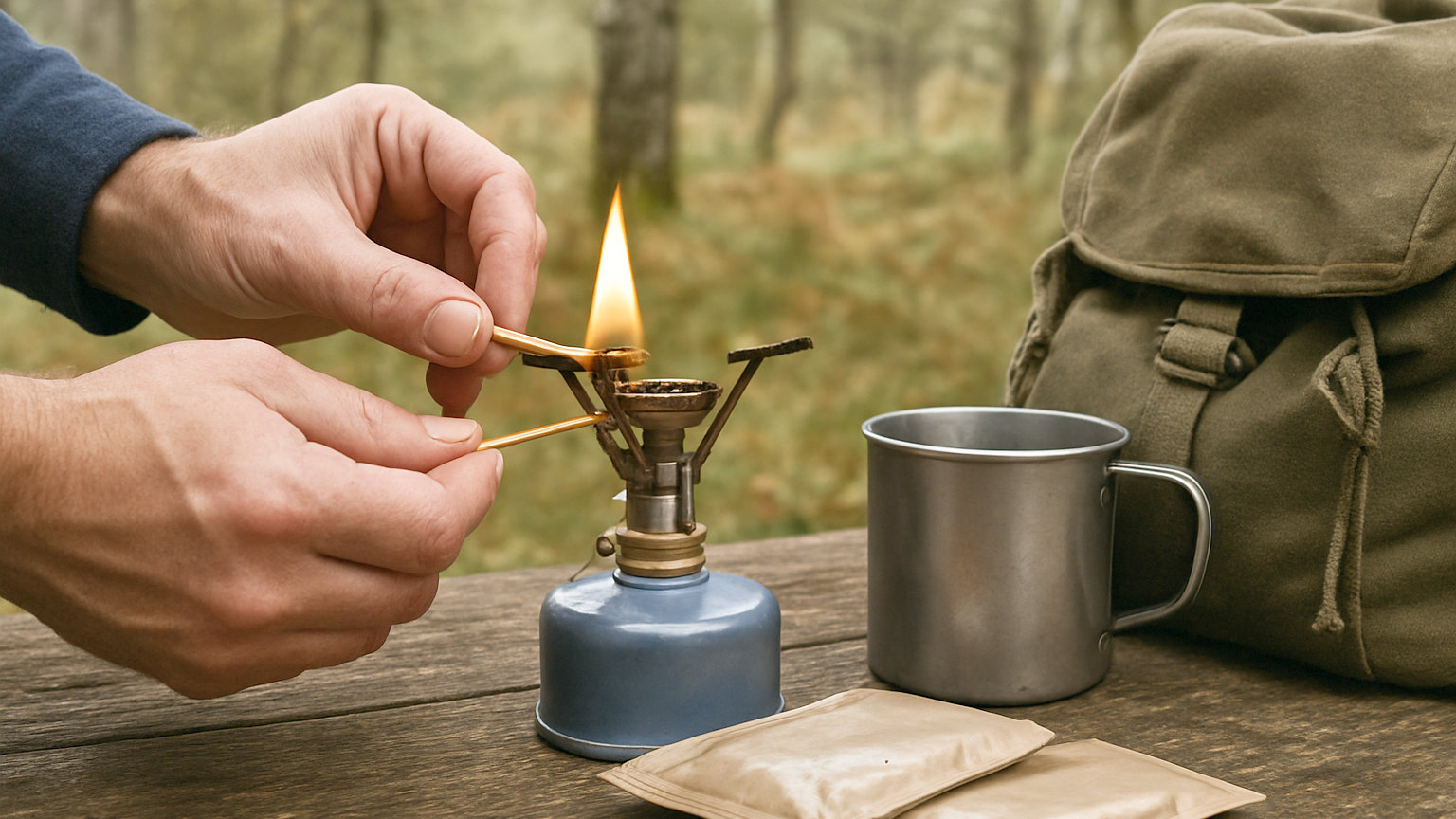
Frequently, and it is worth knowing before you need it. Many gas hobs will light with a match or a lighter when the electronic ignition has no power, since the gas valve is mechanical. Some modern hobs include a flame supervision device that requires power and will not permit gas flow at all. Test yours on a calm afternoon by switching off the socket the cooker is on and trying to light a ring with a match.
What about the oven and the boiler?
Neither will work. Gas ovens use electronic ignition and controls, and gas boilers need power for the pump, fan and control board, which is why a house with a full gas supply is cold during a power cut. The hob is generally the one gas appliance that survives, and even that depends on the model.
- Test whether your gas hob lights with a match before you need to
- Plan the first day around food needing no cooking
- Use a camping stove outdoors or with genuine ventilation
- Never bring a barbecue indoors under any circumstances
- Keep a means of boiling water for drinks and hygiene
- Fit and test carbon monoxide alarms
What are the options in order?
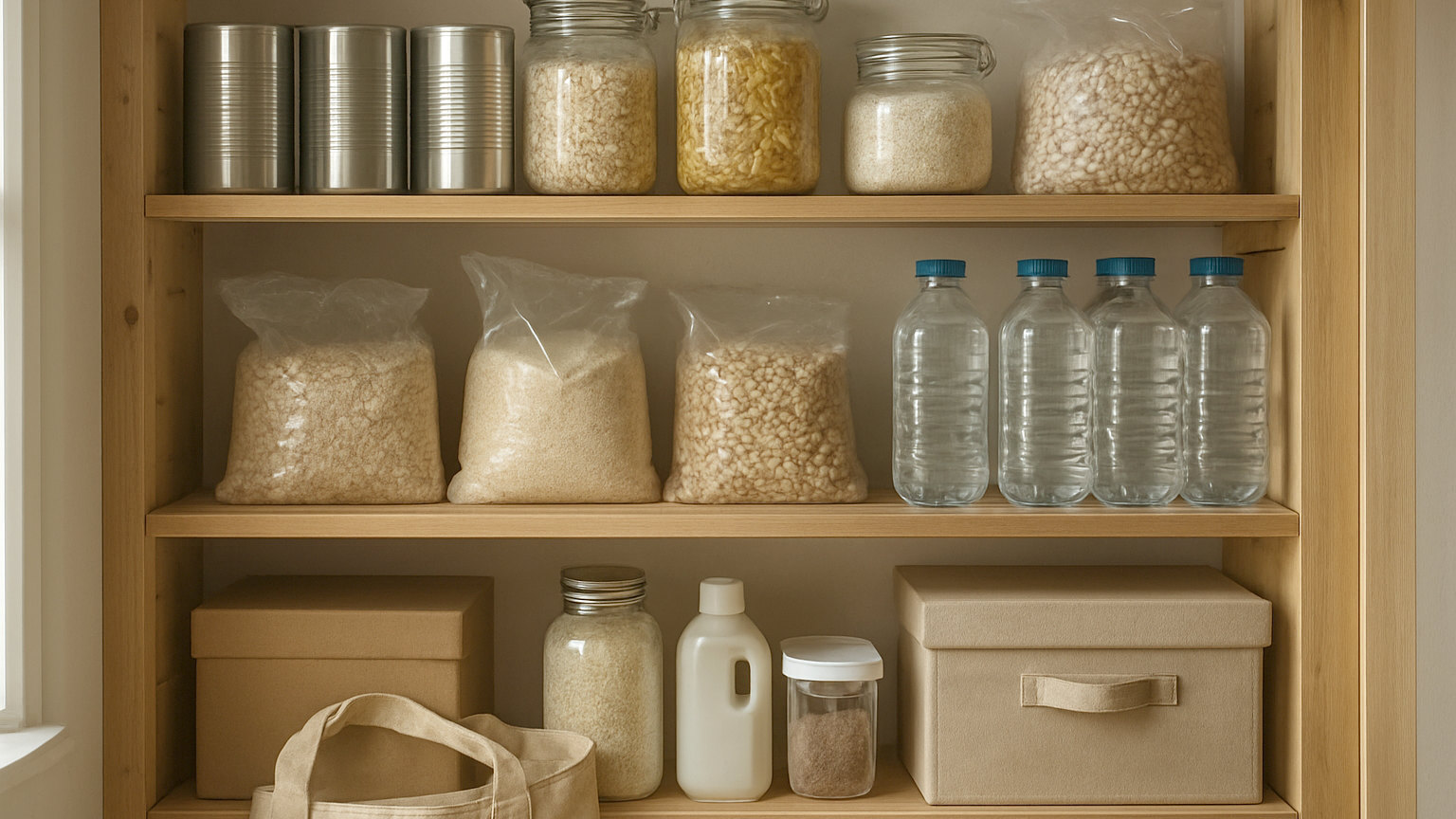
A gas hob if it lights. A camping stove used outdoors or under cover with real airflow. A wood fire or fire pit outside. A barbecue outdoors, never in. A retained heat cooker, which needs only a short initial boil. And, for the first day, nothing at all, because a cupboard of tins and a manual tin opener removes the question entirely.
Why plan a no cook first day?
Because that is when the temptation to improvise is strongest and the risk is highest. People bring barbecues into porches, run camping stoves in unventilated kitchens and light patio heaters indoors, and carbon monoxide kills people every winter as a result. If the first twenty four hours need only a tin opener, that pressure never builds and you can set up something safe in daylight.
What is the priority once you can heat things?
Boiling water, ahead of cooking meals. Hot drinks, hot water bottles and the ability to make water safe during a boil notice all matter more than a hot dinner. A stove that boils a litre efficiently is doing the most valuable job available, and it costs far less fuel than cooking.
Where should you cook?
Outdoors wherever possible, or in a doorway or a well ventilated outbuilding with genuine airflow. Not in a closed kitchen, not in a porch, not in a garage, and not in a tent. Cold weather makes people close everything, which is exactly when the risk rises. Cooking outside in the rain under a gazebo or an open sided shelter is inconvenient and safe.
What about carbon monoxide alarms?
Fit them and test them. Audible alarms conforming to the relevant British Standard cost very little, and they should be in rooms with fuel burning appliances and near sleeping areas. Check the expiry date, since sensors have a working life of seven to ten years and an old alarm may be silently dead. Treat any alarm as a reason to get everyone outside immediately.
What should you own?
A simple camping stove, more fuel than you expect, a pan with a lid, a manual tin opener and matches. That covers cooking and boiling for a household through any realistic British disruption for a modest sum, and all of it is useful for camping the rest of the time.
What about an induction hob?
It stops entirely, since induction is electric by definition and has no gas alternative. Households with induction or ceramic hobs have no cooking capability at all during an outage, which makes a camping stove a more pressing purchase for them than for anyone with gas. This is worth knowing when choosing a kitchen, since the resilience difference between gas and electric cooking is considerable and rarely mentioned.
Test the hob now, plan a no cook first day, cook outdoors, prioritise boiling water, and fit carbon monoxide alarms.