Mountain rescue in Britain is provided by volunteers, free at the point of use, and the most common obstacle to calling is embarrassment rather than anything practical.
How do you call them?
Dial 999, ask for the police, and then ask for mountain rescue. Police forces coordinate mountain rescue in England, Wales and Scotland, so the request goes through them. In coastal or water incidents ask for the coastguard instead. Registering for emergency SMS in advance, by texting the word register to 999, allows a text where a call will not connect.
What will they ask?
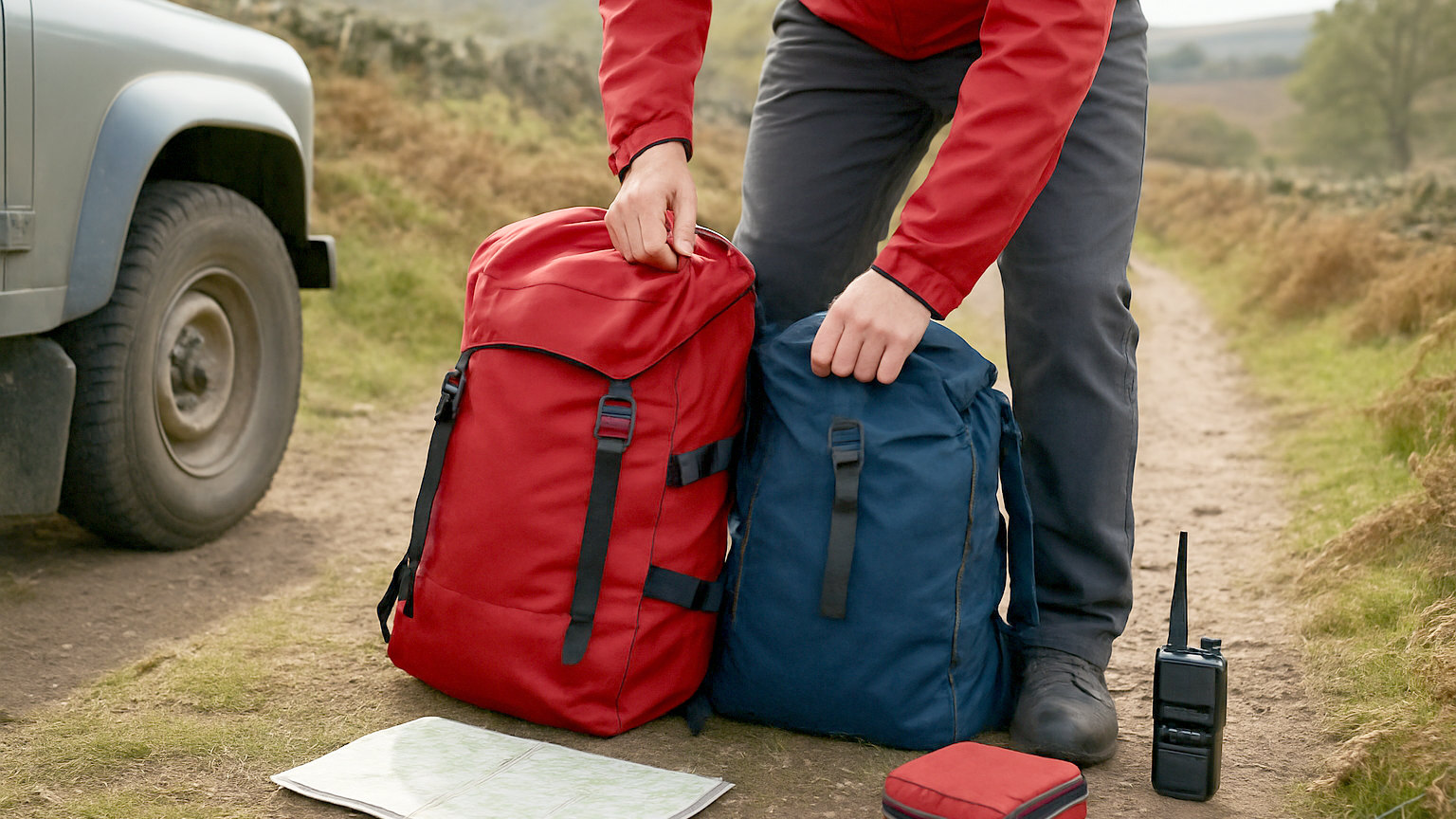
Location, first and most importantly, as a grid reference or a what3words address. Then the number of people, the nature of any injuries, the time it happened, the conditions where you are, what equipment and shelter you have, and a phone number. Have that assembled before you call if you can, since it is difficult to think clearly on the phone.
- Call 999 and ask for police, then mountain rescue
- Give a grid reference or what3words location first
- Describe injuries, numbers, conditions and equipment
- Stay reachable, since the team will call back
- Do not move unless instructed, since they come to you
- Make yourself visible with a torch or bright colours
When should you call?
Sooner than feels justified. Injury, someone becoming hypothermic, genuine disorientation, being benighted without equipment, or conditions beyond the party capability are all legitimate. Teams consistently say they would far rather attend early to a situation someone could still walk out of than late to a serious one, and calling early frequently means a shorter, safer callout.
Why do people hesitate?
Because they feel foolish, because they think it will cost money, or because they believe others need it more. None of those is a good reason. There is no charge, teams exist for exactly this, and the situation almost always deteriorates while people deliberate. If you are asking yourself whether it is bad enough, that is usually the answer.
Who are the teams?
Unpaid volunteers, funded largely by donations, who leave work and homes to turn out in bad weather at any hour. They train extensively and provide a professional standard of casualty care and technical rescue. Recognising that they are volunteers is a reason to call early rather than a reason to hesitate, since a long night searching costs them more than a short evacuation.
What should you do while waiting?
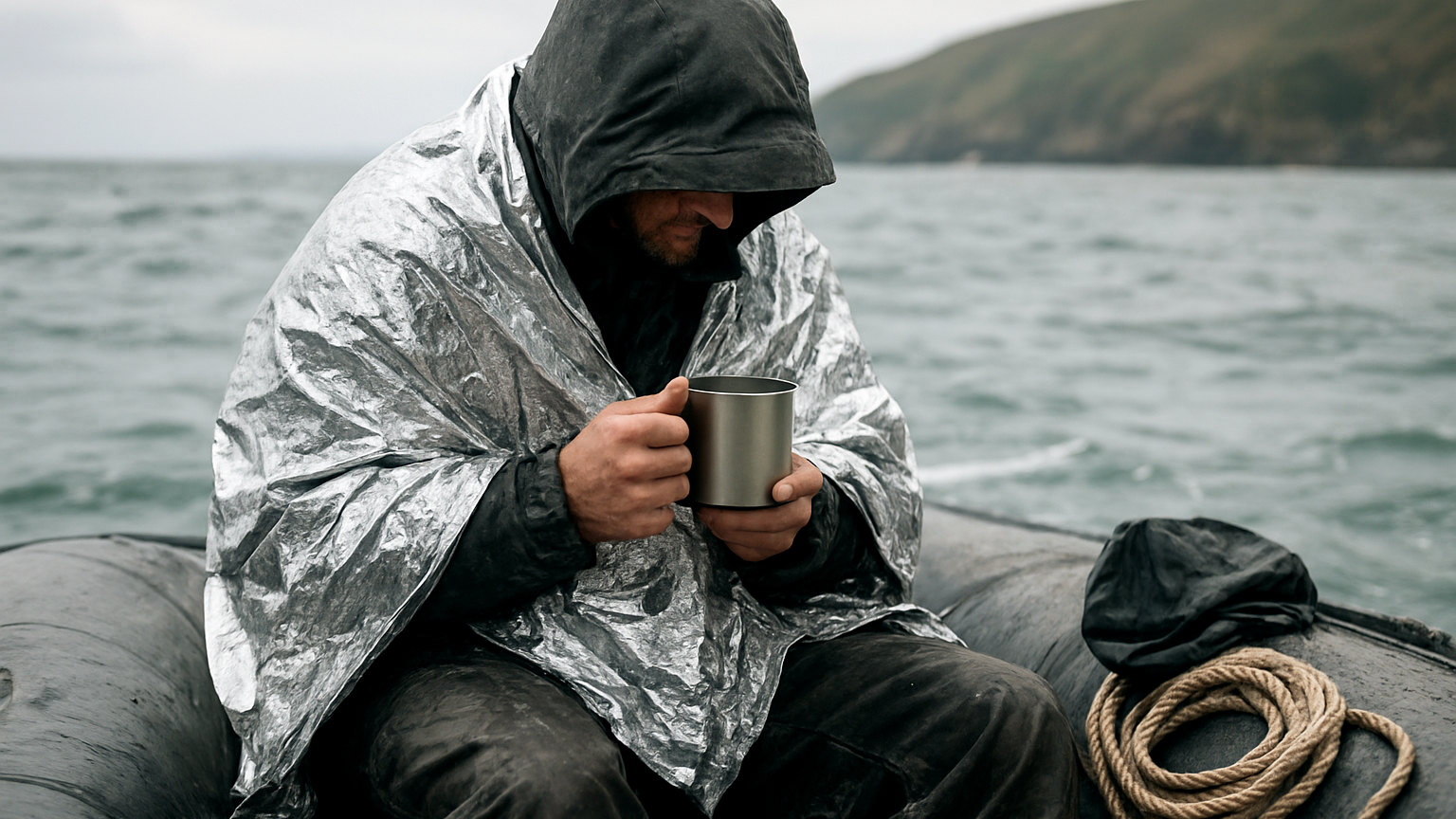
Stay where you are unless told otherwise, get everyone sheltered and insulated, keep the casualty warm, conserve phone battery, and make yourself findable. A torch shone toward an approaching team, bright clothing laid out, or a whistle sounded periodically all help. Answer the phone, since the team will ring to refine the location.
What about the helicopter?
Secure everything loose before it arrives, since downwash is violent and will scatter equipment dangerously and can knock people over. Stay low, keep the group together, protect your eyes, and do not approach the aircraft until signalled. Never approach from the rear. Follow the crew instructions immediately and exactly.
What happens afterwards?
You may be asked for details for the team records and, in serious cases, by the police. Teams welcome donations and most people who have been assisted make one, which is the practical way to support a service that is otherwise free. There is no bill and no obligation.
What if you resolve it yourself?
Call them back immediately. Parties who get themselves out and do not tell anyone leave a team searching for people who are safely at home, which wastes an enormous amount of volunteer effort and occasionally puts searchers at risk in bad conditions. Ring 999 again and say the situation is resolved. Nobody will be annoyed, and they will be considerably more annoyed if you do not.
Call 999 and ask for police then mountain rescue, give a grid reference, call earlier than feels justified, stay put, and make yourself visible.