Cold damages tissue in two distinct ways, one involving freezing and one not, and the treatment for each differs. Both are largely avoidable with attention to extremities. This is general information rather than medical advice.
What is frostnip?
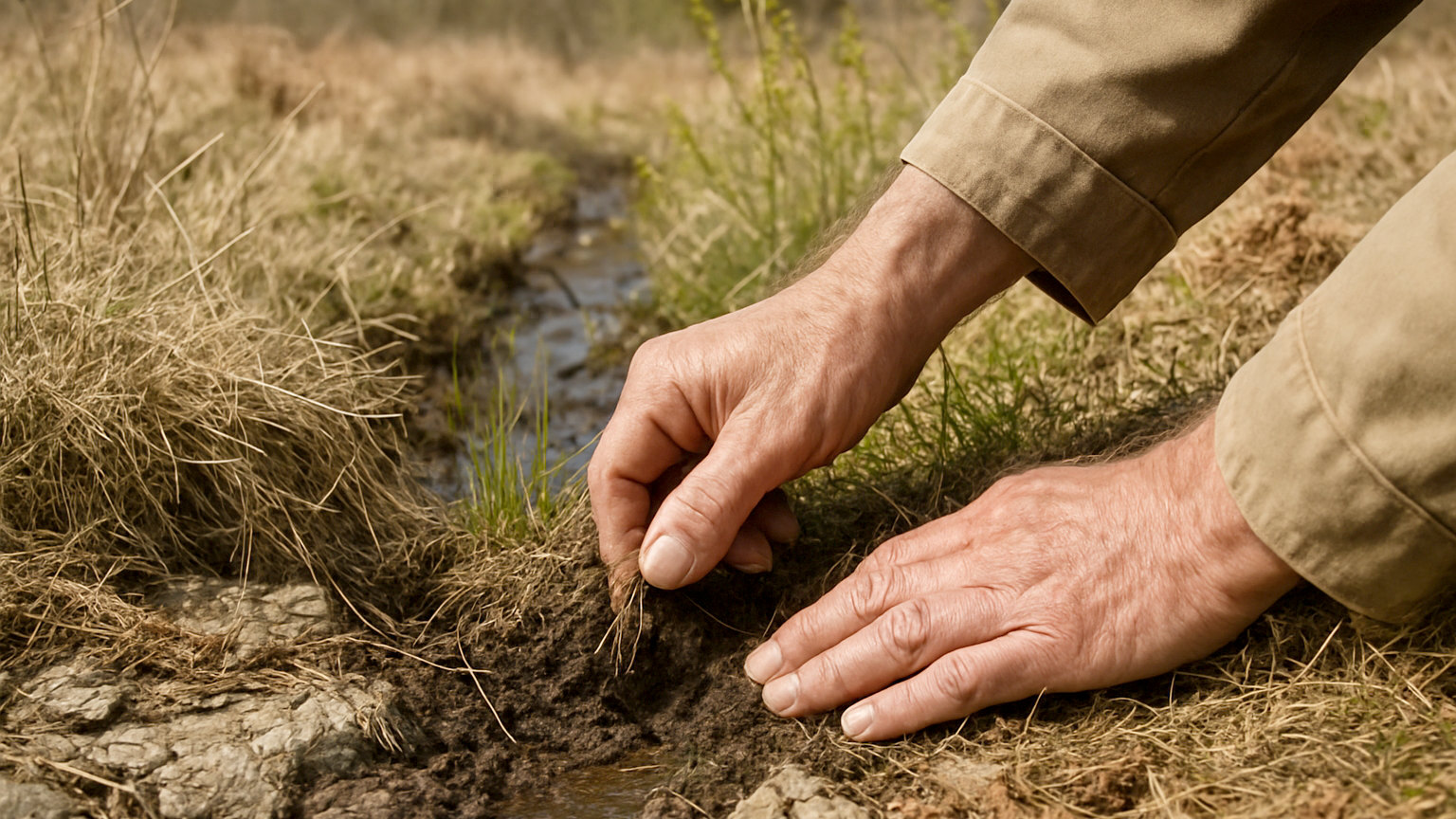
The early, reversible stage, where skin becomes cold, pale and numb without ice forming in the tissue. It typically affects fingers, toes, ears, nose and cheeks. Rewarming with body heat, such as putting hands under armpits, resolves it with no lasting damage. It is the warning that conditions are sufficient for something worse.
What is frostbite?
Actual freezing of tissue, where ice crystals form in and between cells. The area becomes hard, waxy and white or greyish, and loses sensation entirely. Superficial frostbite affects skin and the layer beneath, while deep frostbite extends into muscle, tendon and bone and can result in tissue loss. It requires medical treatment.
- Frostnip is reversible and rewarms with body heat
- Frostbite is frozen tissue, hard and waxy and numb
- Never rub a frostbitten area, which destroys tissue
- Do not thaw if the area could refreeze before evacuation
- Rewarm in warm not hot water under medical guidance
- Non freezing cold injury comes from prolonged wet cold
How do you treat frostbite?
Get to medical care, protect the area and avoid making it worse. Do not rub it, which causes ice crystals to lacerate tissue. Do not use direct heat such as a fire or a stove, since the area cannot feel burning. Rewarming is done in water at around body temperature, and it is extremely painful, which is why it is best done in a controlled setting.
Why not thaw it in the field?
Because refreezing causes far worse damage than remaining frozen. If there is any chance the area will freeze again during evacuation, it is better to leave it frozen and get the person out. This is a genuine and counterintuitive principle from cold injury medicine and it changes what you do on a mountain.
What is non freezing cold injury?
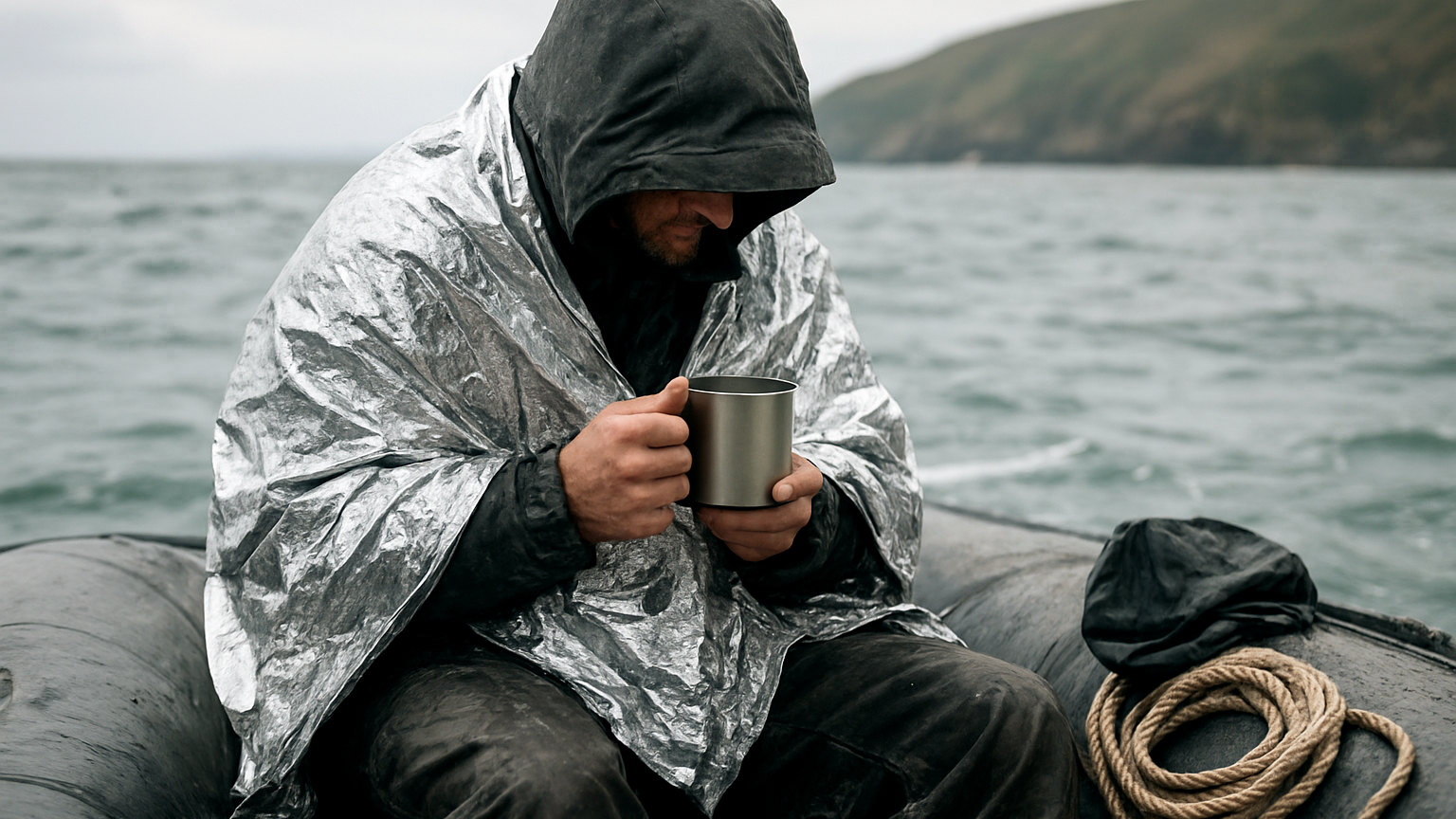
Damage from prolonged exposure to wet cold above freezing, historically called trench foot or immersion foot. Feet kept wet and cold for hours or days become numb, swollen, blotchy and painful, and the nerve damage can persist for months or years with lasting cold sensitivity. It requires no freezing temperatures at all.
How do you prevent it?
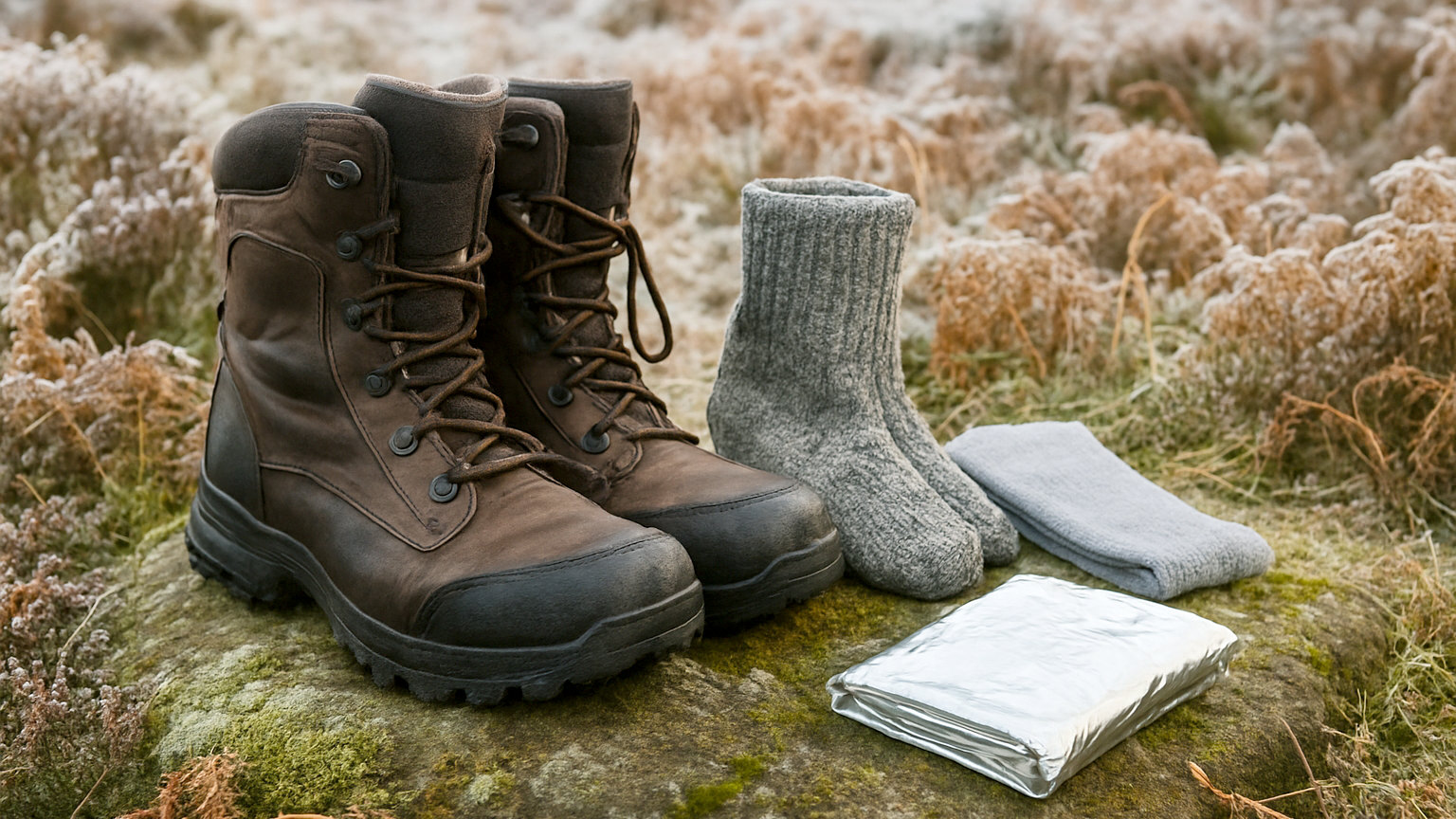
Keep feet dry and change socks. That is essentially the whole of it. Carry spare socks, change them when they are wet, dry your feet at every opportunity, and avoid boots that are too tight, which restricts circulation. On multi day trips in wet conditions, drying feet and socks overnight matters more than almost anything else.
Who is at risk?
Anyone with cold wet extremities for prolonged periods, and particularly people with restricted circulation from tight boots, tight gaiter straps or dehydration. Smokers, people with Raynaud phenomenon and anyone with previous cold injury are more susceptible, and previous frostbite substantially increases the risk of recurrence in the same area.
How do you avoid frostbite?
Cover everything, keep hands and feet moving, use mittens rather than gloves in severe cold, keep spare dry gloves, avoid touching cold metal with bare skin, and check each other faces for the white patches that indicate frostnip. Fuel and hydration matter too, since a fed hydrated person maintains circulation to the extremities far better.
What does recovery look like?
Slow and frequently incomplete. Superficial frostbite may heal over weeks with blistering and peeling, while deep injury can take months to declare its full extent and may result in tissue loss. Non freezing cold injury commonly leaves lasting cold sensitivity and pain in the affected area for months or years, which is why prevention matters so much.
Rewarm frostnip with body heat, never rub frozen tissue or thaw it if it could refreeze, keep feet dry and change socks, and check each other faces.