
Camping combines flammable fabric, naked flames and bottled gas in a confined space, and the resulting incidents are severe and entirely preventable.
How fast does a tent burn?
Very. Tent fabric and synthetic bedding ignite readily and burn rapidly, producing dense toxic smoke, and a tent can be fully involved within a minute. There is no time to gather anything. This is why the standard advice is to get out immediately and why nothing should be done inside a tent that could start a fire.
What is the carbon monoxide risk?
Serious and repeated. Barbecues brought into tents and awnings to cook or to keep warm kill people in Britain every year, because charcoal continues producing carbon monoxide for hours after it appears cold and grey. Stoves and heaters in enclosed spaces do the same. There is no ventilation arrangement that makes this safe.
- Never bring a barbecue into a tent or awning, ever
- Never use a stove or heater inside a tent
- Carry a portable carbon monoxide alarm
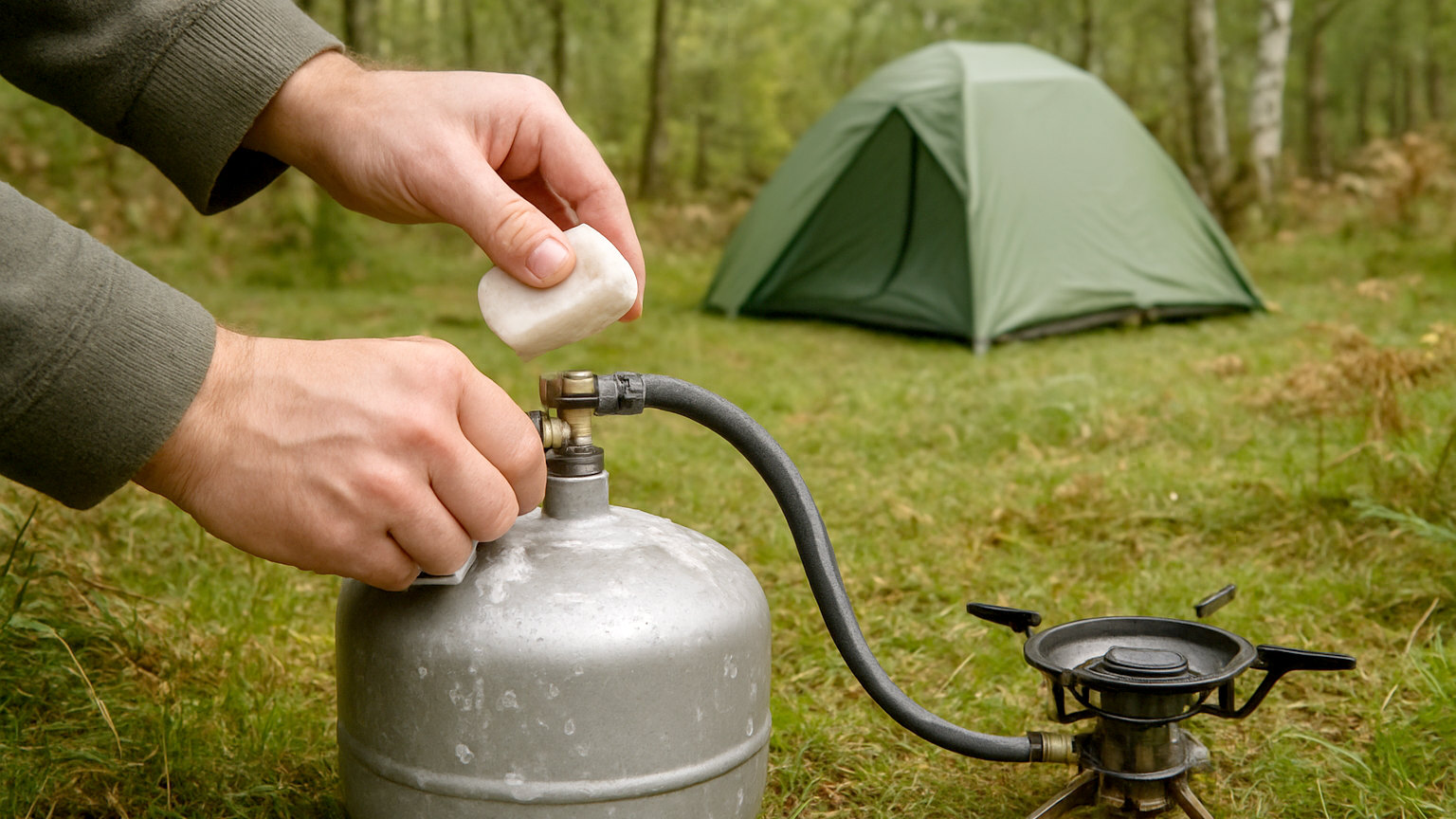
- Store gas cylinders upright, outside, away from heat
- Keep tents well spaced, following site rules
- Know two ways out and keep the door clear
Where should you cook?
Outside, on stable ground, well away from the tent. A porch with the door fully open is a compromise many campers make and it carries real fire and carbon monoxide risk, so it should be avoided where possible and never done unattended. Keep the stove on a firm level surface where it cannot be knocked, and keep children away.
How should gas cylinders be stored?
Upright, outdoors, in ventilated space, away from heat and away from any ignition source. Never in a tent, never in a car boot in the sun, and never below ground level, since both butane and propane are heavier than air and pool rather than dispersing. Check hoses and connections for cracks and perishing before each trip.
What if you smell gas?
Turn it off at the cylinder if you can reach the valve safely, get everyone away, and do not operate anything that could spark including lights, phones and switches. Do not attempt to trace the leak with a flame. Test connections with soapy water, which bubbles at a leak, in daylight and outdoors.
Why does spacing matter?
Because fire spreads between tents quickly, particularly in wind. Campsites specify separation distances for exactly this reason and they are frequently ignored on busy weekends. Keep the gap, keep cars away from tents, and do not pitch immediately beside someone cooking. On an organised site, follow whatever the rules say.
What should you carry?
A portable carbon monoxide alarm, which costs very little and is designed for camping use, and a small fire blanket or extinguisher if you use gas regularly. Site facilities usually include extinguishers and knowing where they are on arrival is worth two minutes. Keep a torch by your head so you can find the door in the dark.
What are the symptoms of poisoning?
Headache first, then dizziness, nausea, breathlessness, tiredness and confusion. A strong indicator is that several people feel unwell at the same time and improve on getting outside. Anyone with these symptoms after being near a burner should get into fresh air immediately and seek medical help, mentioning carbon monoxide specifically.
What about campfires on site?
Only where the site permits them and only in the provided fire pit or a raised bowl. Many sites prohibit them entirely and many allow them in designated places. Keep them small, never leave one unattended, keep water beside it, and drown it thoroughly at the end rather than letting it burn out. Sparks land on tents from a surprising distance.
What should you do if a tent catches fire?
Get everyone out immediately and leave everything behind. Tent fabric burns too fast to allow gathering possessions, and the smoke is toxic within seconds. Shout to wake neighbouring tents as you go, since fire spreads between pitches, then call 999 from a safe distance. Do not go back in for anything at all.
Cook outside, never bring a barbecue under fabric, store gas upright outdoors, carry a carbon monoxide alarm, keep spacing, and know your way out.


