Cold water kills far faster than people expect and by a mechanism most people have never heard of. The first minute matters more than the next hour.
What is cold shock?
An involuntary response to sudden immersion in cold water: an immediate gasp, followed by uncontrollable rapid breathing, a sharp rise in heart rate and blood pressure. It peaks within the first thirty seconds and settles over one to three minutes. It is the leading cause of drowning in cold water, because the gasp occurs underwater and the hyperventilation makes it impossible to hold breath or swim.
What is the advice?
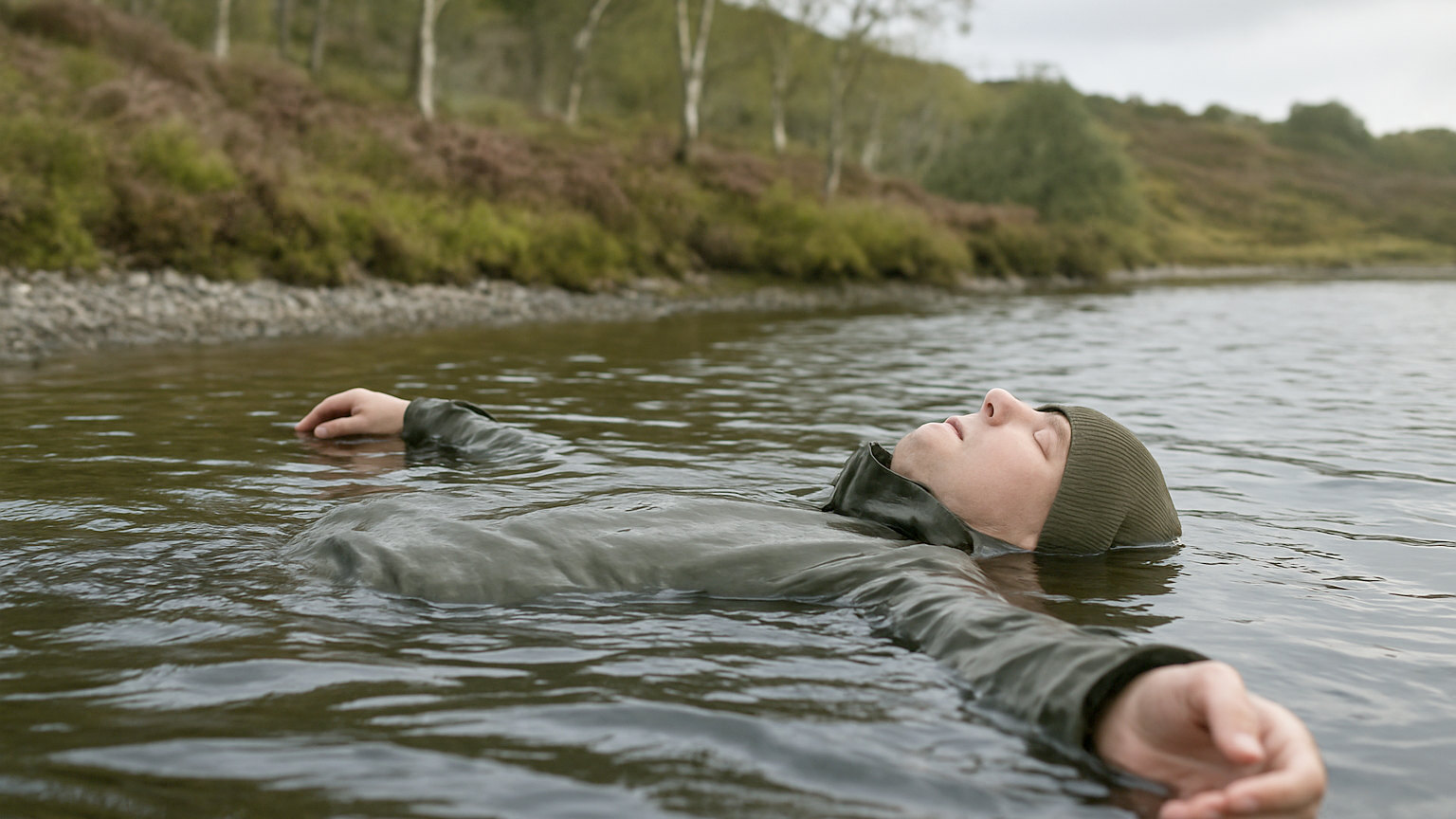
Float to live. If you fall into cold water unexpectedly, resist the urge to swim or thrash, lean back in the water, keep your airway clear, spread your arms and legs and float for sixty to ninety seconds until the cold shock passes and your breathing settles. Only then swim to safety or call for help. This is RNLI guidance and it saves lives.
- Cold shock peaks in the first thirty seconds
- Float on your back until breathing settles, sixty to ninety seconds
- Do not thrash or try to swim immediately
- Swim failure follows within ten to thirty minutes
- Hypothermia takes considerably longer than most people think
- Never enter water to rescue someone: call 999
What is swim failure?
The progressive loss of muscle function in cold water, developing over roughly ten to thirty minutes as the limbs cool. Hands lose grip, arms and legs stop working effectively, and swimming becomes impossible even for strong swimmers who feel fine initially. Anyone in cold water should get out or reach something to hold onto within that window rather than relying on being able to swim later.
When does hypothermia set in?
Later than people assume, typically after thirty minutes or more depending on temperature and body type. The persistent belief that cold water kills through hypothermia within minutes is wrong and is unhelpful, because it obscures the two mechanisms that actually kill first. Knowing the sequence is what allows the right response.
How cold is British water?
Cold enough all year. Cold shock occurs below around fifteen degrees, and British seas, lakes, rivers and reservoirs are below that for most of the year and frequently in summer too. Inland water in particular stays cold beneath the surface even on hot days, which is why summer drownings in quarries and reservoirs are so common.
What should you do if someone else falls in?
Do not enter the water. Call 999 and ask for the coastguard on the coast or the fire service inland. Shout to them to float on their back. Throw something that floats, and reach with a pole, a branch or clothing from a stable position on the bank. A very large share of drowning deaths are would be rescuers.
What about breaking through ice?
Same principles with an added difficulty. Do not follow anyone or any animal onto ice. If you go through, control the breathing first, then turn back toward the direction you came from, since that ice held your weight, get your arms onto the surface and kick to slide out horizontally rather than trying to climb.
What happens after?
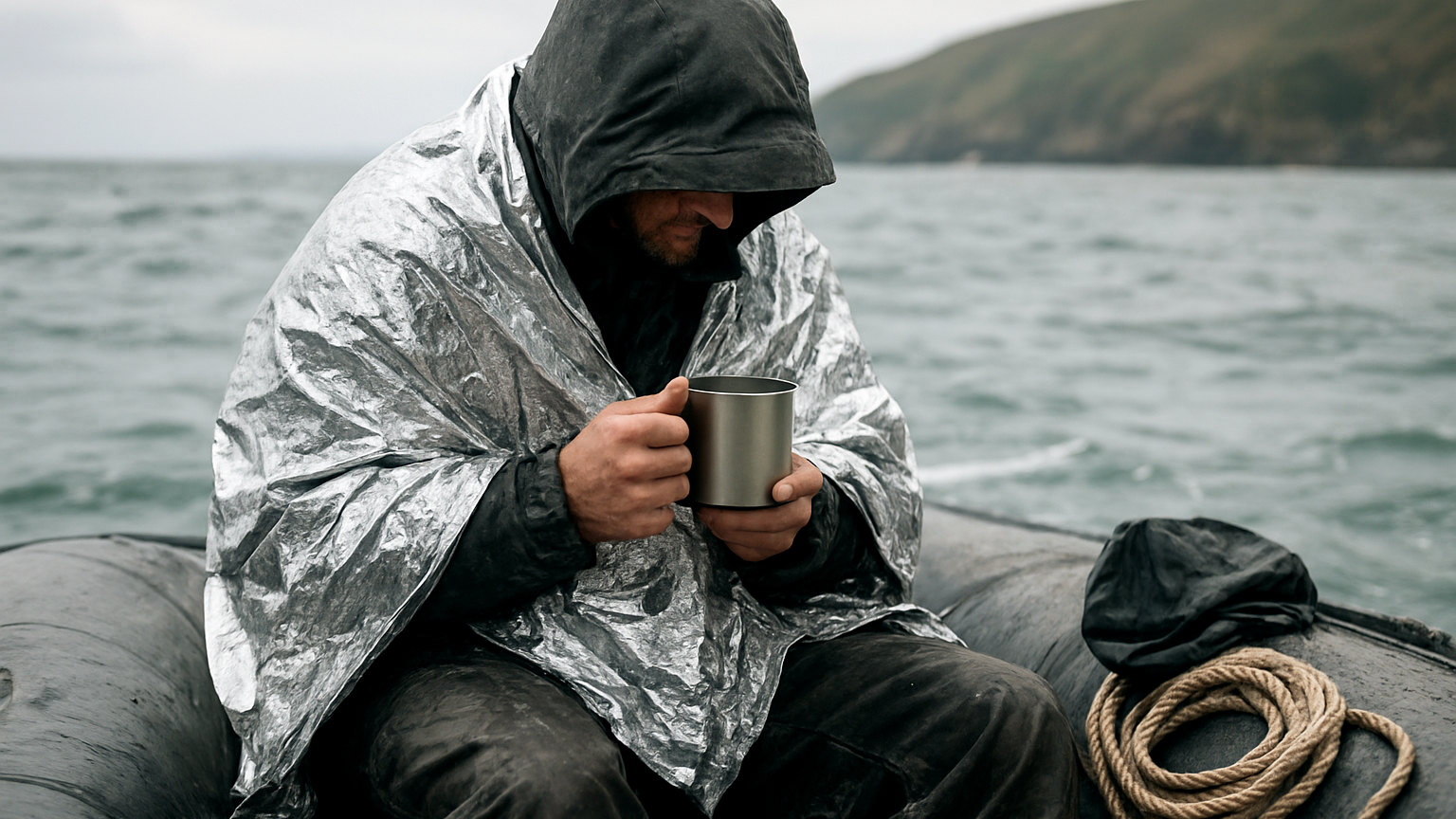
Get them out, get them warm, handle them gently and seek medical help. Someone rescued from cold water may deteriorate after removal, and rough handling of a significantly cold person can cause dangerous heart rhythms. Keep them horizontal, insulate them, and treat any immersion of more than a few minutes as needing medical assessment.
Why do strong swimmers drown?
Because swimming ability is largely irrelevant in the first minute and progressively irrelevant afterwards. Cold shock affects everyone regardless of fitness, and swim failure removes the capability entirely within tens of minutes. Confidence in the water is what leads people to enter it in the first place and to attempt rescues, which is why competent swimmers feature heavily in drowning statistics.
Float on your back for sixty to ninety seconds until the gasping stops, get out within the first ten minutes, never enter the water to help, and call 999.