Decontamination sounds technical and the effective part is remarkably simple. Removing what you were wearing does most of it.
What is the first step?
Remove outer clothing carefully, which removes a very large proportion of any contamination, commonly cited as around ninety percent. Take it off slowly rather than pulling it over your head, cutting it away if that avoids passing it across the face. Bag it, seal the bag, and leave it outside the living area or where responders direct.
How should you wash?
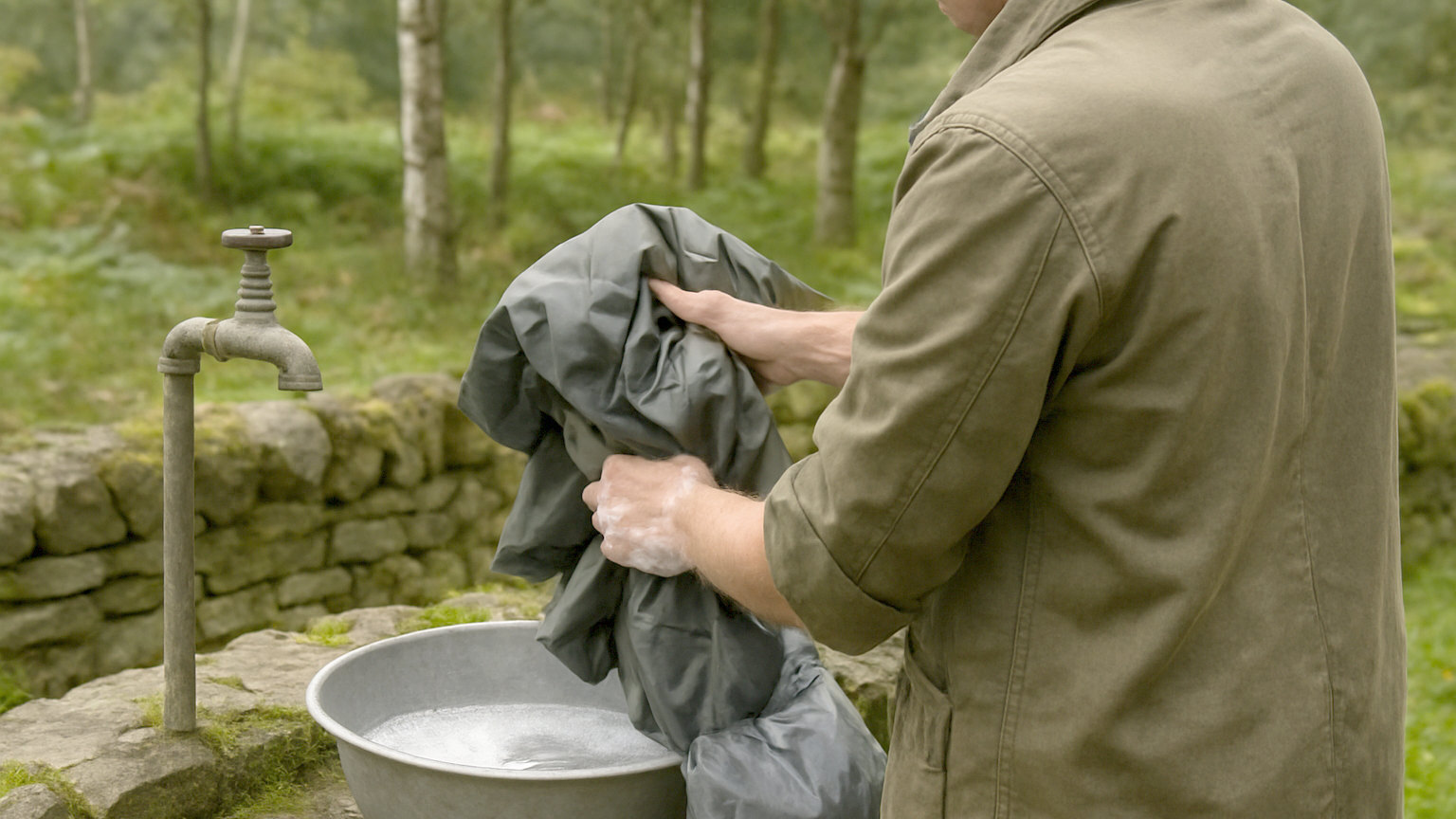
Warm water and soap, gently, from the head downward. Do not scrub hard, since abrading the skin can drive contamination in and increase absorption. Pay attention to the face, hands, the hairline and behind the ears. Blow the nose and gently wipe the eyes, ears and around the mouth. Rinse thoroughly and put on clean clothing from somewhere unaffected.
- Remove outer clothing first, which removes most contamination
- Bag and seal clothing rather than shaking it out
- Wash with warm water and soap, gently, head downward
- Do not scrub, which can drive material into the skin
- Shampoo the hair but do not use conditioner
- Dress in clean clothing from a sealed drawer or cupboard
Why not use conditioner?
Because it binds contamination to the hair. Conditioner is designed to coat and adhere to the hair shaft, and it can trap radioactive particles rather than washing them away, making them considerably harder to remove afterwards. This is specific guidance from radiation emergency planning and it is genuinely counterintuitive, which is why it is worth knowing in advance.
What if there is no water?
Dry decontamination works and is used where wet washing is impractical. Remove outer clothing, then blot rather than wipe exposed skin and hair with absorbent material such as kitchen roll, a dry cloth or wipes, working outward from the face. Dispose of the material into a sealed bag. This removes a substantial proportion and is the standard approach where showers are unavailable.
What about children and vulnerable people?
Help them, and manage the distress. Undressing and washing a frightened child in an emergency is difficult, and keeping them warm matters since children lose heat quickly when wet. Deal with them promptly, keep talking to them, and prioritise removing the clothing over a perfect wash. The same applies to anyone with limited mobility, who will need assistance.
What do you do with the clothing?
Double bag it, seal it and leave it out of the way, ideally outside or in an unused room. Do not wash it with other laundry, do not shake it out, and do not put it in the household bin until you have been told what to do with it. Responders will give instructions on disposal, and keeping it contained in the meantime is what matters.
What about pets?
Bring them in and wipe them down with damp cloths or bathe them if practical, then bag the cloths. Animals that were outdoors carry contamination on fur and paws and will spread it around the house and transfer it to people handling them. Keep them confined to one area until they have been dealt with.
What happens at an official decontamination point?
Responders establish disrobe and decontamination facilities at larger incidents, where people undress into bags, shower or are dry decontaminated, and are given replacement clothing and monitored. It feels undignified and it is effective, and following the instructions promptly rather than debating them is what allows large numbers of people to be dealt with quickly.
Where should you do it?
At the threshold rather than inside the living space. Undress just inside the door or in a porch, hallway or bathroom nearest the entrance, so that contamination is not carried through the house. Leave shoes at the door. Move directly to a shower without sitting down or touching furnishings on the way, and keep the route as short as you can.
Remove and bag outer clothing first, wash gently with soap and water from the head down, skip the conditioner, and use dry decontamination if there is no water.