Outdoors the hazards change entirely. Building collapse matters far less than what falls from the edges of buildings, and the safe place is defined by what is not above you.
What should you do on foot?
Move to open ground away from buildings, then drop and cover your head. The most dangerous place outside is the pavement immediately beside a building, where facade panels, glass, roof tiles, chimneys, signage and balcony railings come down. Getting twenty or thirty metres clear removes most of that, and if you cannot, get against a wall away from windows rather than running down the street.
What else should you avoid?
Power lines, walls, trees, scaffolding, streetlights and anything with height. Free standing boundary walls are a specific hazard, since unreinforced masonry walls topple readily and have killed people. Keep away from the fronts of shops with large glazed windows, and from anywhere with overhead cables.
- Move to open ground and drop, covering your head
- Get clear of buildings, walls, wires and trees
- Driving: pull over clear of bridges, wires and overpasses
- Stay in the vehicle until the shaking stops
- Avoid bridges, tunnels and overpasses afterwards
- Watch for road damage and fallen cables when moving on
What should you do while driving?
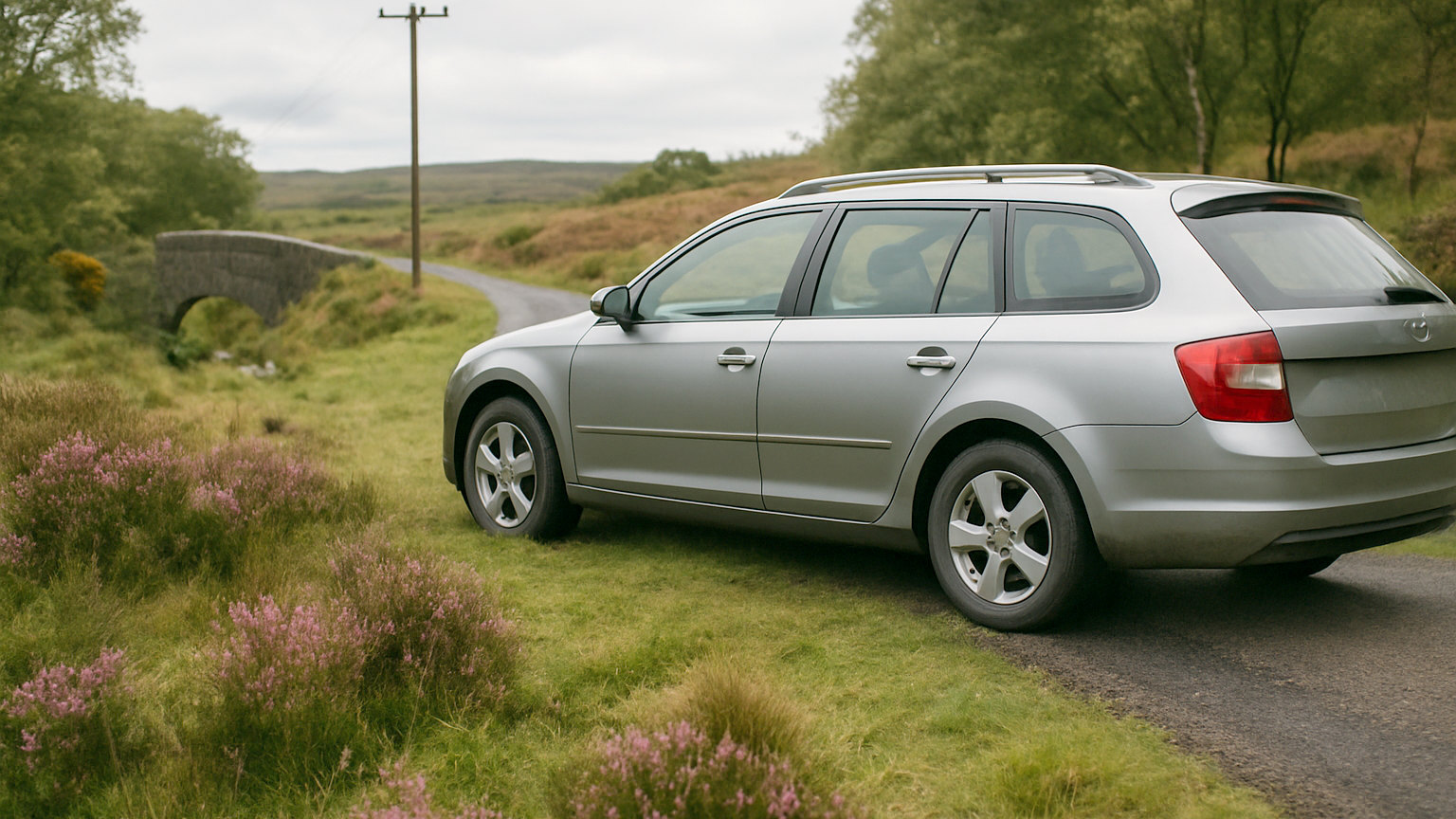
Pull over as soon as it is safe, in a clear spot away from bridges, overpasses, tunnels, buildings, trees and power lines. Stay in the vehicle with the seatbelt on until the shaking stops. A car provides reasonable protection from falling debris, and the suspension makes the motion feel worse than it is, which leads people to think they have a mechanical fault.
Why stay in the vehicle?
Because getting out puts you in the open among falling material and moving traffic, and because other drivers may not have understood what is happening. The car body offers protection. The exceptions are if you are stopped somewhere genuinely dangerous, such as beneath an overpass or beside a masonry wall, in which case move the vehicle if you can or leave it and get clear.
What about after the shaking?
Proceed with great care and expect damage. Roads may be cracked, buckled or blocked, bridges and overpasses may be compromised, and fallen cables may be live. Avoid bridges and tunnels where possible until they have been assessed. Do not drive unnecessarily, since roads are needed for emergency vehicles and blocked routes prevent response.
What if you are on a bridge?
Keep going and get off it if you can do so safely, then stop clear of the structure. Stopping on a bridge during shaking leaves you on the element most likely to be damaged. If the shaking is too severe to continue safely, stop and stay in the vehicle, and move off as soon as it stops.
What about the coast?
Strong shaking near the coast is itself a tsunami warning, and the correct response is to move inland or to high ground immediately once the shaking stops rather than waiting for an official alert. This applies particularly if the shaking was strong enough that standing was difficult or it lasted a long time. Do not go to look at the sea.
What if you are in a crowd?
Move away from the crush rather than with it. Crowd movement during an emergency causes injuries independently of the earthquake, particularly at exits and on stairs. Get to the edge, stay low, protect your head, and let the initial surge pass rather than joining it. Cover and wait is safer than being carried along.
What if you are on public transport?
Hold on and stay seated. Trains in seismic countries are fitted with automatic braking systems triggered by early warning, and the stop can be abrupt. Remain in your seat with a firm grip, protect your head, and wait for staff instructions rather than trying to leave, since walking on tracks or leaving a bus into a debris strewn street is considerably more dangerous than staying put.
Get into the open and cover your head, or pull over clear of structures and stay in the car, and treat strong coastal shaking as a tsunami warning.