Heat is a serious and under recognised hazard in Britain, producing thousands of excess deaths in significant heatwaves. It kills quietly, affecting people already unwell and older people at home, rather than producing dramatic incidents.
Who is most at risk?
Older people, particularly those living alone. Babies and young children. Anyone with a heart or lung condition, kidney disease, diabetes or a serious mental health condition. People taking medication affecting fluid balance or sweating, including some antidepressants, antihistamines and diuretics. Anyone working or exercising outdoors, and anyone living in a top floor flat.
How do you keep a house cool?
By keeping heat out during the day and letting it out at night. Close curtains and blinds on sunny sides, keep windows shut while it is hotter outside than in, and open them wide once the outside temperature drops below the inside, typically late evening. Create a through draught. Use the coolest room, usually north facing and downstairs, during the hottest part of the day.
- Close curtains and windows during the hottest hours
- Open up at night once it is cooler outside than in
- Stay out of the sun between eleven and three
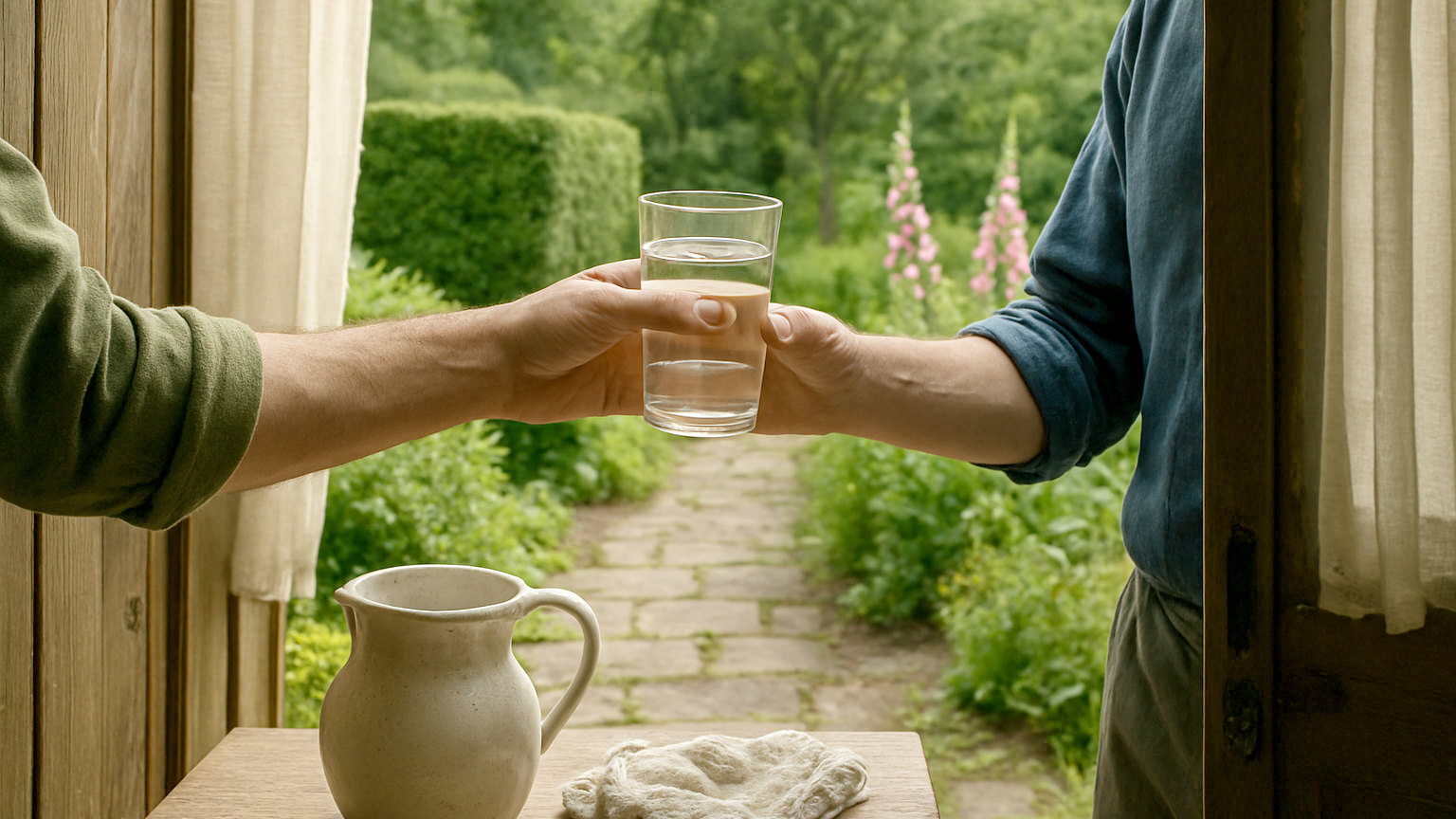
- Drink regularly, before you feel thirsty
- Check on older neighbours and anyone living alone
- Never leave a person or animal in a parked car
What about fans?
Useful up to a point and not above it. A fan helps by increasing evaporation from the skin, and above around thirty five degrees it blows hot air over you and can increase heat gain, particularly for older people who sweat less. Below that it helps considerably. Placing a fan to draw cooler night air in works well. Do not rely on a fan alone for someone frail in extreme heat.
How much should you drink?
Regularly and before thirst, since thirst lags behind need and is blunted in older people. Water is best, and diluted squash and milk count. Avoid excessive alcohol and be aware that very large volumes of plain water while sweating heavily can dilute blood sodium, so salty food or an electrolyte drink alongside is sensible on very hot days with exertion.
How do you recognise heat illness?
Heat exhaustion produces heavy sweating, pale clammy skin, headache, dizziness, nausea, cramps and weakness, with the person still alert. Move them to a cool place, lie them down with legs raised, cool them with water and airflow, and give fluids. If they are not clearly better within half an hour, or if there is any confusion, treat it as heatstroke and call 999.
What makes it heatstroke?
A change in behaviour or consciousness. Confusion, disorientation, slurred speech, unusual aggression, seizures or loss of consciousness mean core temperature has risen enough to affect the brain, and it is a medical emergency with a significant mortality rate. Call 999, cool them aggressively with water and fanning, and do not give fluids to anyone confused or drowsy.
What about sleeping?
Cool the bedroom before bed rather than during the night. Open windows in the evening, use a fan to draw air through, keep bedding light, and consider sleeping downstairs if upstairs is much hotter. A cool shower before bed helps. Poor sleep compounds the effects of heat, particularly across several consecutive days.
Who should you check on?
Anyone older, unwell or living alone, and do it more than once. Heat affects people gradually and they frequently do not recognise it in themselves, particularly if they are used to being cold. A daily check that they are drinking, that the house is not baking and that they are not unwell is a genuinely valuable thing to do during a heatwave.
What about medicines?
Check storage temperatures, since many medicines specify below twenty five degrees and a bedroom in a heatwave can exceed that comfortably. Insulin and some other products require refrigeration and have limited tolerance once out of it. Move medication to the coolest part of the house rather than leaving it in a sunny room or a car, and ask a pharmacist about anything you are unsure of.
Shut it out by day and open up at night, drink before you are thirsty, learn the difference between exhaustion and heatstroke, and check on neighbours.