Being cut off by snow is a genuine possibility in rural Britain and an inconvenience rather than a crisis for a household with basic supplies. The mistakes are usually about impatience.
What should you not do?
Attempt to drive out. Most snow related rescues involve people who tried to reach a main road and became stuck somewhere worse, blocking the route for gritters and emergency vehicles. Unless there is a medical emergency, staying put is almost always correct, and the roads will be cleared in due course.
What should you check first?
Heating fuel, food, water, medication and phone charge. Anyone on oil or bottled gas should check levels early, since deliveries stop when roads are impassable and running out during a freeze is a serious problem. Ration the heating to one or two rooms rather than the whole house, and make sure medication will last several more days than you expect to need.
- Do not attempt to drive out unless it is a medical emergency
- Check heating fuel, food, water and medication early
- Heat one or two rooms rather than the whole house
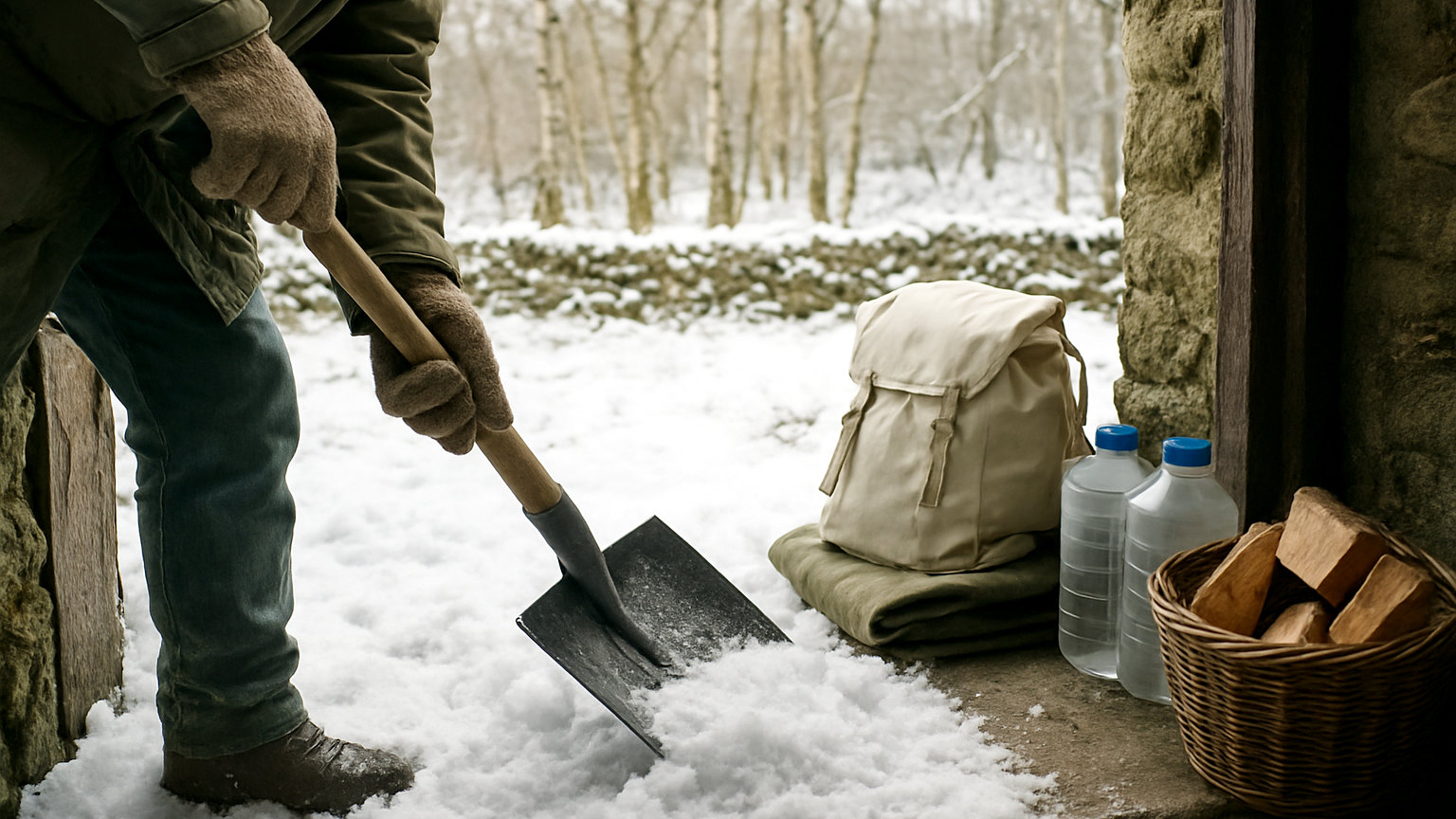
- Clear a path while the snow is fresh, before it compacts
- Keep the boiler flue and any vents clear of snow
- Contact the council or 999 if you genuinely need help
Why clear a path early?
Because fresh snow moves easily and trodden snow becomes ice. Clearing a route from the door to the road while the snow is soft takes a fraction of the effort of chipping compacted ice off it two days later, and it keeps access open for anyone who needs to reach you. Grit the cleared surface, since it will refreeze overnight.
What about the boiler?
Keep the flue and any external vents clear of snow and check the condensate pipe. Condensing boilers have an external condensate pipe that freezes in cold weather and causes the boiler to shut down, which is the most common winter boiler failure. Thawing it with warm water poured over the pipe usually restores operation, and lagging it prevents recurrence.
Should you worry about snow on the roof?
Rarely in Britain, and occasionally. Most British roofs handle typical snow loads without difficulty, and heavy wet snow or prolonged accumulation on a flat roof, a conservatory or an older outbuilding can be a concern. Do not climb up to clear it. Watch for sagging, creaking or doors that suddenly stick, and move out of any structure showing those signs.
How do you manage a longer isolation?
By slowing down rather than rationing hard. Eat properly, since cold raises calorie requirements. Keep to a routine, which matters more than people expect over several days. Conserve phone battery with flight mode and a scheduled check in. Use daylight for anything that needs it. Keep in touch with neighbours, since a rural community cut off together fares much better than households alone.
When should you ask for help?
Before it is urgent. Contact the local authority if you are running short of food, fuel or medication, since councils coordinate welfare during severe weather and can arrange assistance. Call 999 for a medical emergency, and say you are snowed in so the response is planned accordingly. Farmers and neighbours with suitable vehicles frequently help, and asking early makes that easier.
What should you keep for it?
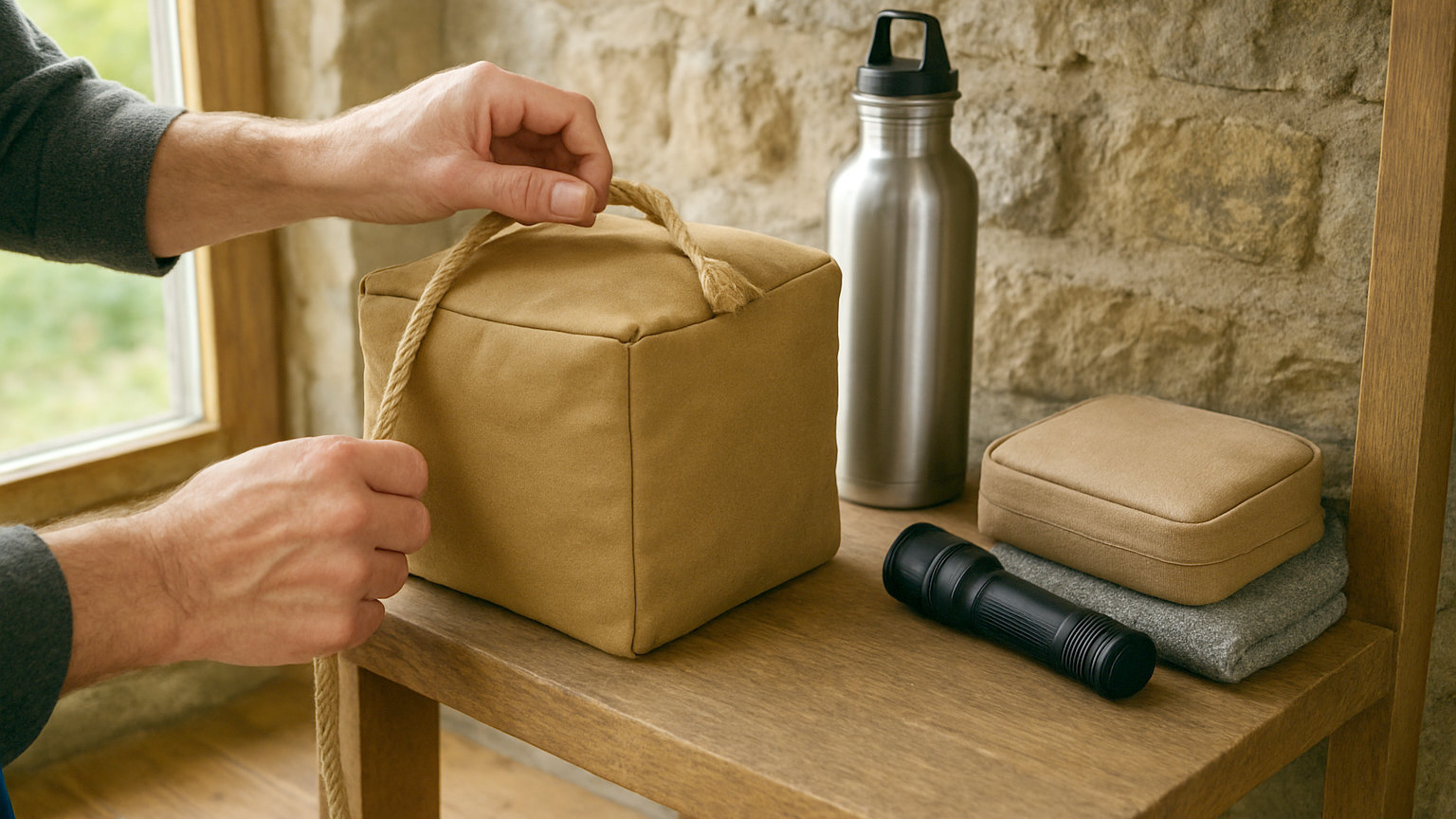
A week of food needing little cooking, water, a means of boiling, torches, a battery radio, extra medication and warm bedding. Anyone in a rural area at the end of a long road should treat this as a normal winter provision rather than emergency preparation, since being cut off for a few days is a routine possibility rather than a remote one.
How do you keep in touch?
Conserve the phone and check in on a schedule. Set a time each day to contact family or a neighbour rather than calling repeatedly, use text rather than voice, and keep the phone in flight mode between check ins. Tell whoever is expecting to hear from you what the arrangement is, so that a missed check in means something rather than being lost in general uncertainty.
Stay put, check fuel and medication early, clear a path while the snow is soft, keep the boiler flue clear, and contact the council before it becomes urgent.