Households near disorder face a set of practical decisions, and the most important is a decision not to do something: not to go outside and confront anyone.
What should you do first?
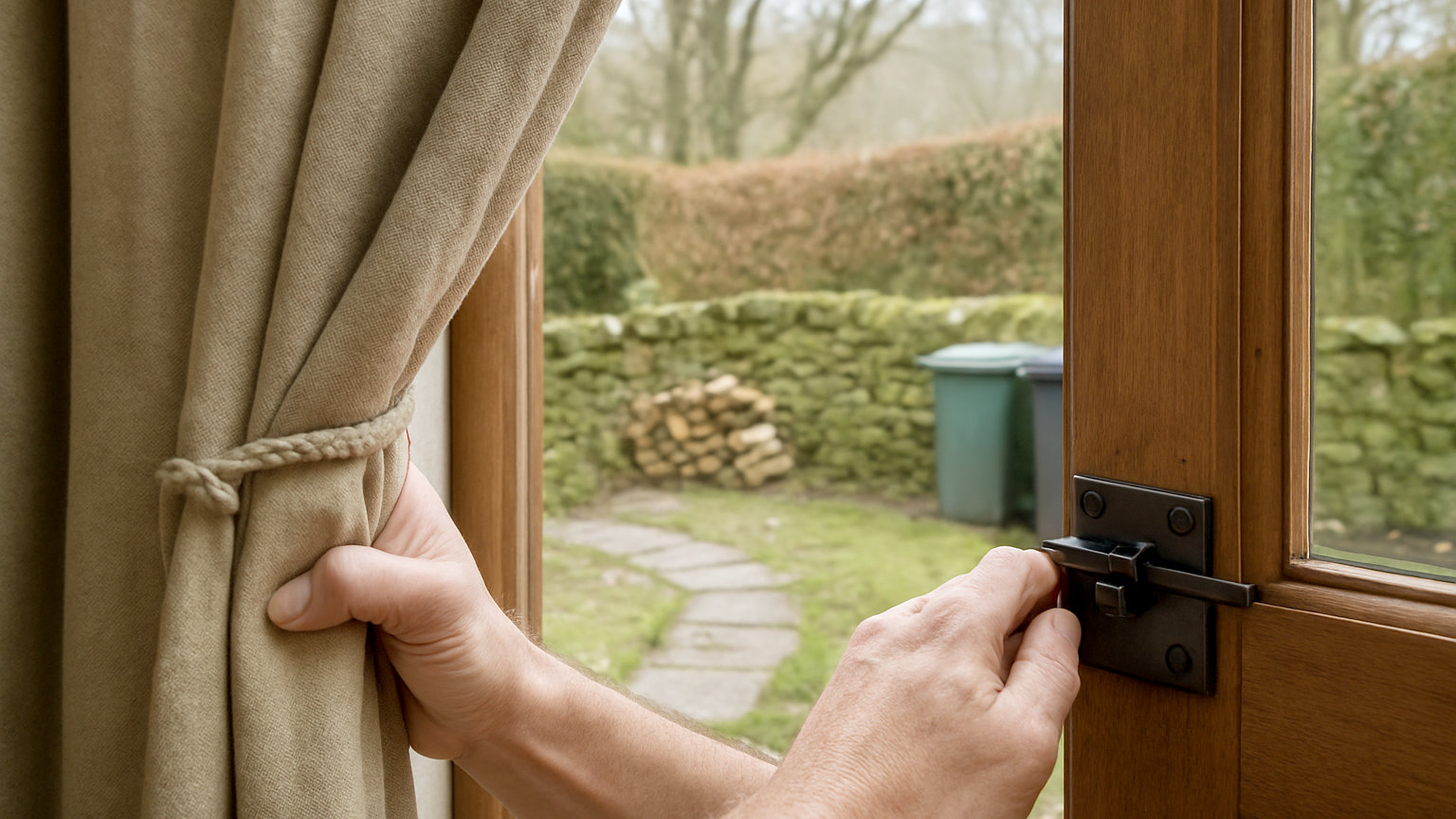
Secure the building and remove the fuel. Lock all doors and windows, including upstairs ones and any side gate. Close curtains and blinds, which both obscures the interior and contains glass if a window breaks. Bring in or secure anything outside that could be thrown or burned: bins, garden furniture, plant pots, tools, bicycles and building materials.
Why do the bins matter?
Because wheelie bins are the most commonly used items in disorder, both as missiles and as things to set alight. A burning bin against a house or a fence is a genuine fire risk. Move them into a locked yard or garage, or if that is impossible, move them away from buildings and out of the immediate area.
- Lock all doors and windows, including upstairs
- Close curtains and blinds
- Bring in bins, garden furniture and anything loose
- Move vehicles away before the situation reaches you
- Stay away from windows and do not go outside to look
- Have a plan to leave by another route if you need to
Should you go outside?
No. Do not confront anyone, do not attempt to defend property, do not stand in the doorway and do not film from the front garden. Property damage is recoverable through insurance and injury is not, and people have been seriously hurt attempting to protect things that were insured. Stay inside, keep away from the windows, and let it pass.
What about your vehicle?
Move it early, to a different street or somewhere secure, before disorder reaches your area. Vehicles parked on affected streets are damaged and sometimes burned, and a burning car next to a house is a serious fire risk. If you cannot move it, leave it and do not go out to it once trouble has started.
What if something comes through a window?
Move away from that room, close the door, and stay in an internal room away from the front of the building. Do not go to the window to look or to clear up. If there is fire, get everyone out by the safest route away from the disturbance and call 999. Deal with the damage afterwards.
Should you be ready to leave?
Have a route in mind, particularly if you are directly in an affected street. Know a way out at the back or through a neighbour if the front is impassable, and have shoes, coats, phones, keys and medication together. Actually leaving during active disorder is usually more dangerous than staying, so this is a contingency rather than a plan.
What about neighbours?
Check on anyone who might be frightened or vulnerable, by phone rather than in person if going outside is unsafe. Older people living alone find disorder in their street genuinely distressing. Agreeing beforehand who checks on whom, as part of ordinary neighbourly arrangements, makes that straightforward rather than awkward.
What about afterwards?
Photograph any damage before touching it, report it to the police for a crime reference number, and contact your insurer promptly. Buildings and contents policies generally cover riot damage, and in some circumstances compensation schemes exist for riot related damage, so ask rather than assuming. Keep receipts for any emergency repairs.
What about businesses attached to homes?
Shutters down, stock and cash removed from display, lights left on and nobody staying to guard it. Shops with flats above are a particular concern because a fire below traps people upstairs, so make sure the escape route from the residential part is clear and does not pass through the commercial premises. Property is insured and the people upstairs are not replaceable.
Lock up, close the curtains, bring in anything burnable, move the car early, stay away from windows, and never go out to confront anyone.