British experience of supply disruption in recent years has a consistent pattern, and it is not the one people imagine. The shortages have been real, short lived and largely created by the response to them.
What actually happened in recent shortages?
Demand surges outran distribution. The fuel disruption of 2021 involved a shortage of tanker drivers rather than a shortage of fuel, and forecourts emptied because everyone attempted to fill up at once rather than because the fuel had run out. Food shortages during the same period were similarly patchy and driven by distribution and labour rather than by absent supply.
What does that mean for a household?
That the useful response is to behave normally and to have a small buffer built beforehand. A household with half a tank of fuel and a fortnight of food does not need to join a queue, which is both easier for them and better for everyone else. The buffer has to exist before the disruption, since building it during one is the behaviour that causes it.
- Shortages are usually patchy and specific rather than total
- Demand surges cause more disruption than supply failures
- Keep the fuel tank above half as an ordinary habit
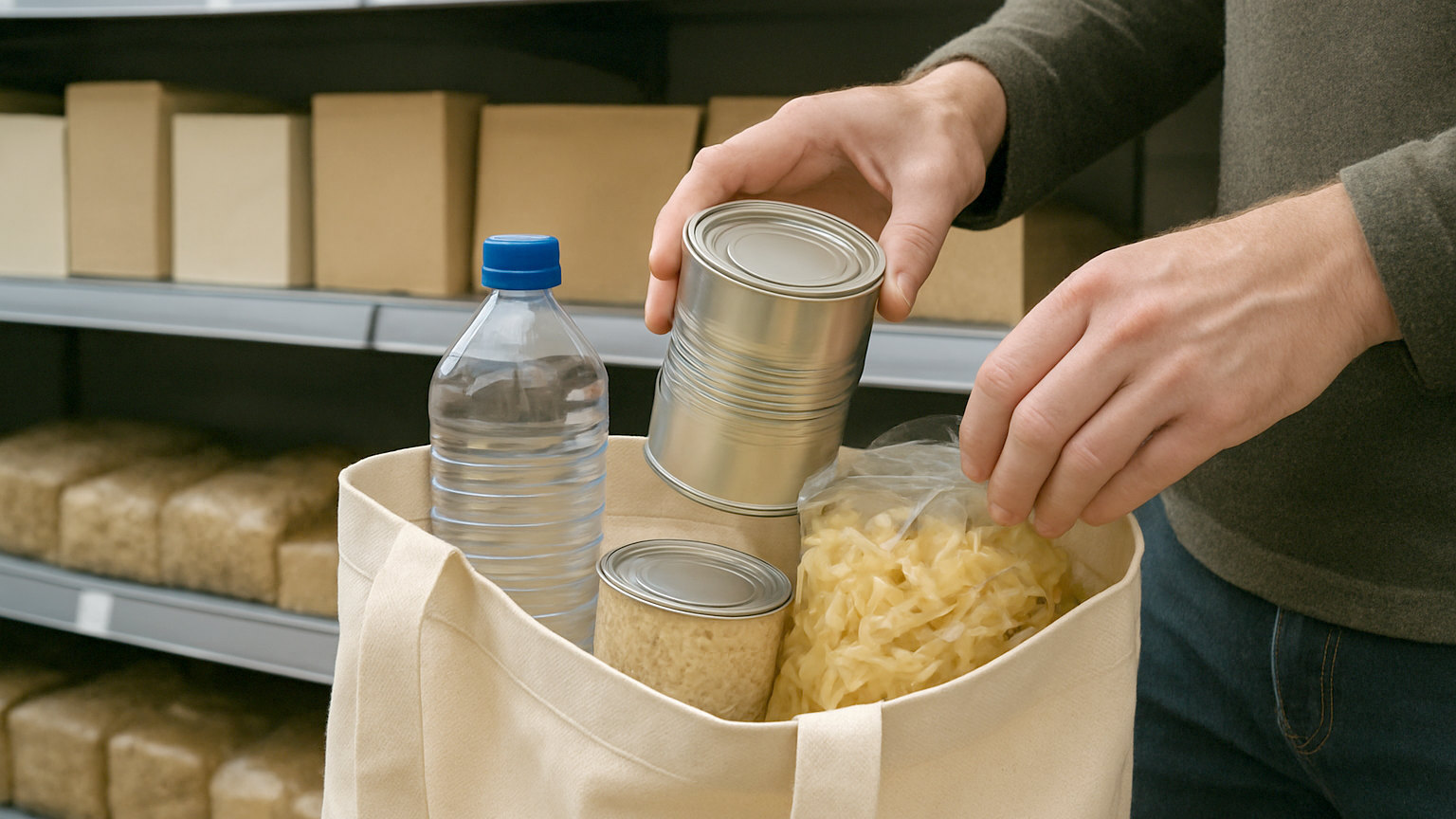
- Hold a fortnight of food built up gradually beforehand
- Substitute rather than hunting for specific products
- Expect disruption to resolve within weeks
How long do these last?
Weeks rather than months, in recent British experience. Supply chains adapt, alternative routes are found and demand normalises once the initial surge passes. That is worth knowing because it argues against both panic and against building enormous stores. A fortnight of flexibility covers the realistic gap comfortably.
What about fuel specifically?
Keep the tank above half as an ordinary habit, which costs nothing and removes the need ever to join a queue. During a disruption, drive less, combine journeys, and do not fill jerry cans, which is both dangerous and subject to legal limits on the quantity that may be stored at home. Rationing at forecourts is applied precisely to spread limited stock.
What about food?
Substitution is the main skill. If one product is unavailable another usually is, and a household willing to cook differently for a few weeks is in a far better position than one insisting on specific items. Local shops frequently hold stock when supermarkets do not, since they use different supply chains and face less concentrated demand.
What is most likely to be short?
Specific items rather than categories, and it varies by event. Recent shortages have affected particular products, particular brands and particular regions rather than food in general. Anything with a complex supply chain, a short shelf life or a single source is more vulnerable. Basic staples such as rice, pasta, flour and tinned goods have consistently remained available.
Who is most affected?
People who cannot buy ahead, which is the reason gradual preparation matters ethically as well as practically. Households on low incomes, people without cars, those who cannot get to shops early and shift workers all bear the cost of panic buying by others. Building a store quietly over months takes nothing from anyone.
What should you not do?
Join the surge, buy far more than you need, store fuel improperly, or act on rumours of shortages. Reports of impending shortages have repeatedly caused the shortage they predicted. Check official sources, buy normally, and rely on the buffer you built when nothing was happening.
What about medicines?
Order repeat prescriptions in good time rather than stockpiling, since pharmacies are not stocked for everyone to hold double quantities and hoarding is what creates genuine shortages. If something is unavailable, the pharmacist can frequently source it elsewhere or advise on a suitable alternative, sometimes needing the GP to amend the prescription. Never ration your own medication or stop taking it without advice.
Expect patchy short lived shortages, keep the tank above half and a fortnight of food, substitute rather than hunting, and do not join the surge.