Prolonged freezing weather causes more household damage through burst pipes than through anything dramatic, and it causes more harm to people through cold homes than through anything outdoors.
Why do pipes burst?
Because water expands as it freezes and the ice plug increases pressure downstream until something fails. The damage frequently appears not while frozen but when the thaw comes and water starts flowing through the split. A burst pipe can release a great deal of water very quickly, and the damage is among the most expensive household claims there is.
How do you prevent it?
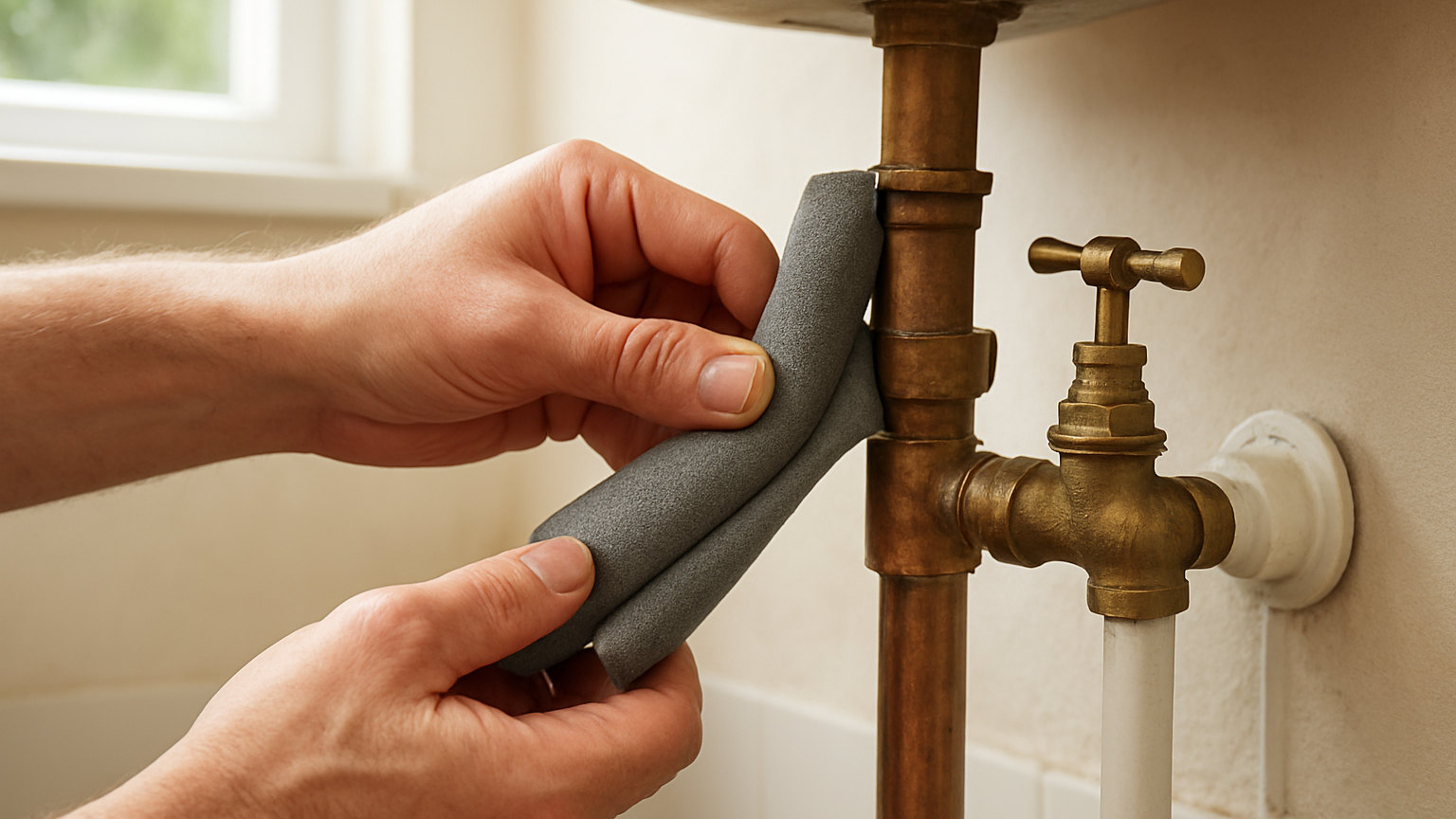
Insulation and heat. Lag pipes in lofts, garages, outbuildings and against external walls, and insulate the cold water tank if you have one, leaving the underside uninsulated so warmth rises into it. Keep a low background heat on rather than turning heating off entirely during cold spells. Open loft hatches slightly during a hard freeze to let warmth reach the space.
- Lag pipes in lofts, garages and against external walls
- Keep a low background heat rather than turning it off
- Know where the stopcock is and check it turns
- Drain outside taps and disconnect hoses
- Leave heating on low if the property will be empty
- Register vulnerable household members for priority services
Where is the stopcock?
Usually under the kitchen sink or near where the mains enters the property, and it is the thing you need in the first thirty seconds of a burst. Find it now, check it actually turns, and make sure more than one person in the house knows. A seized stopcock discovered during a flood is a genuinely bad moment, and freeing one costs very little in advance.
What if a pipe freezes?
Turn off the water at the stopcock and thaw it gently. Use a hot water bottle, warm towels or a hairdryer on a low setting, working from the tap end back toward the frozen section so meltwater can escape. Never use a naked flame or a blowtorch. Open the tap so you can see when flow returns, and check the pipe carefully for splits once thawed.
What if one bursts?
Stopcock off, electricity off if water is near anything electrical, and catch what you can. Open all taps to drain the system and reduce pressure. Contact your insurer, who will usually arrange emergency assistance, and photograph the damage before clearing up. Do not use ceiling lights in a room where water has come through a ceiling.
How do you keep warm affordably?
Heat people rather than the whole house. Layers, blankets, hot water bottles and warm food and drinks. Close curtains at dusk to retain heat and open them in daylight for solar gain. Use one warm room during the day and close doors elsewhere. Draught proofing letterboxes, keyholes and gaps under doors costs very little and makes a noticeable difference.
What if the property will be empty?
Leave the heating on low rather than off, at around a background setting, and ask someone to check periodically. Many insurance policies contain conditions about unoccupied properties in winter, sometimes requiring heating to be maintained or the system drained, and failing to comply can affect a claim. Read the policy before going away for an extended period.
Who needs checking on?
Older neighbours and anyone living alone, since cold homes cause a rise in respiratory illness, heart attacks and strokes, and many people underheat their homes because of cost. A knock on the door, an offer to collect shopping and a check that the heating is working are genuinely valuable. Register anyone eligible on the Priority Services Register with their energy supplier.
What about outside taps and hoses?
Disconnect and drain them before the first freeze. A hose left attached traps water in the tap and the pipe behind it, which freezes, expands and splits the pipe inside the wall where you cannot see it. Isolate the outside tap at its internal stop valve if one is fitted, open the tap to drain it, and fit an insulated cover. It takes five minutes and prevents a common and expensive burst.
Lag the pipes, find and free the stopcock, keep a low background heat, drain outside taps, and check on neighbours during the freeze.