Cleaning received enormous attention during recent outbreaks, much of it disproportionate to the benefit. Knowing what actually helps saves a great deal of effort.
What should you clean?
High touch surfaces, meaning door handles, light switches, taps, bannisters, kettle handles, remote controls and phone screens. Normal household detergent and a cloth removes most contamination, and a disinfectant afterwards adds a further reduction. Cleaning every surface in the house repeatedly achieves very little for respiratory illness and exhausts the person doing it.
How does detergent work?
By lifting material off the surface so it can be wiped away, which is the main mechanism and is why physical cleaning matters more than the product. Disinfectants inactivate what remains, and they work best on an already clean surface, since dirt shields organisms. Clean first, then disinfect where you want the extra step.
- Concentrate on high touch surfaces rather than everything
- Clean with detergent first, then disinfect if you wish
- Wash laundry at the hottest temperature the fabric allows
- Do not shake dirty laundry, which disperses particles
- Wash hands after handling laundry and waste
- Use soap and water rather than gel for stomach bugs
How should you handle laundry?
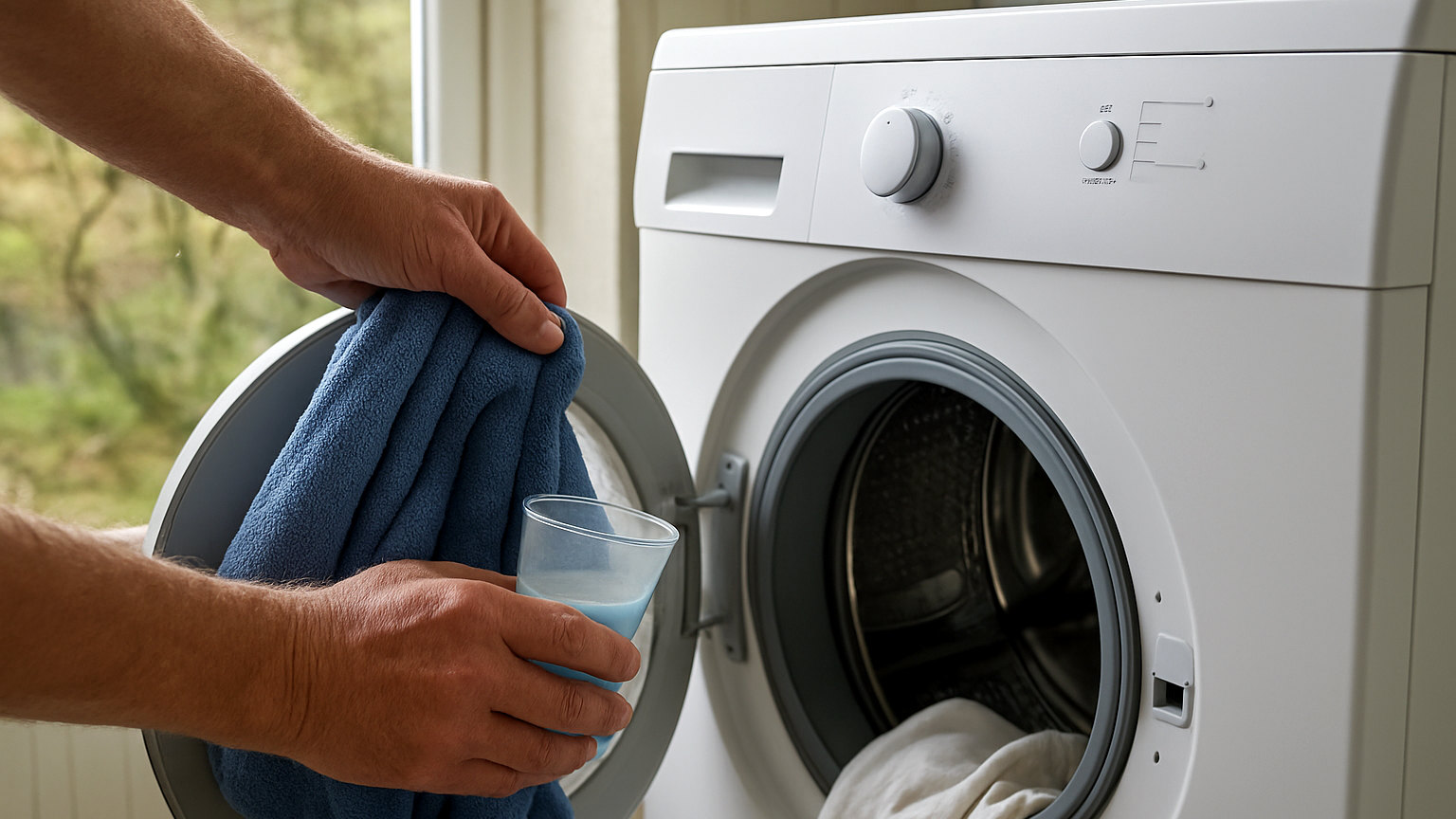
Carry it in a bag rather than an armful, do not shake it, and wash at the hottest temperature the fabric permits. Shaking disperses particles into the air, which is the specific thing to avoid. Wash the ill person items separately if convenient, though it is not essential for most infections. Wash your hands afterwards, and clean the basket or bag.
Does hot washing matter?
It helps and detergent does much of the work. A hot wash of sixty degrees inactivates a wide range of organisms, and modern detergents are effective at lower temperatures for ordinary laundry. Where someone has a gastrointestinal infection, or where items are heavily soiled, the hottest wash the fabric tolerates is worth using along with a full drying cycle.
What about hand washing?
It remains one of the most valuable measures, particularly before eating and after using the lavatory or handling waste. Soap and water for twenty seconds, covering all surfaces of the hands, removes far more than a quick rinse. Alcohol gel is a good substitute when hands are not visibly soiled, and it is not effective against every organism.
Why is gel not always enough?
Because some organisms resist alcohol. Norovirus in particular is poorly inactivated by alcohol gel, which is why outbreaks in schools, cruise ships and hospitals emphasise soap and water. During any stomach bug in a household, hand washing with soap and water is the measure that matters, and gel should not be relied upon as the primary defence.
What about waste?
Bag it and follow current guidance. Tissues and similar waste from an ill person can generally go into a bag which is tied and placed in the normal household waste, and guidance during specific outbreaks has sometimes advised holding it for a period first. Keep a lined bin in the room so waste does not travel through the house.
What is not worth doing?
Disinfecting shopping, post and packaging, fogging rooms, spraying disinfectant into the air, and repeated deep cleaning of every surface. None of these are supported for respiratory infection, some are hazardous, and all consume effort better spent on ventilation. Never mix cleaning products, particularly bleach with anything containing ammonia or acid.
What about shared items?
Give the ill person their own and keep them separate. Towels in particular are shared casually in most households and are worth allocating deliberately during illness, along with a flannel, a cup and a toothbrush kept away from the others. Toothbrushes stored together in one pot touch each other, which is worth a moment of thought when someone is unwell.
What about the vacuum cleaner?
Use one with a decent filter and ventilate while doing it, since vacuuming disturbs settled dust and puts it back into the air. It matters little for respiratory illness and rather more where someone has had a stomach bug, since particles settle on carpets and soft furnishings. Open a window, and empty the cleaner outside rather than over the kitchen bin.
Clean high touch surfaces with detergent, wash laundry hot without shaking it, wash hands with soap for stomach bugs, and skip the elaborate regimes.