The sheltering phase of a radiation emergency is short. What follows is a recovery process involving monitoring, restrictions and, for those affected, a considerably longer period of disruption.
What happens first?
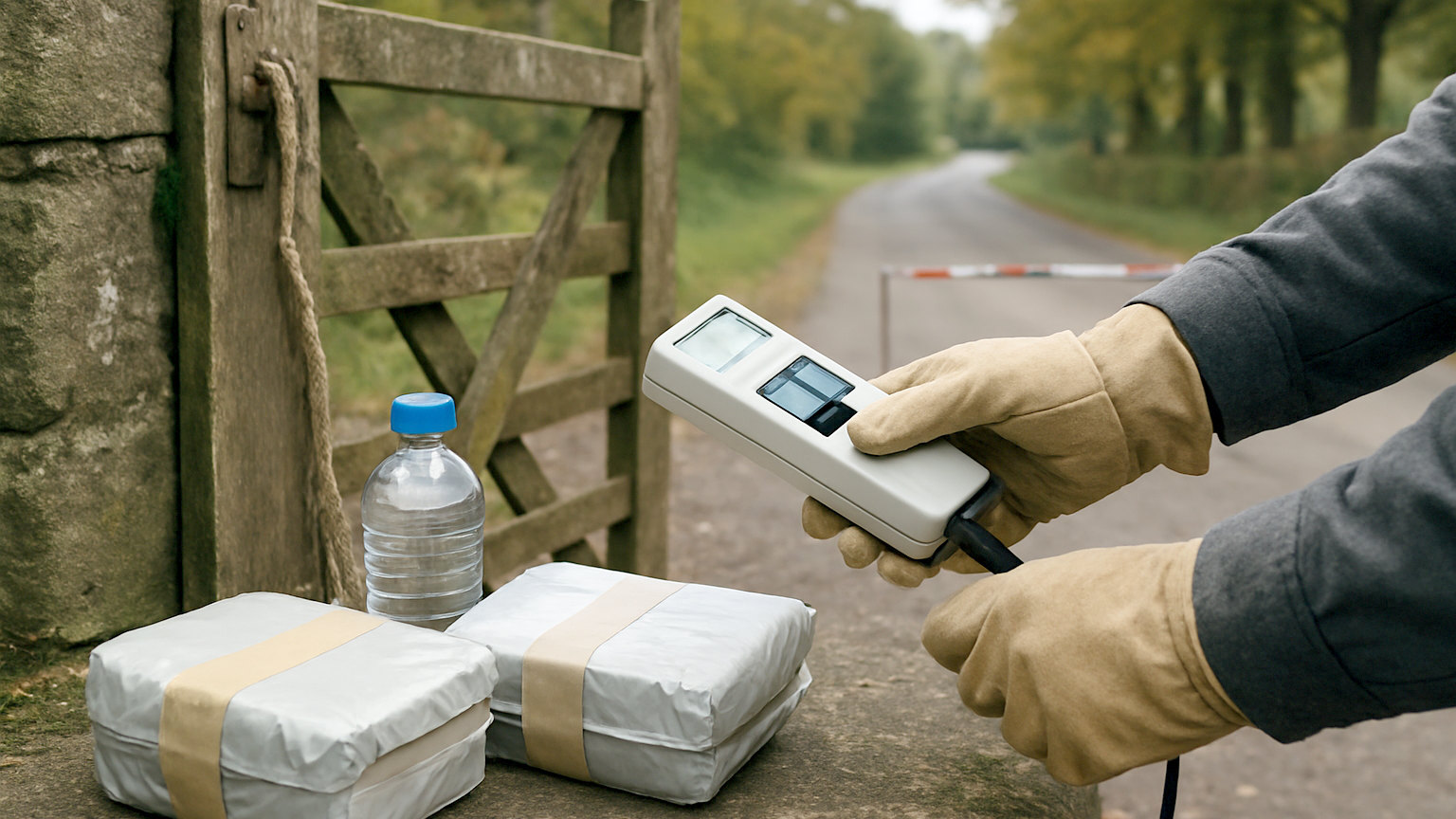
Assessment and monitoring. Agencies measure contamination across the affected area, model where material has been deposited, and use that to decide which countermeasures continue and which are lifted. People who may have been exposed or contaminated are monitored, and decontamination facilities are established where needed. This is done systematically rather than instantly.
Would you be checked?
If you were in an affected area, yes. Monitoring arrangements are part of off site emergency plans and involve checking people for contamination, providing decontamination where needed, and recording who was where. Follow instructions about where to go and when. Being recorded matters for any later health follow up as well as for immediate management.
- Agencies monitor contamination and model deposition
- People in affected areas are checked and recorded
- Food and land restrictions are applied and reviewed
- Health surveillance may be established for those affected
- Return to homes depends on measured levels
- Support is coordinated through the local authority
What restrictions might continue?
Controls on food production, movement and sale from affected areas. Restrictions on grazing, harvesting and land use. Possibly limits on access to specific areas. These are reviewed against monitoring data and lifted progressively, and the timescale depends on the isotopes involved, ranging from weeks for short lived material to considerably longer.
Would there be health follow up?
For anyone significantly exposed, yes. Health surveillance arrangements exist for people involved in radiation emergencies, and registers have been established following historical incidents to track health outcomes over long periods. For most people in a wider affected area, exposure would be low and routine follow up would not be needed, which is itself worth stating clearly.
What about coming home?
It depends on measured contamination rather than on time elapsed. Where evacuation has occurred, return is authorised once levels are assessed as acceptable, and that may involve decontamination of properties and land first. Where sheltering was used, most people would resume normal life quickly, with specific restrictions on food or land continuing.
What support exists?
Coordinated through the local authority, working with health agencies, and covering practical matters such as accommodation, information, financial help and health advice. As with any emergency, a substantial amount of available support goes unclaimed because people assume it is for others. Ask, and keep asking, rather than managing alone.
What about the psychological effects?
They are significant and well documented, and in some historical incidents they caused more measurable harm than the radiation itself. Anxiety about invisible contamination, uncertainty about long term health, displacement, stigma and loss of livelihood all persist. This is a normal response to a genuinely difficult situation, and support should be sought rather than endured.
How reliable is the information?
Official monitoring data is published and is the source to follow. Radiation is one of the most measurable hazards there is, with well established instrumentation and monitoring networks, which means the position can be stated with more precision than for many other emergencies. Speculation about hidden severity is common after such events and is rarely supported by the data.
How long does recovery take?
Weeks to years depending on the scale and the isotopes involved. Short lived contamination decays quickly and restrictions lift within weeks, while longer lived material can require land management and food controls for years. Recovery planning is a formal part of emergency arrangements rather than an afterthought, and it involves land, agriculture, water, waste and community support alongside health.
What about property and livelihoods?
Both are addressed, and slowly. Compensation arrangements exist under nuclear liability legislation, with operators required to hold financial provision, and claims processes would be established after a significant incident. Agricultural losses, business interruption and property values are all affected in ways that persist well beyond the technical recovery, which is a large part of why the psychological impact lasts so long.
Expect monitoring, recording and restrictions rather than a quick return to normal, follow official data, take up available support, and treat the psychological impact seriously.