Tall buildings feel alarming during an earthquake and are frequently among the safest places to be, provided you understand what is happening and resist the urge to move.
Why do tall buildings sway so much?
Because they are designed to. Modern seismic design allows a structure to flex and absorb energy rather than resisting it rigidly, which would require impossible strength. A tall building may sway noticeably and for longer than the shaking itself, and upper floors move considerably more than the base. That motion is the design working rather than failing.
What should you do during shaking?
Drop, cover and hold on where you are. Do not attempt to reach the stairs, do not go to a window, and do not use the lift. Movement on an upper floor during shaking is more difficult than at ground level because the motion is amplified, and the hazards are the same falling objects as anywhere else.
- Drop, cover and hold on rather than heading for the stairs
- Never use a lift during or after an earthquake
- Expect prolonged swaying, which is the design working
- Stay away from windows and glazed areas
- Evacuate by the stairs afterwards if instructed
- Learn the building emergency procedure before you need it
Why not use the lift?
Because lifts stop, trap people and may be damaged. Many modern lifts have seismic detection that moves the car to the nearest floor and opens the doors, and that only works if the system is intact and powered. Being in a lift during an aftershock is a genuinely bad position, and stairs are the only reliable route down.
Should you evacuate?
Follow the building procedure and the instructions of the fire wardens or management. Many tall buildings are designed for occupants to remain in place unless there is specific damage, and mass evacuation down stairwells creates its own risks, particularly during aftershocks. If the building is damaged or there is fire or gas, leave by the stairs calmly.
What is different on upper floors?
Everything moves more. Furniture slides further, unsecured objects travel across rooms, and the duration of felt motion is longer. Securing contents matters more, not less, on upper floors. Filing cabinets, shelving and equipment on wheels are particular hazards in offices, and lockable castors and straps address them cheaply.
What about windows?
Keep well away. Large areas of glazing are a substantial hazard, both from breakage and from the risk of being pushed against them. Curtain walling and cladding can fail, and glass falling from height is dangerous to people below as well. Move to an internal area away from glass when you take cover.
What about hotels?
Check the escape route on arrival, which takes two minutes and is worth doing anywhere. Count the doors to the stairwell so you could find it in darkness or smoke. Note whether the room has anything heavy above the bed. Keep shoes and a torch accessible. This is standard advice for fire and applies equally here.
What happens afterwards?
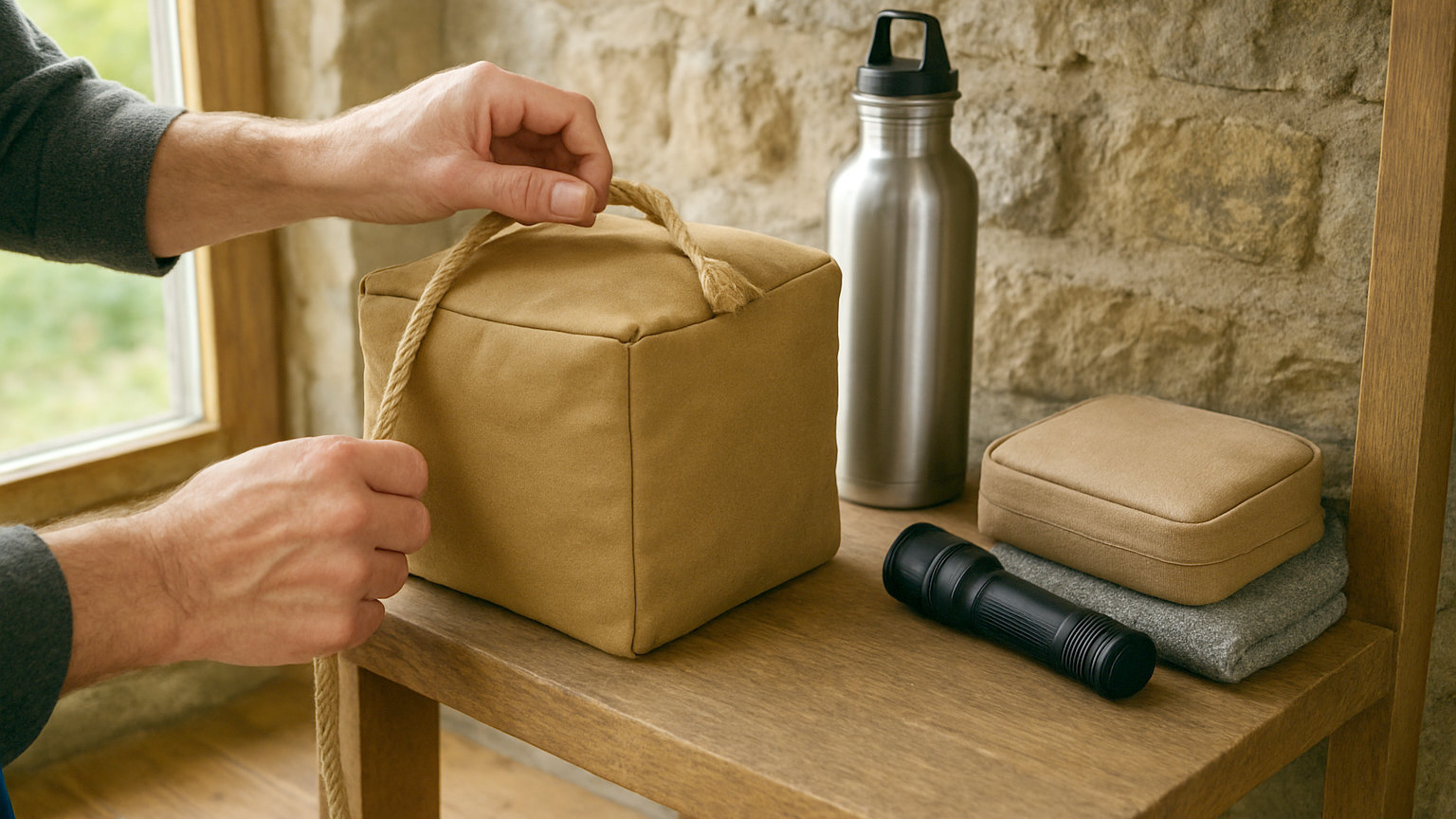
Expect the building to be inspected before normal use resumes, and expect that to take time. Lifts require testing before being returned to service, which in a tall building means stairs for a while. Water and power may be interrupted on upper floors specifically, since pumps and risers depend on both. Having a small kit at work or in a flat matters more in a tower than at ground level.
What about the floors above and below?
Different floors experience the same earthquake very differently. Upper floors sway more and for longer, so contents move further and people are more likely to be knocked over. Lower floors experience sharper motion but less displacement. Neither is dramatically safer in a well designed building, and the practical consequence is simply that securing contents matters more the higher you are.
Drop, cover and hold on where you are, never take the lift, expect prolonged swaying, stay away from glass, and learn the building procedure in advance.