Storm damage claims are common and generally handled well by insurers, provided you take a few steps in the right order and resist the urge to fix things yourself at height.
What should you do first?
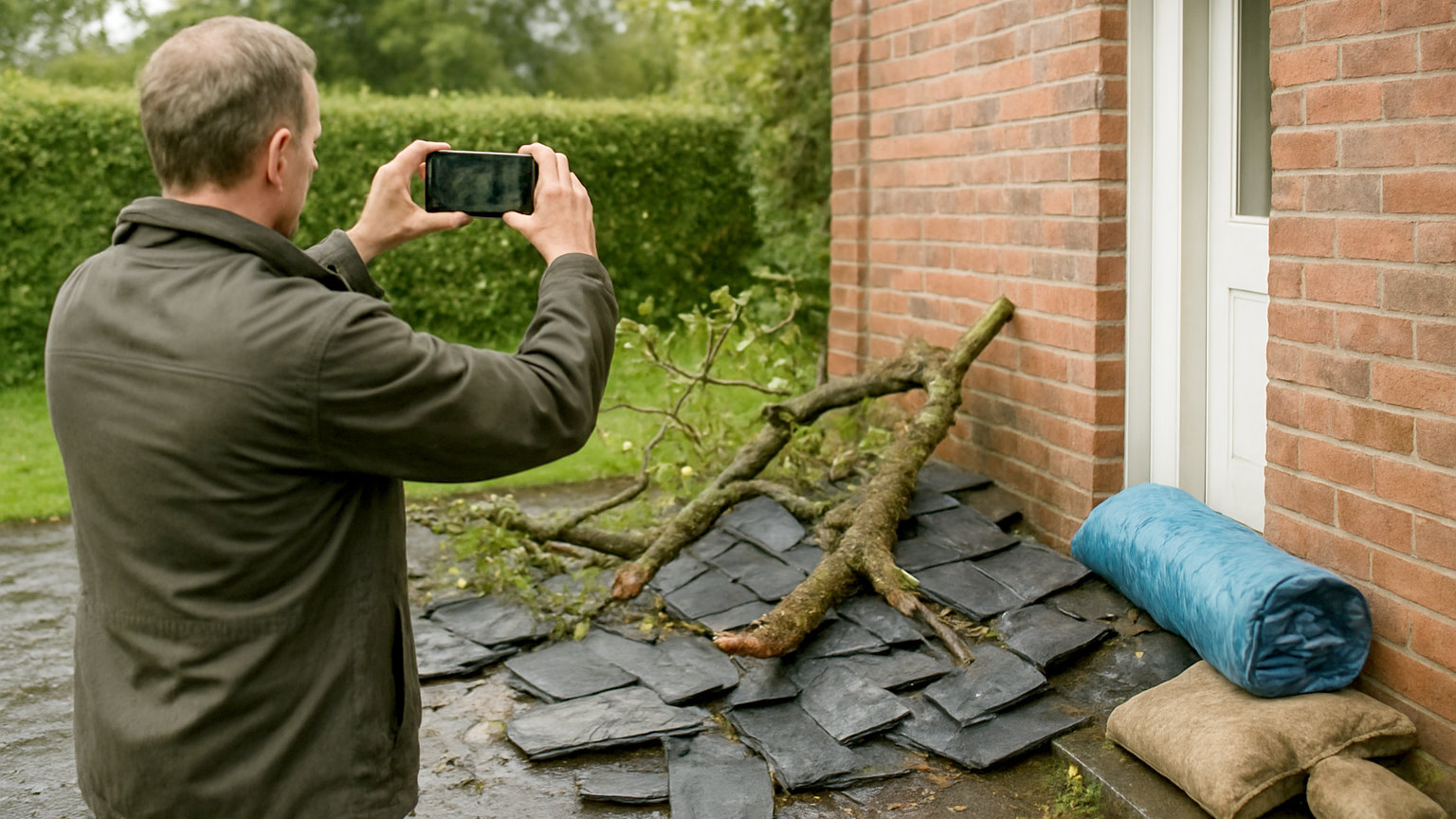
Assess from the ground and photograph everything before touching it. Walk around the property looking for displaced tiles, damaged flashing, blocked gutters, fallen fencing and broken glass. Use binoculars or a phone camera zoom rather than a ladder. Photograph the damage, the debris and anything that has fallen, since evidence gathered before clearing up is what supports the claim.
Why should you stay off the roof?
Because falls from height are among the most common causes of serious injury after storms, and a wet damaged roof in residual wind is a genuinely dangerous place. Displaced tiles leave gaps, battens may be broken and the surface is slippery. Roofers do this for a living with proper equipment. A tile costing a few pounds is not worth a fall.
- Assess from the ground and photograph before clearing up
- Do not climb onto the roof or use a ladder in wind
- Take reasonable steps to prevent further damage
- Contact your insurer promptly and keep all receipts
- Beware of unsolicited traders offering immediate repairs
- Report damaged or fallen cables to 105 without approaching
What does preventing further damage mean?
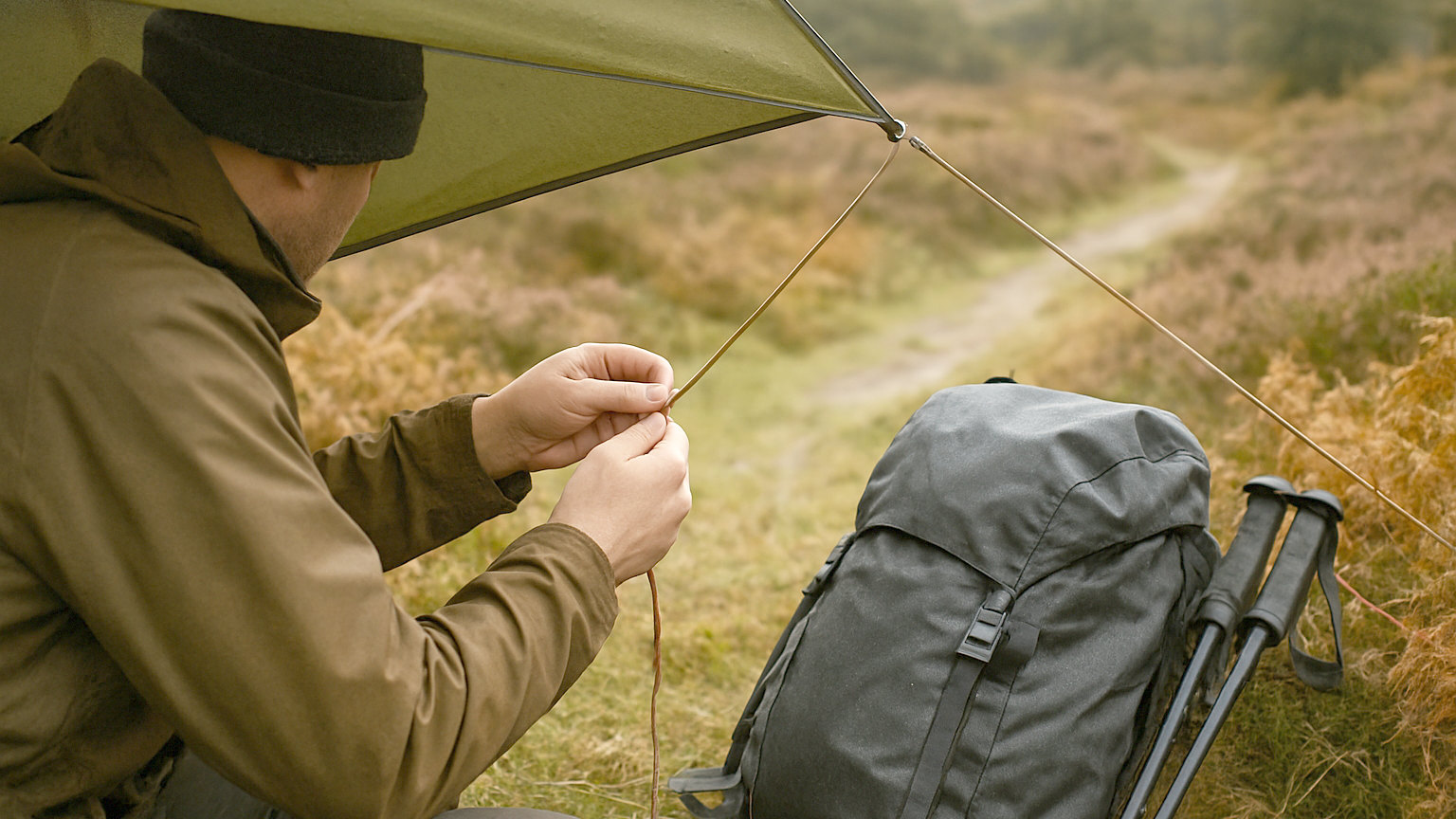
Reasonable temporary measures, which policies generally require. Covering a hole with a tarpaulin where safe to do so, moving possessions away from a leak, catching water in containers, and boarding a broken window. Insurers expect you to mitigate rather than let damage worsen, and the cost of emergency measures is usually recoverable. Keep receipts for everything.
How does the claim work?
Notify the insurer promptly, since policies specify a period. They will usually ask for photographs and may appoint a loss adjuster or a contractor. Ask before commissioning permanent repairs, as they may want to inspect or use their own network. Emergency work to make the property safe is normally acceptable without prior approval, and should be documented.
What counts as storm damage?
This is where disputes arise. Policies typically define a storm by wind speed, rainfall intensity or snow depth, and insurers may argue that damage resulted from pre existing wear rather than the weather. A roof already in poor condition that loses tiles in moderate wind may be treated as maintenance rather than storm damage. Keeping the property maintained and documenting its condition helps considerably.
What about fences and gates?
Often excluded or limited. Many buildings policies exclude fences, gates and hedges from storm damage cover, or cap the amount, on the basis that they are exposed and prone to failure. Check the wording rather than assuming, since fence damage is one of the most common storm outcomes and one of the most common claim refusals.
What about traders turning up?
Be cautious. Storms attract door to door callers offering immediate roof repairs, sometimes at inflated prices and sometimes with no intention of doing the work properly. Do not agree to work on the doorstep, do not pay cash up front, and use a trader you have found independently or through your insurer. Trading standards receive a spike in complaints after every major storm.
What if a neighbour tree or fence caused it?
Claim on your own insurance first. Liability depends on whether the owner was negligent, such as failing to act on a tree they knew was dangerous, and a healthy tree brought down by exceptional wind is generally nobody fault. Pursuing a neighbour is slow and damaging to relations, and insurers will pursue recovery themselves where there is a case.
How long do you have to claim?
Most policies require notification as soon as reasonably possible, and leaving it weeks can prejudice a claim. Report it even if you are unsure of the extent, since an early notification protects your position and the insurer can advise on next steps. Keep a written record of who you spoke to and when, since storm periods produce very high call volumes and claims occasionally go astray.
Photograph before clearing, stay off the roof, take reasonable steps to limit further damage, notify the insurer early, and avoid doorstep traders.