Long term storage is a genuine technique and it is oversold. Recognising when it is the wrong answer saves money, space and a good deal of effort that would be better spent elsewhere.
When is it clearly premature?
When the basics are missing. A household with twenty kilograms of sealed rice and no torch, no stored water, no written plan and no first aid kit has prepared for the wrong thing. The disruption that will actually happen is a power cut or a supply interruption lasting days, and none of the rice addresses it. Build the week before the decade.
When does the space not justify it?
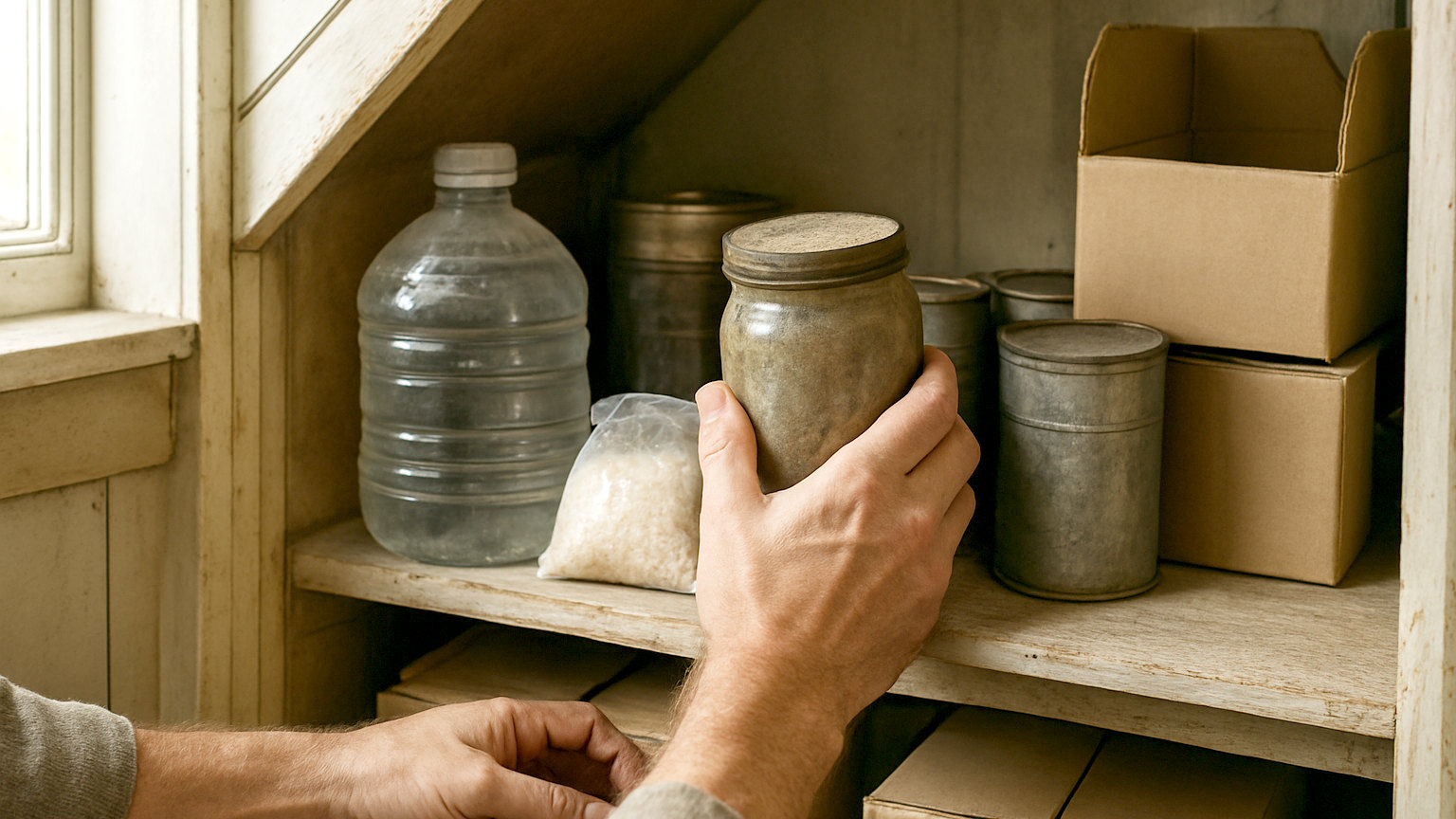
In a small flat with no suitable location. Long term stores need cool, dark, stable space off the floor, and a flat with only a warm cupboard and a loft has nowhere appropriate. Storing buckets somewhere hot produces a store that will not achieve its shelf life, which is worse than not storing at all because it creates false confidence.
- Before a plan, water, torches and a week of ordinary food exist
- Where there is no cool stable space to keep it
- When storing food the household will never eat
- When the same money would buy more useful preparation
- When it becomes collecting rather than preparing
- Where a dietary requirement makes the standard staples useless
What is the most common mistake?
Storing food nobody eats. Buckets of wheat berries requiring a mill nobody owns, dried beans that will need a pressure cooker in twenty years, and quantities of a single grain that would be miserable to live on. A store is only useful if the household would genuinely eat it, and enthusiasm at the packing stage frequently outruns realism about the eating.
What would the money do instead?
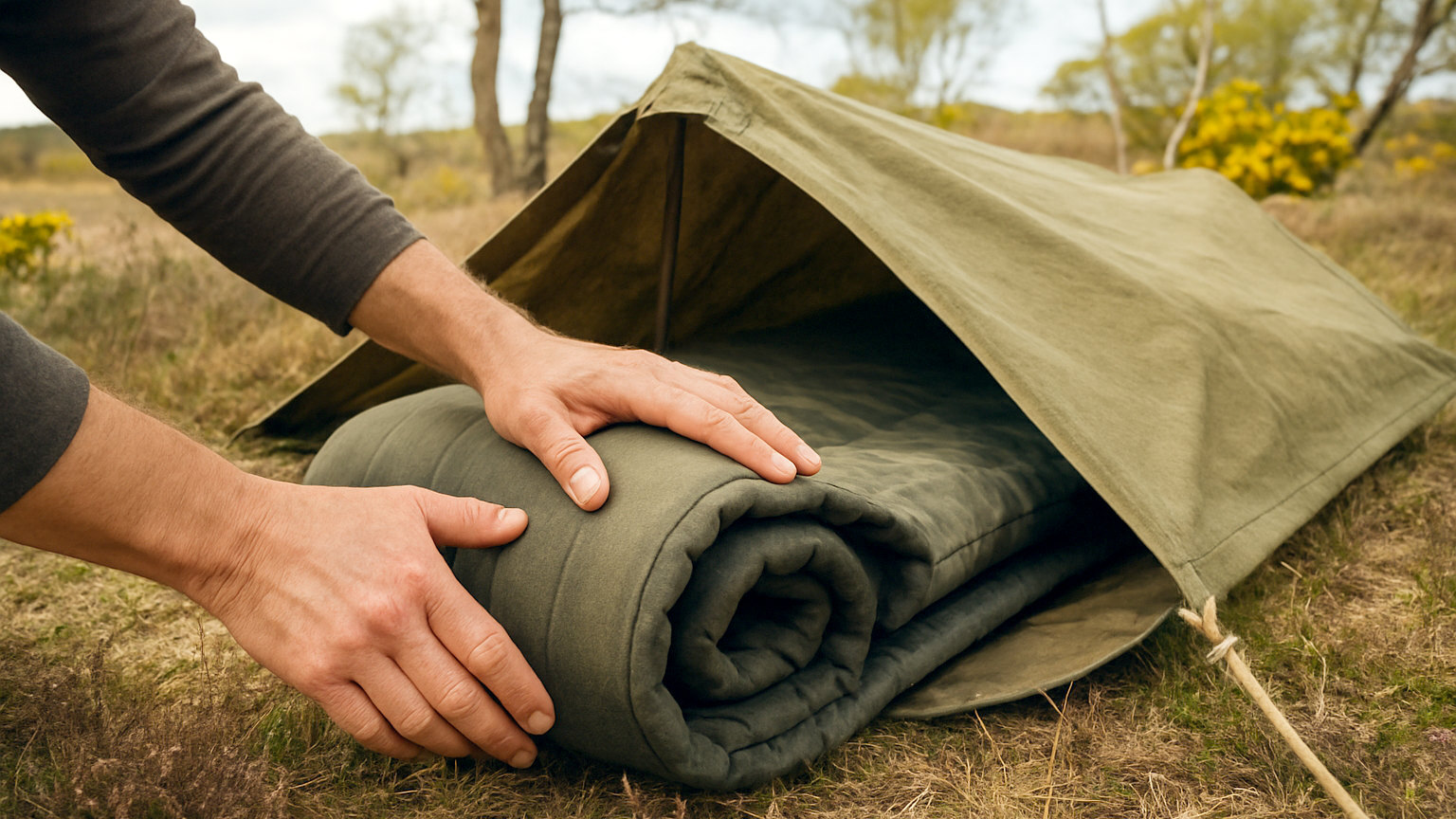
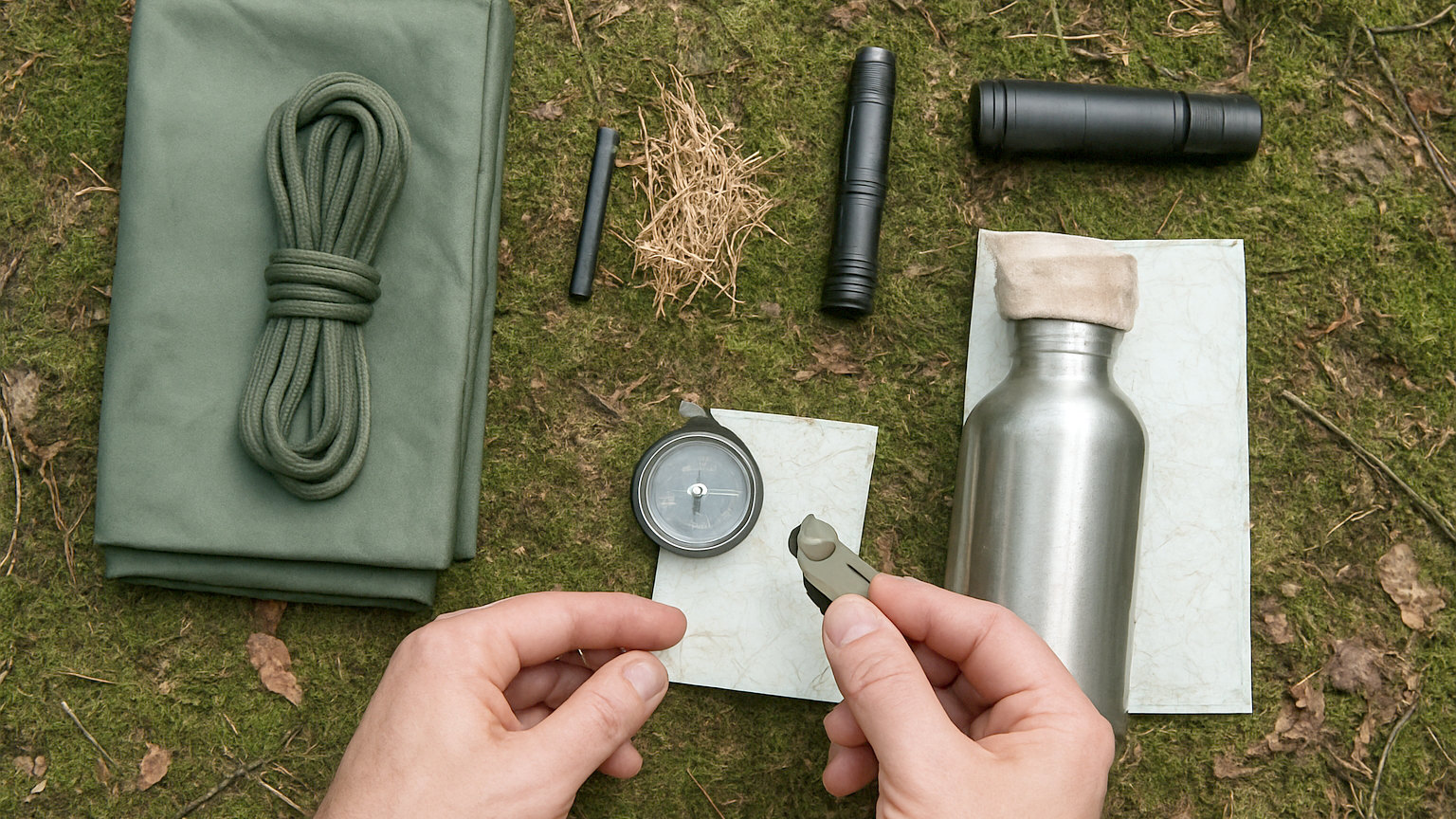
A great deal. A portable stove and several gas cartridges. A gravity water filter. A hundred litres of stored water. Head torches for everyone and a wind up radio. A first aid course. Better insulation and warm bedding. Each addresses the likely disruption more directly than another bucket of rice, and a household with all of them and no deep store is better prepared than the reverse.
When does it become a hobby rather than preparation?
When the activity is the point. There is nothing wrong with that, and it is worth being honest about, because a hobby is judged differently from a preparation. If the packing and organising is enjoyable, enjoy it, and make sure the boring, unglamorous items that actually matter are in place first.
What about dietary requirements?
They can make the standard approach useless. A household where someone has coeliac disease cannot store wheat and pasta, and gluten free alternatives are more expensive and generally shorter lived. Someone with a severe allergy needs a store built entirely differently. In those cases the effort is better spent on a deeper rotating store of suitable products than on decades long packing.
Is there an environmental consideration?
A modest one. Food packed and never eaten is food wasted, along with the plastic and metal used to store it. Building a store you will genuinely use, or genuinely rotate through in a decade, avoids that. A reserve you have decided in advance you will eat rather than discard is a different proposition from one that will be thrown out by whoever clears the house.
What is the honest position?
Most British households do not need long term storage and would be better served by a well stocked cupboard, stored water, a stove and a plan. Those who do have a genuine reason should build it deliberately, keep it modest, store food they would actually eat, and put it behind rather than instead of the ordinary preparations.
What is a reasonable middle position?
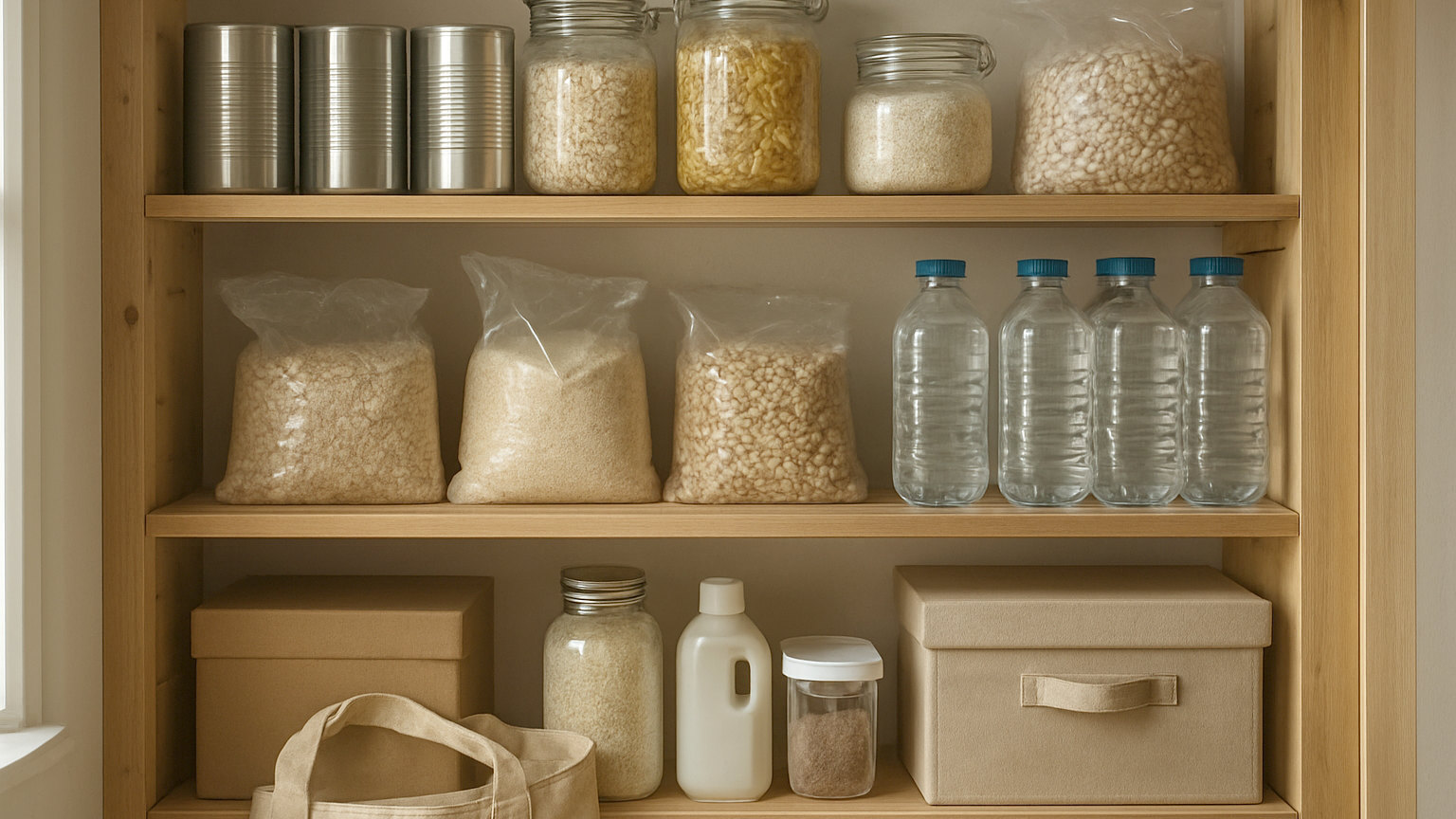
A deep cupboard rather than a sealed archive. A household that keeps a month of ordinary food in normal circulation, plus stored water, a stove and a plan, has real resilience without any specialist equipment. Adding two or three buckets of rice and pulses behind that is a modest and sensible extension. That combination covers far more than most people have and stops well short of a project.
Do the basics first, store only what you would eat, keep it modest, and spend the next pound on a stove or a filter rather than another bucket.