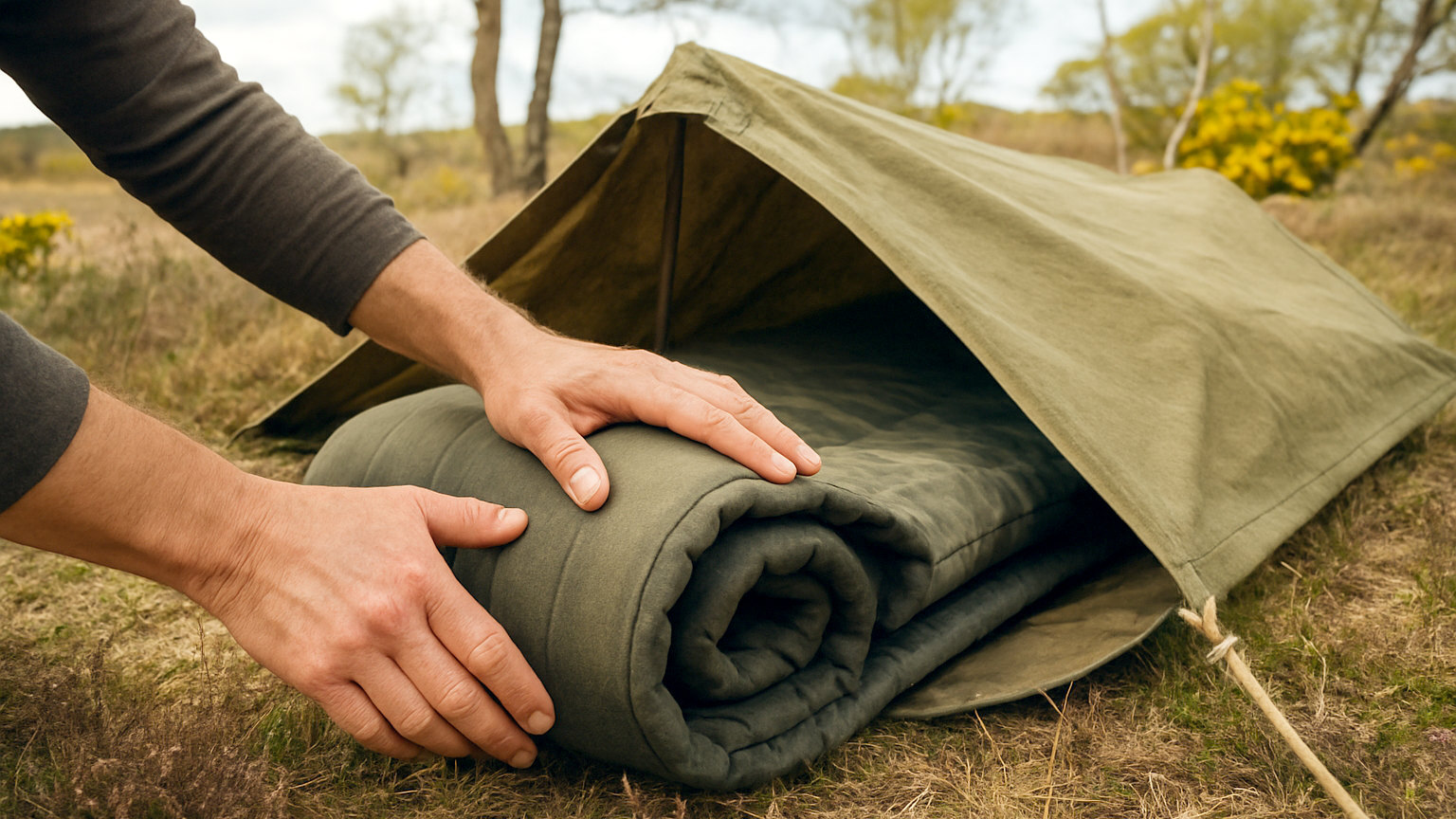
Shelter equipment divides into things you pitch and things you climb inside, and they solve different problems. Most walkers benefit more from the second than the first.
What size tarp is most useful?
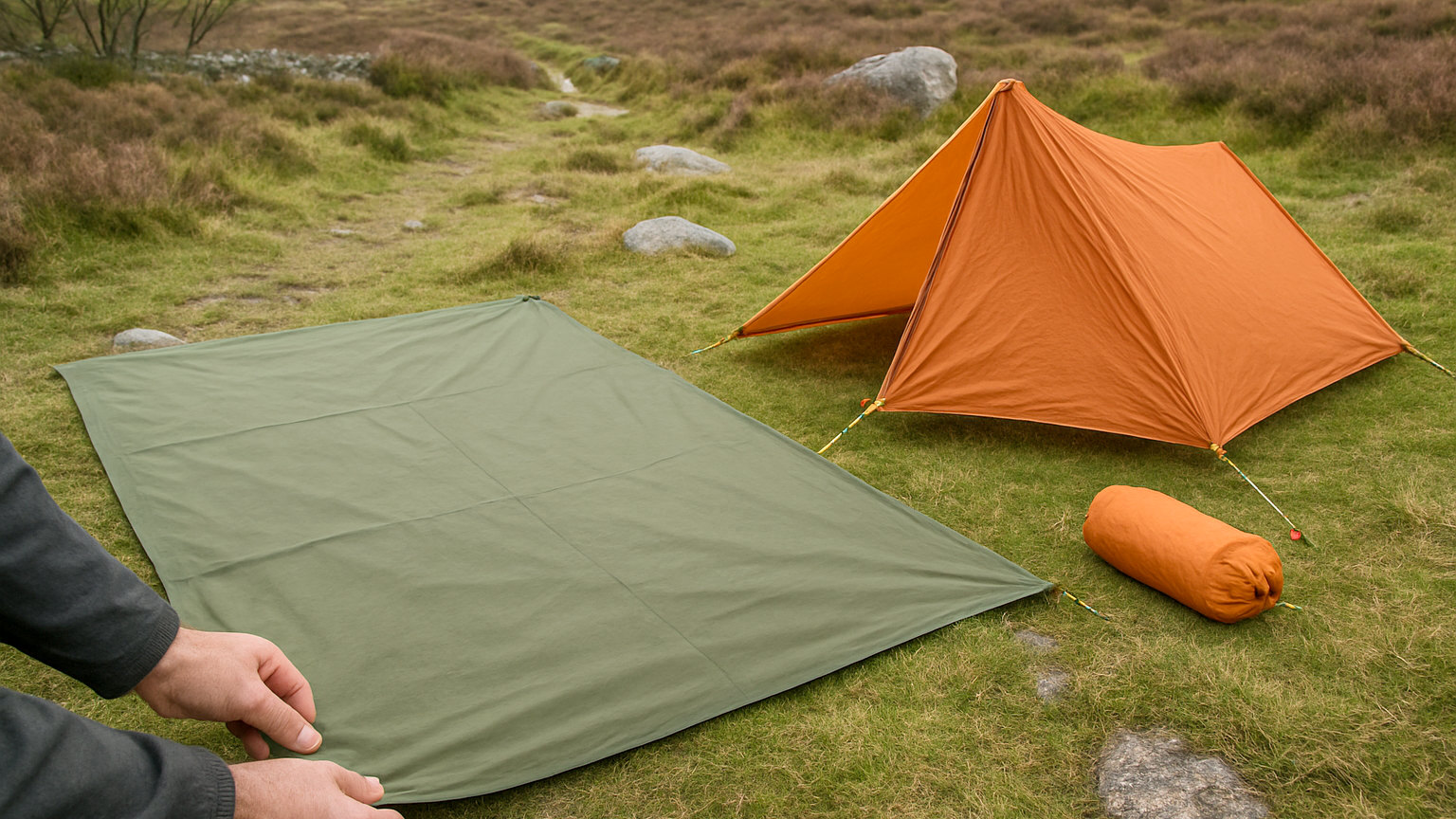
Three metres square. It pitches as a lean to, an A frame, a plough point or a flat shade, covers one or two people comfortably with gear, and is small enough to pack and handle in wind. Smaller tarps limit the configurations available, and larger ones become unwieldy to pitch alone and heavy to carry.
Which fabric?
Silicone coated nylon for light weight, polyester or polyurethane coated fabric for durability and cost. Silnylon is light and packs small and stretches when wet, which means retensioning. Polyester does not stretch, is cheaper and heavier, and is entirely adequate for anything other than counting grams. For occasional use and emergency kit, the heavier fabric is the sensible choice.
- Three metres square covers almost every pitch
- Polyester for durability and value, silnylon for weight
- Look for many reinforced tie out points, not just corners
- Hydrostatic head of at least fifteen hundred millimetres
- A group shelter is often the better buy for walkers
- A survival bag is the cheapest useful shelter of all
What is hydrostatic head?
A measure of how much water pressure a fabric resists before leaking, quoted in millimetres. Around fifteen hundred is the usual threshold for something to be considered waterproof, and higher figures resist better under pressure, which matters where fabric is stretched or touched. Anything under a thousand will wet through in sustained British rain.
Why do tie out points matter?
Because they determine how many ways it can be pitched. A tarp with only four corner points is limited to basic configurations, while one with points along the edges and in the centre panel can be pitched low against wind, tensioned properly and rigged around obstacles. Check that they are reinforced with additional fabric, since tie outs are where tarps tear.
Should you buy a group shelter instead?
For most British walkers, yes, and it is the higher value purchase. A group shelter is a floorless fabric bag that a group climbs inside and sits on the hem of, raising the internal temperature dramatically within minutes. It deploys in under a minute, needs no pitching, no poles and no anchors, and works anywhere. For waiting out weather, warming someone cold or managing a casualty, nothing else compares.
What about a survival bag?
The cheapest genuinely useful item in this category. A heavy duty orange polythene bag weighs a little over a hundred grams, costs a few pounds, and provides a windproof and waterproof layer for one person lying down. It is the minimum shelter anyone should carry on a hill and it belongs in every day pack. The thin foil blankets sold as emergency blankets are far less effective.
What size group shelter?
Match it to the party you actually walk with. Heating depends on bodies per unit volume, so a four person shelter with four people inside is warm within minutes and the same shelter with one person is barely better than a survival bag. Two people each carrying a two person shelter beats one person carrying an eight person one.
What should you spend?
A survival bag costs a few pounds and should be in every pack. A group shelter costs perhaps thirty to sixty pounds depending on size and is worth it for anyone walking regularly. A tarp is a camping item rather than an emergency one, and a durable polyester three metre square can be bought inexpensively.
What else do you need to pitch one?
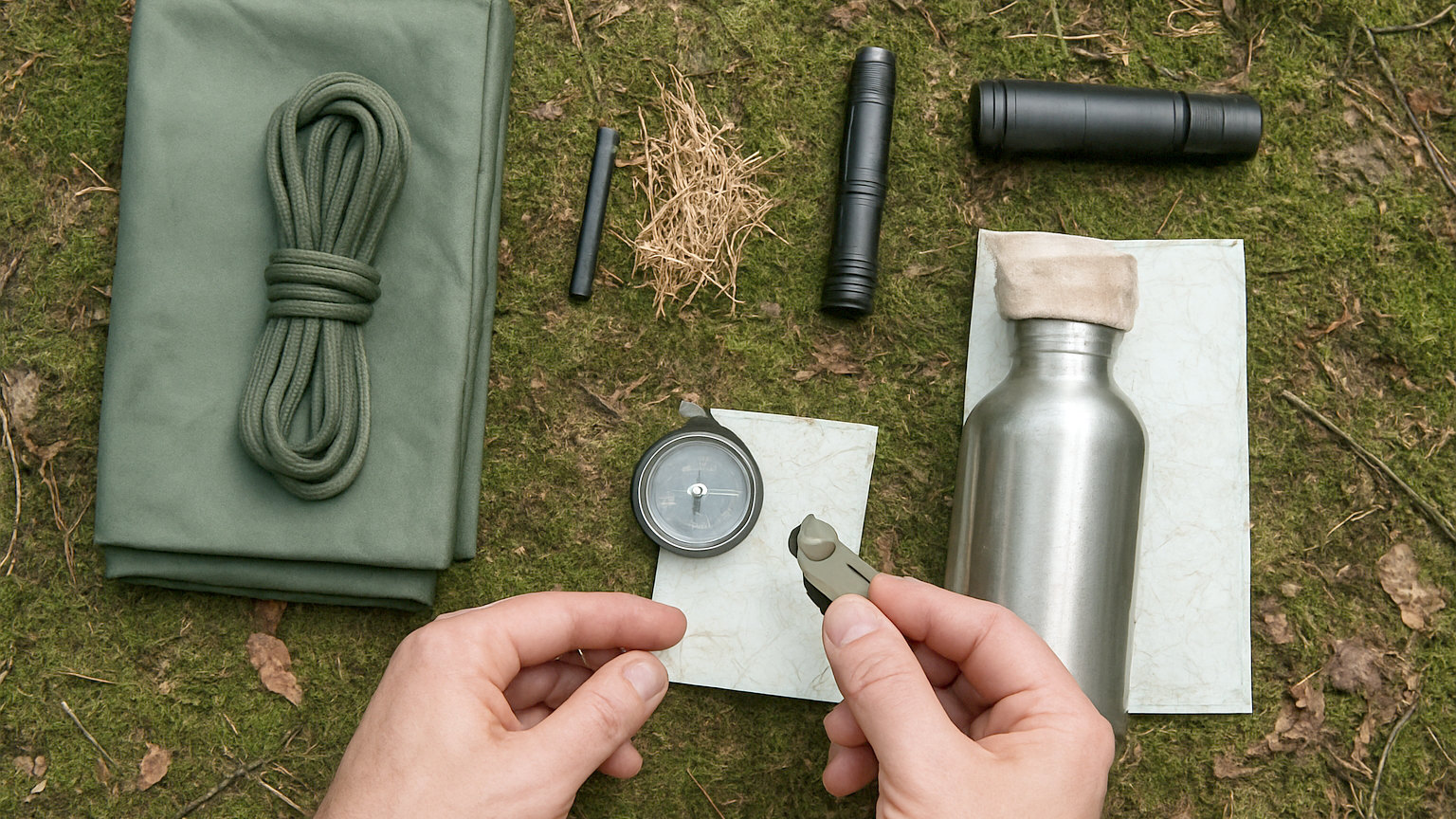
Cordage, pegs and something to attach to. A ridgeline of four or five metres and six shorter guys of two metres each covers nearly every configuration, and thin low stretch line performs far better than paracord, which sags as it wets. A handful of pegs and a couple of walking poles cover pitching where there are no trees. Practise two configurations at home until each takes a couple of minutes.
Carry a survival bag always, buy a group shelter sized to your party, and choose a three metre polyester tarp if you want to pitch shelters.