An extended outage is a sequencing problem as much as a supply problem. Eating things in the right order means less waste, better meals and shelf stable food still available at the end rather than the beginning.
What is the correct order?
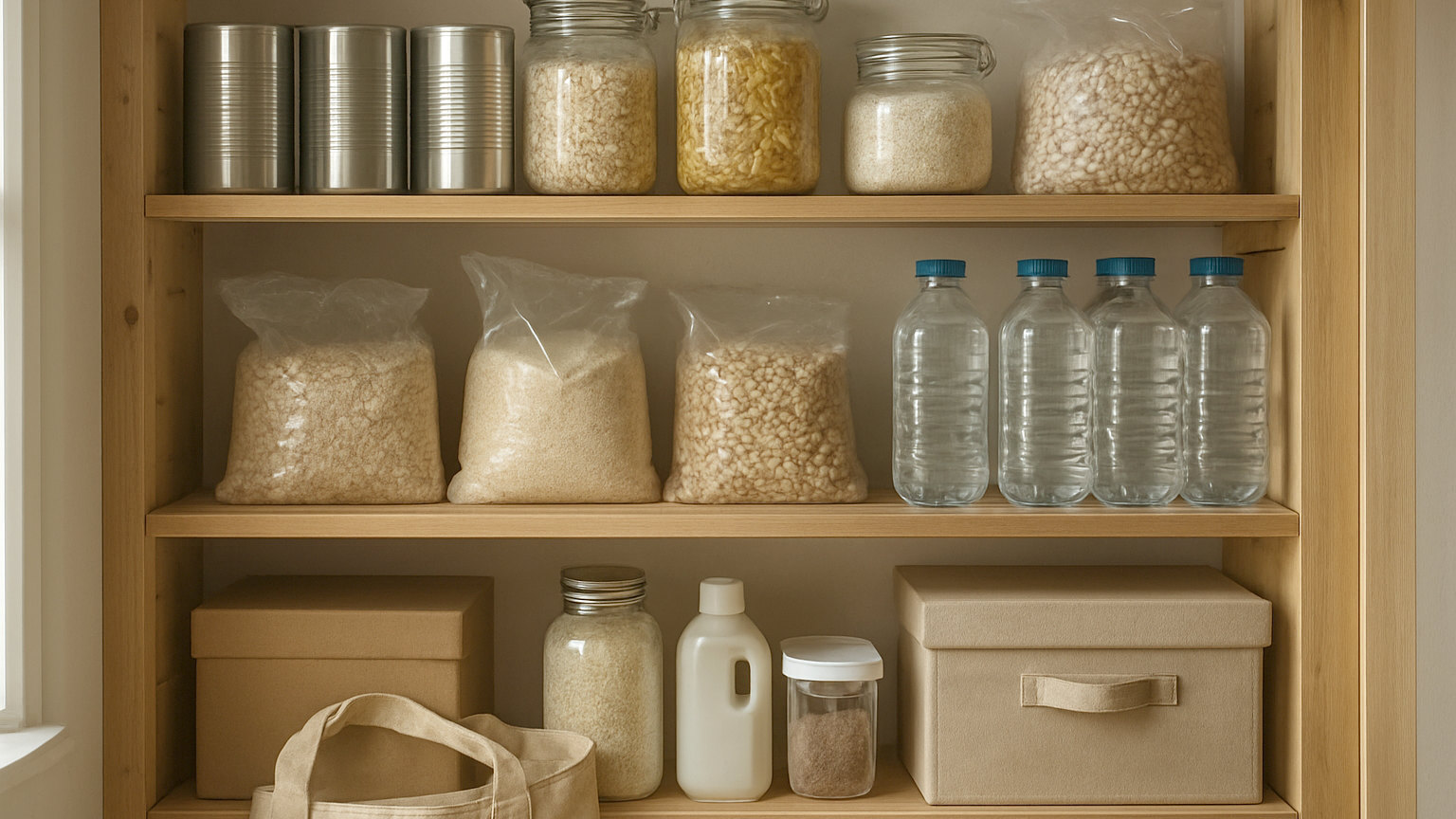
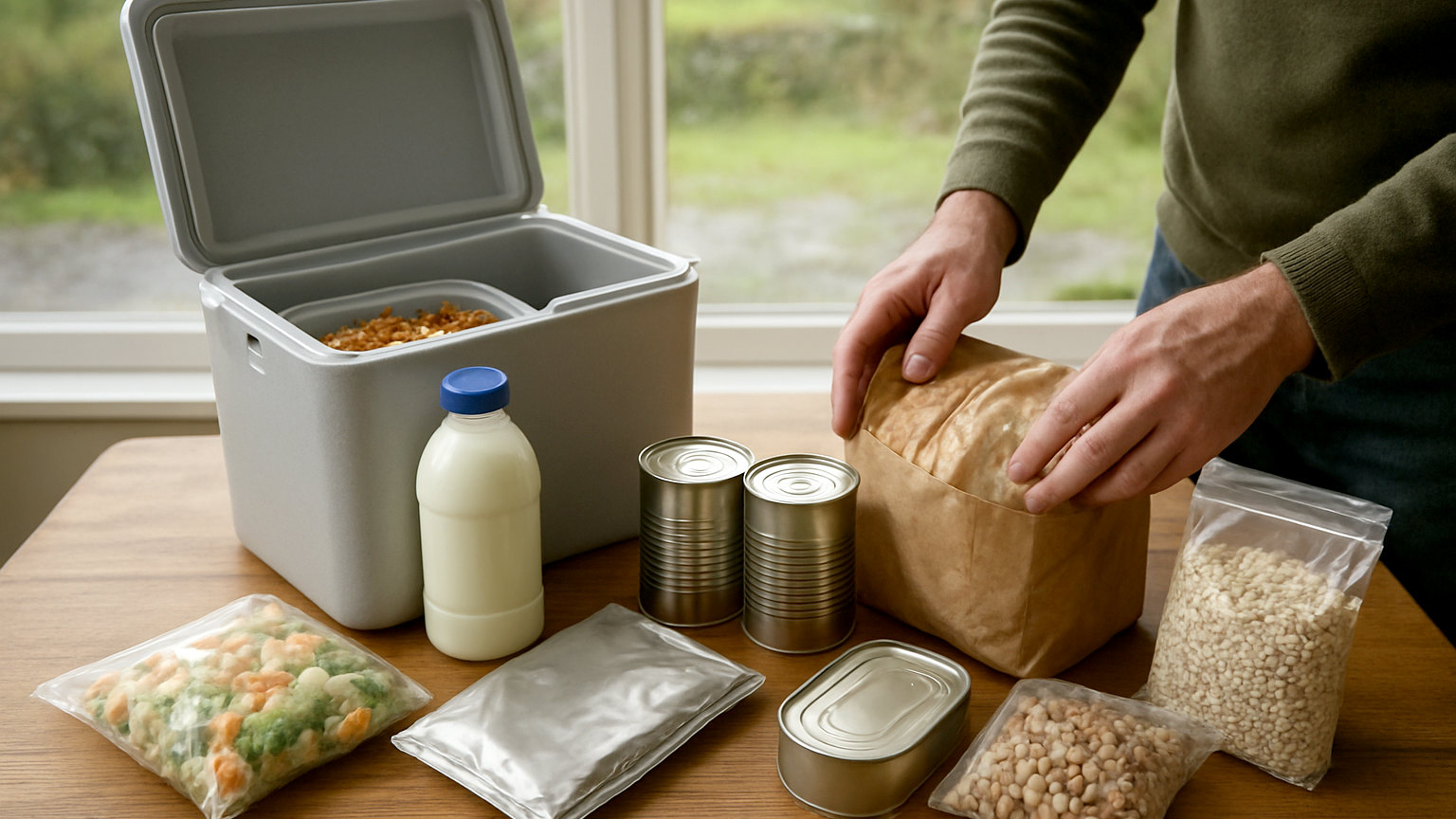
Most perishable first. Fridge contents in the first few hours while they remain cold, starting with anything opened. Then freezer contents as they begin to soften, which for a full freezer is a day or more of usable food. Then the cupboard store, which is stable and can wait indefinitely. Reversing this order wastes the perishable food and depletes the reserve unnecessarily.
What does day one look like?
Whatever was already in the fridge, eaten cold or barely cooked. Cheese, cooked meats, salad, bread, yoghurt, fruit and anything opened. This is the day of best eating and the least effort, and it should be planned deliberately rather than allowed to spoil while people eat tinned food out of a sense of occasion.
- Day one: fridge contents, cold, starting with opened items
- Day two: freezer contents as they soften, cooked if possible
- Day three onward: cupboard store, planned as meals
- Keep the doors shut between visits
- Plan one hot item a day if you can heat safely
- Keep something appealing in reserve for later in the week
How do you handle the freezer?
By treating it as a slow release resource. A full freezer holds a safe temperature for roughly a day or more with the door shut. If an outage looks like lasting, take out what you intend to cook in one visit rather than opening it repeatedly. Anything that has fully thawed and been warm for several hours should be discarded rather than refrozen, particularly meat, fish and dairy.
What should the cupboard meals be?
Simple, one pot where heat is available, and built from things that go together. Pasta with a tin of tomatoes, tuna and herbs. Rice pouch with tinned chicken and sweetcorn. Lentils with tinned tomatoes and stock. Porridge with long life milk and dried fruit. Writing four or five such meals down, and checking you hold the ingredients, converts a store into a menu.
How do you keep it from being miserable?
By rationing the good things rather than the calories. Keep something appealing for the middle of the week when the novelty has worn off and people are tired of the situation. A hot drink, chocolate, or a familiar meal at the right moment does more for a household than an extra day of supplies. This matters most with children.
Should you ration?
Not calories, in a week long British disruption. Underfeeding people who are cold, anxious and doing physical work makes everything harder, and the store exists to be eaten. Ration variety and treats to make the week bearable, and eat properly. If supply genuinely looks like running short, that is a signal to seek help rather than to halve portions.
What about water for cooking?
Plan around minimising it, since water may also be short. Choose meals that need no boiling water, or that use the liquid from tins rather than fresh water. Cooking pasta consumes a litre or more which then goes down the sink. Ready to eat rice pouches and tinned pulses avoid this entirely, which is why they earn their place in a store.
What should you write down?
A one page plan listing the order and four or five meals with their ingredients, kept with the store. It takes twenty minutes once and removes the daily decision from a week when decisions are already tiring. Update it when the store changes, and use it as the checklist when restocking.
What if the outage ends sooner than expected?
Restock rather than relax. The most common pattern after a short outage is that a household eats through part of the store, the power returns, and nobody replaces what was used, leaving the store depleted for the next time. Note what you got through and buy it back on the next shop, which takes a minute and is the single most commonly skipped step in the whole cycle.
Fridge, then freezer, then cupboard. Write down five simple meals, keep something appealing in reserve, and do not ration calories.