Are Security Cameras and Doorbells Worth It
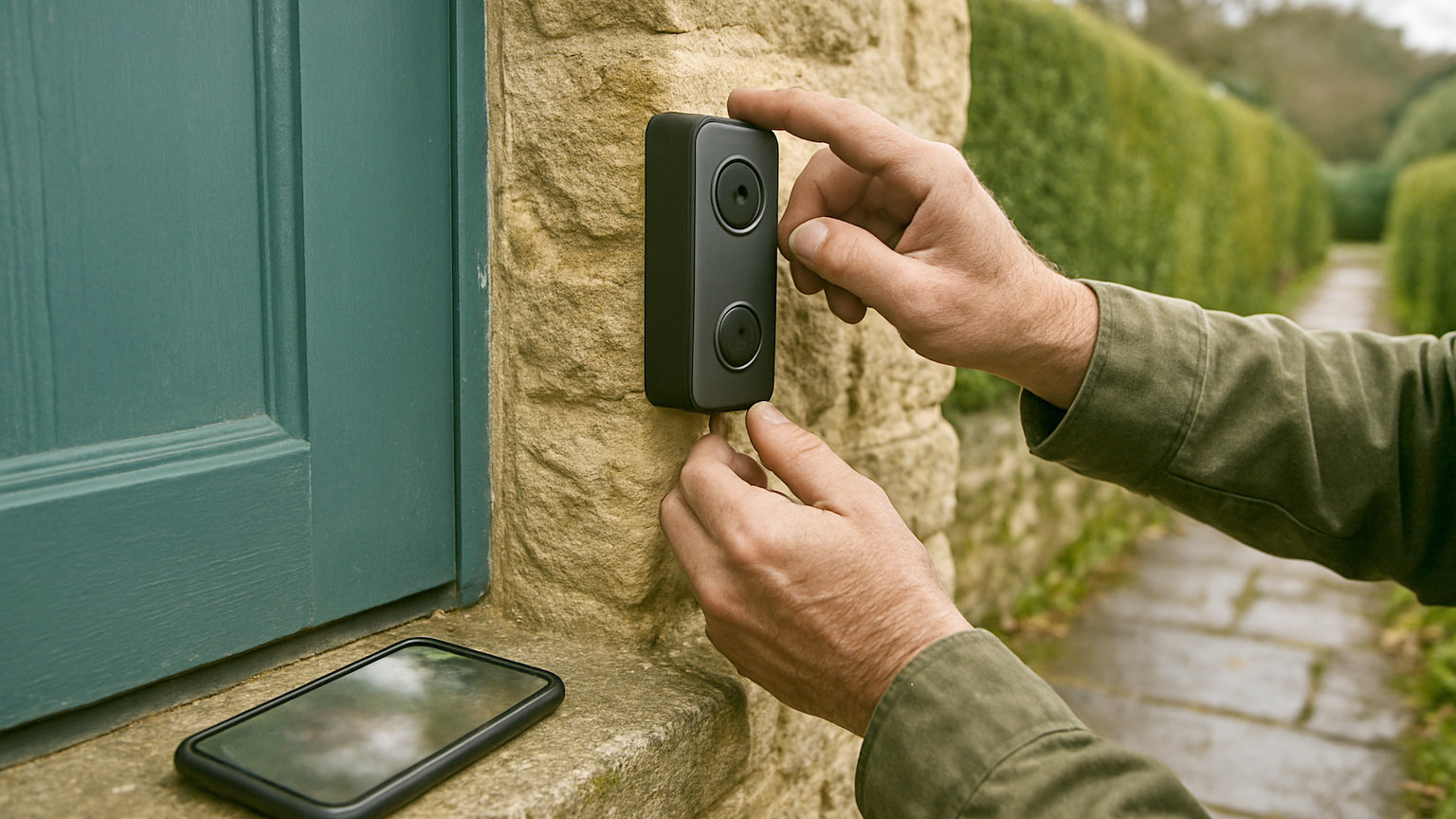
Useful for deterrence and evidence, and they carry a data protection obligation most owners do not realise they have taken on.
By Survival Basics Team
17 May 2026

Most emergencies are dull and local. A burst main, a three-day power cut, a flood warning at eleven at night, both roads out of the village closed. Preparing for those covers very nearly everything that will actually happen to you, and it happens to be the same groundwork that covers the rare and dramatic ones. These guides are about getting a household ready in a way that is proportionate, affordable, and does not require a bunker, a rifle or a change of personality.
Useful for deterrence and evidence, and they carry a data protection obligation most owners do not realise they have taken on.
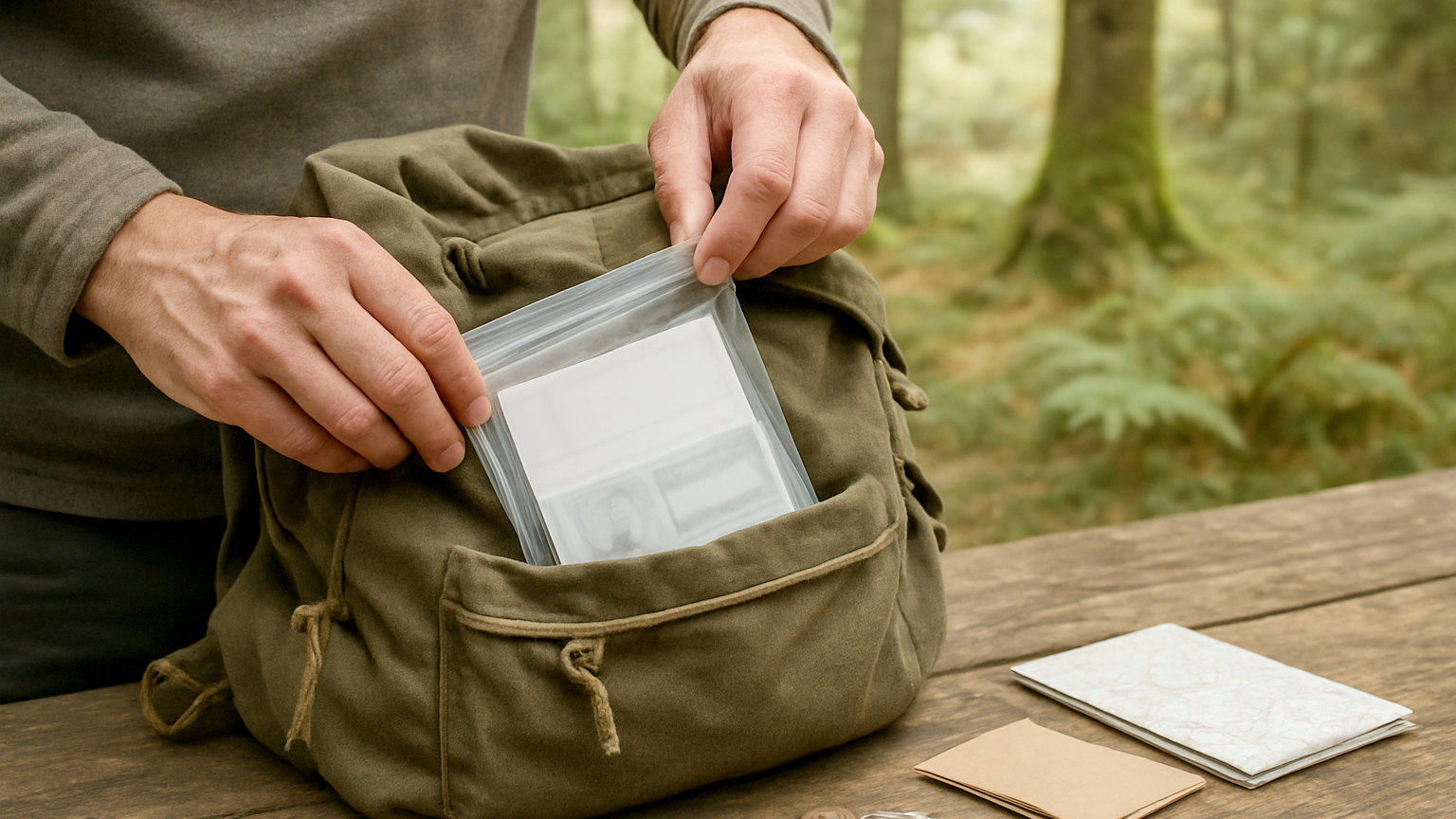
After a flood or a fire, the paperwork determines how quickly life restarts. Copies weigh nothing and save weeks of proving who you are.
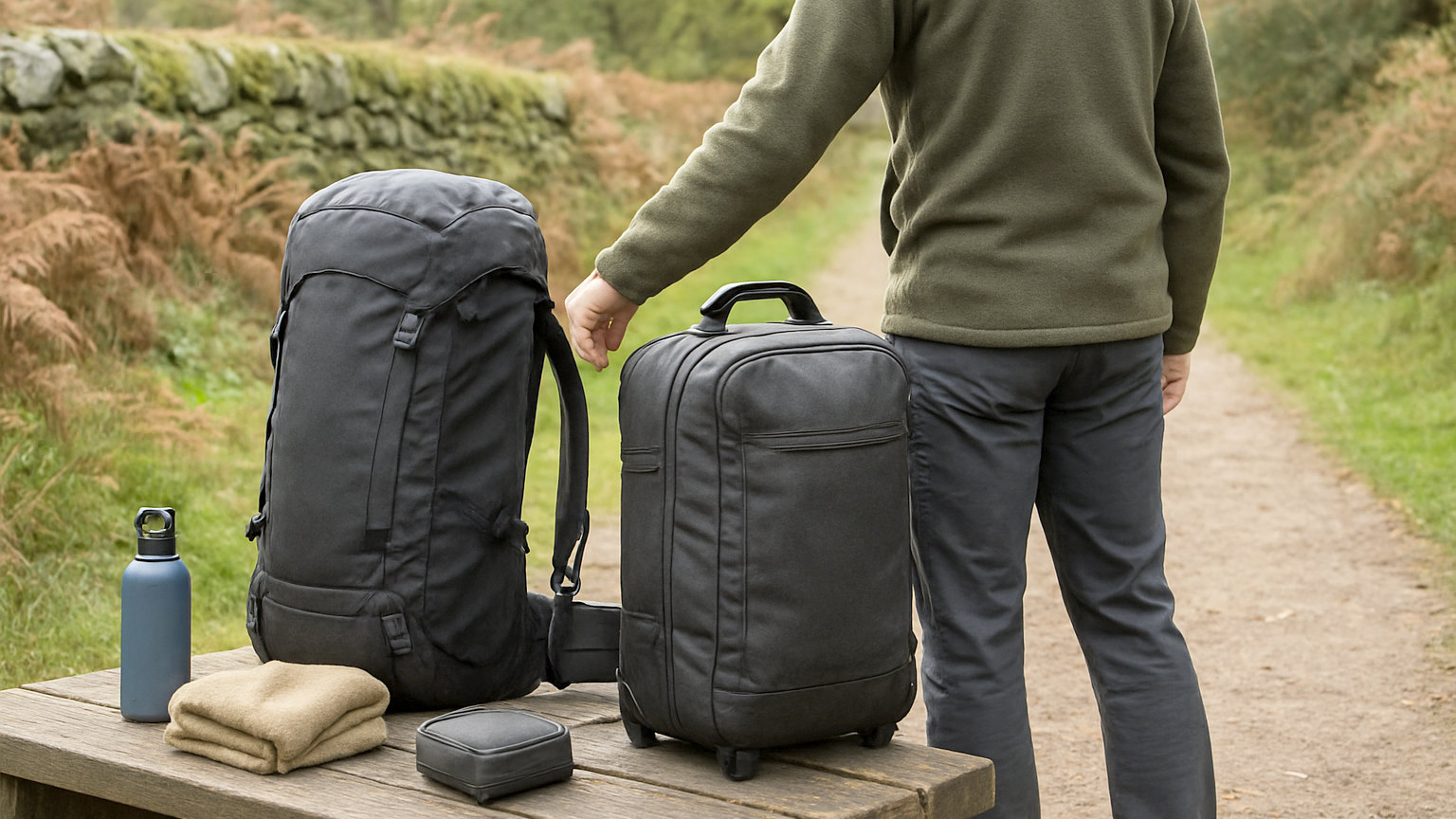
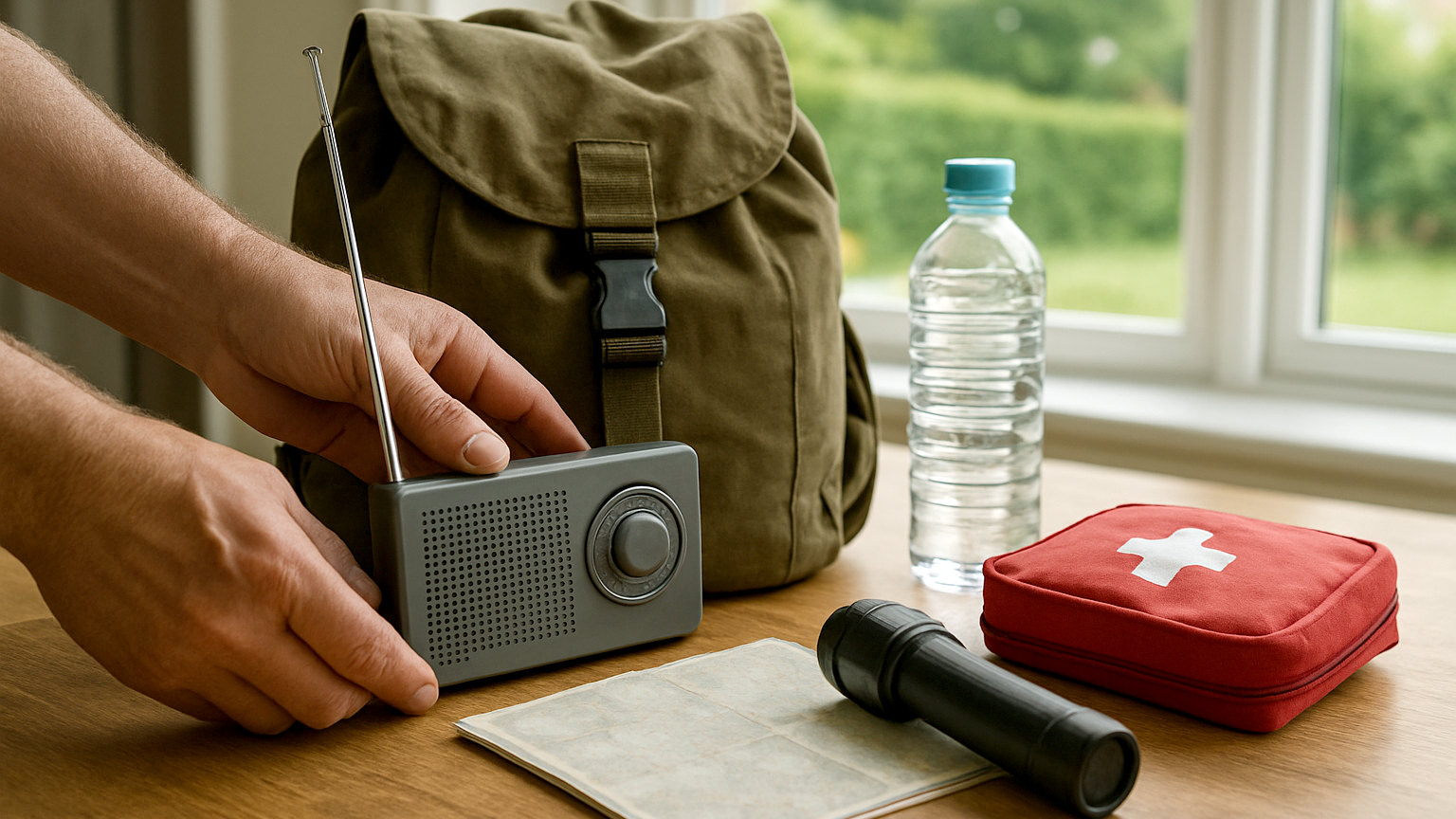
A rucksack with a hip belt for most people, a wheeled bag for anyone who would struggle, and nothing that looks like military equipment.
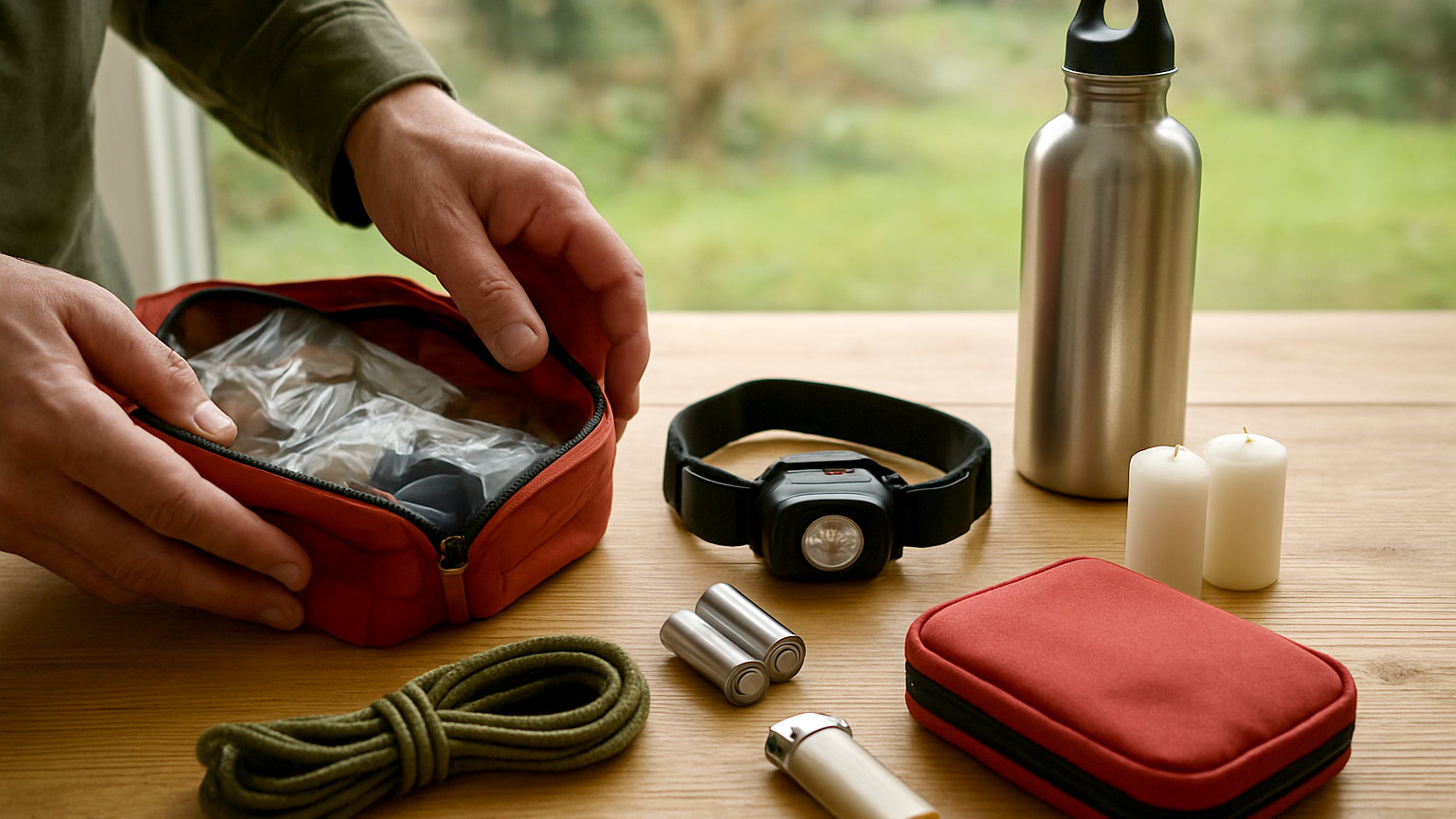
They optimise for item count rather than usefulness. The result looks impressive in a photograph and disappoints on the night the power goes.
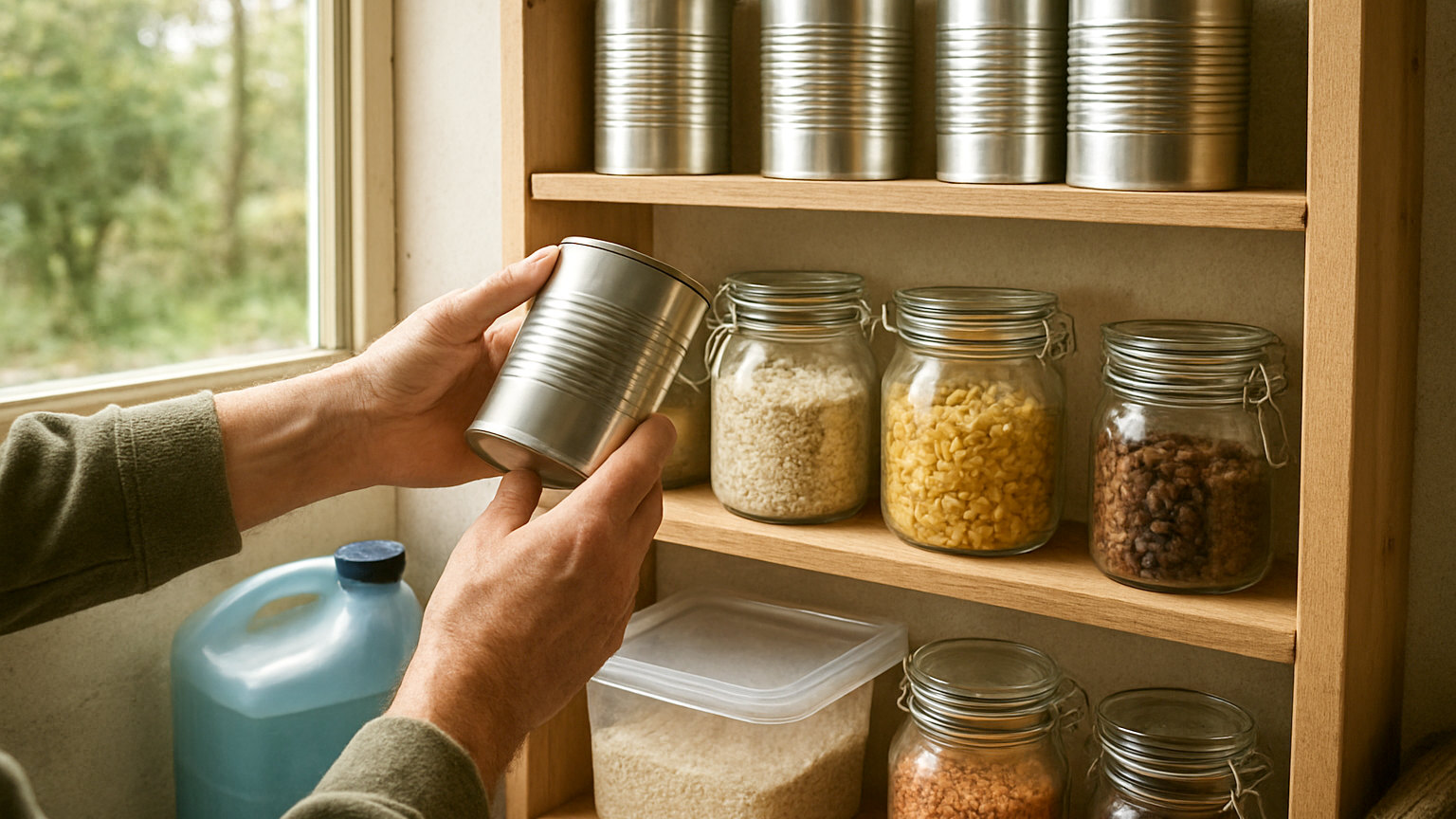
Food you already eat, bought slightly ahead and rotated. The sealed bucket of freeze dried rations is the least useful version of this.
The standard UK instruction for a wide range of incidents. It is short because it needs to work when nobody knows yet what is happening.
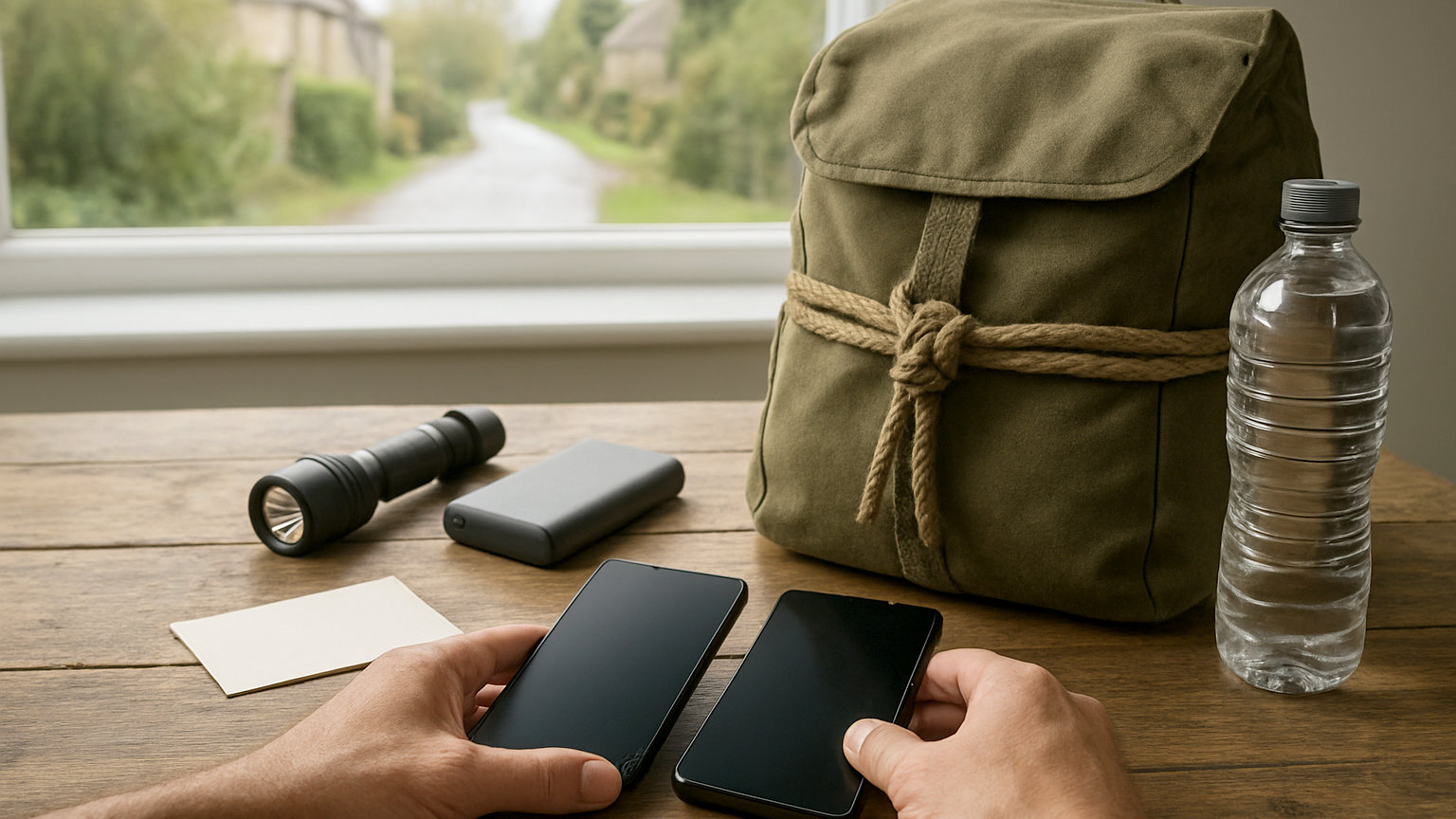
Local phone networks congest in a local emergency while long distance routes stay clear. A relay outside the affected area is often the only working link.
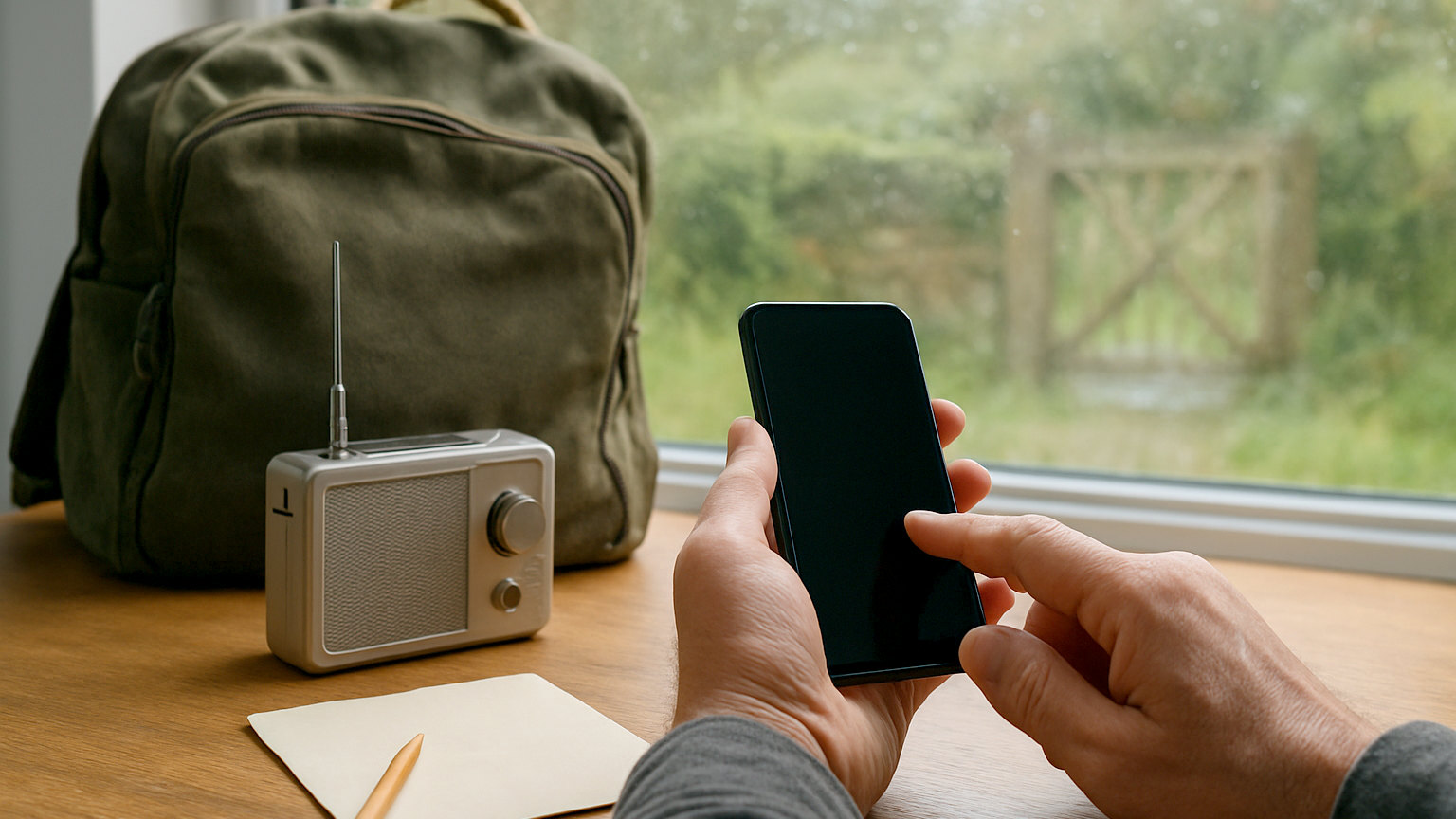
Old photographs, rumoured evacuations and confident numbers circulate fastest during incidents. A few habits separate what is known from what is being repeated.
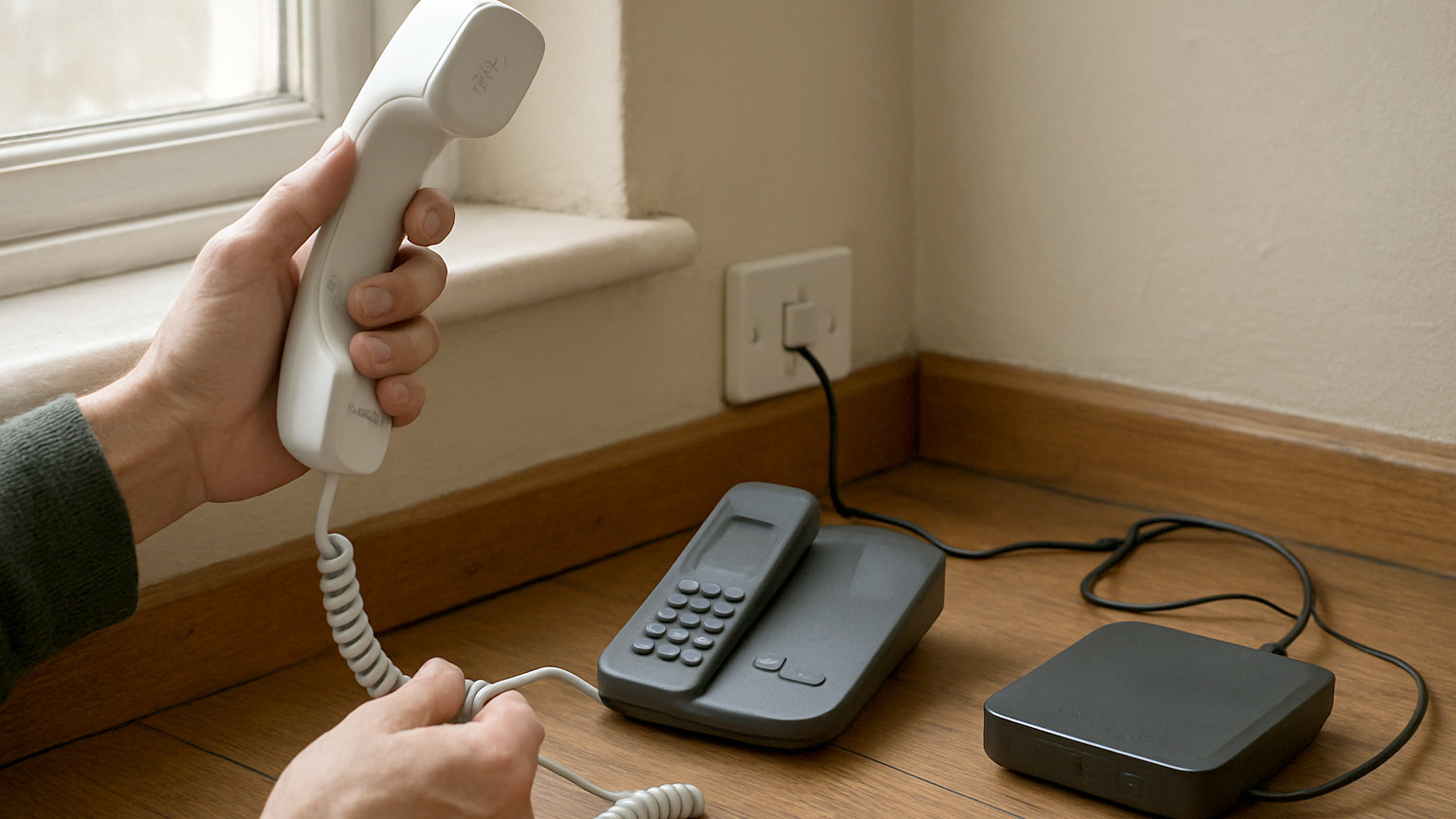
Traditional corded phones drew power from the line and worked without mains. Digital landlines do not, and the switchover has changed this for everyone.
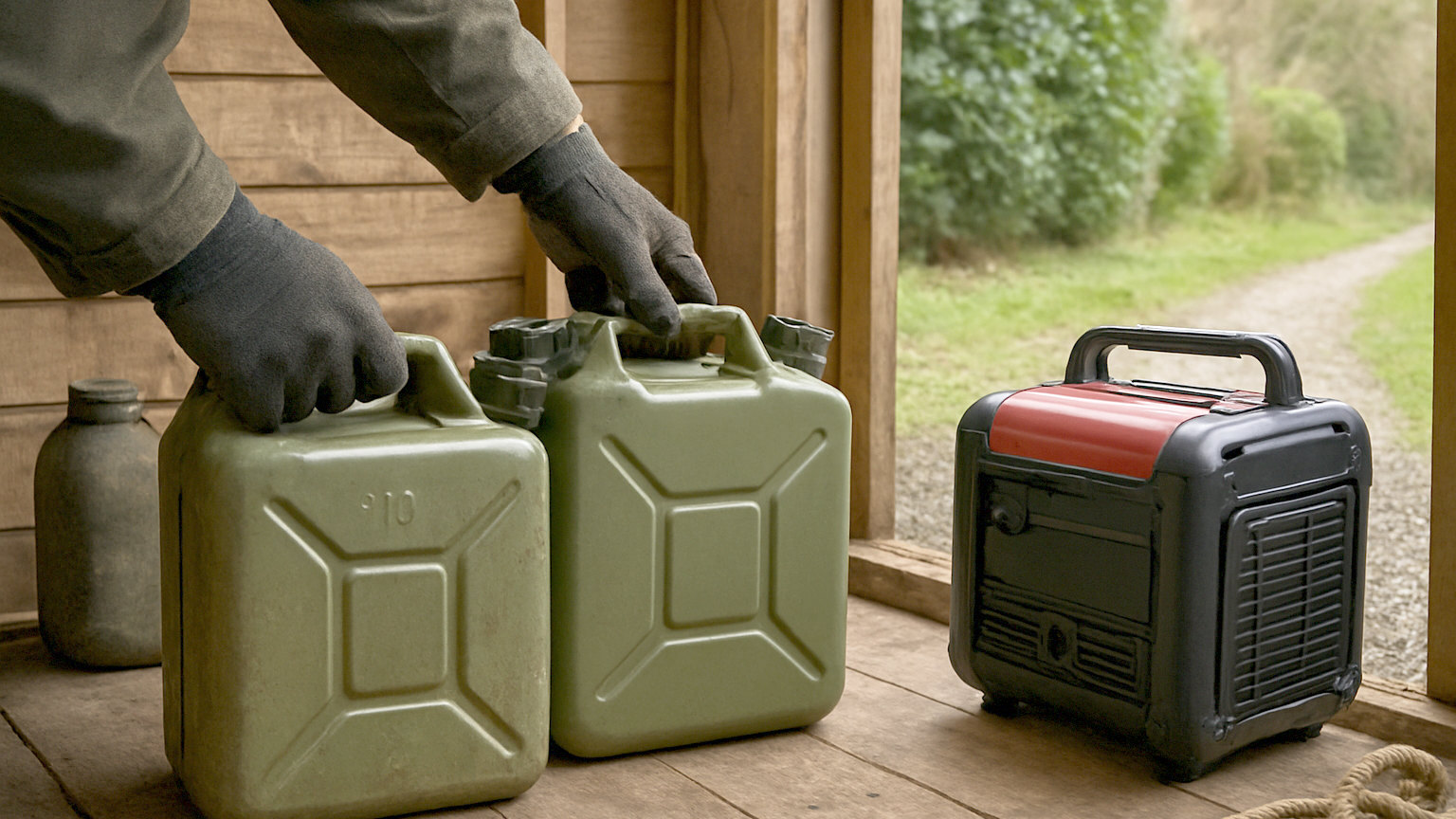
Thirty litres of petrol at home without notification, in approved containers. Petrol also degrades within months, which limits how useful stockpiling is.
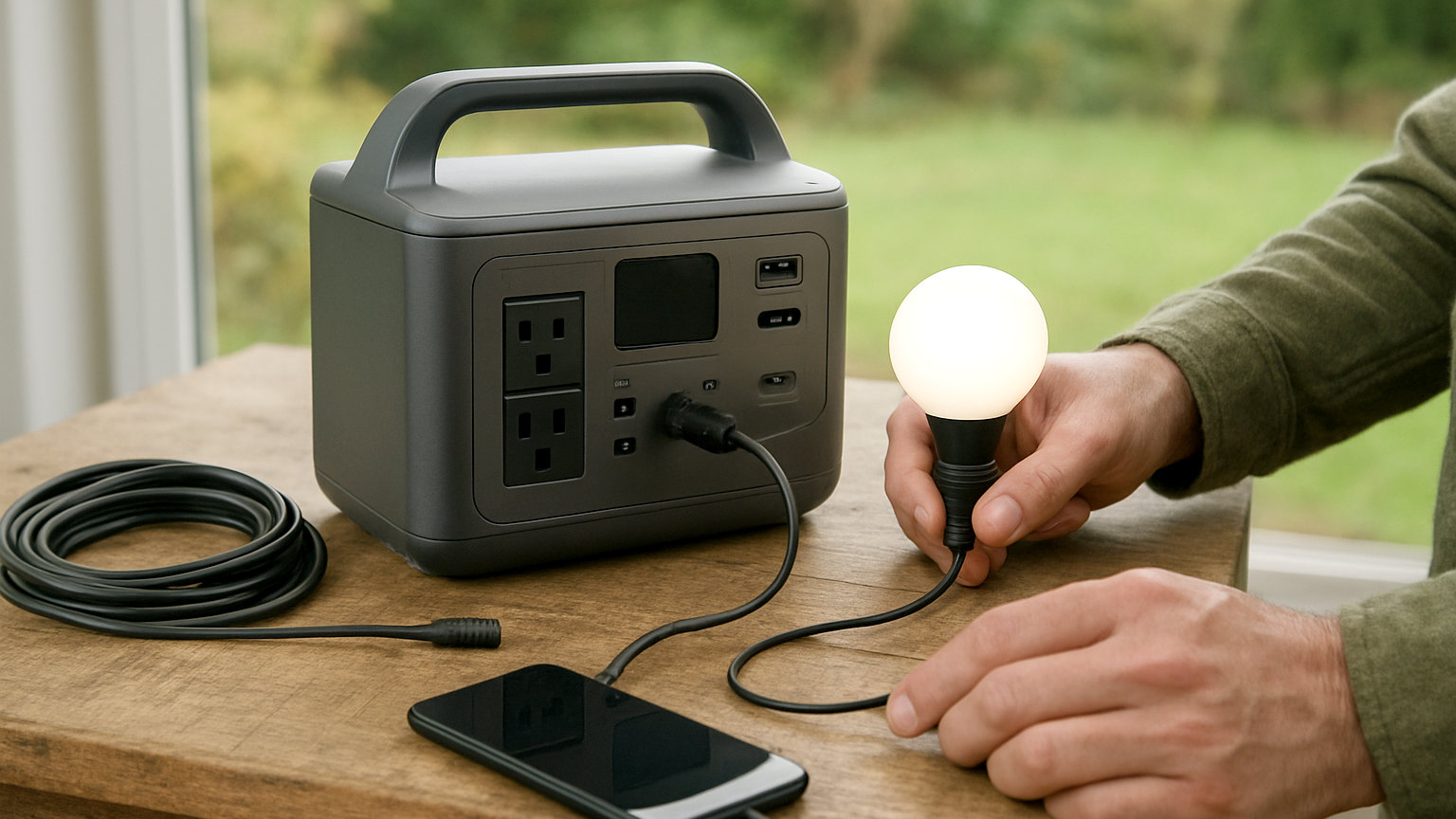
A battery, an inverter and some sockets in a box. Silent, safe indoors, no fuel, and the right answer for most households wanting backup power.
Reasonable force is permitted, householders are judged against a higher threshold than elsewhere, and keeping a weapon for defence is a separate offence.