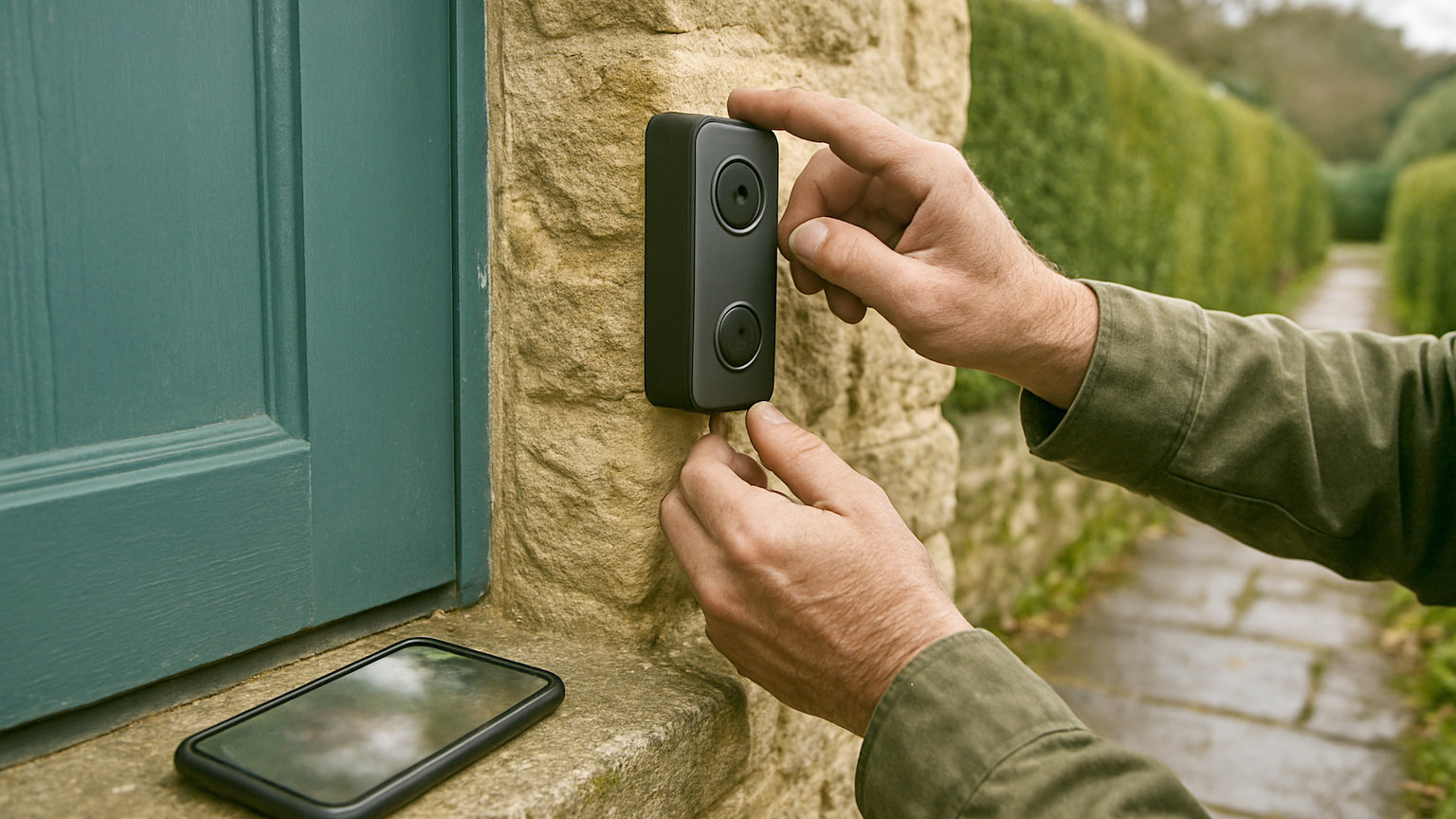
Video doorbells and home cameras have become close to standard, and they deliver genuine benefits alongside a legal obligation that most owners are unaware of.
What do they actually achieve?
Deterrence, awareness and evidence, in that order of reliability. A visible camera shifts some offenders toward an easier property. Notifications tell you when someone is at the door, which is useful for deliveries and for knowing whether anyone has been around. Footage occasionally assists an investigation, though the evidential quality of consumer cameras is frequently poorer than owners expect, particularly at night and at any distance.
Do the data protection rules really apply?
Yes, if your camera captures anything beyond your own boundary. Domestic use inside your own property is exempt, but once footage covers a pavement, a shared driveway, a neighbouring garden or the street, you are processing other people personal data and become a data controller under UK data protection law. The Information Commissioner publishes specific guidance for domestic CCTV and video doorbells.
- Aim cameras at your own property wherever possible
- Use privacy masking to exclude neighbouring land and pavements
- Put up a visible sign indicating recording is taking place
- Keep footage only as long as needed, then delete it
- Respond to requests from people captured on your footage
- Consider audio recording carefully, since it is more intrusive
What does that mean in practice?
Reasonable, proportionate steps rather than paperwork. Point cameras at your own property. Use the privacy zone masking most systems provide to black out neighbouring windows and gardens. Display a sign. Keep recordings for a limited period and delete them. Be prepared to provide footage of an individual if they ask for it, and to explain what you record and why. Disputes between neighbours over cameras have resulted in county court judgments, so the good faith effort matters.
Should you record audio?
Usually not, or at reduced range. Audio is considered significantly more intrusive than video because conversations on a pavement are not something people expect to be recorded. Most doorbells allow audio to be disabled or limited, and turning it down or off removes a substantial part of the privacy objection while losing very little security value.
Where should cameras go?
Covering the approaches people actually use: the front door, the side gate, the rear access and any outbuilding. Mount them high enough to be out of easy reach and low enough to capture faces rather than the tops of heads, which is a common fault. Aim to identify rather than merely observe, which usually means a camera close to a chokepoint rather than one wide angle view of the whole garden.
What are the practical limitations?
Battery models need recharging, and they run down faster in cold weather and in busy locations. Wireless cameras depend on your broadband, which fails in a power cut unless both router and camera are on backup. Cloud storage frequently requires a subscription, and without it footage may only be retained briefly. Night footage from inexpensive units is often too poor to identify anyone.
Do they help after a burglary?
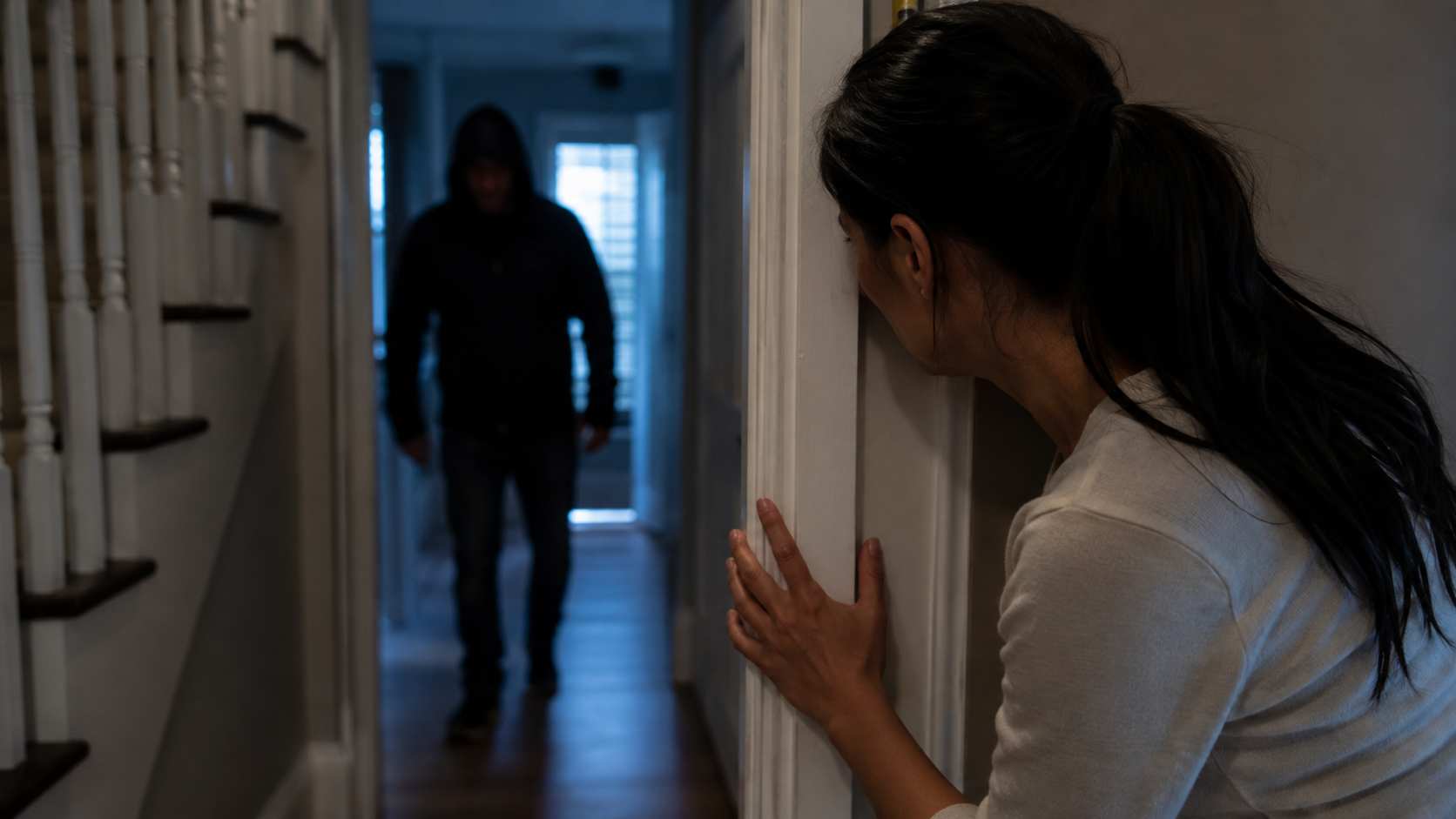
Sometimes, and less often than people hope. Offenders commonly cover their faces, approach outside camera coverage or act quickly. Footage is nevertheless worth preserving and providing, since it can corroborate timings, vehicles and patterns across several incidents. Save the original files rather than a phone recording of the screen, and give the police the crime reference when you supply them.
Are they worth it overall?
For most households, yes, provided the basics are already done. A camera on a house with a snappable cylinder and an unlocked side gate is an odd priority. Fit the locks first, then add a doorbell camera, which is the version that earns its keep daily through deliveries and callers rather than only during a rare incident.
Point it at your own property, mask the rest, put up a sign, disable audio, and do the locks before the electronics.