Go in, stay in, tune in is the standard instruction issued by emergency services in the United Kingdom for a wide range of incidents. Its brevity is deliberate: it is designed to be issued early, before responders know exactly what they are dealing with.
What does each part mean?
Go in means get inside a building, any building, immediately. Stay in means remain there, close doors and windows, and do not go out to collect anyone or to look. Tune in means find official information through local radio, the emergency alerts system, the police or council website, or national broadcasters, and follow what it says. The three together buy time for responders to establish what has happened.
Which incidents does it apply to?
Chemical spills and industrial releases, smoke plumes from large fires, radiological incidents, some security incidents, and severe weather where being outdoors is dangerous. In each case a building provides substantial protection, and moving people around outdoors makes matters worse. It is also the default advice when responders know something has happened but do not yet know what.
- Get inside any building immediately
- Close all doors, windows and vents
- Turn off ventilation, air conditioning and extractor fans
- Move to an internal room away from external walls if advised
- Follow local radio, official alerts and council information
- Do not go out to collect children from school
Why should you not collect children?
Because it is the instruction people most want to disregard and the one that most reliably causes harm. Schools have their own emergency procedures, will keep children inside, and are generally safer than a car journey through an area with an active incident. Driving toward a chemical release puts you and your child into the very hazard you were sheltering from. Schools will hold children until it is safe, and communicating with them is part of your plan for exactly this reason.
How do you shelter in place effectively?
Close everything and reduce airflow. Shut and lock windows and doors, close curtains, turn off any ventilation that draws outside air, close fireplace dampers and block obvious gaps with towels if advised. If a chemical or smoke hazard is involved, move to an internal room with as few external walls and windows as possible, ideally upstairs for heavier than air substances. Take a phone, a radio and water with you.
How do you tune in?
Through several routes, since one may not work. Local BBC radio is the traditional channel and is carried on battery radios during power cuts. The UK Emergency Alerts system sends a loud alert directly to mobile phones in an affected area, which is now a primary route. Police and local authority websites and social media accounts publish updates. Avoid acting on unverified information circulating socially, which during incidents is frequently wrong.
How long does it usually last?
Hours rather than days in most cases. Chemical plumes disperse, fires are brought under control, and responders establish the extent of a hazard fairly quickly. The instruction to stay in will be lifted explicitly through the same channels that issued it, and you should wait for that rather than deciding for yourself that enough time has passed.
What should you have ready?
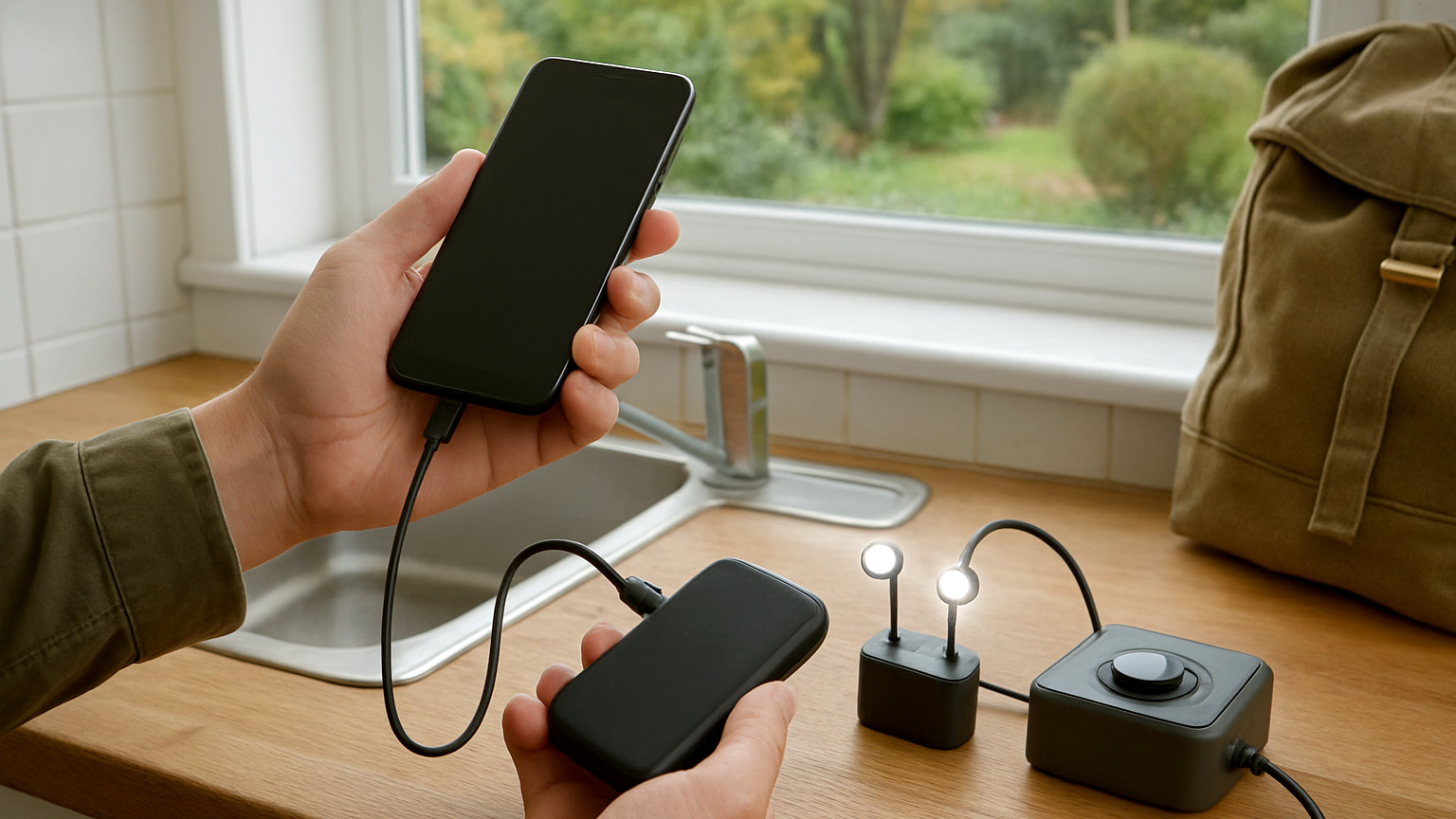
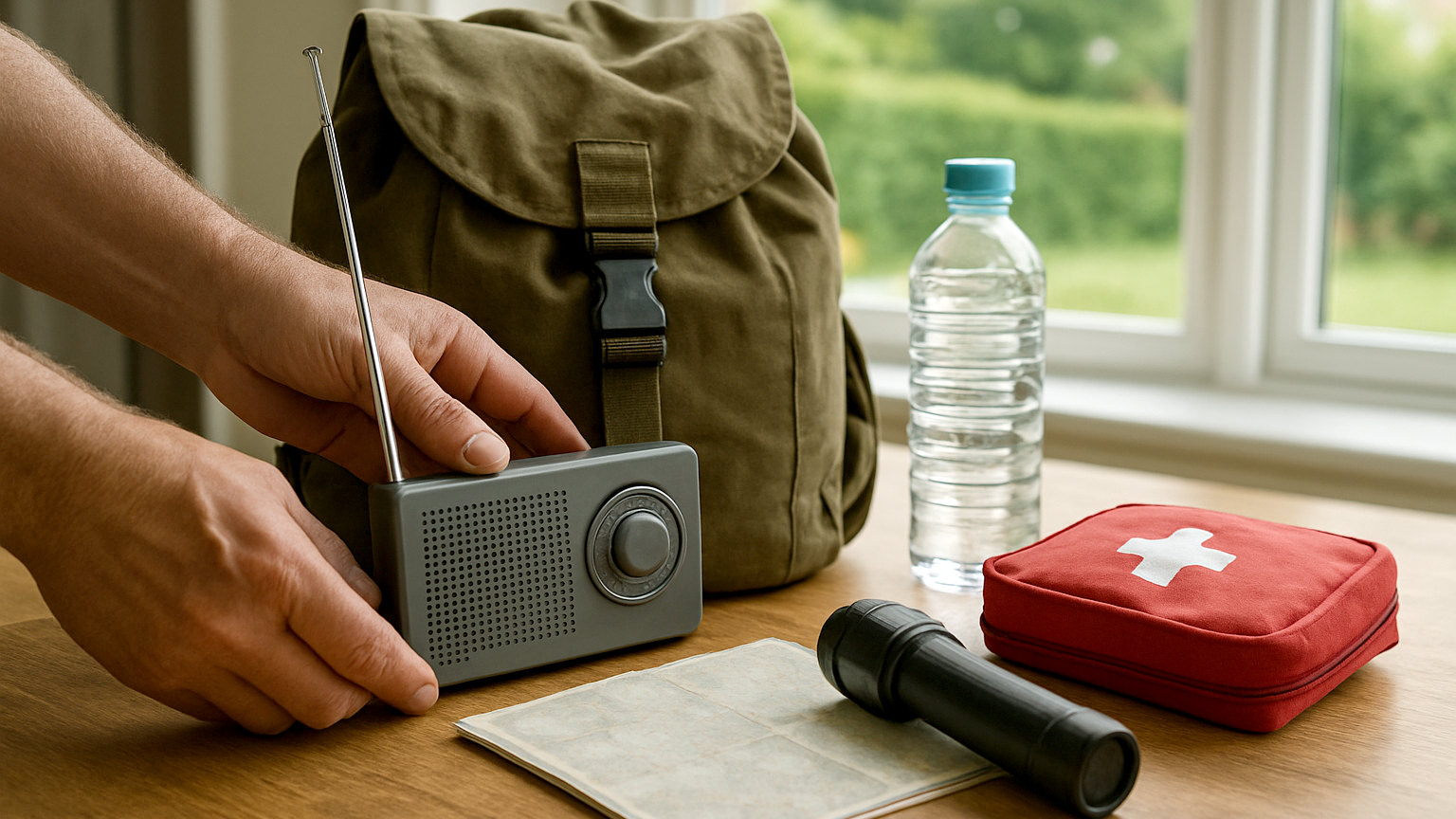
A battery or wind up radio, charged phones and a power bank, water, and enough food to sit out a day without opening the door. The same core kit that covers a power cut covers this, which is one of the arguments for keeping a single set of supplies rather than planning separately for each scenario.
What are UK Emergency Alerts?
A government system that sends a loud alert with a distinct sound and vibration directly to mobile phones in a defined geographic area, used for events posing a threat to life such as severe flooding. It requires no app and no registration, works on most modern phones, and needs only a mobile signal. A national test was carried out in 2023 so many people have heard it once. If you receive one, read it and follow the instructions, since it is issued only for genuinely serious situations.
Get inside, shut everything, listen to official sources, and resist the strong urge to drive to the school.