How Do You Secure Your Home Properly
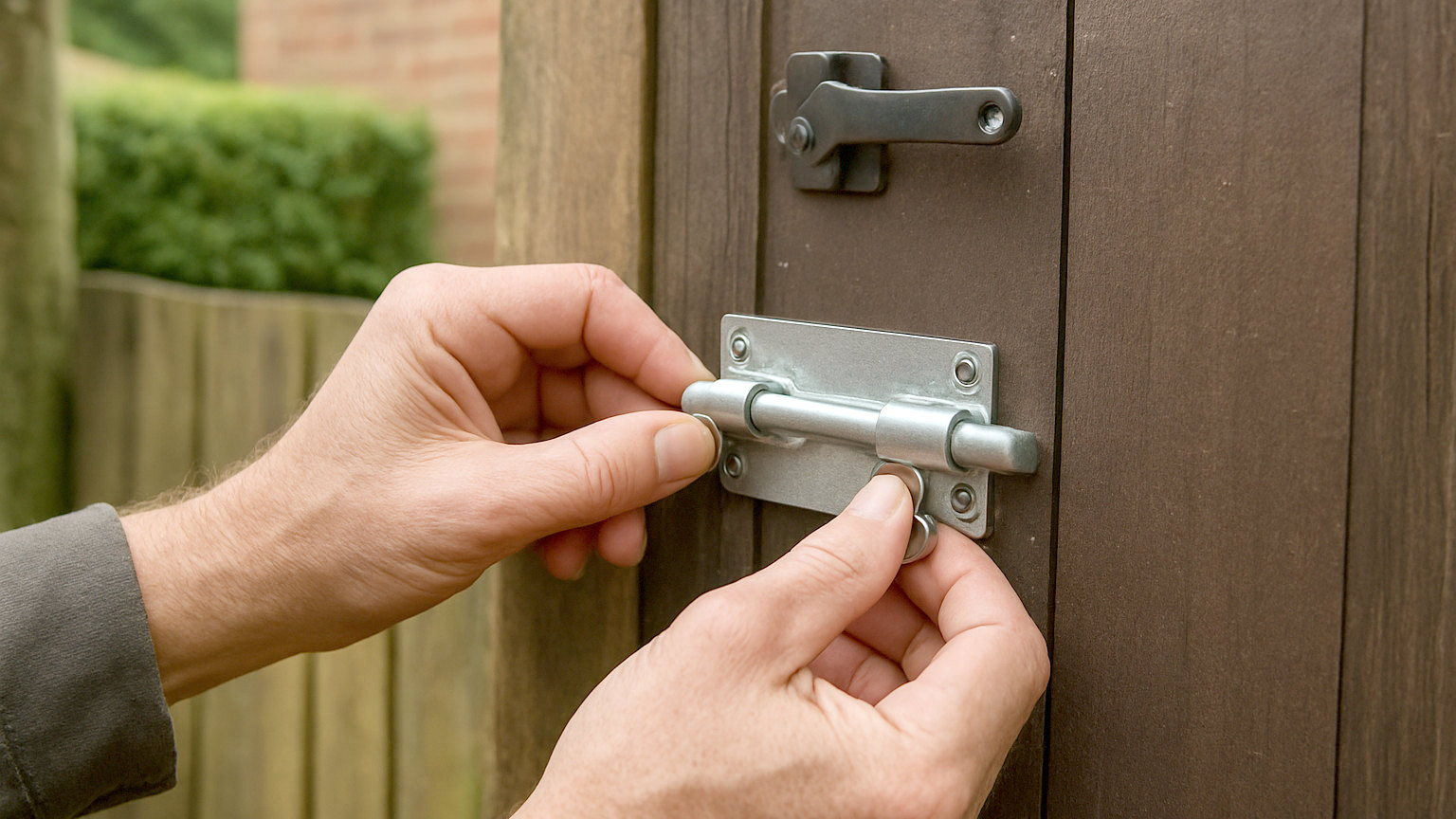
Most burglaries are opportunistic and a large share involve no forced entry at all. Fixing the obvious weaknesses matters more than buying anything clever.
Most emergencies are dull and local. A burst main, a three-day power cut, a flood warning at eleven at night, both roads out of the village closed. Preparing for those covers very nearly everything that will actually happen to you, and it happens to be the same groundwork that covers the rare and dramatic ones. These guides are about getting a household ready in a way that is proportionate, affordable, and does not require a bunker, a rifle or a change of personality.
Most burglaries are opportunistic and a large share involve no forced entry at all. Fixing the obvious weaknesses matters more than buying anything clever.
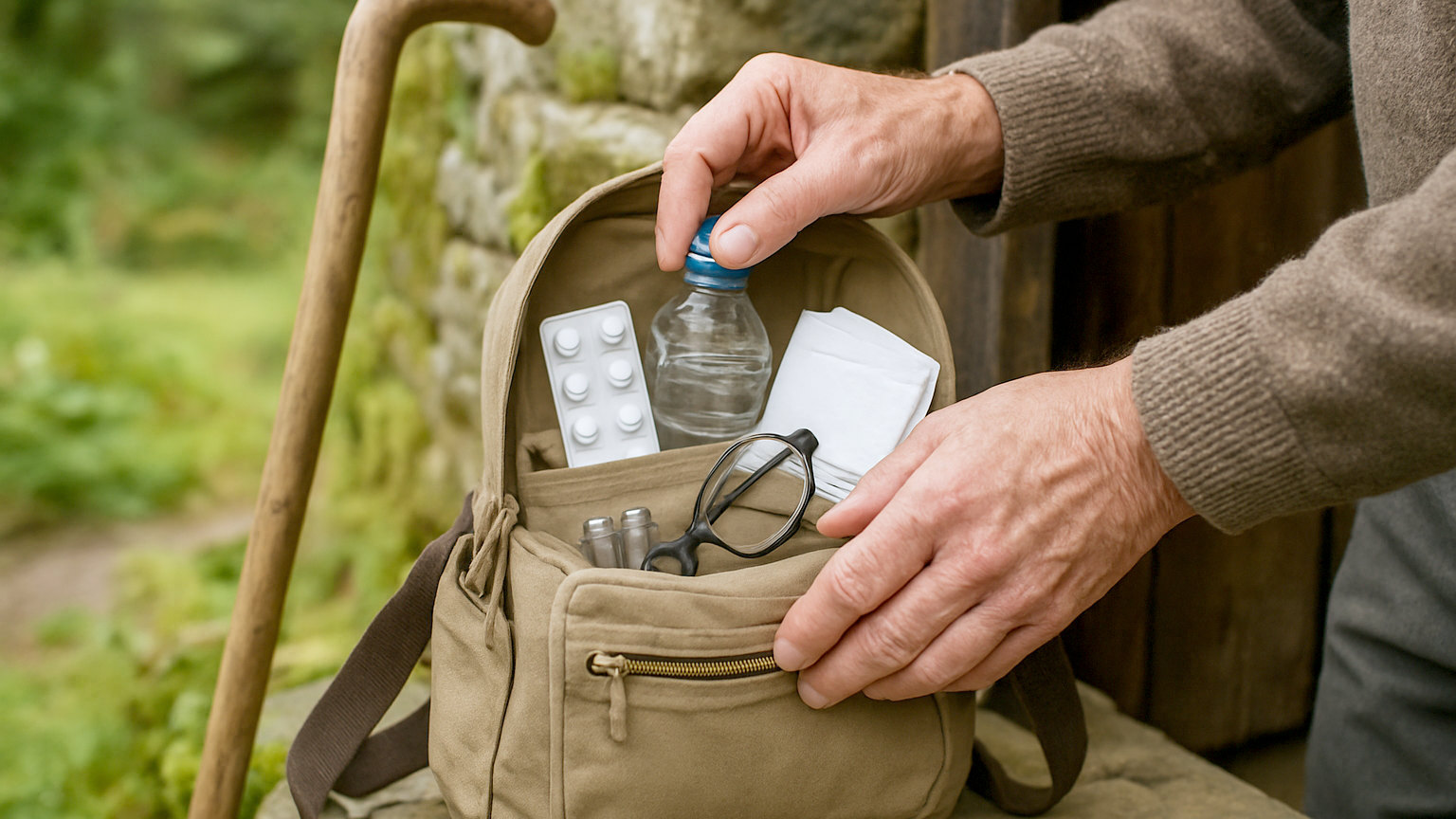
Medication, mobility aids, documents and a bag that can actually be moved. Standard packing lists assume a fitness and mobility that may not apply.
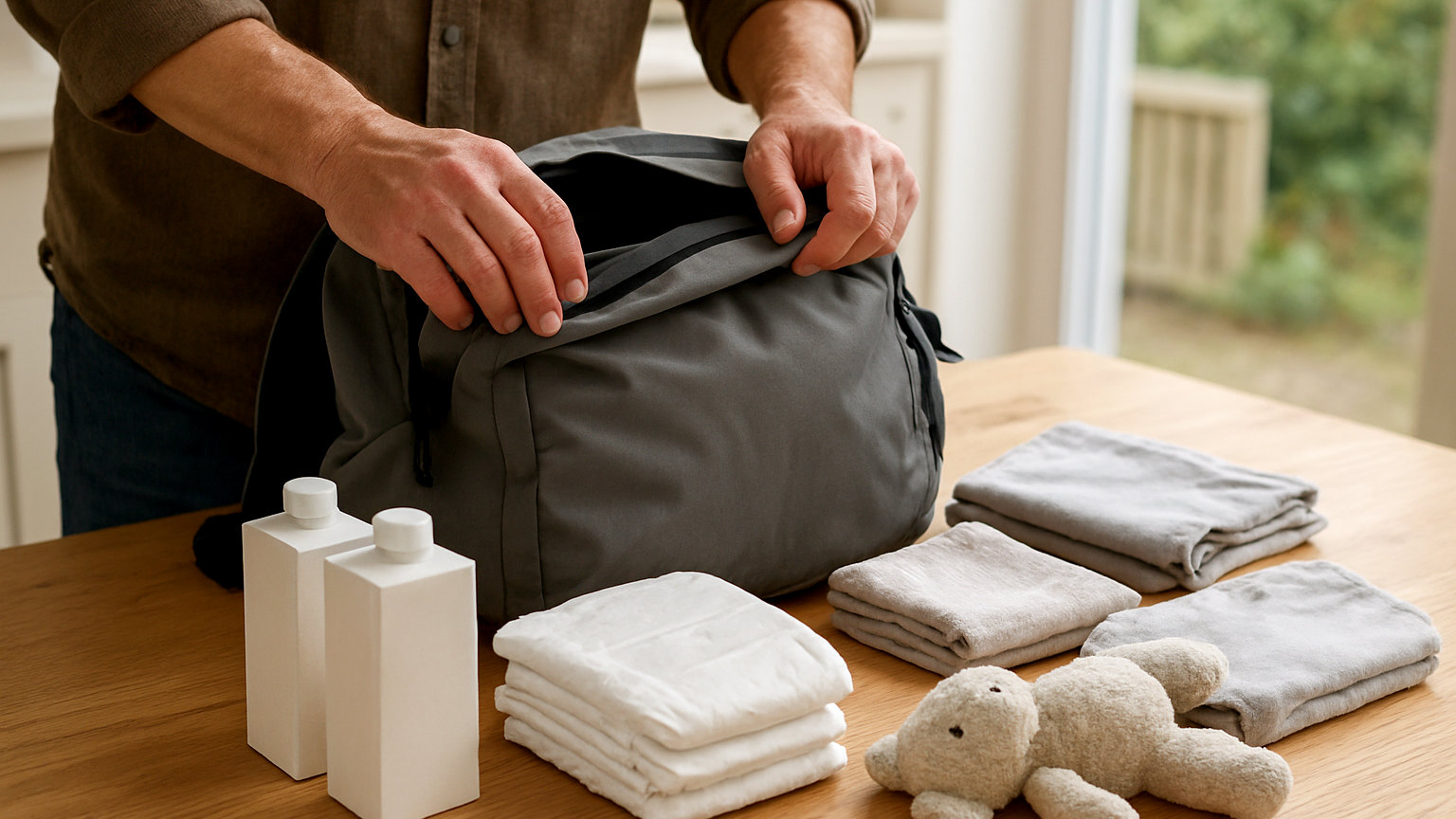
The one part of a kit that cannot be improvised. Formula, nappies and familiar comfort items all need planning, and ready to feed cartons need no water.
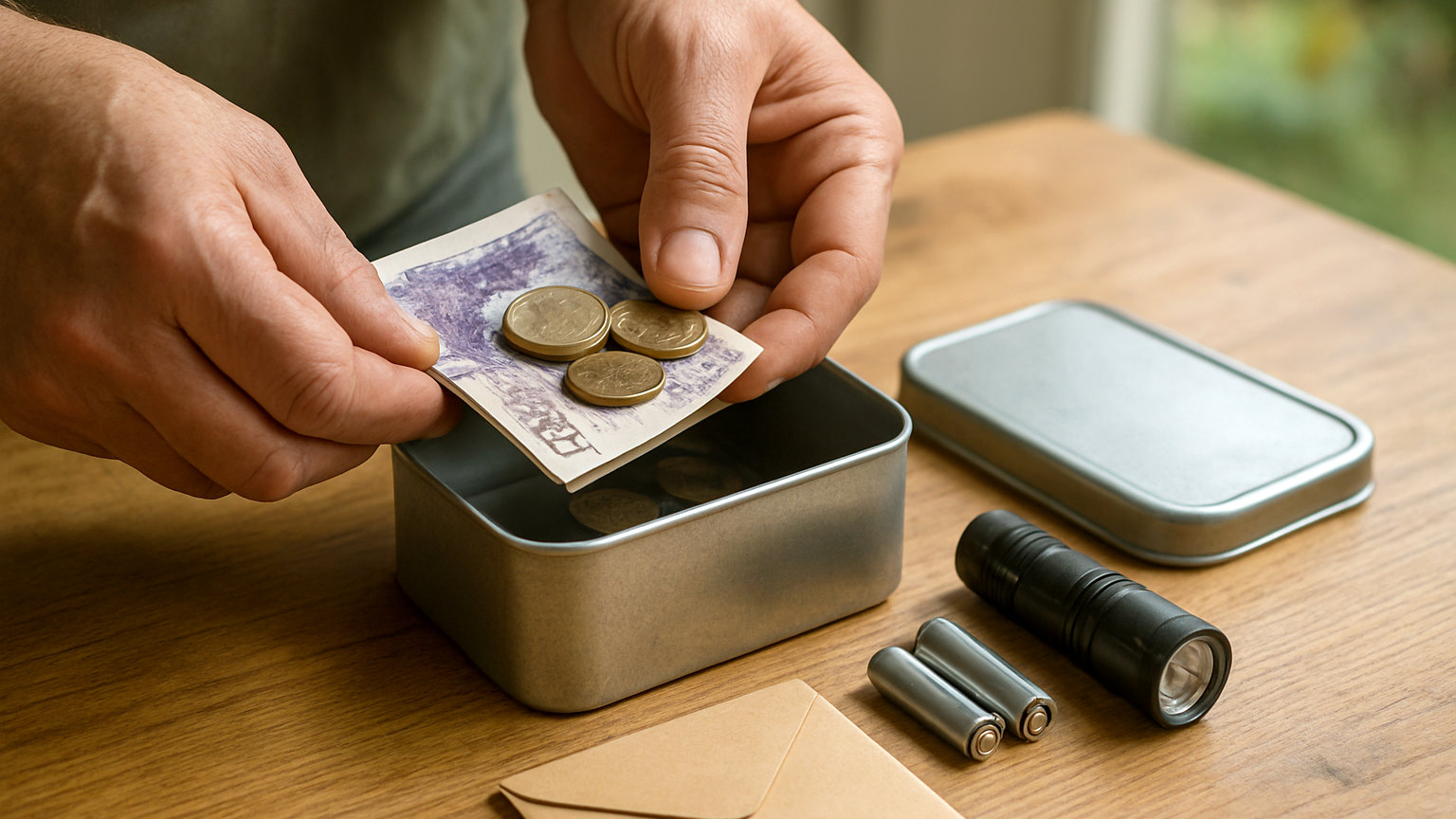
Card machines and cash points stop working without power or connectivity. A modest amount of cash covers the days when nothing electronic will take your money.
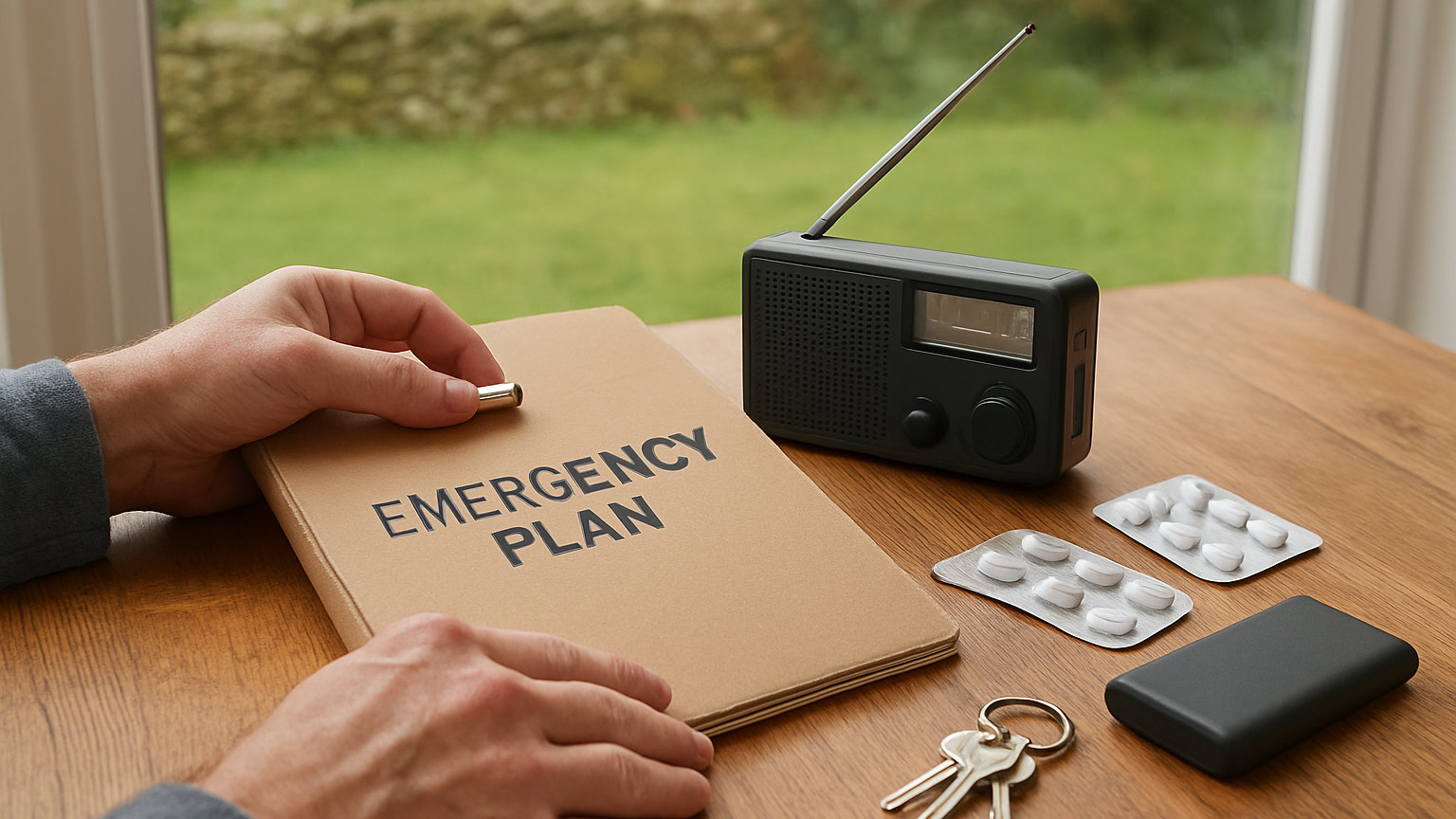
Plans decay quietly. Numbers change, medication changes, children grow and batteries die, and none of it announces itself until the plan is needed.
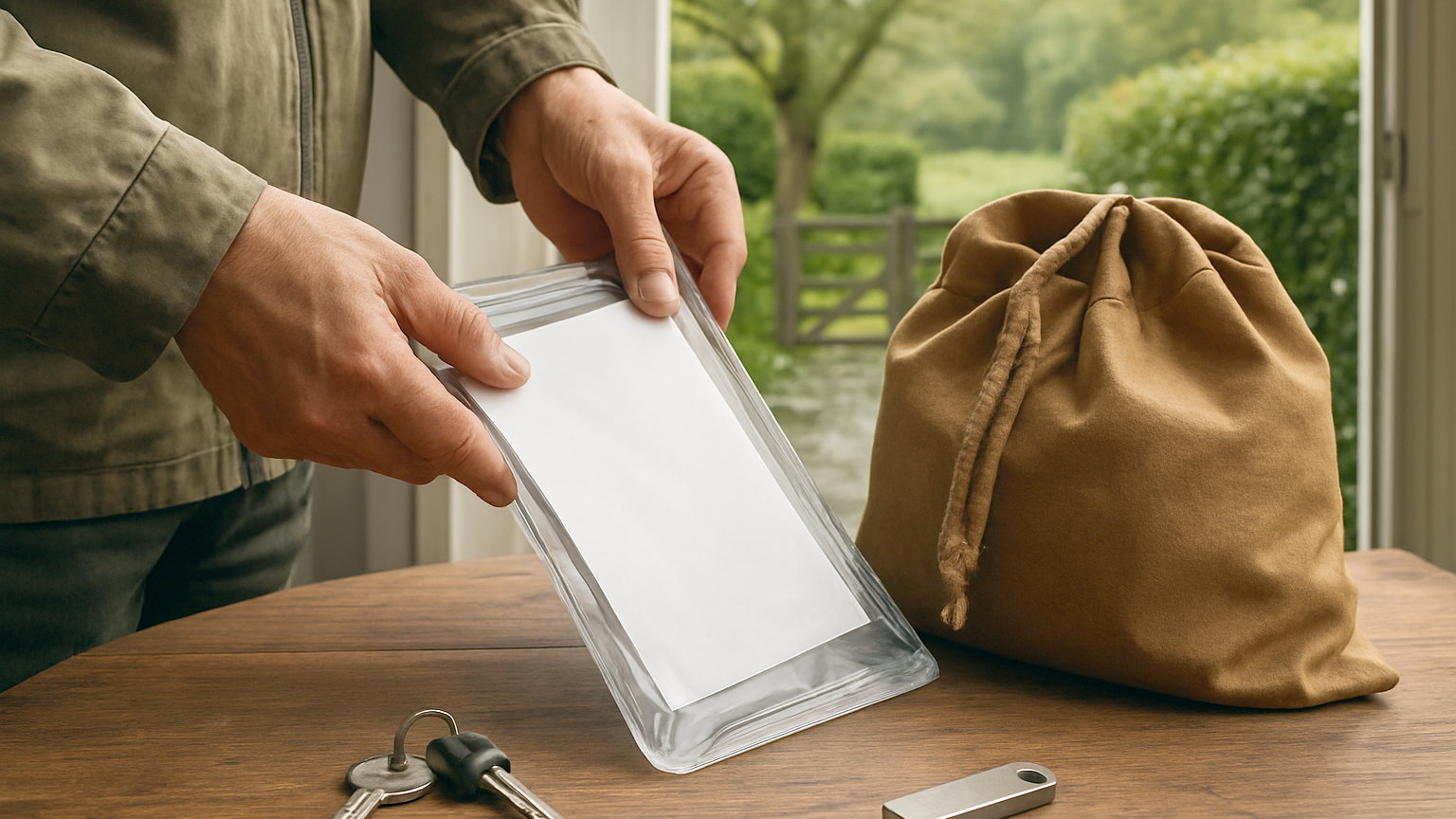
After a fire or flood, the paperwork is what determines how quickly life restarts. Copies cost an afternoon and save weeks.
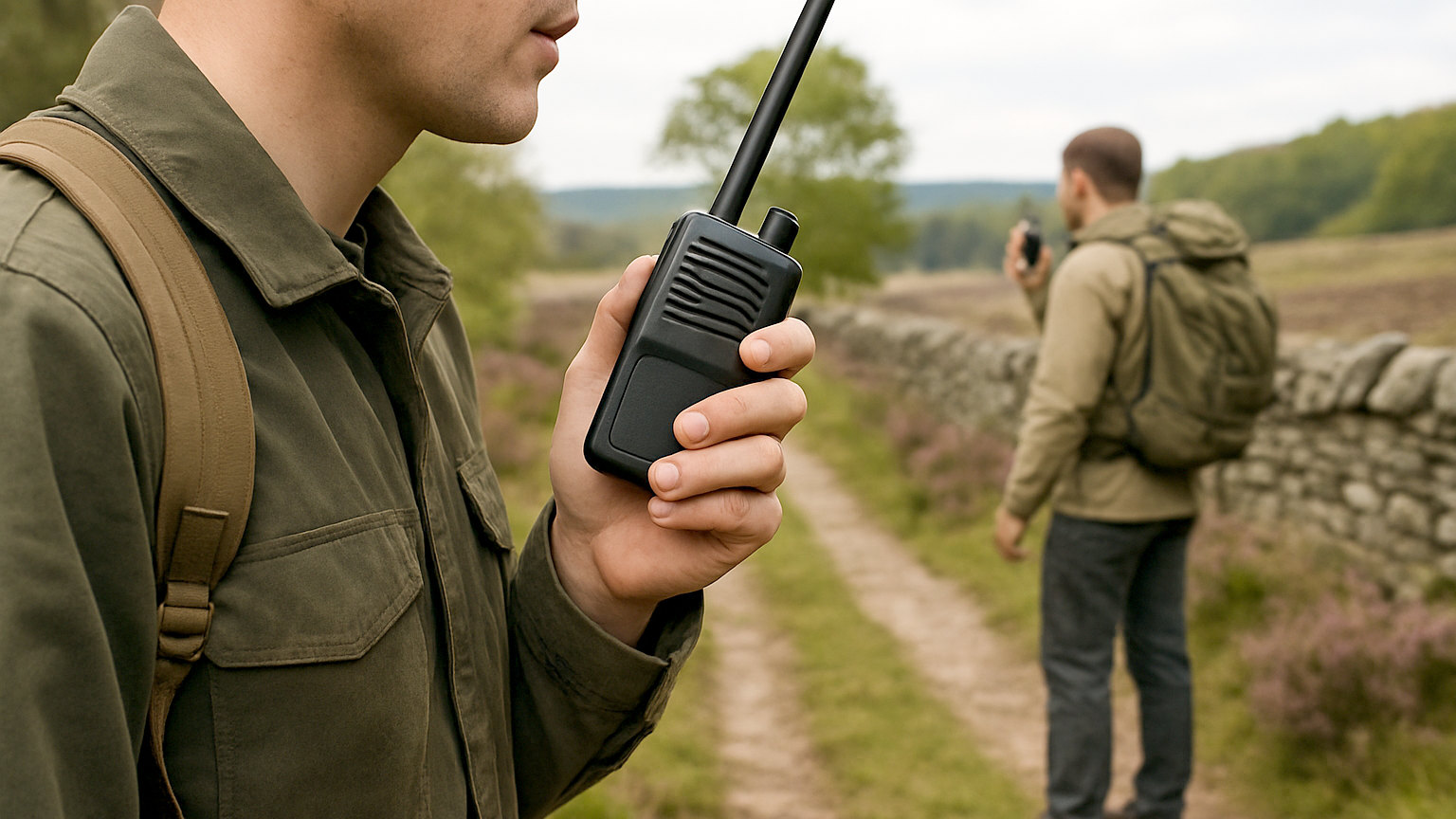
Licence free handheld radios that work with no network at all. Useful within a household or a small group, and far shorter in range than the packaging claims.
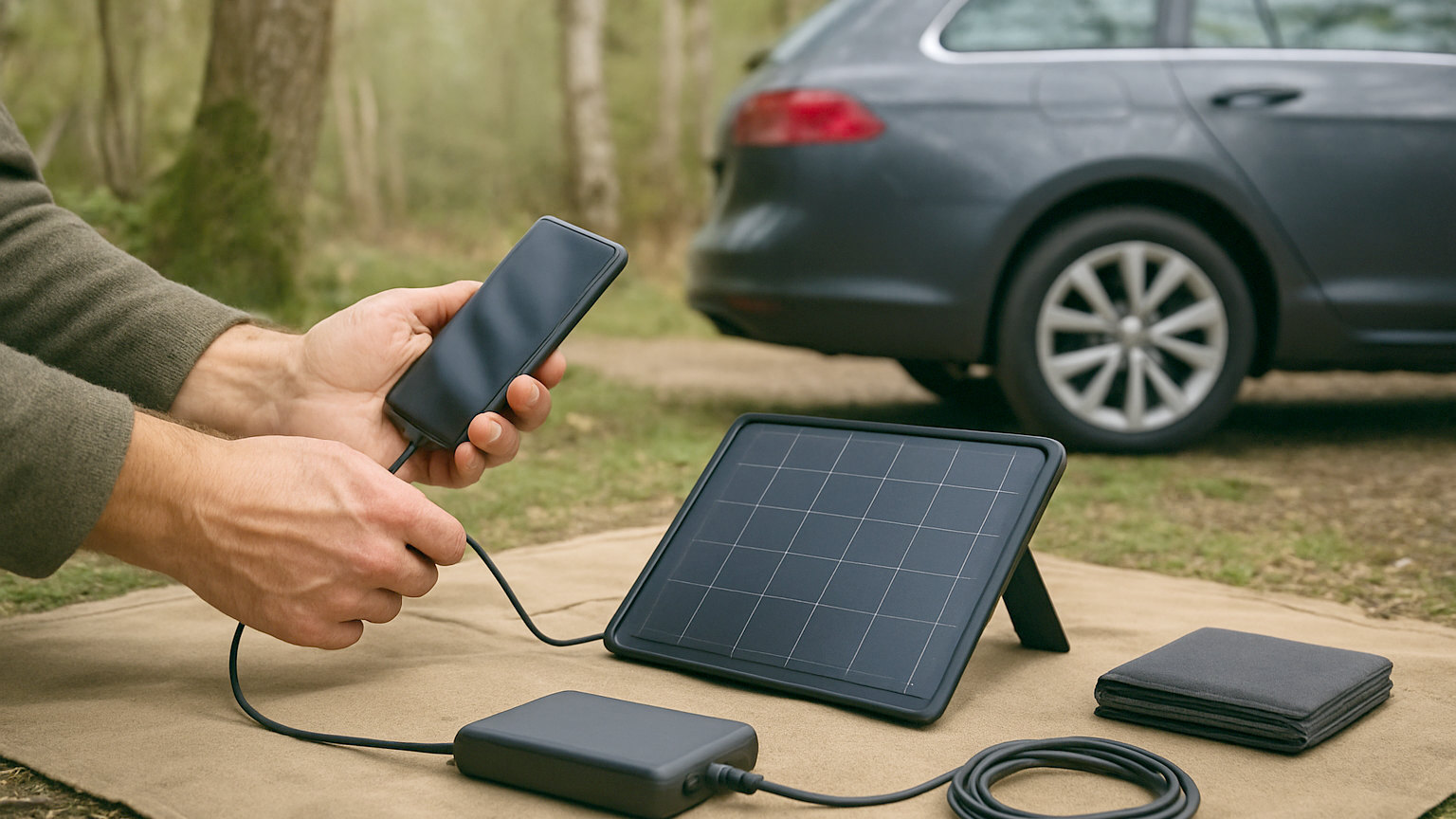
Power banks, the car, a laptop battery and solar all work. Managing consumption matters more than any of them, since a phone is also how you call for help.
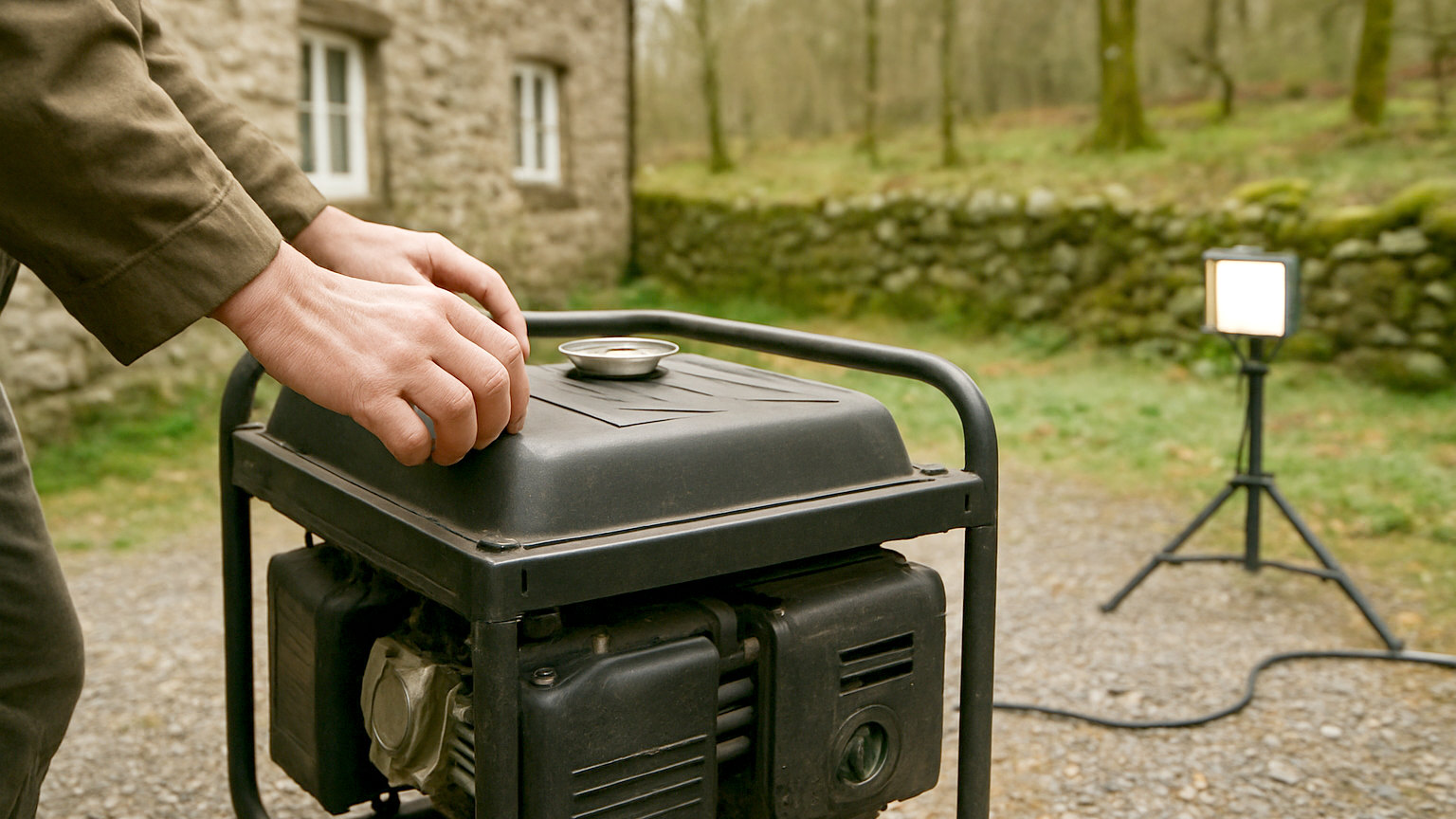
Outdoors only, well clear of openings, never connected to house wiring through a socket. Both of those rules exist because breaking them kills people.
Cameras record and neighbours intervene. A street where people know each other is measurably safer than one with more hardware and less contact.
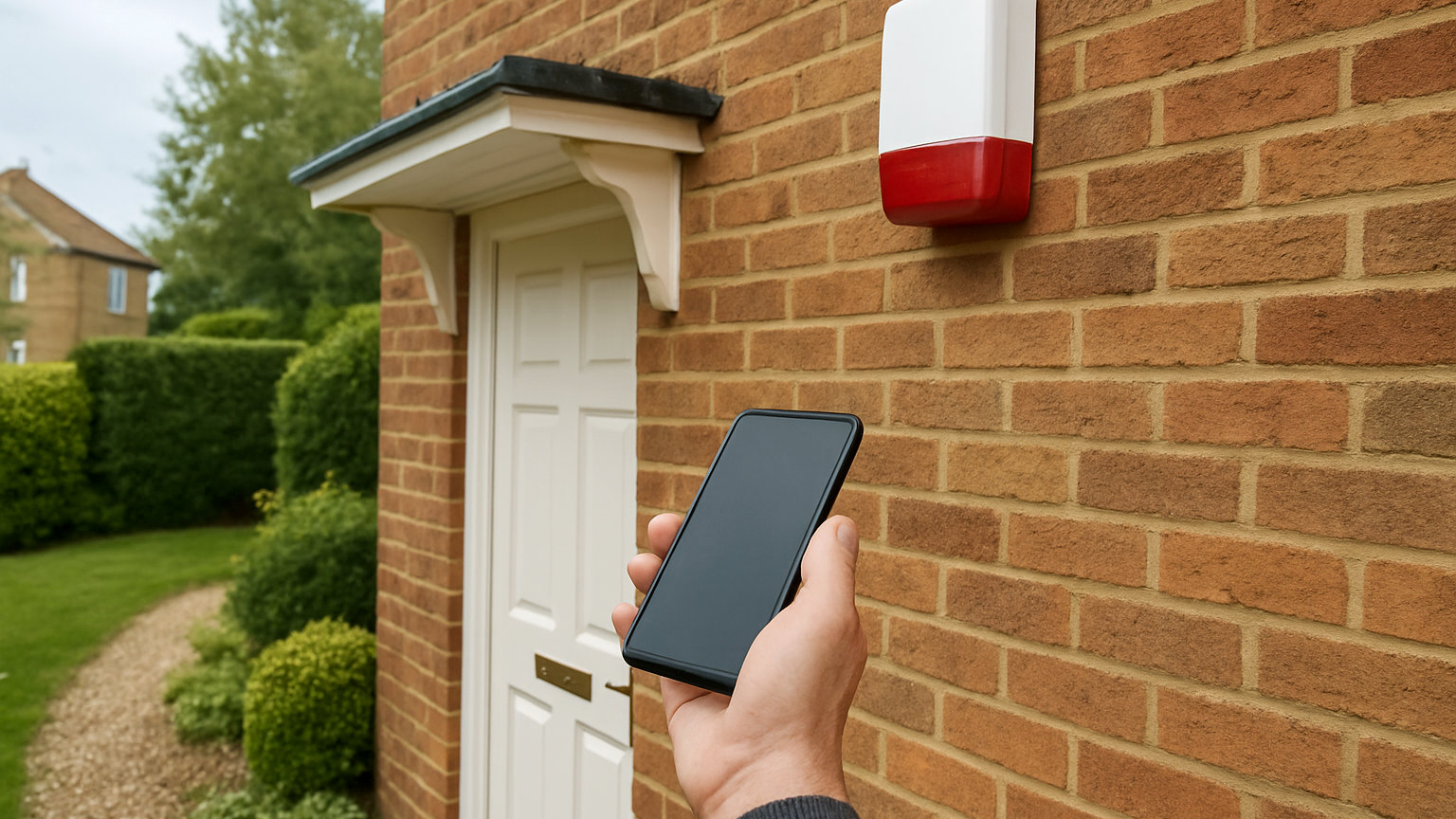
Yes, though less than the marketing suggests and more than the cynics claim. What matters is visibility, whether it is monitored and whether anyone responds.
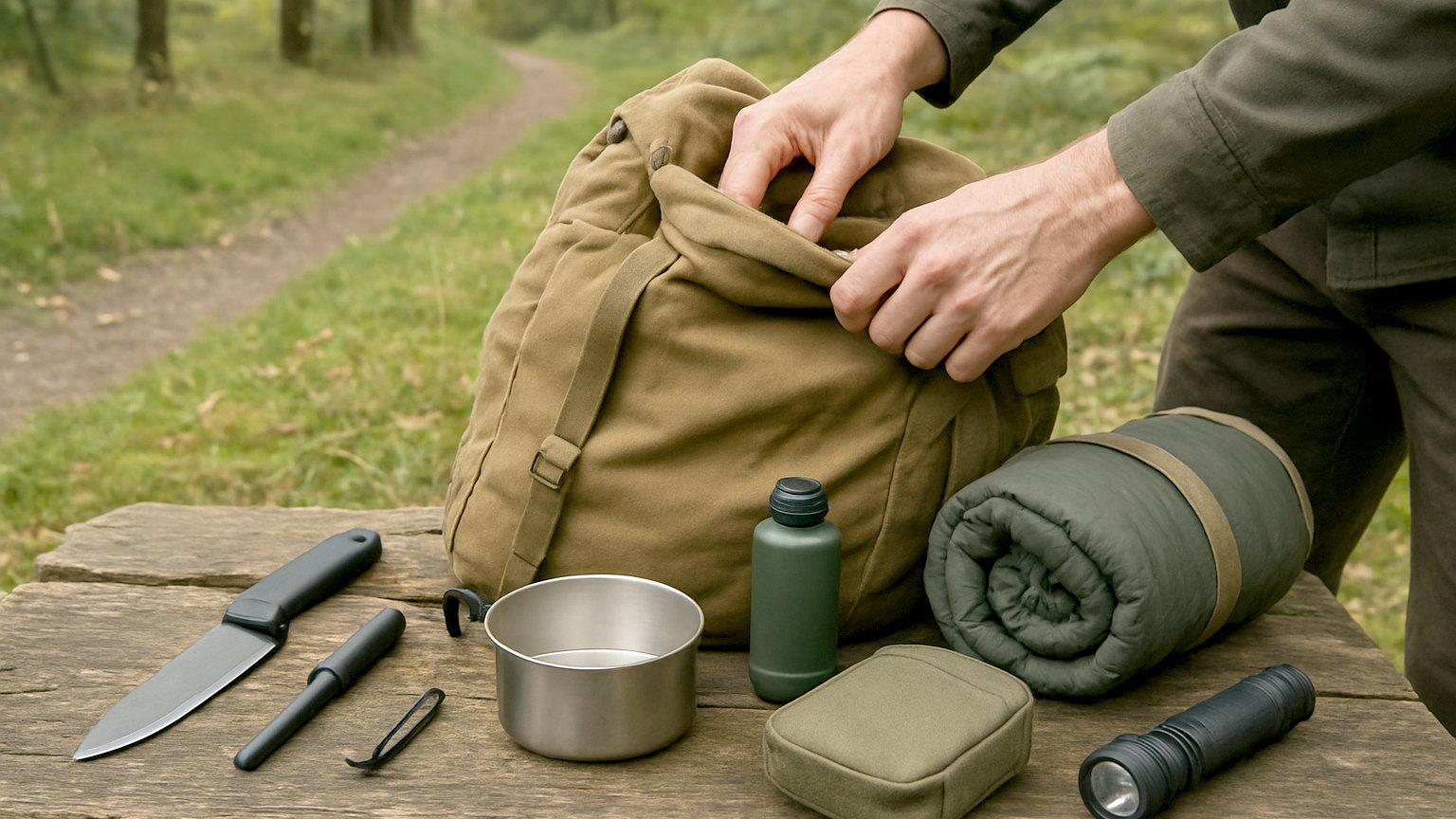
Knives, fire steels, water filters and camping equipment dominate online packing lists and are almost never used in a British evacuation.