Emergencies generate a volume of confident, incorrect information, most of it shared by people trying to help. Knowing how to filter it protects your own decisions and stops you adding to the problem.
What are the official sources?
For any British incident: the police force for the area, the local authority, the Environment Agency for flooding, the Met Office for weather, the fire and rescue service, and the UK Emergency Alerts system. National and local broadcasters relay these and add verified reporting. Anything that has not appeared through one of these routes should be treated as unconfirmed regardless of how plausible it sounds.
What circulates most readily?
Old photographs and video from previous events, presented as current. Rumoured evacuation orders that no authority has issued. Specific casualty numbers before anything has been confirmed. Claims about the cause of an incident. Advice contradicting official guidance. Each of these spreads faster than corrections do, and each has caused real problems during British incidents.
- Check whether an official source has said it
- Look for a date and location on any image
- Be sceptical of precise numbers issued early
- Notice whether a claim is attributed to anyone
- Do not share anything you have not verified
- Follow official accounts before an incident, not during one
How do you check an image?
By asking whether it matches. Does the weather, the season, the vegetation and the light fit what is happening now? Do vehicles, signage and architecture look like the place claimed? A reverse image search will frequently find the original, and images from unrelated countries and years are recycled during almost every major flood and fire. If the source cannot say where and when it was taken, treat it as unverified.
Why are early numbers unreliable?
Because responders do not have them either. Casualty figures, property counts and timescales take time to establish, and early estimates are revised substantially. A confident specific number circulating within an hour of an incident almost certainly has no basis. Official sources deliberately avoid publishing numbers until they are confirmed, which is why the gap gets filled by speculation.
What harm does sharing do?
Real and measurable harm. False evacuation rumours send people onto roads that responders need. Incorrect advice leads people into hazards. Emergency services divert resources to correcting rumours. And when a genuine warning arrives, people who have been misled repeatedly are slower to act on it. Sharing something that turns out to be wrong is not a neutral act.
What should you do before sharing?
Ask three questions. Who is the original source? Has an official body said the same thing? Would sharing this change what anyone does, and is that change correct? If you cannot answer the first two confidently, do not pass it on. Adding a note saying it is unverified does not travel with the post as it is reshared.
How do you set yourself up in advance?
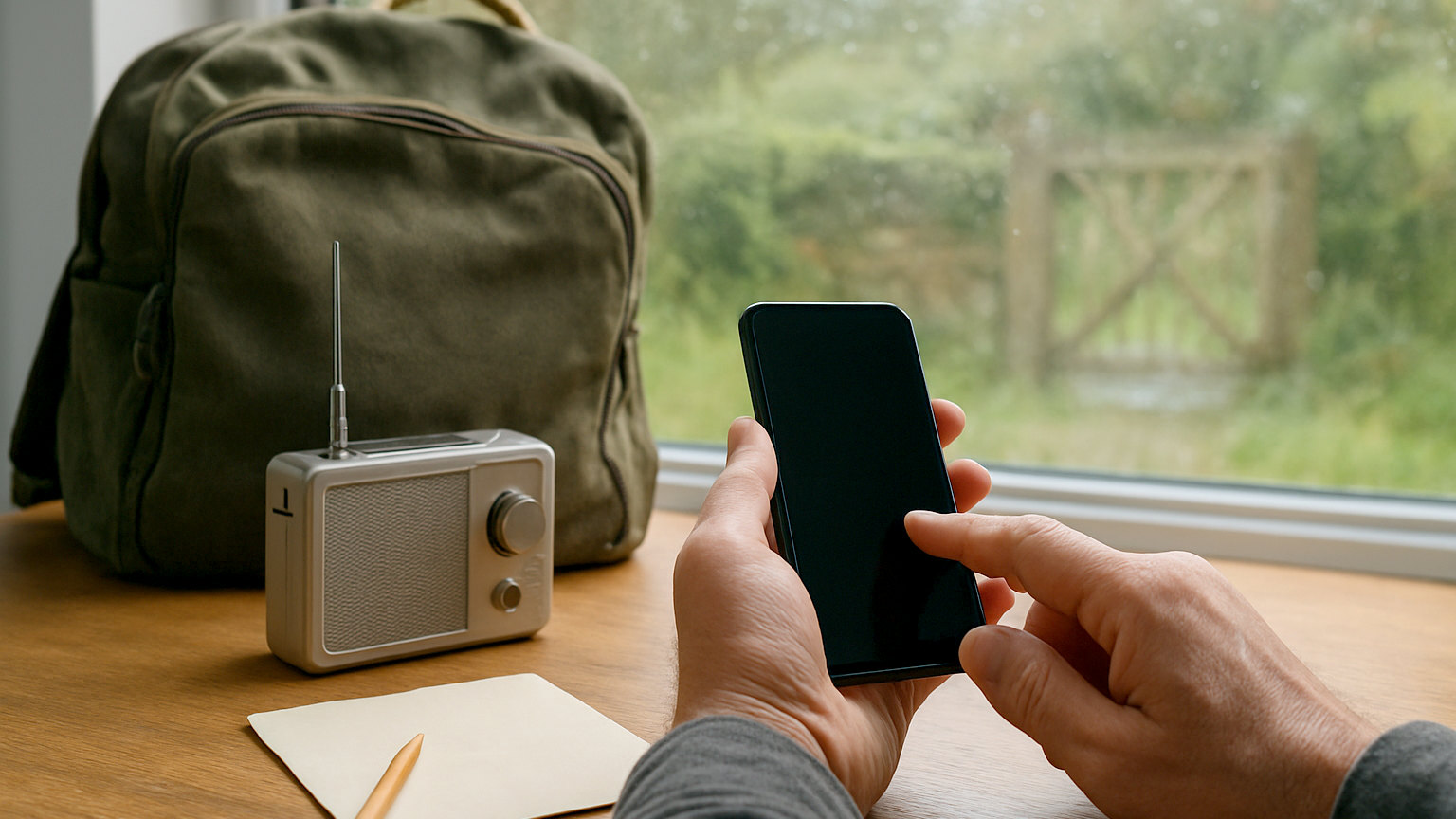
By following the accounts that matter before anything happens. Your local authority, your police force, the Environment Agency flood service for your area, and your local radio station. During an incident these will be the fastest reliable sources, and following them beforehand means you are not searching for them while anxious.
What about official information being slow?
It frequently is, and that is a deliberate trade for accuracy. The gap between an event and confirmed information is where speculation grows. Accept the delay rather than filling it, and use the time to act on what you already know: your own plan, your own observations and any instruction already issued.
What about artificially generated content?
It has made verification harder and the same habits still work. Convincing images and audio can now be produced easily, so the question shifts further from does this look real to who is the source and has an authority confirmed it. Treat any dramatic image circulating without an attributable origin as unverified, regardless of how plausible it appears, and rely on official channels rather than on your own judgement of whether something looks genuine.
Follow the official accounts now, check whether an authority has said it, be sceptical of early numbers, and share nothing you cannot verify.