For decades a corded telephone worked during a power cut because the line itself carried power from the exchange. The move from the old analogue network to digital voice over broadband has removed that property, and many households have not registered the change.
What has actually changed?
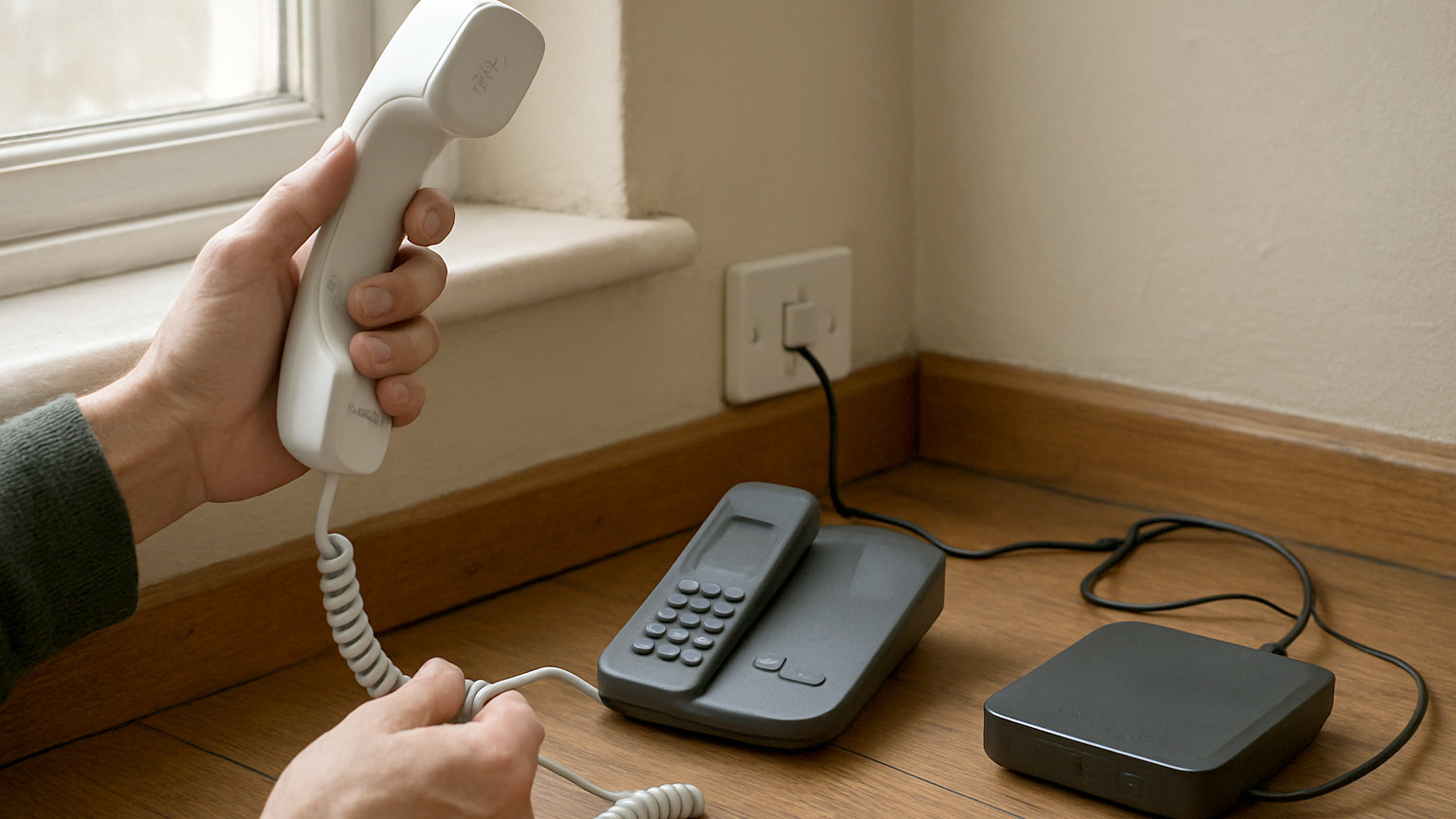
Landline calls are being migrated from the traditional public switched telephone network onto broadband, a programme usually described as the digital switchover. Under the new arrangement your phone plugs into the router rather than a wall socket, and the call travels over the internet connection. The router needs mains power, so the phone stops working when the electricity does.
Why did the old system keep working?
Because the exchange supplied a small current down the copper line, and a simple corded phone needed nothing else. Exchanges had substantial backup power, so a household could lose electricity entirely and still make a call. Cordless phones never had this property, since the base station needs mains, which is why the advice to keep one corded phone in the house has been standard for years.
- Digital landlines depend on your router, which needs mains power
- A corded analogue phone worked without electricity, a digital one does not
- Providers offer battery backup units to eligible customers
- Backup typically covers around an hour of calling
- Tell your provider if anyone relies on the line for care alarms
- Keep a charged mobile as the practical alternative
What backup is available?
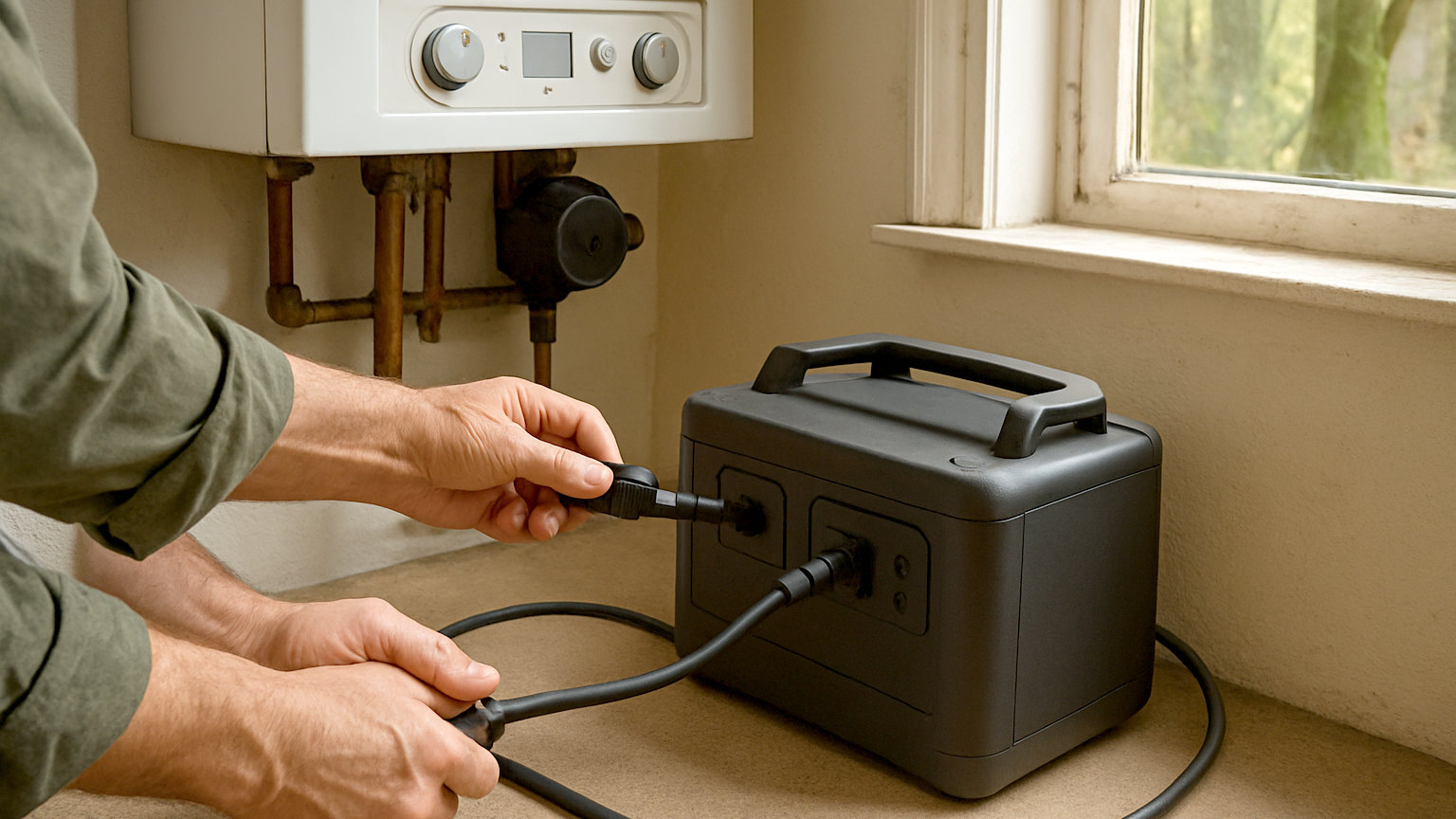
Providers are required to offer a solution for customers who depend on their landline, typically a battery backup unit for the router or a mobile based device. These generally provide around an hour of calling, which is intended to cover an emergency call rather than a prolonged outage. Eligibility usually covers people without a mobile or without mobile coverage, and anyone dependent on the line for health or care reasons.
Who should be asking about this?
Anyone with a personal alarm or telecare pendant, since many of these devices connect through the phone line and can be affected by the migration. Anyone in an area with poor or no mobile coverage, where the landline is genuinely the only route to 999. Older people living alone. Households where someone has a medical condition requiring rapid help. Contact your provider and say so explicitly, since the protections depend on being identified.
What about care alarms specifically?
They deserve a direct conversation with both the alarm provider and the telephone provider, because some older devices do not work reliably over digital lines. This has been a recognised issue during the migration and there have been cases of alarms failing after a switchover. Ask both companies to confirm compatibility in writing, and test the alarm afterwards.
What should households do?
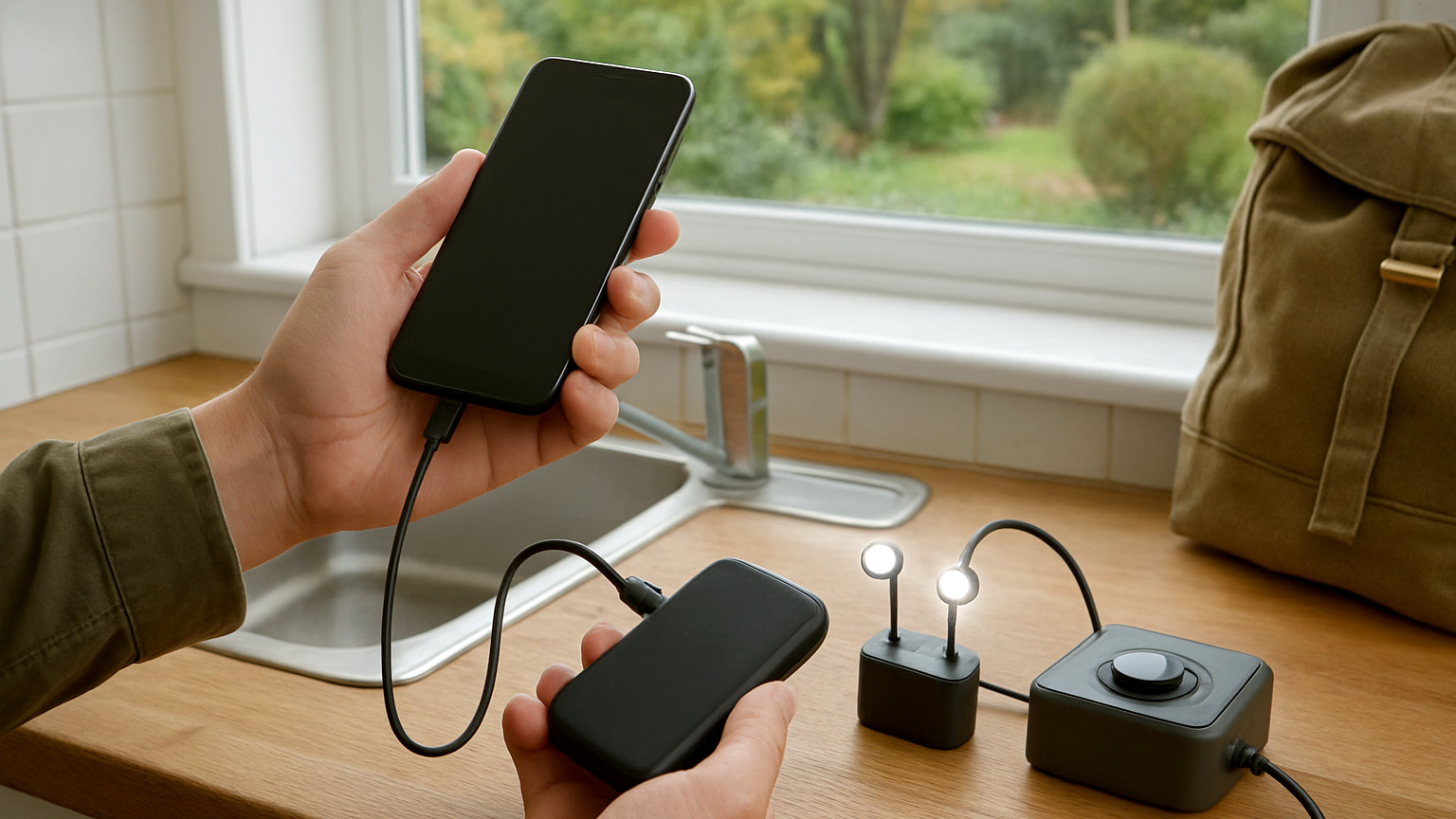
Three things. Find out whether your line has already been migrated, which many have. Ask about battery backup if anyone depends on the phone. And keep a charged mobile with credit as the practical alternative, since it does not depend on your own power supply. A power bank keeping both the mobile and the router alive covers most short outages.
Does the router matter?
Yes, and it is worth knowing that a modest power bank can keep a typical router running for several hours. That maintains both the landline and the internet during a local outage, provided the broadband infrastructure itself still has power. It is an inexpensive arrangement and considerably more useful than most people expect.
Is the old network being retired?
Yes, with the migration running over an extended period and the timetable having been revised more than once to protect vulnerable customers. Check the current position with your own provider rather than relying on a published date, since arrangements differ between companies and the details have changed.
Assume your landline needs power, ask about battery backup if anyone depends on it, check any care alarm, and keep a charged mobile.