What Is Pacing and Timing and How Do You Use It
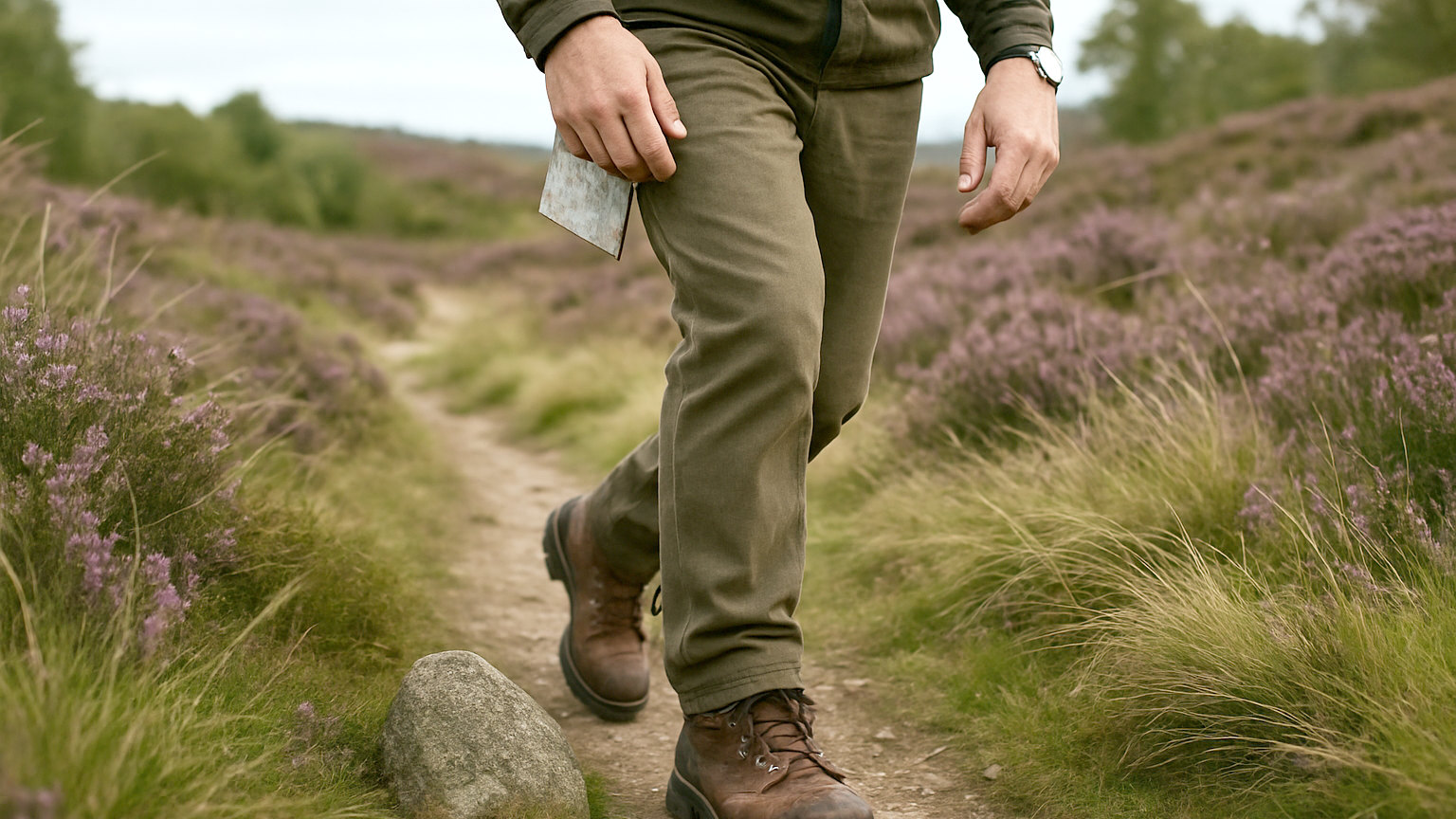
Measuring distance travelled is what turns a bearing into a position. Counting paces and estimating time are the two ways of doing it without instruments.
Survival skills are perishable, and reading about a bow drill is not remotely the same as having made fire with one. That gap is exactly where people come unstuck when it matters. These guides cover the core skills, fire, water, shelter, navigation, first aid, food and signalling, in enough detail to practise in a garden or on a weekend walk rather than merely recognise on a page. Practise the boring ones first: purifying water and staying warm and dry have saved far more lives than anything that looks impressive.
Measuring distance travelled is what turns a bearing into a position. Counting paces and estimating time are the two ways of doing it without instruments.
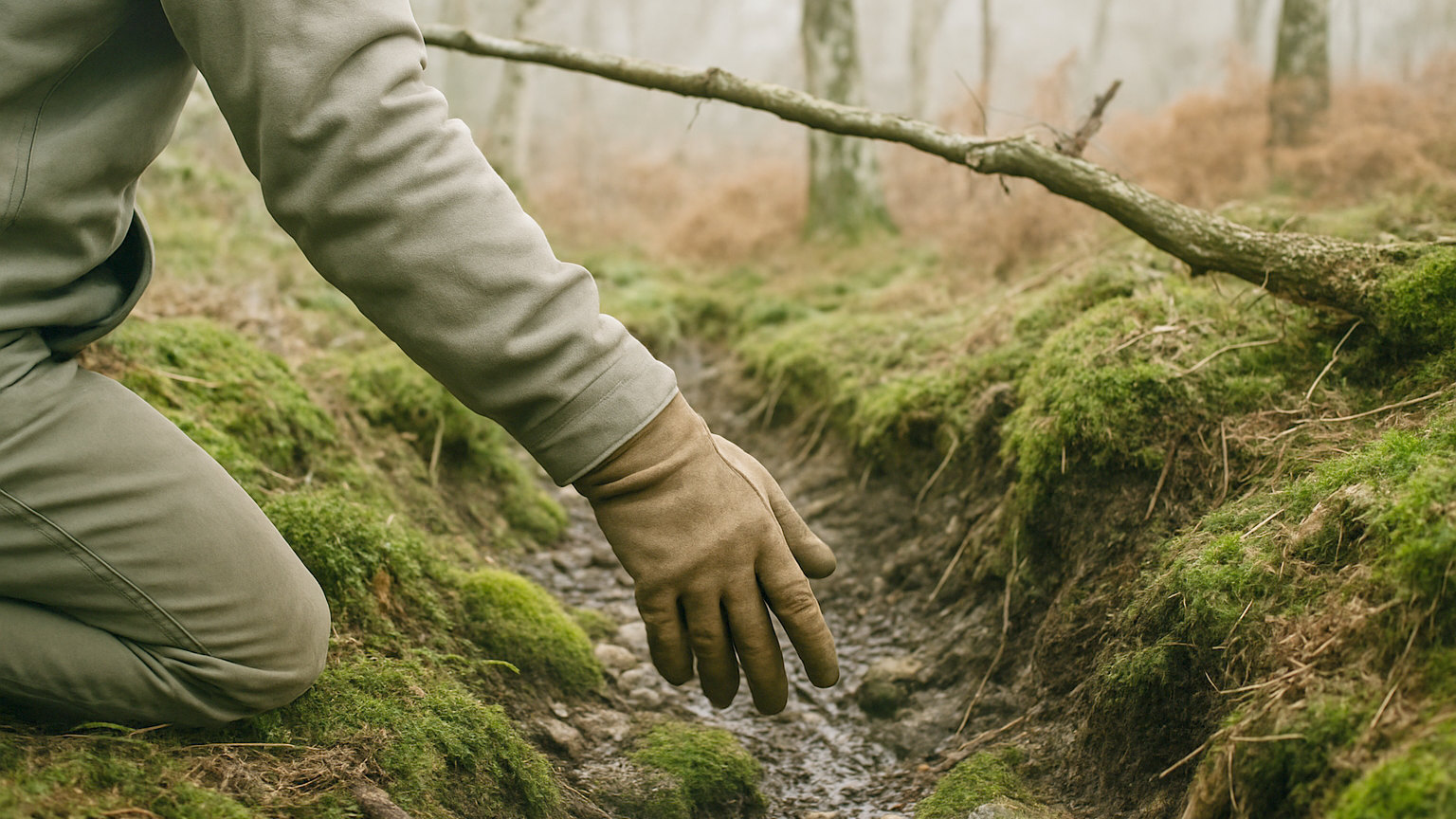
Some sites are dangerous rather than merely uncomfortable. Dead branches, drainage lines, cold sinks and unstable ground account for most serious incidents.
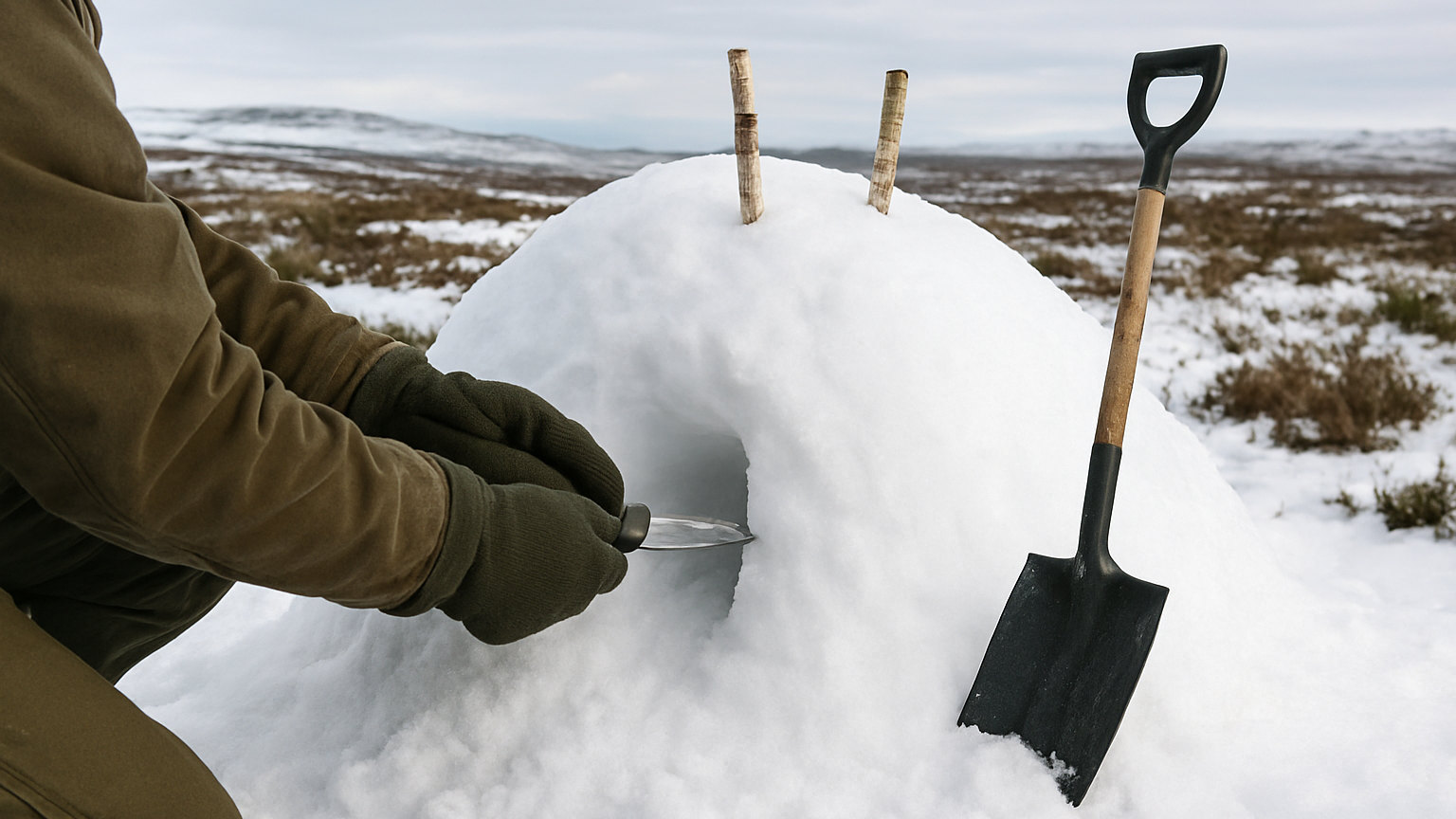
Snow is an excellent insulator and a serious hazard to work in. How to build a quinzhee or snow trench, and the ventilation rule that is not optional.
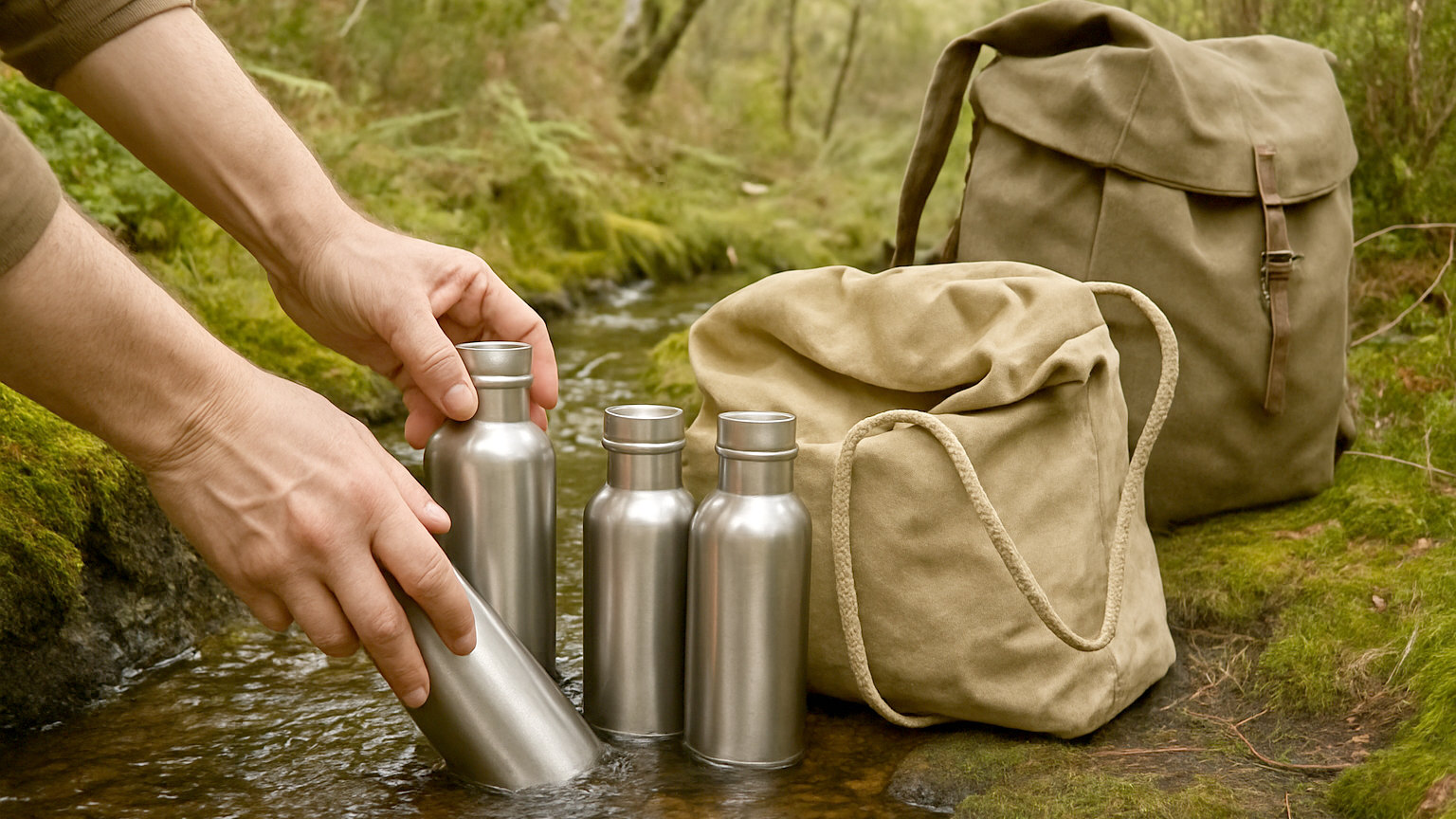
Two litres is the planning figure and it is wrong for most real situations. What actually drives requirement, and why rationing is usually a mistake.
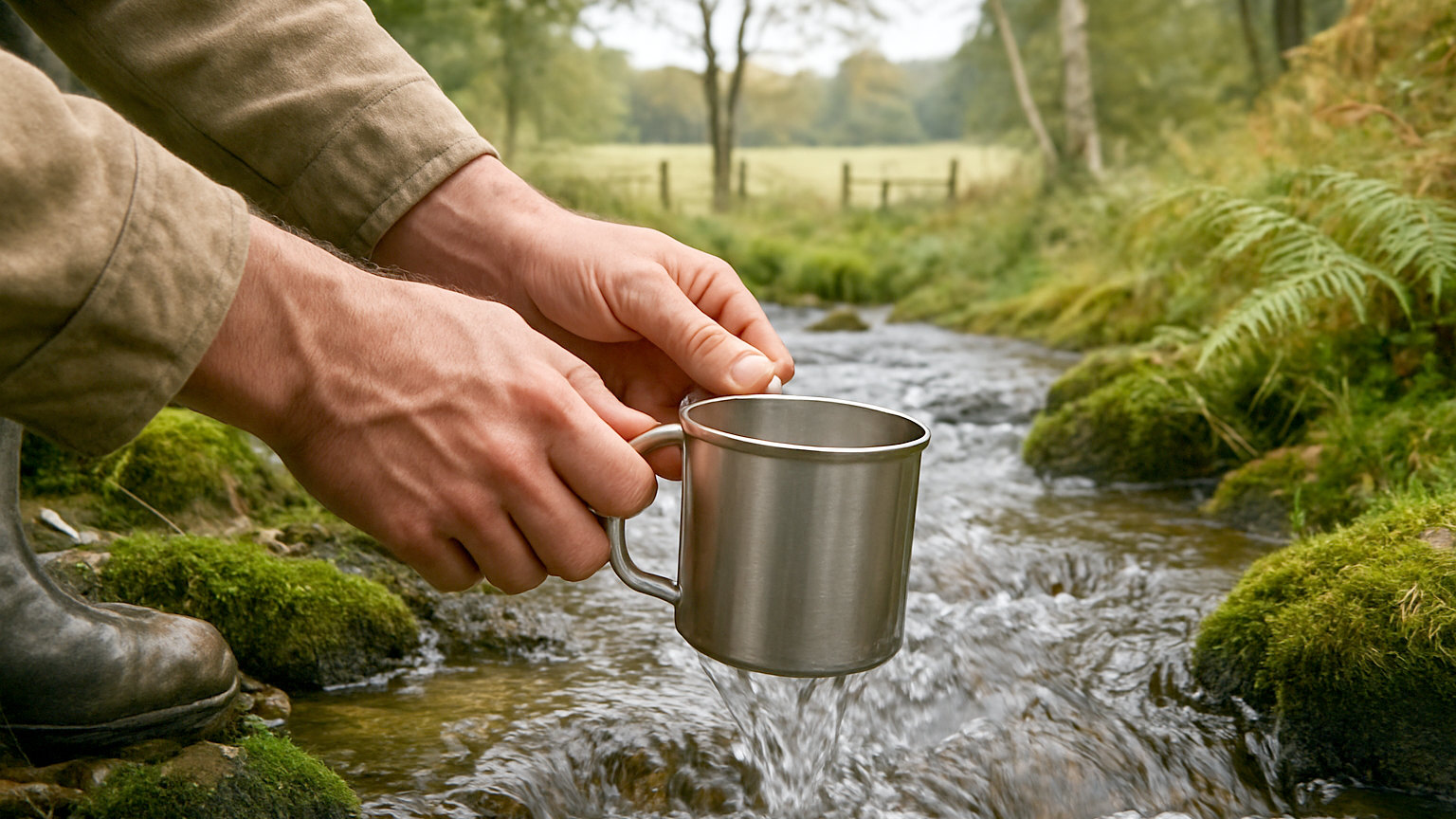
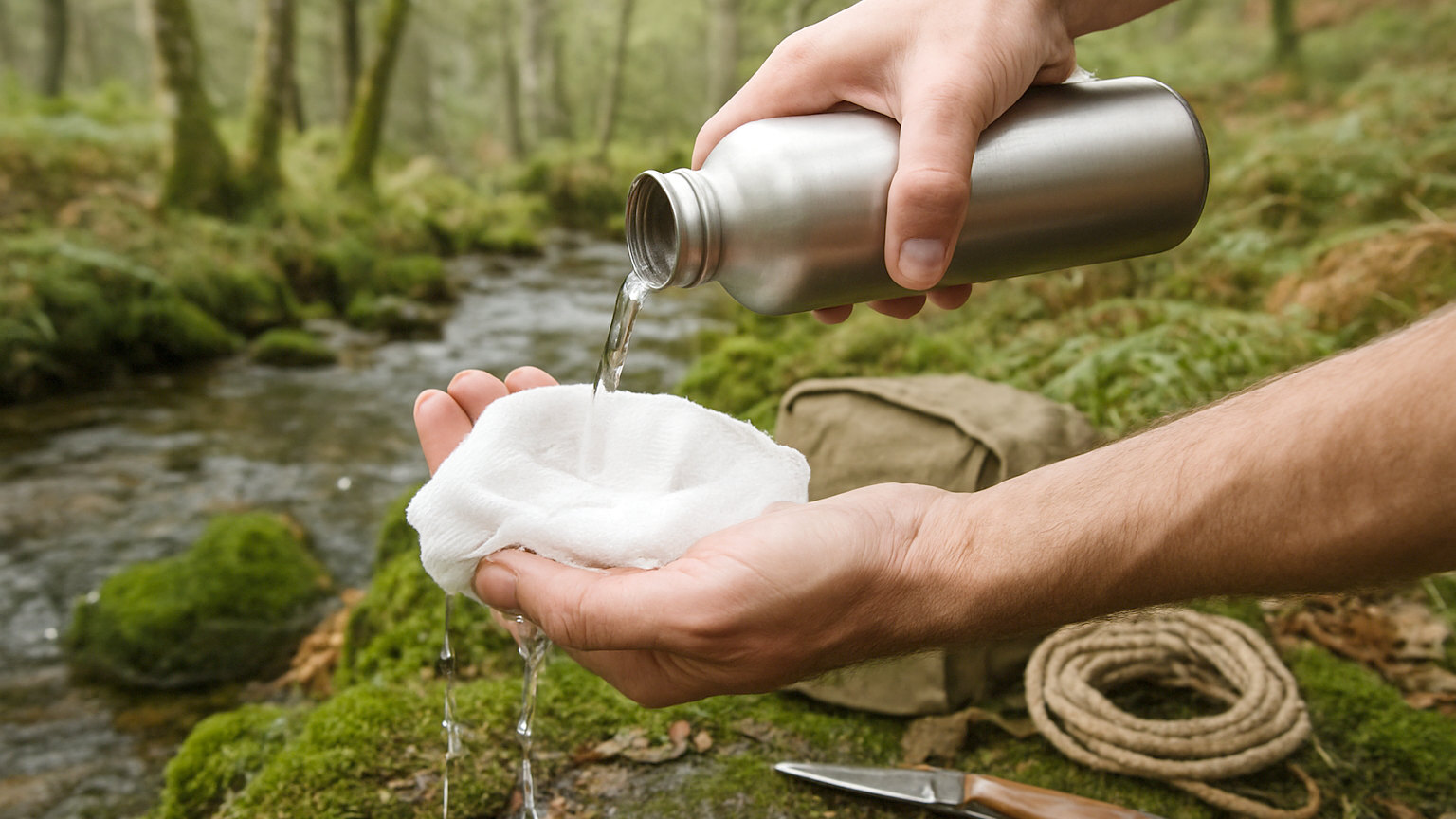
British streams look clean and frequently are not. What is actually in them, which sources carry least risk, and why upstream of livestock is the phrase that matters.
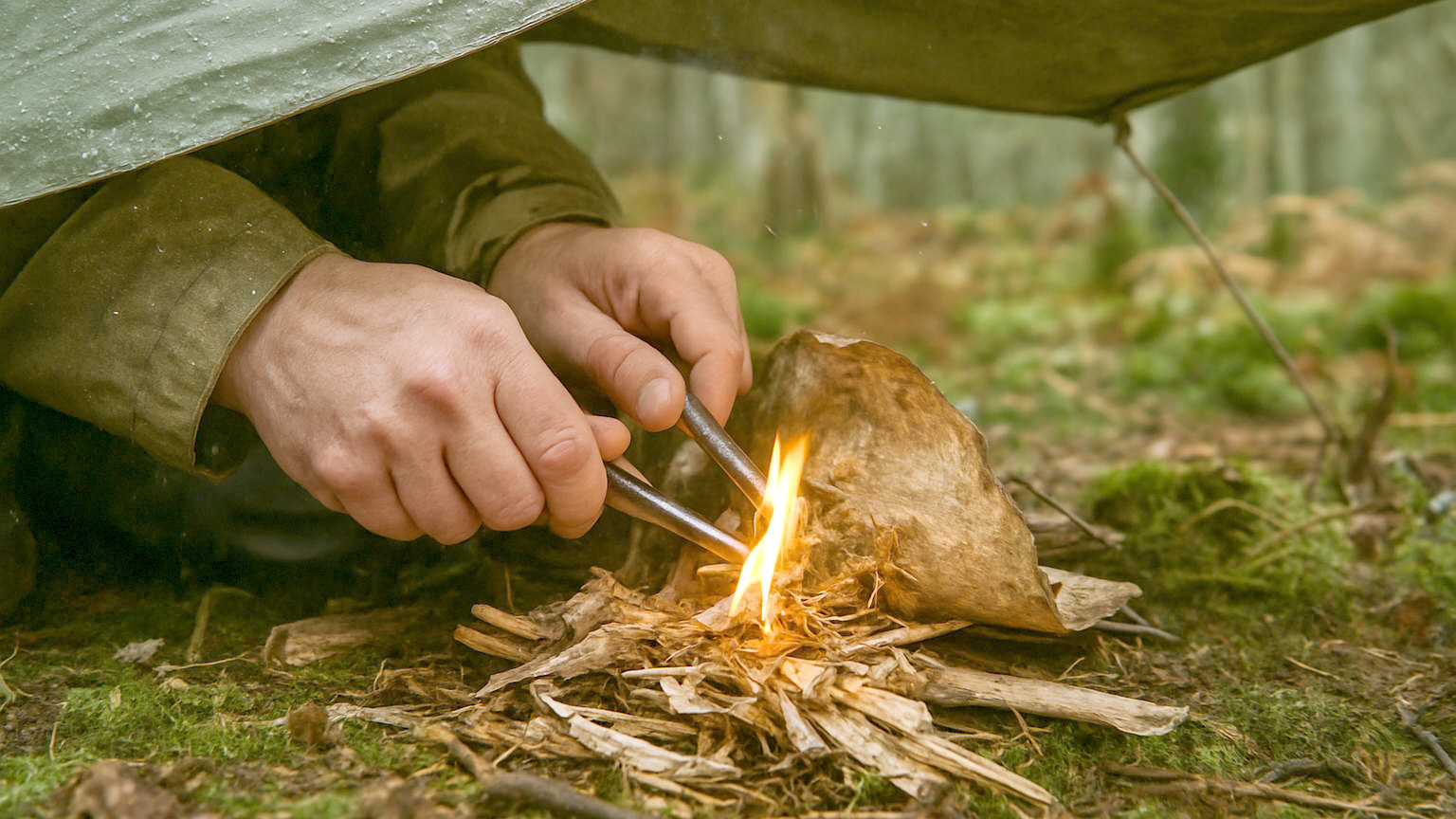
The physics of why moisture stops combustion, how to test wood without a meter, and the techniques that make damp wood usable rather than hopeless.
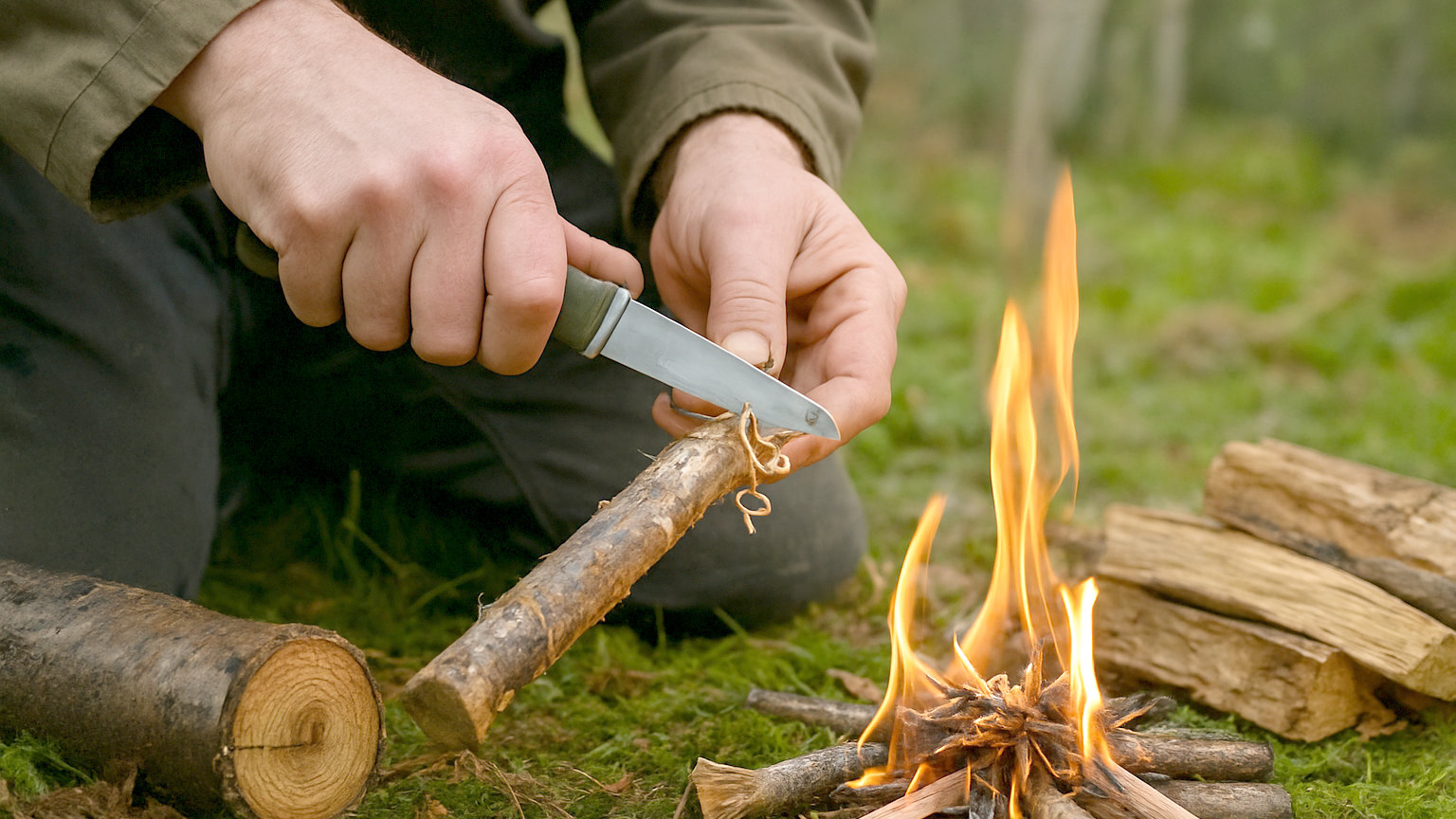
A method that works in persistent rain, from finding fuel that is not soaked through to protecting the flame long enough for it to defend itself.
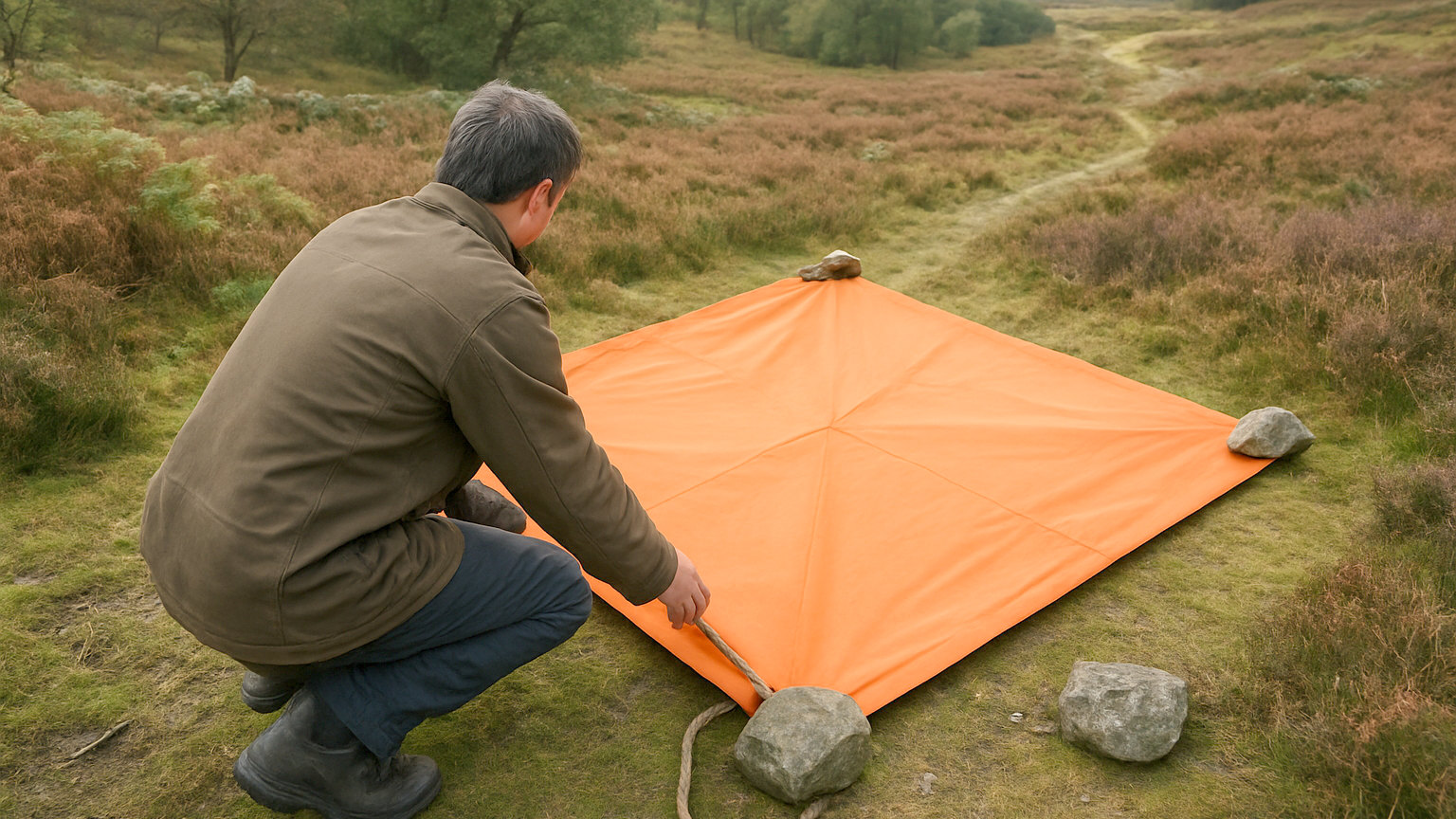
A handful of large symbols laid on the ground communicate specific needs to an aircraft. They only work if they are big enough, which is bigger than most people build.
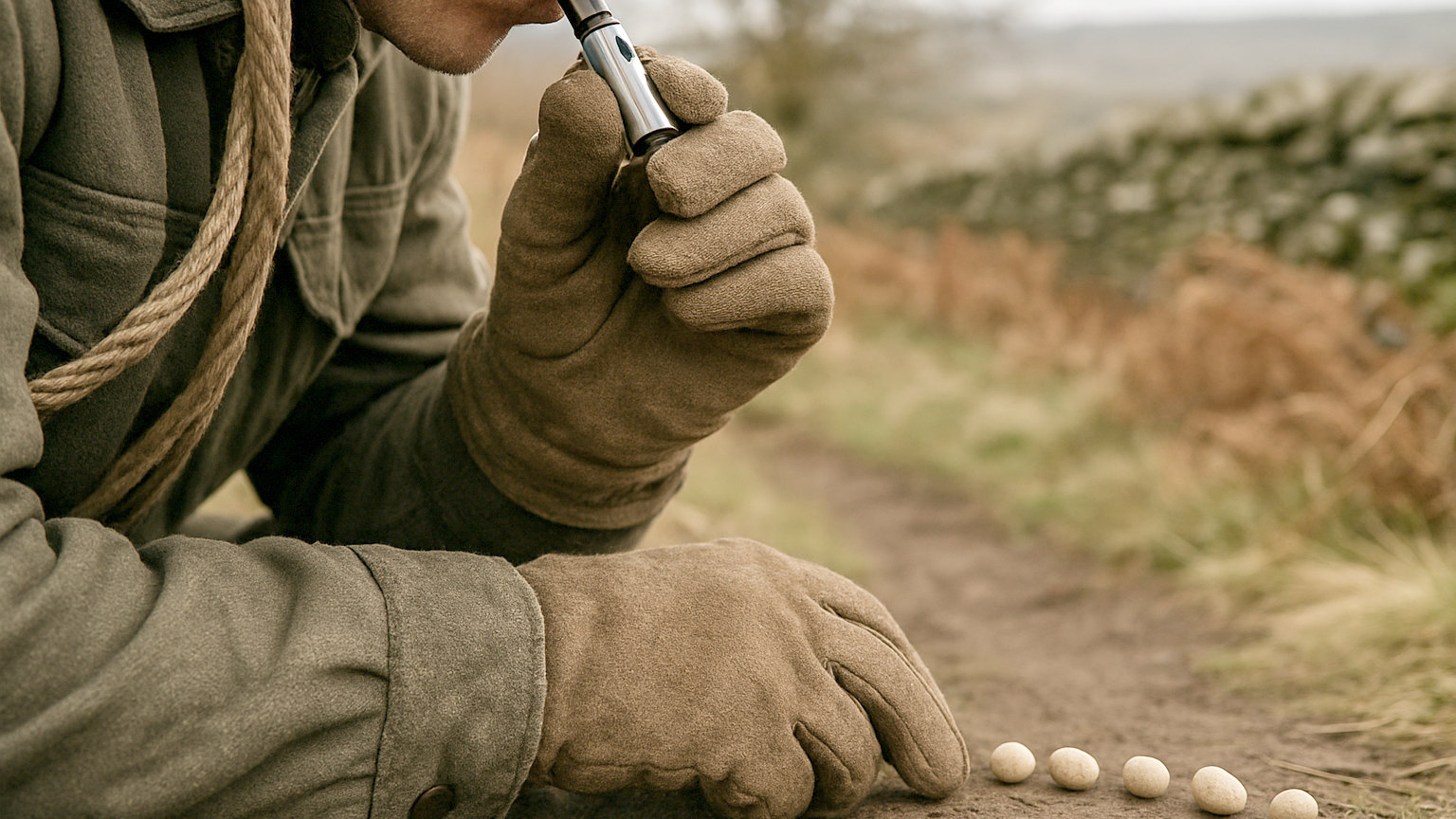
Six signals a minute, a minute of silence, then repeat. The reply is three a minute. It works with a whistle, a torch or anything that makes a repeatable signal.
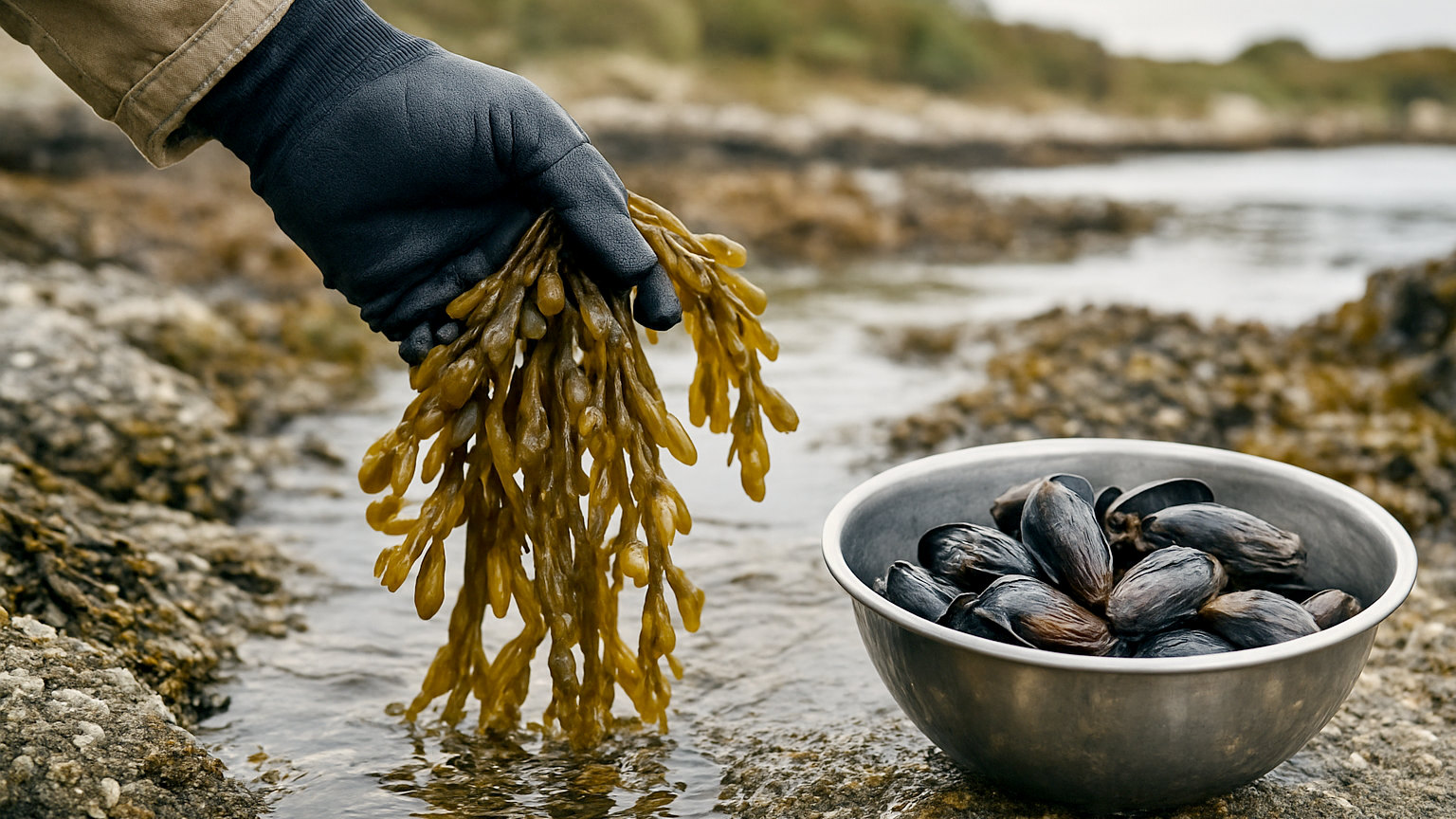
Seaweeds are among the safest wild foods in Britain. Shellfish are among the riskiest, and the reason is what they filter out of the water around them.
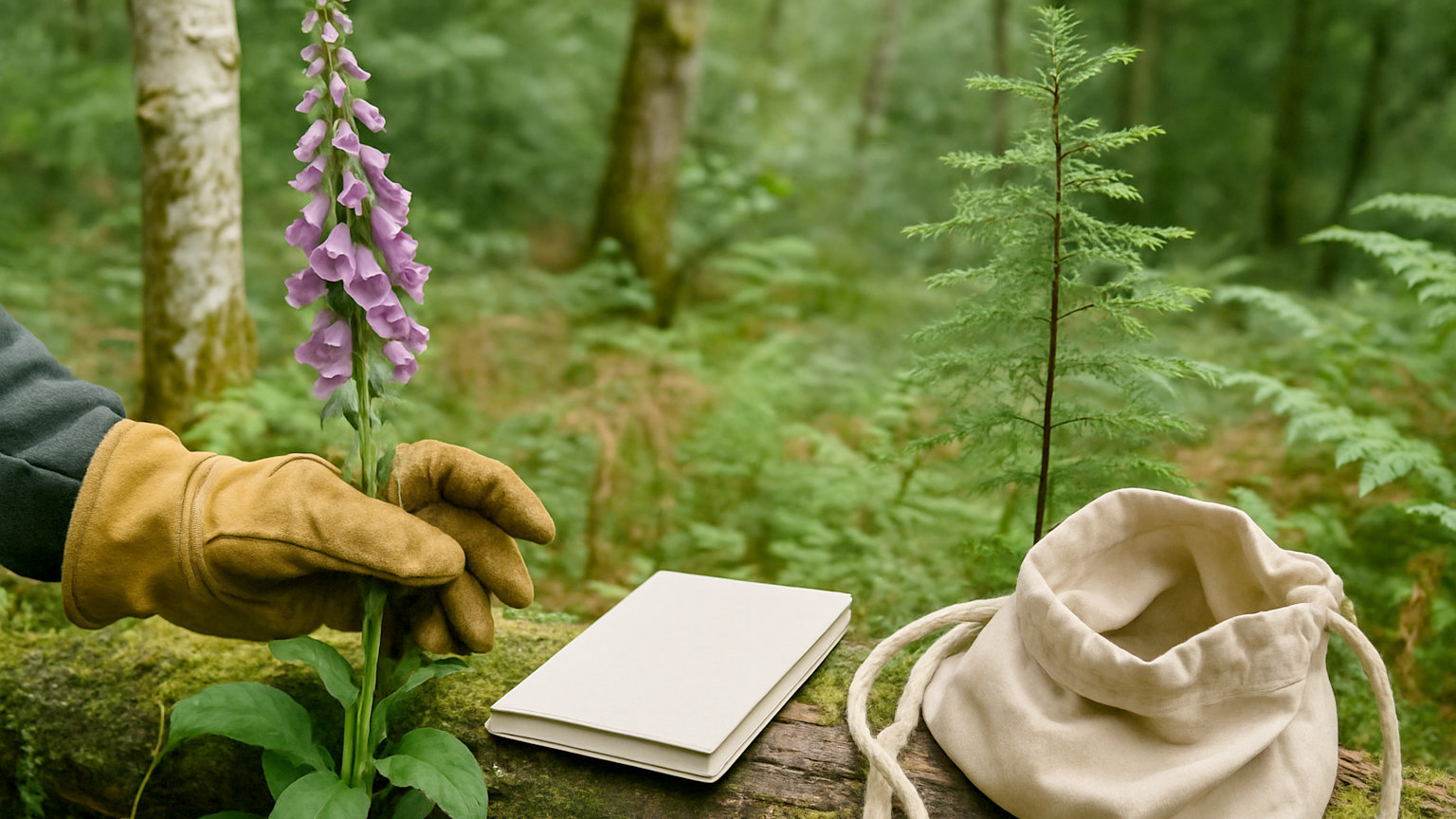
A short list of British plants accounts for nearly all serious poisonings. Learning to recognise them is the fastest safety gain available to any forager.
Twenty minutes of cool running water is the whole of the initial treatment and the part most often cut short. Everything else is secondary.