Burns are common around fires and stoves, and the first aid for them is unusually simple and unusually effective. It is also the treatment people most often abandon halfway through, which changes the outcome considerably.
What is the first and most important step?
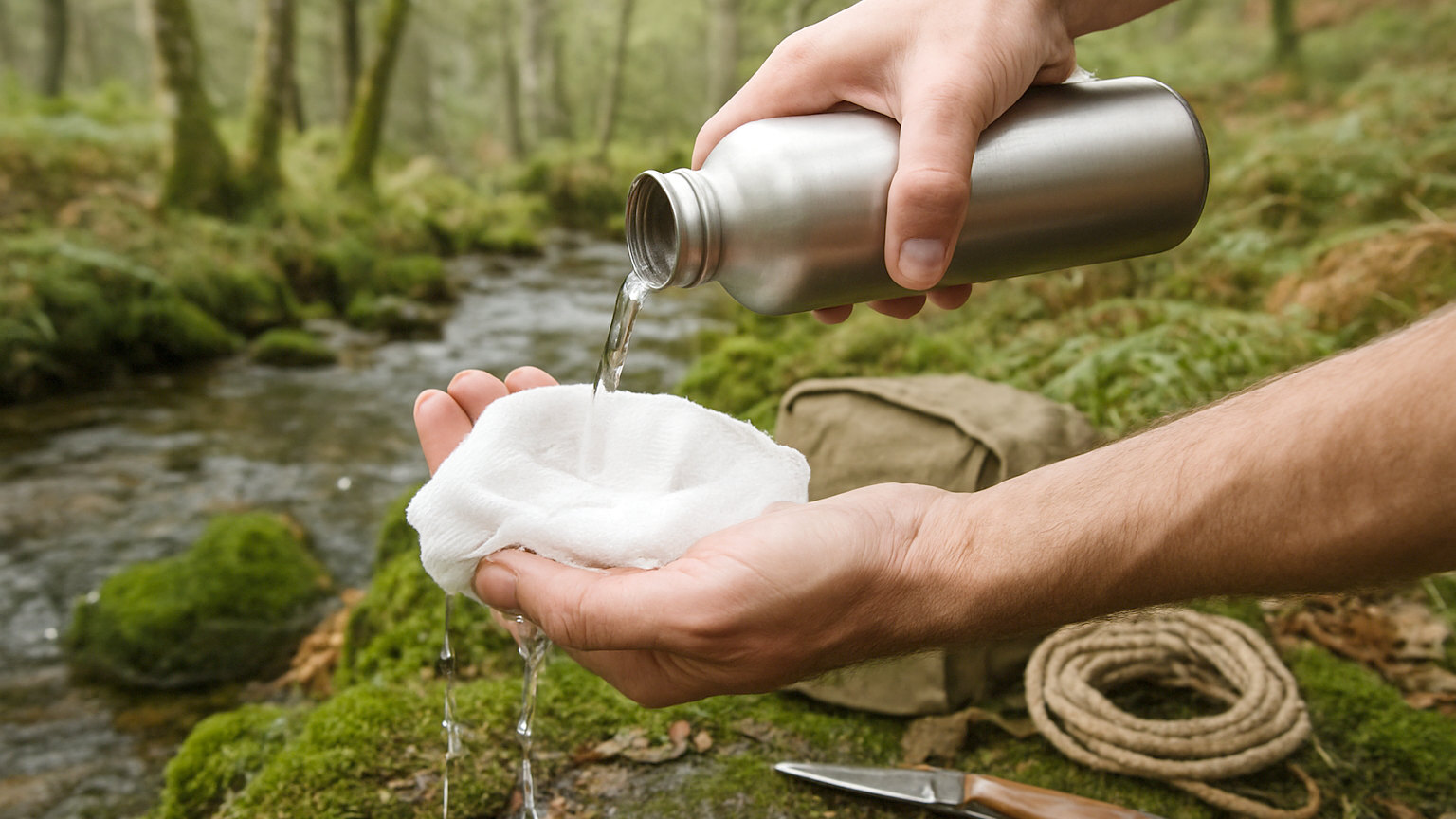
Cool the burn with cool running water for twenty minutes. Not warm, not iced, and not for two minutes. Cooling continues to limit tissue damage for up to three hours after the injury, so it is worth starting even if there has been a delay. Remove clothing and jewellery from the area first, unless material is stuck to the skin, in which case leave it and cool over the top.
Why twenty minutes specifically?
Because heat continues to damage tissue after the source is removed, and sustained cooling halts that process, reduces the eventual depth of the burn, and provides substantial pain relief. Studies of burns treated with adequate cooling show meaningfully better outcomes and less need for surgery. Two minutes under a tap feels like enough and is not, and this is the single most valuable point in the whole subject.
- Cool with cool running water for a full twenty minutes
- Remove clothing and jewellery near the burn, unless stuck
- Cover loosely with cling film laid lengthwise, or a clean plastic bag
- Keep the rest of the casualty warm while cooling the burn
- Do not burst blisters or apply creams, butter or ointments
- Do not use ice, which causes further tissue damage
What should you cover it with?
Cling film is the standard recommendation, laid in strips along the limb rather than wrapped around it, since wrapping can constrict as swelling develops. A clean plastic bag works well for a hand or foot. Both are effectively sterile on the inner surface, do not stick to the wound, keep air off the exposed nerve endings which reduces pain considerably, and allow hospital staff to see the burn without disturbing it.
What should you never put on a burn?
Butter, oil, toothpaste, creams, ointments and any traditional remedy. They trap heat, introduce infection and have to be cleaned off before proper assessment, which is painful and delays treatment. Ice and iced water cause additional injury by constricting blood vessels in already damaged tissue. Adhesive dressings stick to burns and are difficult to remove. Blisters should be left intact, since the skin over them is a natural sterile barrier.
How do you avoid making the casualty hypothermic?
By cooling the burn and warming the person. Twenty minutes of cold water on a large area, particularly outdoors, will drop core temperature quickly, and this is a genuine risk for children and for large burns. Cool the burn area only, keep the rest of the body wrapped and insulated, and monitor for shivering and confusion. If the casualty becomes cold, cooling may need to be curtailed and the priority shifts.
Which burns need hospital treatment?
Any burn larger than the casualty palm. Any burn to the face, hands, feet, genitals or across a joint. Any burn that is deep, appears white, brown or charred, or is painless because nerve endings have been destroyed. All chemical and electrical burns. Any burn in a child or an older person. And any suspicion of inhalation injury, indicated by soot around the mouth, hoarseness, coughing or singed nasal hair, which is an emergency because airway swelling can develop rapidly.
What about sunburn?
It is a burn and follows the same principles: cool it, cover it, keep hydrated, and take simple painkillers. Extensive sunburn causes real fluid loss and can produce nausea, headache and fever. Severe blistering sunburn, particularly over a large area or in a child, warrants medical advice rather than being shrugged off.
How do you estimate the size of a burn?
By using the casualty own palm, including the fingers, which represents roughly one percent of their body surface area. This is a quick field method and it is more reliable than guessing, because burns look larger than they are to someone who is worried. Anything over about one percent in an adult, or any burn at all in a small child, warrants medical assessment. Do not count areas of simple redness with no blistering, which are superficial and heal without intervention.
Twenty minutes of cool water, cling film, keep the person warm, and get help for anything larger than a palm.