Learning what to avoid is a smaller and more valuable task than learning what to eat. This is an overview to prompt proper study, not an identification key, and none of it substitutes for a good regional field guide and expert instruction.
Which is the most dangerous plant in Britain?
Hemlock water dropwort, by a considerable margin. It grows abundantly along ditches, streams and wet ground across much of the country, belongs to the carrot family, and is regularly mistaken for wild celery, parsley or watercress. The whole plant is toxic and the roots, which resemble a bunch of pale fingers, are lethal in very small quantities. It has killed people who mistook it for something edible while foraging, and it is the single strongest argument for extreme caution with any umbellifer.
Why is the carrot family so risky?
Because it contains some of the best wild foods and some of the deadliest plants in Britain, and they look similar to an untrained eye. Hemlock, hemlock water dropwort, fool parsley and giant hogweed sit alongside wild carrot, ground elder and sweet cicely. The family is characterised by umbrella shaped flower heads, and distinguishing members requires attention to stem markings, cross sections, leaf shape, smell and habitat together. Beginners are widely advised to leave the entire family alone.
- Hemlock water dropwort, the most lethal, in wet ground
- Hemlock, purple blotched hollow stems, unpleasant smell
- Monkshood, hooded blue flowers, toxic even by skin contact
- Deadly nightshade, glossy black berries, dull purple bells
- Giant hogweed, sap causes severe burns in sunlight
- Lords and ladies, arrow shaped leaves, bright red berry spike
- Yew, red arils with a highly toxic seed inside
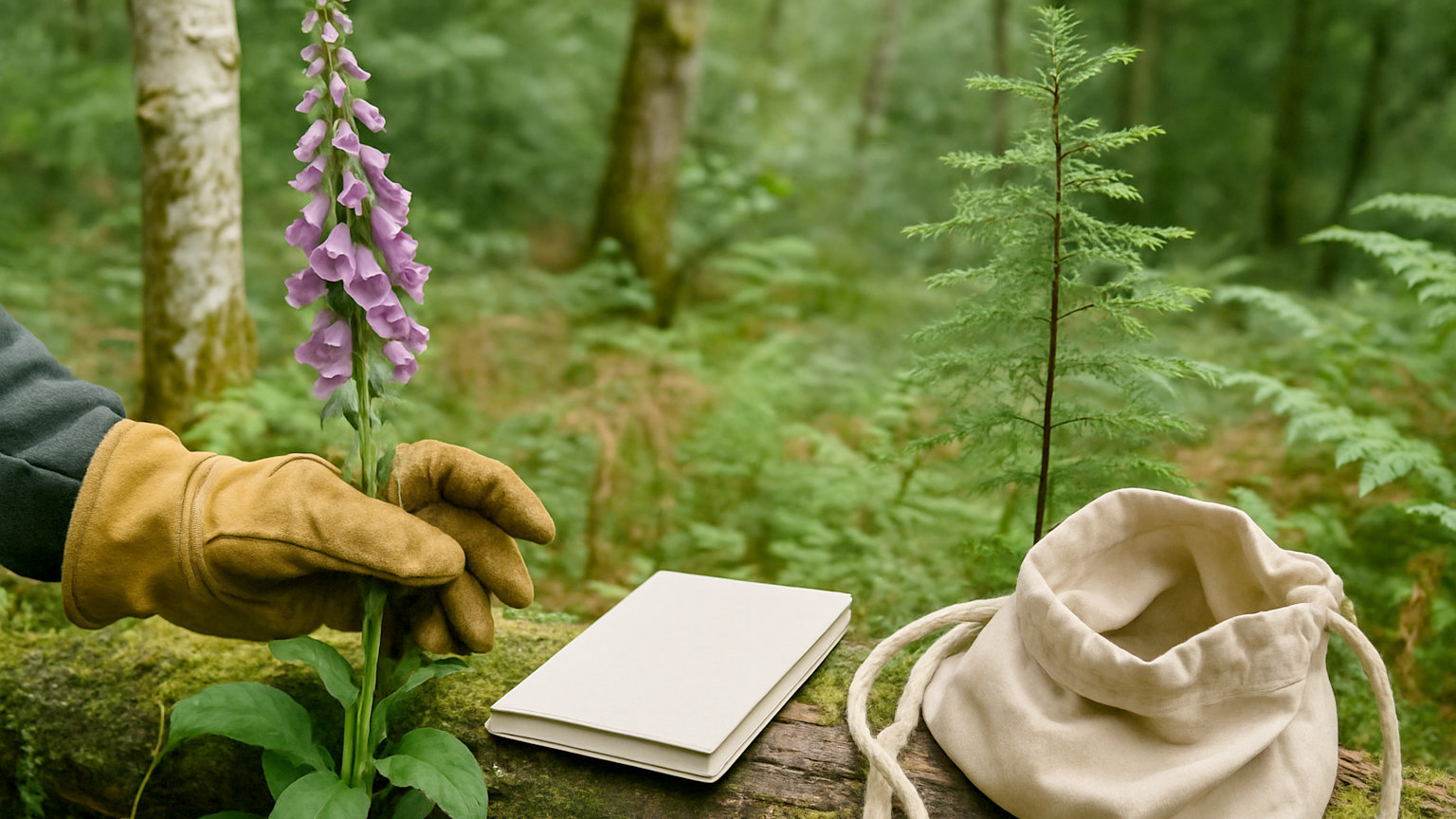
- Foxglove, tall pink bells, resembles comfrey before flowering
What makes giant hogweed different?
You do not have to eat it. Its sap contains compounds that sensitise skin to ultraviolet light, so contact followed by sunlight produces severe blistering burns that can recur for years afterwards. It grows very large, often over three metres, along riverbanks and waste ground. If you touch it, wash the area immediately, keep it out of sunlight for at least forty eight hours, and seek medical advice for anything more than trivial contact, particularly around the eyes.
Which lookalike catches people most often?
Lords and ladies, mistaken for wild garlic. Its leaves emerge at the same time and in the same damp woodland, and it contains calcium oxalate crystals that cause immediate intense burning of the mouth and throat, with swelling that can obstruct breathing. Lily of the valley and autumn crocus, both seriously toxic, also grow among ramsons. The smell of garlic on a crushed leaf is a useful indicator and is not sufficient on its own, since leaves lying among ramsons pick up the scent.
Are berries easier to judge?
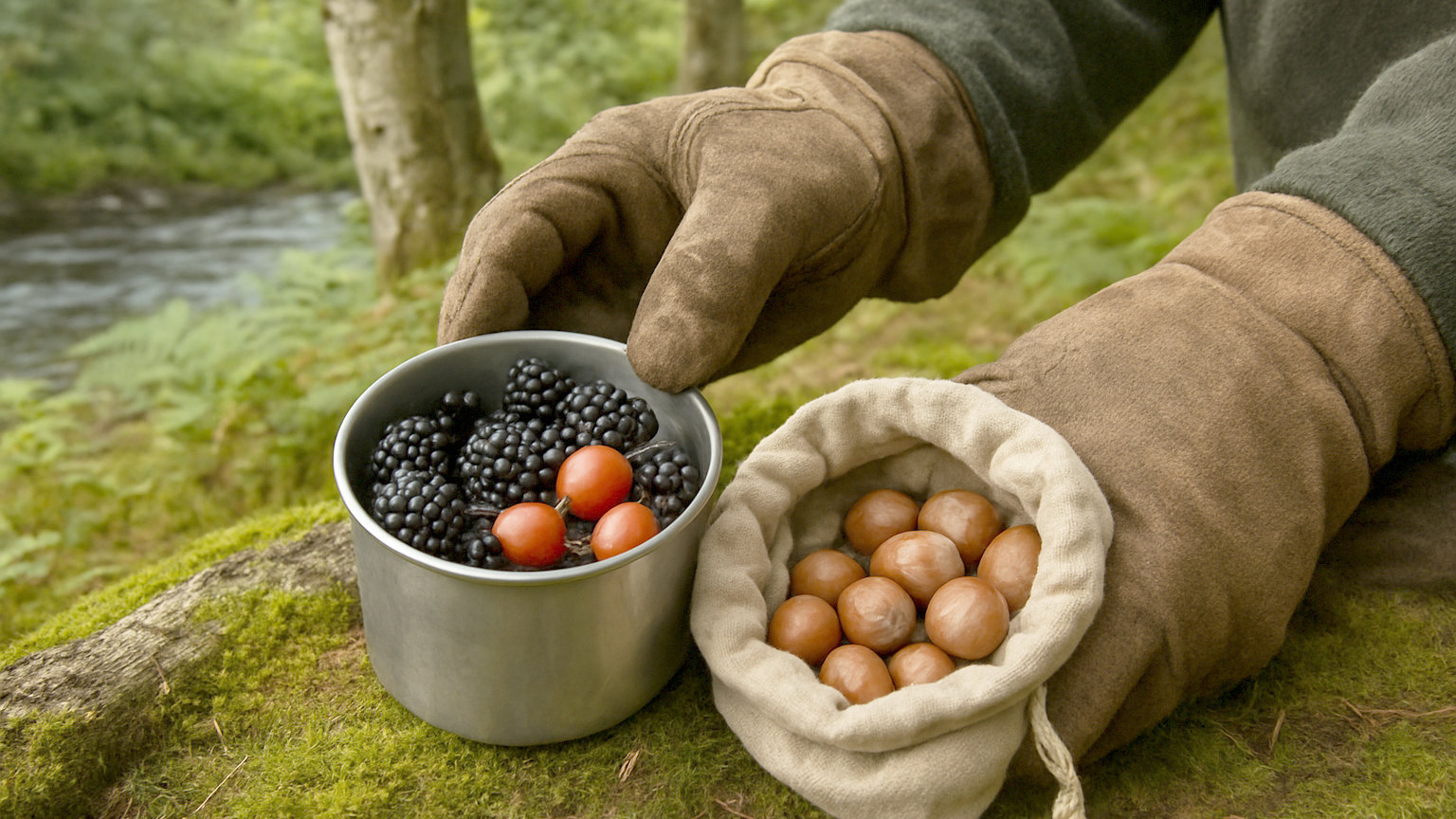
Somewhat, and the dangerous ones are worth knowing individually. Deadly nightshade produces glossy black berries that are dangerously sweet, and a very small number can kill a child. Woody nightshade, yew, lords and ladies, black bryony and spindle are all toxic and all fairly conspicuous. The frequently repeated rule that white and yellow berries are dangerous while red are edible is unreliable enough to be worthless, since yew arils are red and elderberries are black.
What should you do if someone eats something toxic?
Call 999 for anyone with breathing difficulty, seizures, collapse or severe symptoms, and contact 111 otherwise. Take a sample or a clear photograph of the plant, including leaves, stem and any flowers or fruit, since identification directs treatment. Do not induce vomiting. Note the time it was eaten and roughly how much. Symptoms from some plants are delayed by hours, so seek advice even if the person seems fine.
How should you study these?
In the field, repeatedly, across the seasons. Find each species locally, look at it properly, and return to see how it changes. Knowing that hemlock water dropwort grows in the ditch at the end of your road is worth more than any amount of reading, because recognition is built from repeated real encounters rather than from photographs.
Learn these before you learn a single edible species, and most of the risk in foraging disappears.