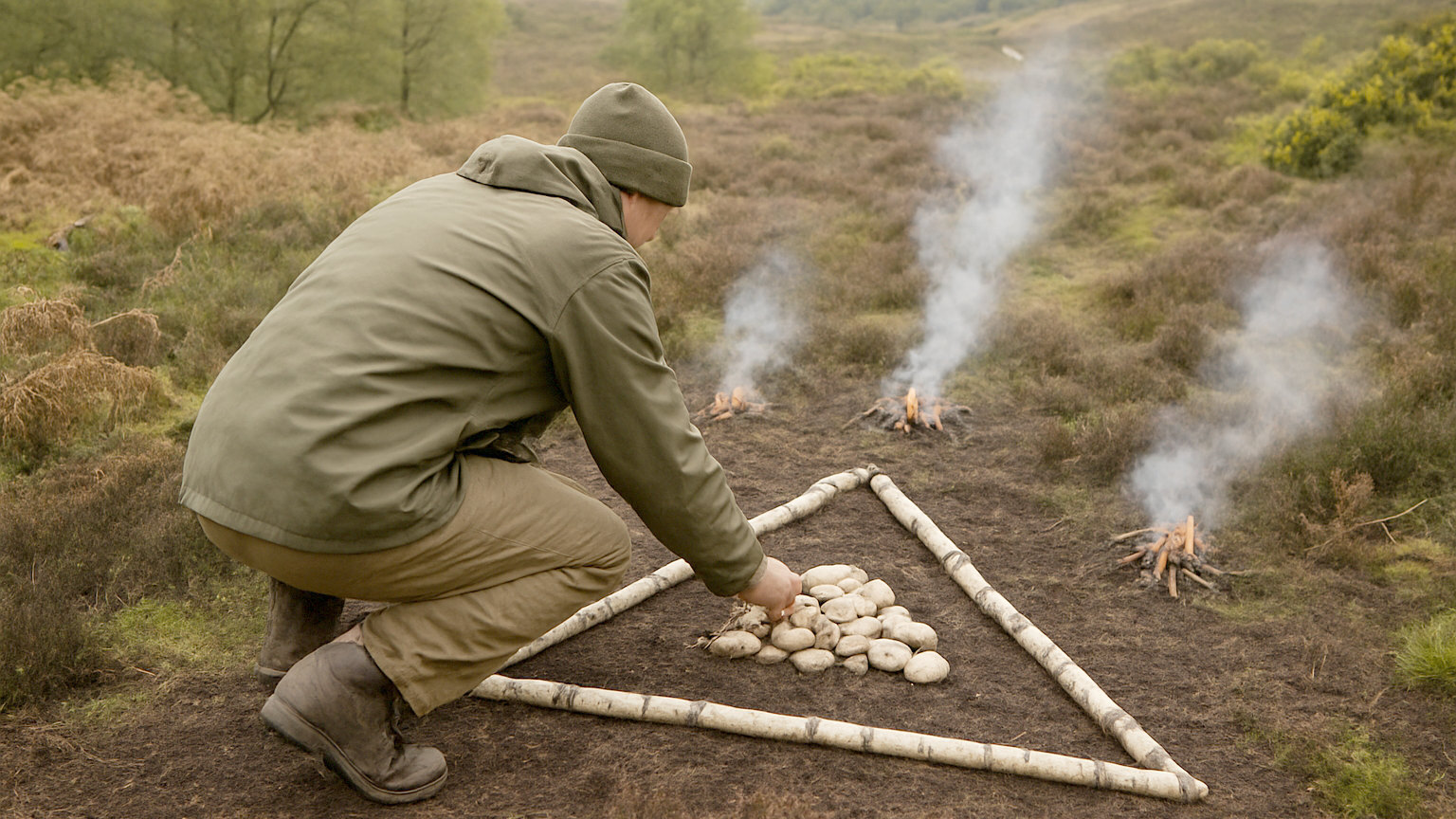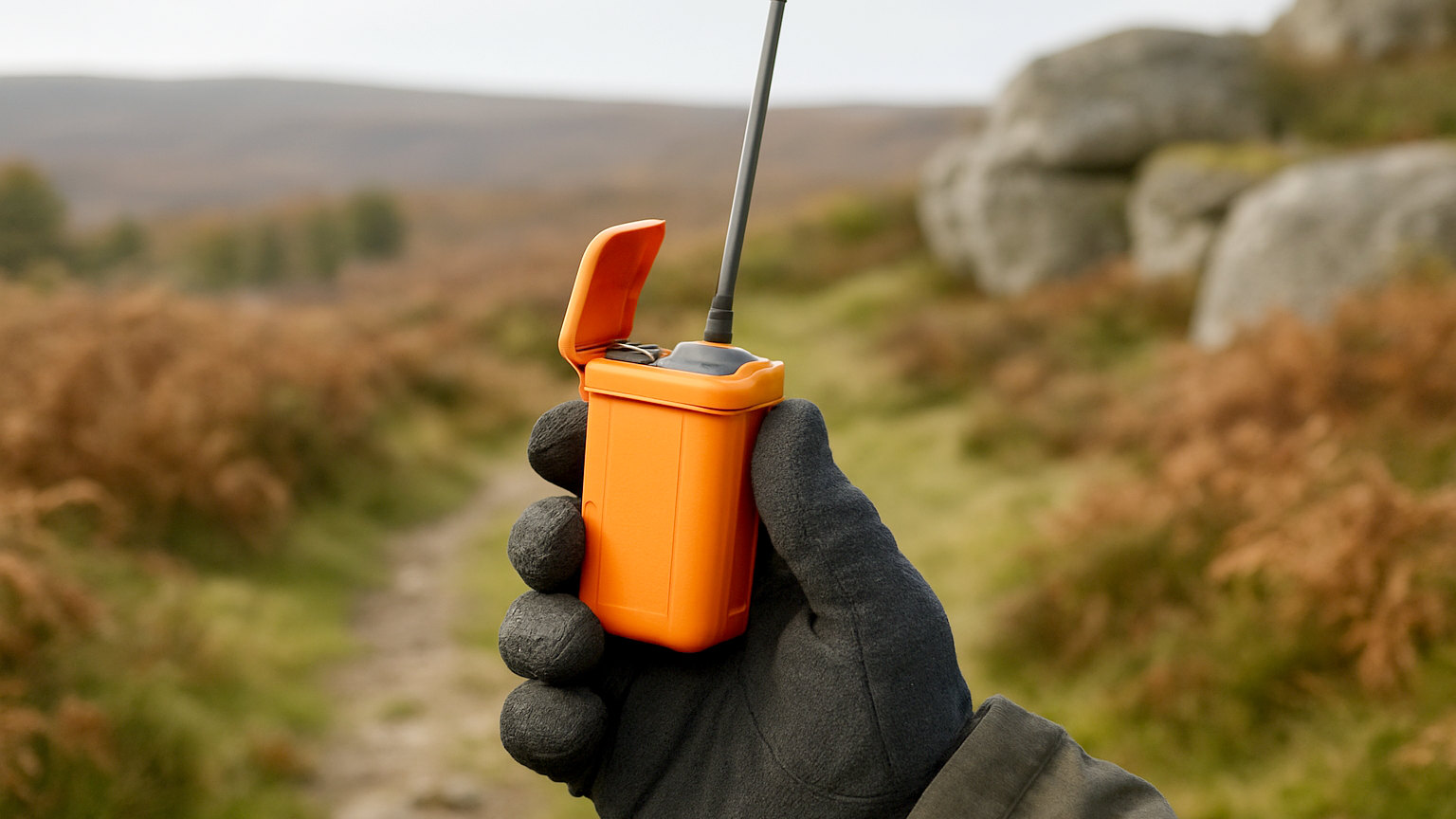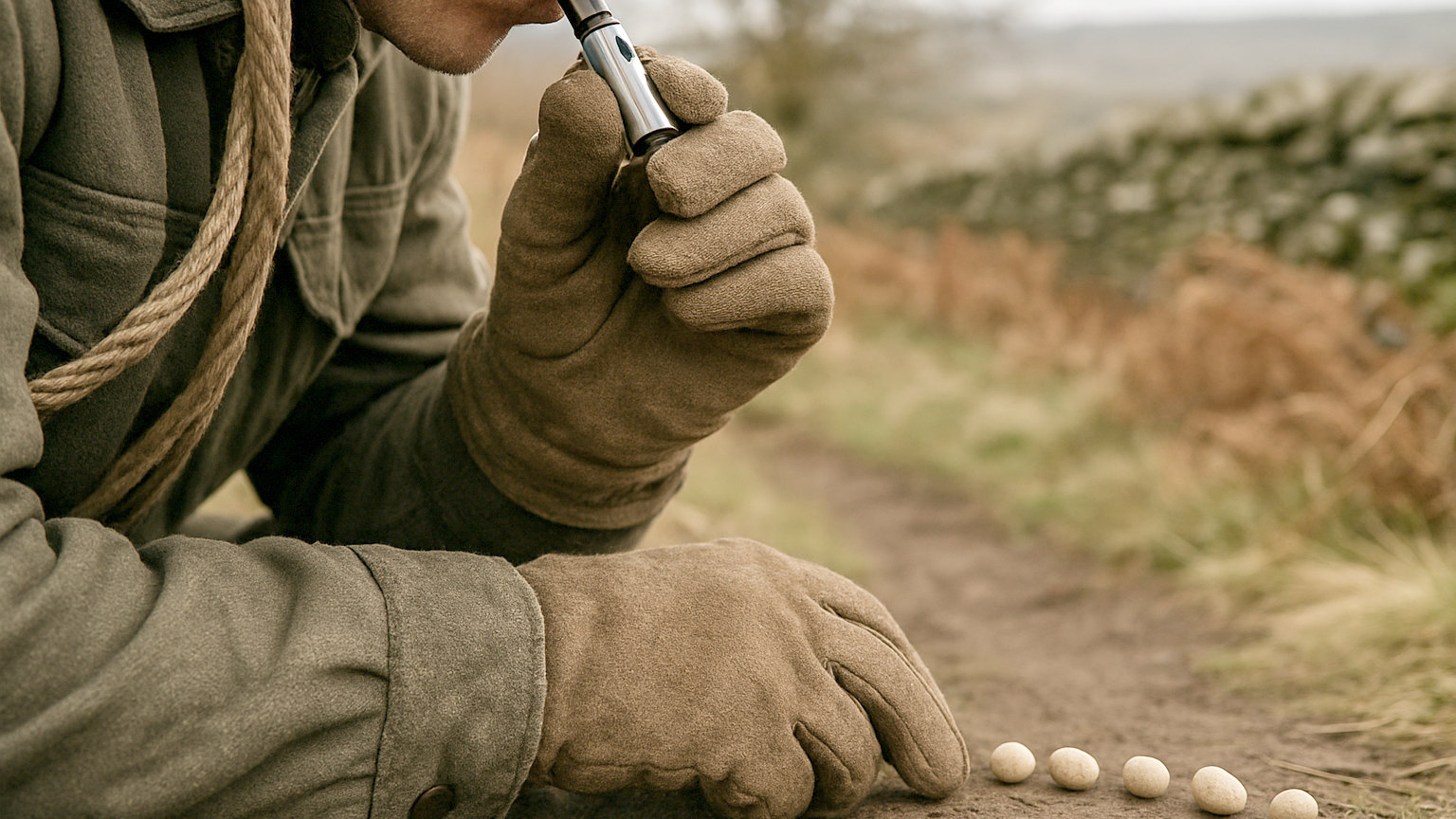
There is a recognised international convention for signalling distress in the mountains and open country, and it exists so that a signal is unmistakably deliberate rather than accidental. It costs nothing to learn and it removes ambiguity at exactly the moment ambiguity is expensive.
What is the signal?
Six blasts on a whistle, or six flashes of a torch, or six shouts, spread evenly across one minute. Then a full minute of silence. Then repeat the six, and continue the cycle. The pause is as much a part of the signal as the blasts, because it establishes a deliberate rhythm that cannot be mistaken for someone calling a dog or a natural sound.
What is the reply?
Three signals in a minute, followed by a minute of silence, then repeated. If you hear three of anything on that pattern, someone has understood and is responding. Crucially, keep signalling six after receiving a reply, because the responder needs to home in on you and they can only do that if you keep making noise. A great many people stop the moment they hear a reply, which is precisely the wrong response.
- Six blasts, flashes or shouts spread across one minute
- One full minute of silence
- Repeat the cycle continuously
- Three per minute is the reply, meaning help is coming
- Keep signalling six after a reply so they can locate you
Why six and not some other number?
The convention originates in Alpine mountaineering practice and was adopted internationally because it is distinctive and sustainable. Six is enough to be clearly patterned and few enough to keep up for hours. The minute of silence lets you listen for a reply, which is the part people most often skip, and it conserves both energy and battery.
How does this relate to SOS?
They are separate conventions for different contexts. SOS is a Morse sequence of three short signals, three long, three short, sent as one continuous group with no gaps between letters. It is widely recognised and is most relevant with a light or a radio. The six blast pattern is the standard in mountain and open country rescue in Europe. Either will be understood by a rescue team, and neither is wrong.
What can you use to send it?
Anything repeatable. A whistle is the standard and carries furthest for the energy. A torch works at night and can be seen for miles in clear conditions. A mirror flash in sunshine is extremely visible. Banging metal on rock, sounding a car horn or waving a bright item on a stick all work. The medium matters less than the pattern, because it is the pattern that says this is a person in trouble rather than a person.
Should you use it for a phone call instead?
No, always call if you possibly can. The distress signal is for when you cannot communicate directly, or when you are waiting for a team that is already searching and needs to locate you precisely. It conveys presence and position and nothing else, whereas a call conveys who you are, what has happened and exactly what help is needed.
How long should you keep it up?
Longer than feels reasonable. Rescues frequently take many hours, and search teams may pass within a few hundred metres without seeing you in poor visibility or darkness. Set a rhythm you can maintain, rest between cycles, keep warm and sheltered while you do it, and increase the rate immediately if you hear an aircraft, a vehicle or voices. Conserving your voice by using a whistle is what makes an all night effort possible.
Does anyone actually recognise it?
Rescue teams, mountain leaders, climbers and experienced walkers do, and members of the public frequently do not. That is not a reason to abandon it, because the pattern still reads as deliberate and unusual to anyone who hears it, and it is the regularity rather than the specific count that makes a passerby stop and listen. If someone responds by shouting rather than signalling three, answer them normally. The convention is a tool for being understood, not a formality to insist on.
Six a minute, then a minute of silence, and keep going after the reply comes. It is the entire convention and it is worth knowing before you need it.